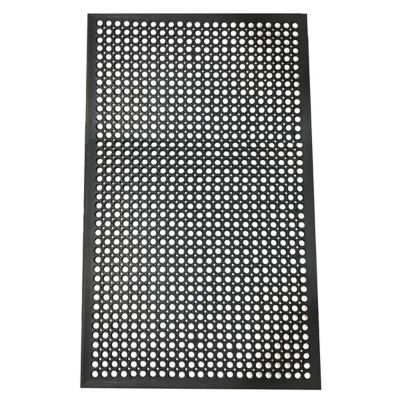
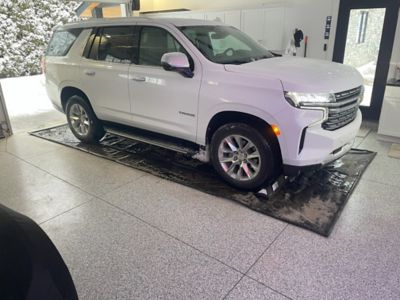
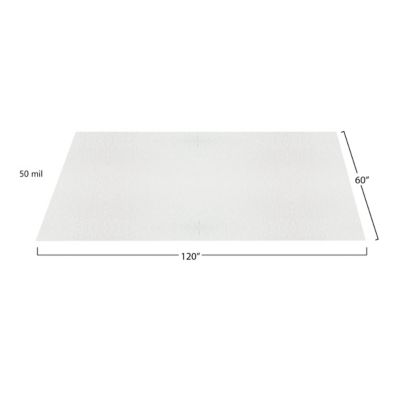
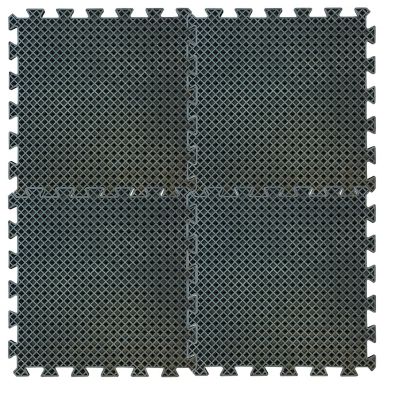
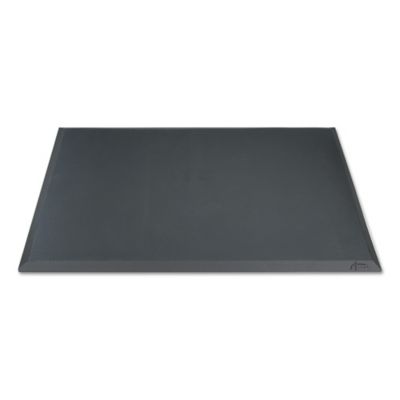
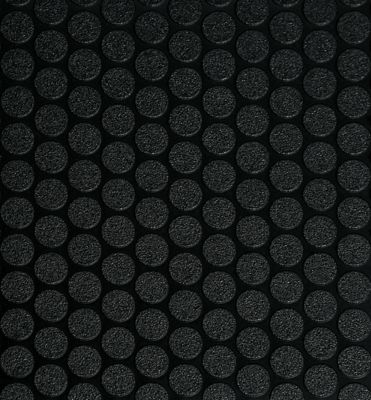
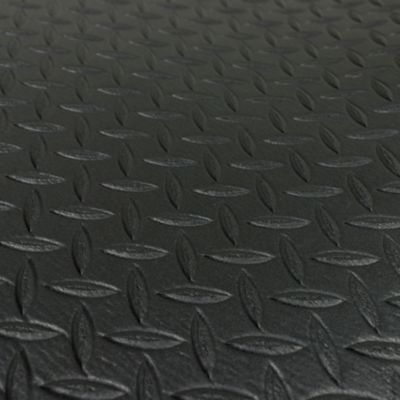
Garage floor mats add a protective layer between a concrete floor and the vehicles, tools, and everyday messes that come through a working garage. Depending on their construction, they can help catch dirt, contain water, collect small fluid drips, or provide a more comfortable place to stand at a workbench. That makes them a practical fit for a home garage, farm shop, equipment bay, or the corner where a riding mower gets parked after chores. The main styles serve different purposes. Raised-edge containment mats help keep liquids and loose debris within a defined parking area, while flat roll-out mats cover a broader section of floor without a raised border. Absorbent mats draw small drips into a fabric surface, with a backing designed to help keep those drips from reaching the concrete underneath. Cushioned standing mats address another need: taking some of the strain out of long stretches at a bench or tool station. Materials make a difference in how each style handles the job. Vinyl and PVC surfaces often provide a wipe-clean barrier, though resistance to oil, grease, and other garage fluids depends on the material and its stated rating. Rubber can offer grip and flexibility, but its suitability for vehicle fluids also varies by formulation. Fabric-topped mats can be handy beneath equipment that leaves occasional spots, provided the backing and absorbency match the task. Surface patterns such as ribs, diamonds, or shallow channels may help with footing or direct liquid across the mat, but texture alone does not make a floor slip-proof. A smooth surface may be easier to wipe, while a deeper pattern can take more effort to brush clean. The right choice starts with what happens in that space, whether that means parking a pickup, maintaining a motorcycle, rolling a mower inside, or spending an afternoon repairing a gate latch at the bench. A mat intended for standing comfort is not automatically suited to vehicle tires, and a parking mat is not necessarily the best cushion for a long stretch on your feet.
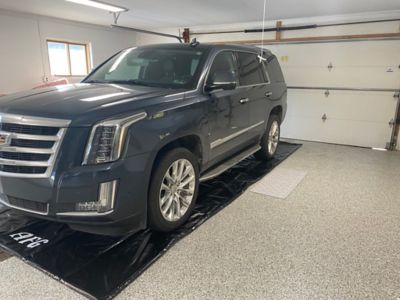
Fit matters just as much as material, especially in a garage that has to hold a vehicle and still leave room for shelves, a freezer, and a path to the door. Full-vehicle mats need enough length and width for the parking position, with attention to where tires, fluid drips, and foot traffic will land. A mat that covers only the tire tracks may leave the area beneath the engine exposed, while a larger footprint can catch more of the mess around the vehicle. For a closer look at coverage intended for cars and trucks,
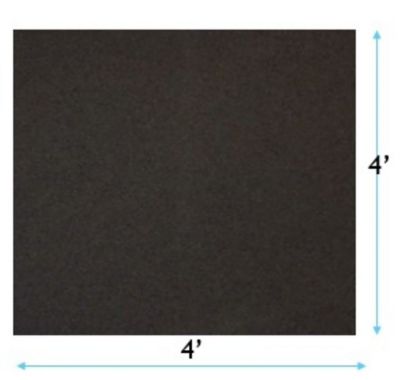
Garage Parking Mats offer a parking-focused place to start. Smaller floor mats suit more targeted jobs, such as protecting the space beneath a mower or collecting minor drips under a motorcycle. Measuring the open floor area helps avoid awkward overlaps with cabinets, door thresholds, or another parking space. Allow clearance for raised edges and check that doors can open without catching the mat. Thickness affects both feel and clearance: a thicker mat may provide more cushioning or a more substantial barrier, but it can also create a taller edge for feet, creepers, and tool carts to cross. Beveled edges can ease that transition when the design includes them. Roll-out formats provide broad coverage with fewer joints, while modular floor systems offer another approach for spaces with corners or obstructions. Any seams or connections deserve attention because liquid may travel through them unless the system is designed to contain it. Vehicle weight, tire contact, and concentrated loads also matter. A motorcycle kickstand, jack stand, or narrow equipment wheel places pressure on a much smaller area than a tire does, so check suitability before setting it on a mat. Follow the stated support requirements for lifting equipment rather than treating floor covering as a structural base. For a garage with several jobs going on, separate parking coverage and a standing mat at the bench can make more sense than expecting one surface to do everything.
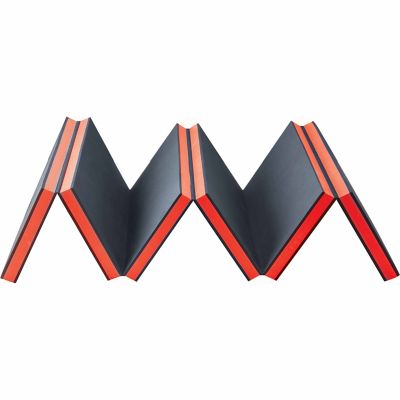
Day-to-day care has a big say in how long garage floor mats stay useful. Loose grit can grind against the surface under tires or boots, so regular sweeping or vacuuming helps keep the floor covering in better shape. Nonabsorbent mats may allow wiping, mopping, or rinsing with a cleaner approved for the material; absorbent styles need care that matches both the fabric and backing. Strong solvents and harsh degreasers can damage some surfaces, even when the mat tolerates occasional contact with vehicle fluids. Cleaning methods should follow the mat’s care directions, including any limits on pressure washing, scrubbing, or detergent. Raised-edge mats need collected liquid removed before it spills over the border, and saturated absorbent mats need attention rather than another vehicle parked over the same spot. Oil and grease should be cleaned promptly because they can make even a textured surface slippery. A mat helps manage minor drips; it does not replace fixing a leaking vehicle or handling a larger spill with the proper cleanup supplies. Keeping the floor underneath clean and dry before placement can also help prevent trapped dirt and moisture. Periodically lifting movable mats gives a chance to inspect the concrete, clean beneath the edges, and check for backing damage. Look for curling corners, splits, compressed cushioning, or areas that no longer sit flat, especially along the path between the vehicle and the house. When a roll-out mat needs time to flatten after unpacking, follow its placement directions before driving onto it. Smooth parking movements can help limit shifting, while sharp steering with a vehicle standing still may put extra stress on the surface. For storage, clean and dry the mat first, then roll or fold it only as directed. With the right match of coverage, material, and care, garage floor mats can make a busy space easier to keep tidy while leaving concrete better protected from everyday shop traffic. They belong wherever a garage earns its keep, from the family parking spot to the work area where tools get laid out and the next repair gets tackled.