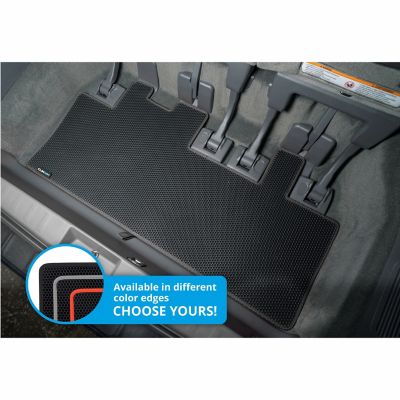
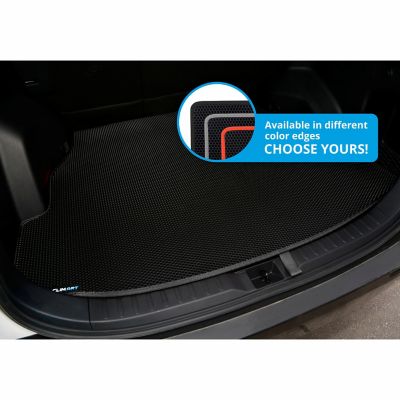
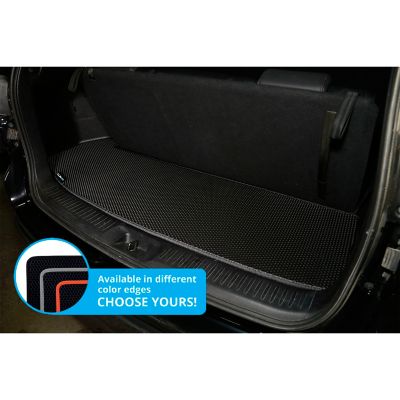
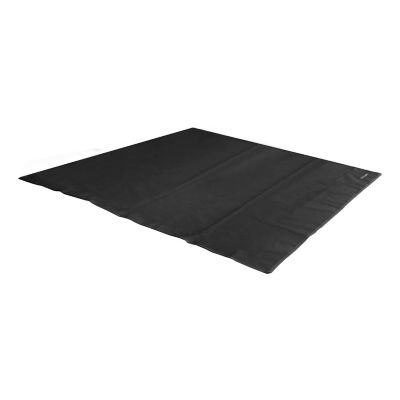
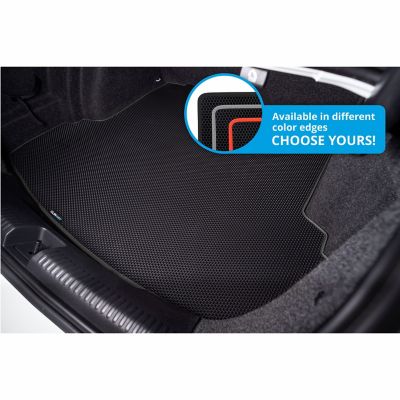
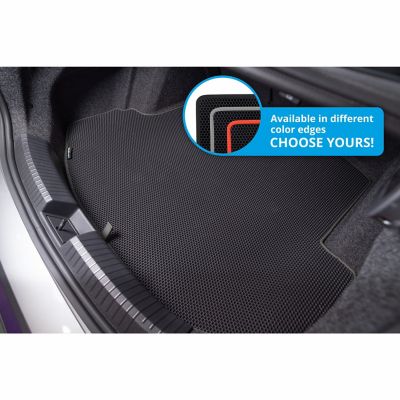
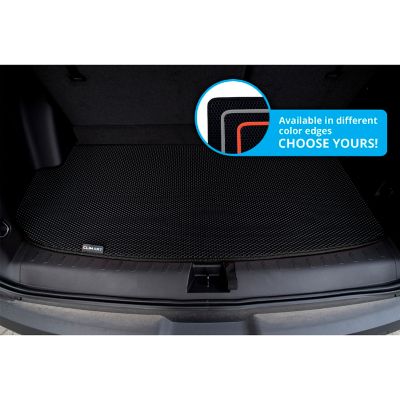
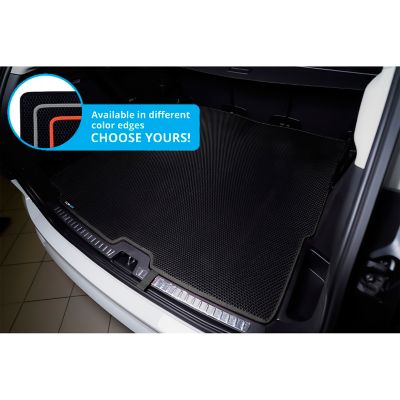
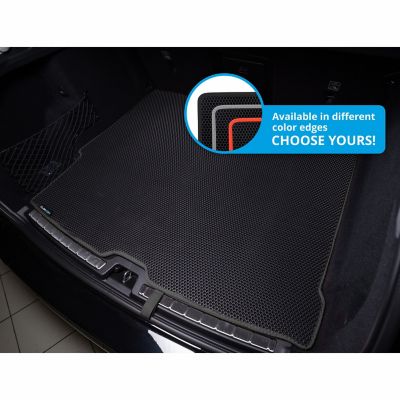
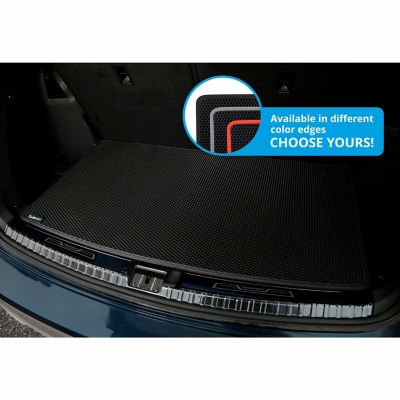
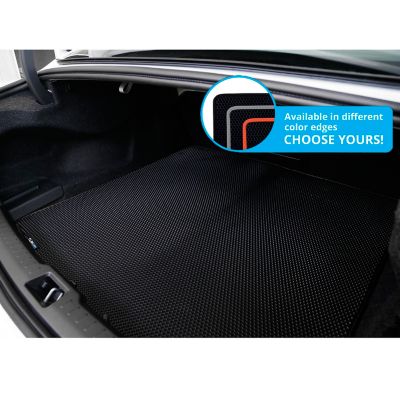
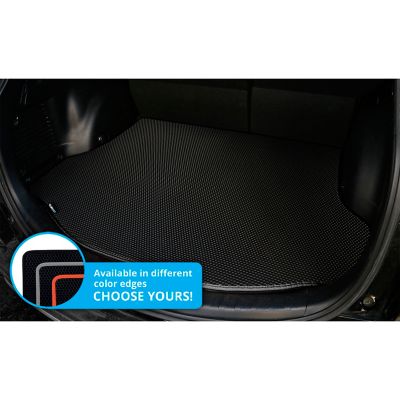
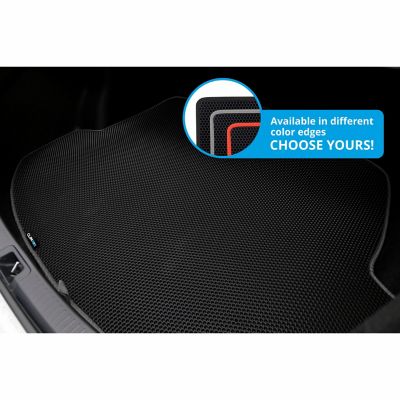
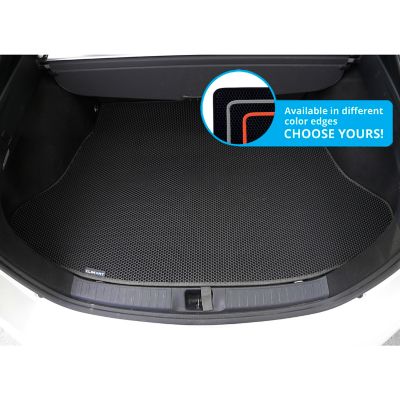
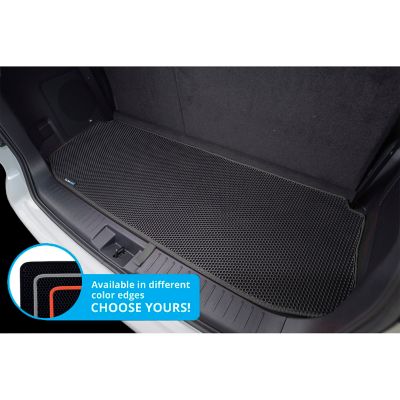
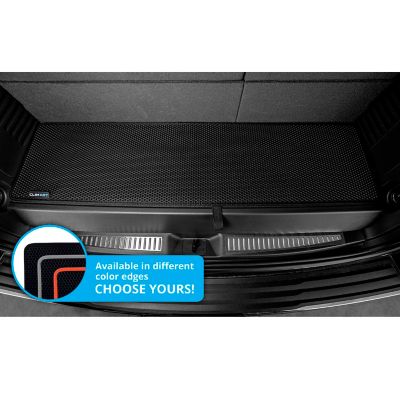
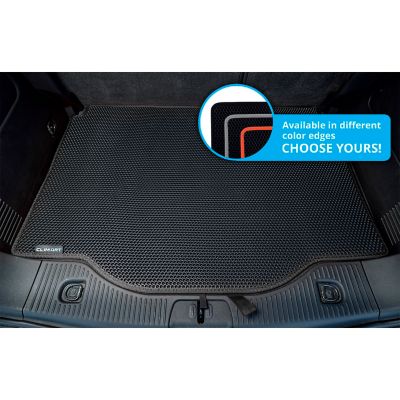
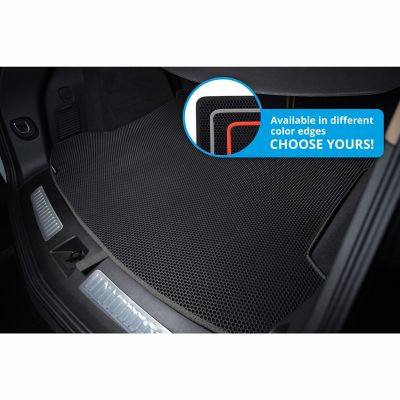
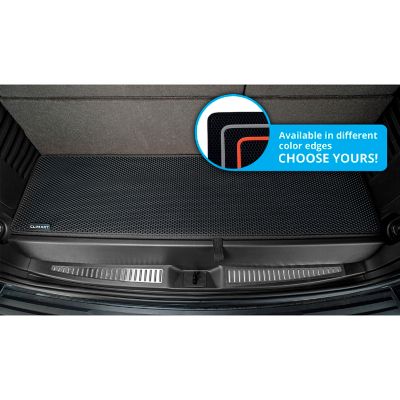
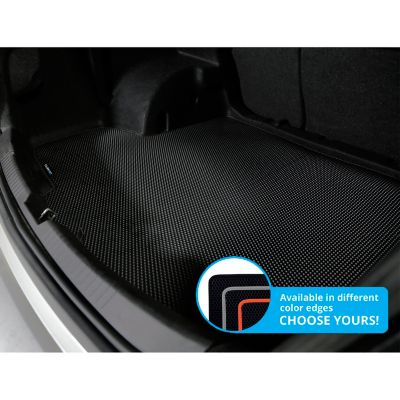
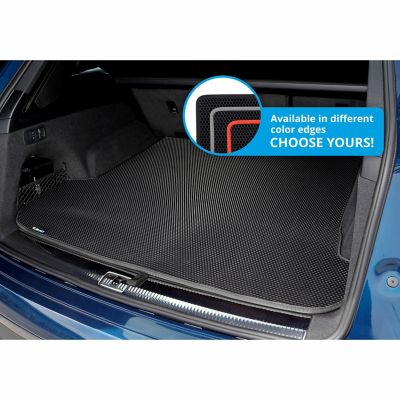
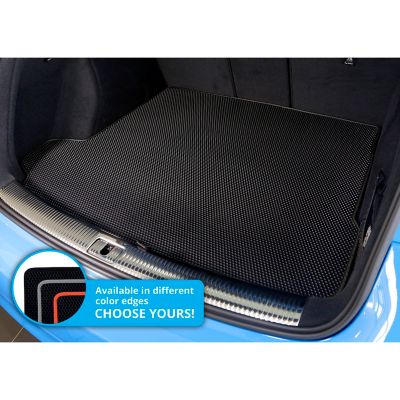
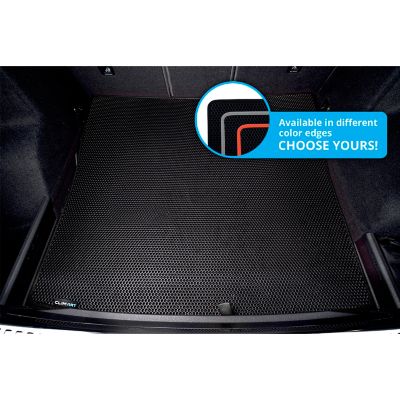
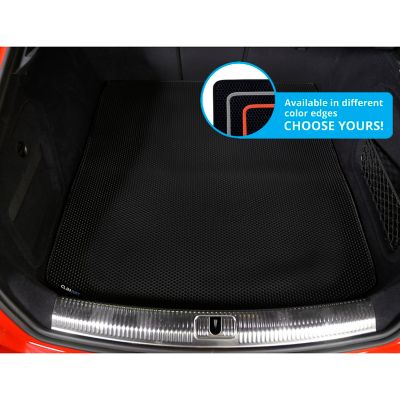
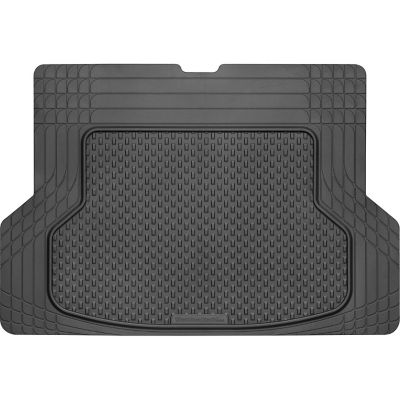
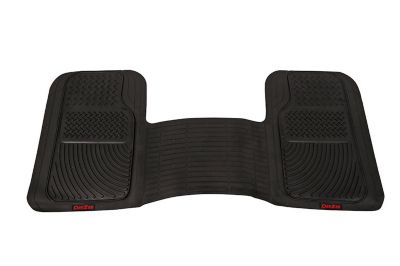
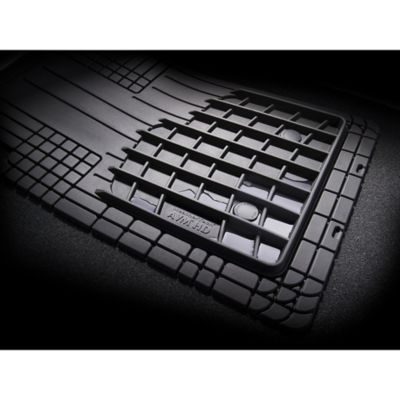
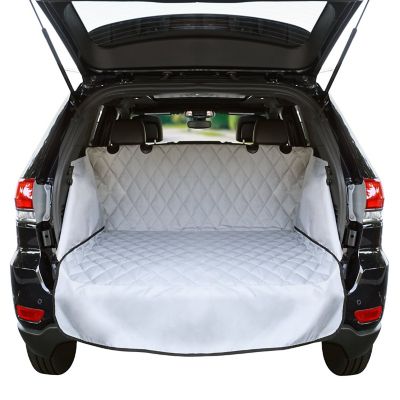
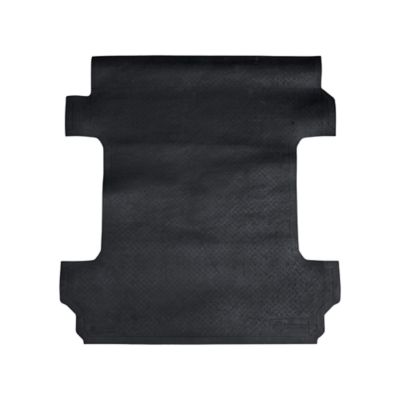
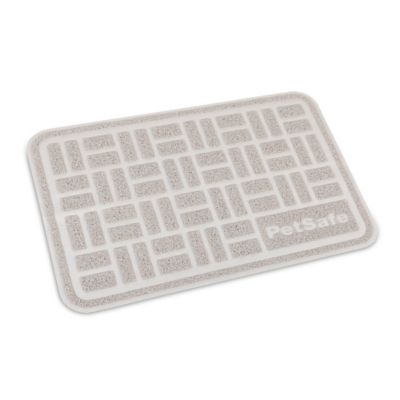
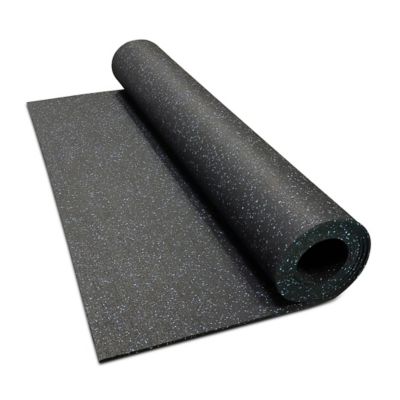
Cargo mats give the load space in a vehicle a working layer between everyday messes and the carpet underneath. From a run to the feed store to a weekend at the lake, the back of an SUV, crossover, van, or wagon can carry plenty more than grocery bags. Feed sacks shed dust, fishing gear brings along grit, and a toolbox can leave scuffs where it rides against the floor. A cargo mat helps catch that mess before it works into the vehicle’s interior, making the space easier to keep ready for the next load. These mats range from flat, flexible coverings to molded liners with raised edges, with different shapes and surfaces suited to different hauling habits. A shallow edge can make sliding a storage tote into place easier, while a taller perimeter can help contain loose dirt and small spills. Channels and recessed sections give debris somewhere to settle, though the amount a mat can hold depends on its design and how level it sits. For households juggling chores, errands, and time outdoors, that extra layer can take some of the fuss out of switching from hauling supplies to carrying luggage. It also gives pet owners a removable surface for collecting hair and paw prints, although a cargo mat does not take the place of an appropriate pet restraint or carrier. Farmers, gardeners, tradespeople, and families with busy vehicles all have reasons to protect a cargo floor, even when their daily loads look nothing alike. Someone hauling bagged soil needs a surface that releases fine dirt easily; someone carrying sports equipment may care more about containing grit and wiping away marks. The right match comes down to what rides in back, how often the space gets loaded, and how much cleanup fits into the day. A mat that suits those routines can make a hard-working vehicle a little easier to live with.
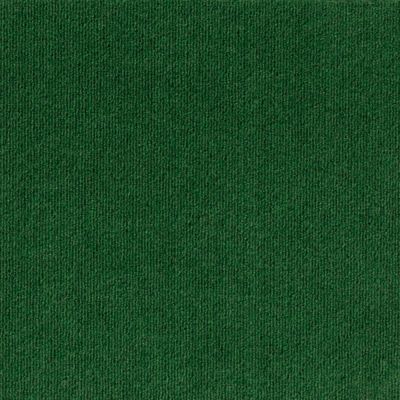
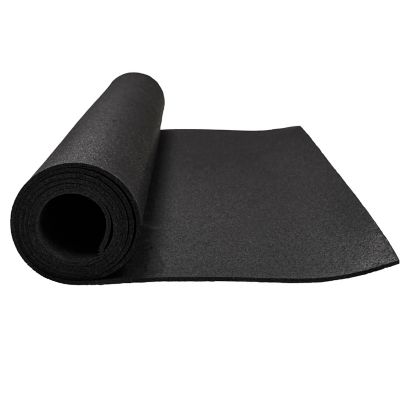
Materials make a noticeable difference in how cargo mats feel, clean up, and handle repeated loading. Rubber mats often have enough weight and flexibility to settle against the cargo floor, with textured surfaces that can help limit movement between the mat and the load. Molded thermoplastic liners can offer a more defined shape, including edges formed around wheel housings and other contours. Material names alone do not tell the whole story, though: thickness, backing, edge construction, and the shape of the floor all affect performance. Carpeted cargo mats provide a softer surface and a finished look that blends with many vehicle interiors, but loose hair, feed dust, and ground-in dirt may take more vacuuming than they would on a smooth, nonabsorbent surface. Some designs pair a carpeted face with a protective backing, while others provide different surfaces on opposite sides. For frequent hauling, a substantial mat with reinforced areas may better handle repeated contact from bins and equipment, but no mat makes a cargo floor immune to sharp edges or concentrated weight. Fit matters just as much as material. Vehicle year, make, model, seating arrangement, and cargo-floor position can all change the space a liner needs to cover. A mat intended for the area behind the third row will not cover the same footprint as one designed for folded seats. Raised cargo floors, underfloor storage lids, seat tracks, and tie-down points also deserve attention. Vehicle-specific shapes generally follow the floor more closely, while universal designs offer broader sizing and may require trimming where the manufacturer permits it. A good fit lies flat without bunching, leaves latches and access points clear, and allows the rear door or liftgate to close freely. Cargo mats belong in their intended load areas, not in a driver’s footwell where an unsecured edge could interfere with pedals. Those practical details matter far more than a pattern or finish when the vehicle has work to do.
Day-to-day care is another part of choosing a cargo mat that earns its place. A removable liner makes it easier to lift out loose debris rather than chase every grain through the carpet, but a deep, heavy mat can be awkward to carry when full. Flexible edges may help with removal, while a more rigid shape may need extra care to keep collected dirt from tipping onto the seats. For many rubber and thermoplastic mats, routine care involves shaking off debris, wiping the surface, and washing according to the manufacturer’s directions. Carpeted versions generally call for vacuuming and suitable spot cleaning, with any washing method dependent on the backing and care instructions. Letting both the mat and the cargo floor dry fully before putting everything back helps keep moisture from staying trapped underneath. It is worth checking beneath the liner after a leaking grocery bag or a spilled water jug, since even raised edges cannot guarantee that liquid stays contained. Greasy equipment, fuel containers, and chemical supplies call for extra caution: a cargo mat is not a substitute for proper containers, upright placement, or a separate spill tray where one is needed. Likewise, a textured surface may help steady a tote during loading, but cargo still needs to be secured with the vehicle’s designated restraints. For anyone looking beyond the vehicle’s load space,
Floor Protection Mats offer another category to consider for protecting surfaces in other work and storage areas. Back in the vehicle, small details such as accessible tie-down openings, edges that stay clear of storage compartments, and a surface that releases pet hair can make a real difference over time. A cargo mat can also be a practical gift for someone who spends plenty of time hauling gear, provided the vehicle details and seating layout are known. Whether the usual load is tackle, tools, animal supplies, or bags from town, a well-matched mat helps keep the cargo area ready for the next job without making cleanup a project of its own.