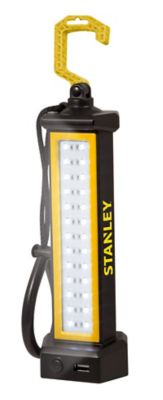
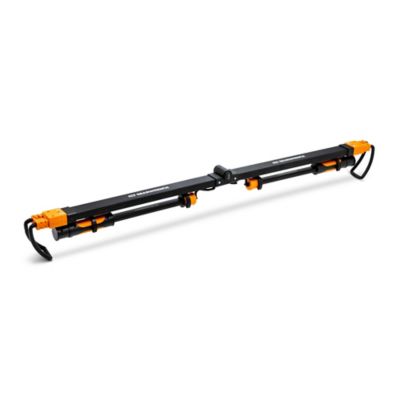
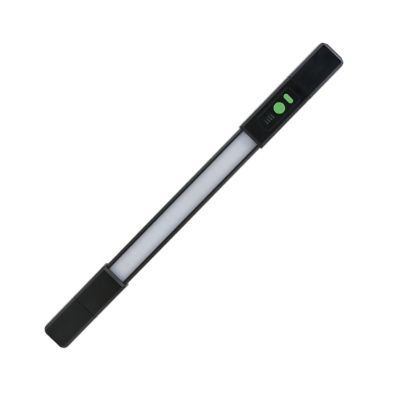
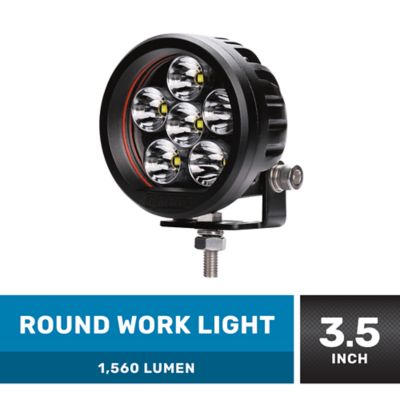
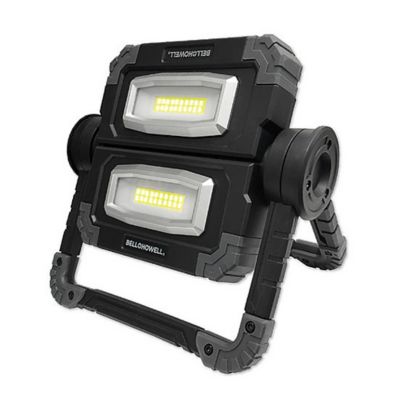
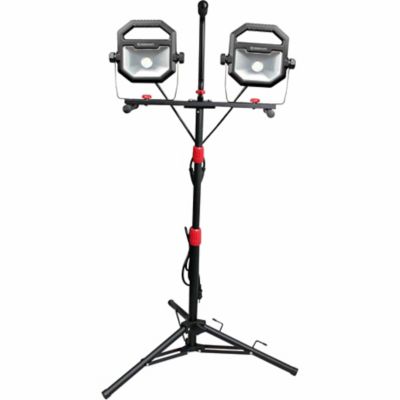
An underhood work light is a hands-free task light designed to brighten the engine compartment while a vehicle’s hood is raised. Many designs combine a long LED light bar with an expandable frame that reaches across the underside of the hood, keeping the light above the job instead of balanced on a fender or wedged beside a hose. That overhead placement leaves both hands free for a socket wrench, an electrical connector or a stubborn clamp. It also helps spread light across more of the engine bay than a small flashlight aimed at one spot. For folks maintaining a farm pickup, servicing the family vehicle or working in a repair shop, that can mean less time shifting a light around to see the next fastener. Fit starts with the mounting system: the frame’s minimum and maximum extension, hook shape and contact points all affect how it sits on a particular hood. A wide truck hood and a smaller car hood may call for different reaches, while tractor hoods and other equipment can have shapes that do not suit a standard cross-hood frame. Rubber-coated or padded hooks help protect painted edges, although clean contact surfaces and a secure fit still matter. Hood liners, reinforcement ribs and the position of the hood supports can also affect placement. A telescoping frame provides adjustment, but its full span is only useful when the hooks can grip without interfering with the hood’s support hardware. Rotating light bars and adjustable heads offer another advantage, directing the beam toward the front accessories, the firewall or a recessed corner without moving the whole frame. Some designs also allow the light section to detach for closer work. For tight engine compartments, the bar’s thickness and its clearance above the engine matter just as much as its overall width. A light that fits well should stay out of the wrench’s path while keeping the area being serviced clearly visible.
Brightness is important, but the way an underhood work light spreads that brightness deserves just as much attention. Lumens describe total light output; they do not tell the whole story about glare, shadows or how evenly the beam covers an engine bay. A broad light pattern can make hoses, brackets and wiring easier to follow from one side of the compartment to the other, while an adjustable angle helps bring detail out of deeper spaces. Even bright lighting can leave a dark pocket behind a reservoir or intake assembly. Multiple brightness settings give the light more flexibility, with a lower setting suitable for close work and a higher setting helpful when lighting a larger compartment. A diffused lens can soften the harsh reflection from polished metal, making it easier to look between a shiny fitting and a dark recess. Color rendering matters, too, particularly when distinguishing similar wire colors or reading small markings. Power choices generally include built-in rechargeable batteries, removable battery packs and corded designs. A rechargeable underhood light keeps a cord out of the engine bay, while a removable-pack design can make longer jobs easier when a compatible charged battery is on hand. Battery platform, voltage and charger requirements need to match the light; a familiar-looking pack is not proof of compatibility. Published runtime is also tied to the brightness setting and battery capacity, so the longest stated runtime may not apply at full output. Charging time, charge indicators and whether the light operates while connected to power can affect how well it suits a busy shop. Corded lighting avoids a battery recharge break but brings cord routing and outlet access into the picture. For jobs that move from beneath the hood to a bench or equipment service area,
Battery Operated Work Lights provide another way to keep task lighting close without depending on a nearby outlet.
Shop life puts a work light around greasy gloves, crowded tool carts and the occasional bump against a bracket, so construction matters beyond the light output. Aluminum components can provide support without making a long frame unnecessarily heavy, while molded housings and protected lenses help shield the lighting assembly from everyday contact. Reinforced mounting points, covered charging ports and firm adjustment mechanisms are worth considering for frequent engine work. An impact rating or an ingress-protection rating offers more useful information than appearance alone, but each rating has limits. Resistance to dust or splashes does not mean a light can handle immersion, pressure washing or exposure to every automotive fluid. Lens covers, hook pads and sliding sections all benefit from care that follows the manufacturer’s directions. A clear lens allows light to pass without a film of grease, and clean mounting pads are less likely to carry grit against a painted hood edge. Solvents that clean a metal part may harm a plastic lens or rubber contact pad, making material compatibility important during cleanup. Storage matters as well: a frame that retracts neatly takes less room beside a tool chest, and protected hooks are less likely to catch on other equipment. Controls that are easy to find with gloves on, a comfortable carrying point and a battery indicator that is visible from the working position can make a noticeable difference over a long repair. These lights suit home mechanics, farm equipment owners and shop technicians who regularly work beneath raised hoods. They can also make a practical gift for someone who spends spare time keeping a pickup or project vehicle running, especially when the mounting span and power system match that person’s setup. For routine engine-off maintenance, secure placement away from belts, fans and hot components helps keep the light focused on its purpose. The best fit combines useful beam coverage, manageable size and enough operating time for the work at hand, leaving fewer shadows between the mechanic and the next bolt.