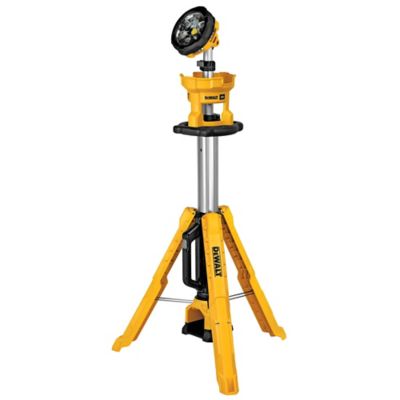
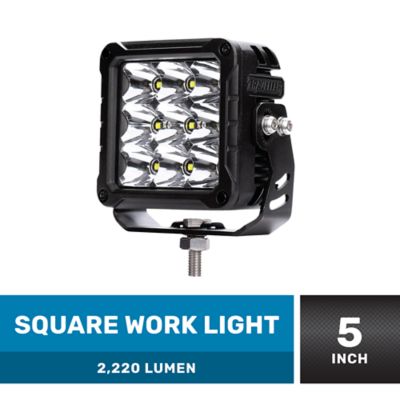
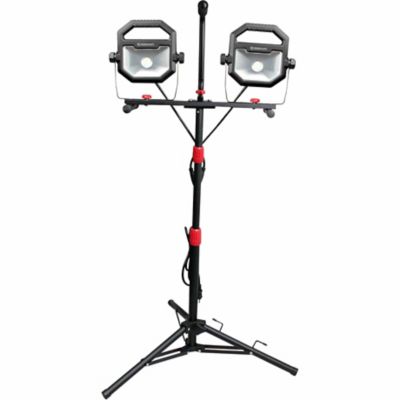
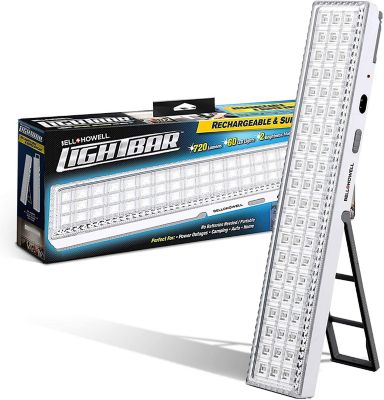
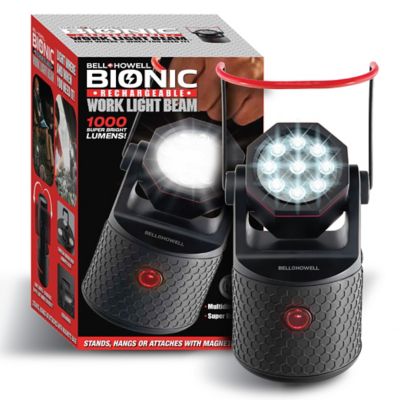
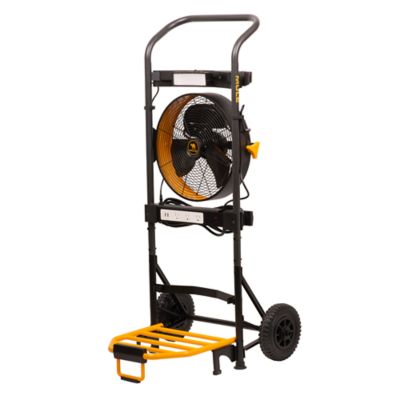
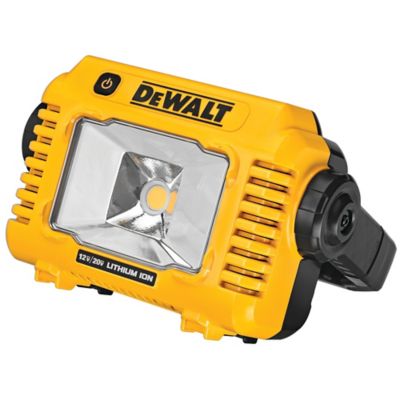
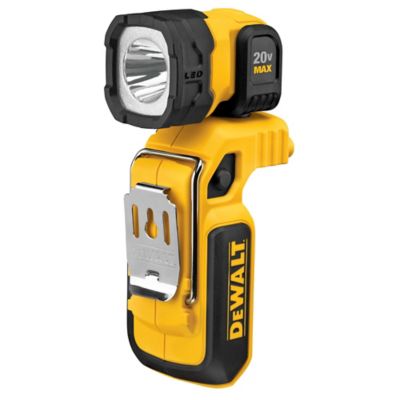
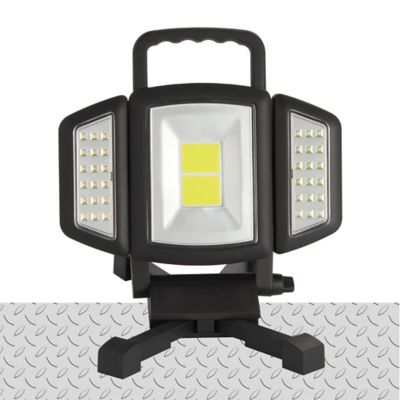
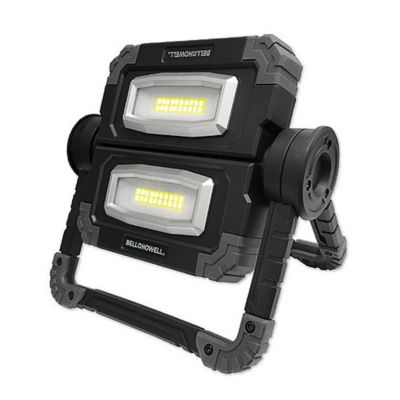
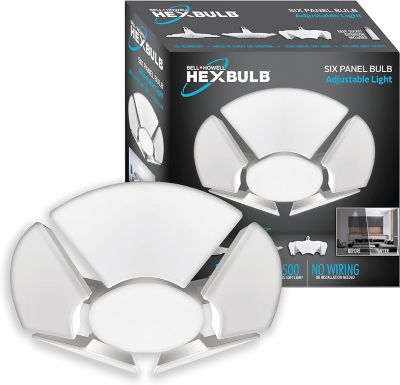
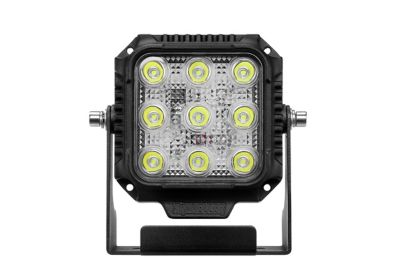
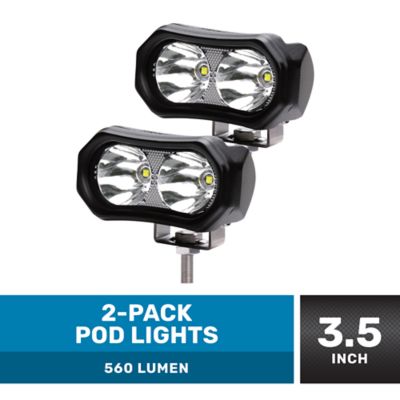
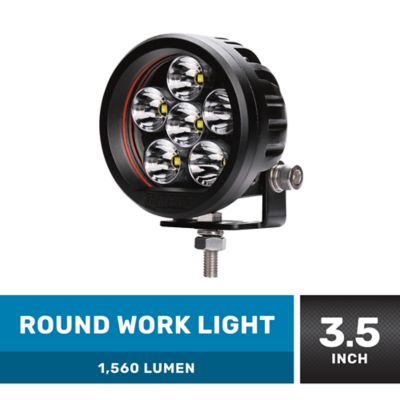
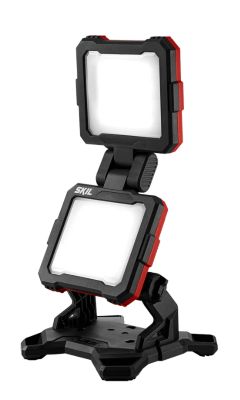
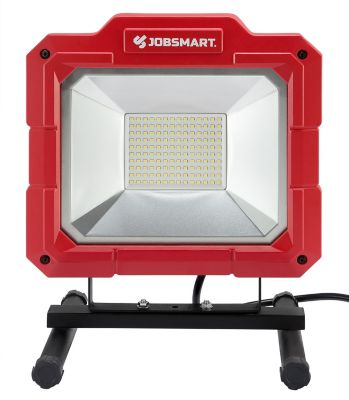
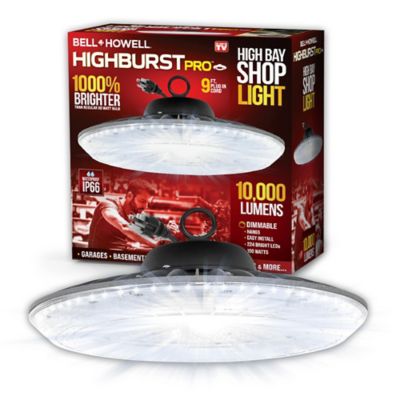
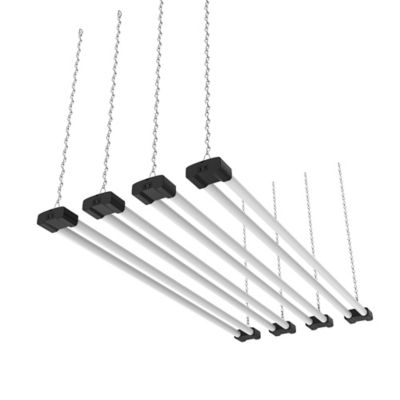
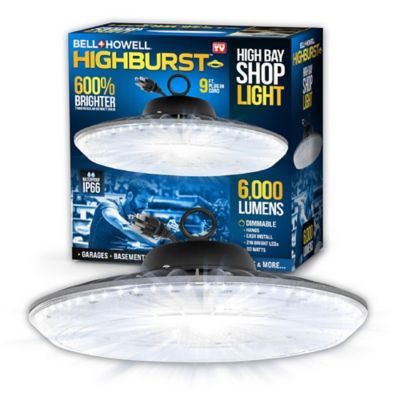
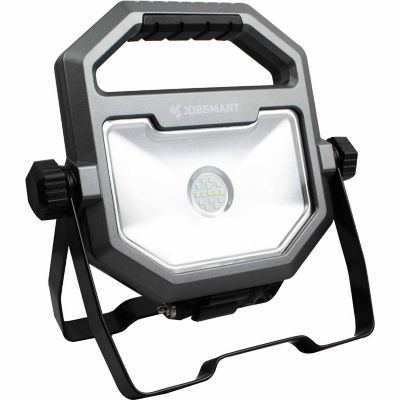
Lighting for workshops helps turn a dim shed, barn, garage, or basement work area into a place where projects are easier to see from start to finish. Good light matters when you are measuring lumber, sorting hardware, checking a weld, repairing equipment, painting, sharpening tools, or handling small parts that can disappear into the shadows. Start by looking at the size of the room and how you plan to work in it. For an active work area, a useful starting point is about 300 lumens per square foot. That means a 10-by-10-foot space may need roughly 30,000 total lumens for broad, even lighting, though the final amount depends on ceiling height, wall color, windows, and the kind of work taking place. A room with dark rafters and wood walls may need more light than a bright, finished space. It also helps to think beyond a single fixture in the center of the ceiling. Several fixtures spread across the room can reduce dark corners and cast fewer shadows across a bench. Overhead lighting can provide the main layer, while task lights near a workbench, vise, drill press, or assembly table help bring extra brightness right where your hands are working. If you often work during the cooler months, when daylight fades early, a well-planned lighting setup can make the shop feel more inviting and save you from moving projects outdoors just to see a fine line or small fastener.
Color temperature is another detail worth checking before choosing workshop lighting. Light around 4000K gives a neutral white appearance that works well for general shop tasks, while light around 5000K has a daylight look that can make details stand out in busy work areas. Both can be useful, so consider the way your eyes respond and the type of work you do most often. A lower color temperature may feel softer in a space where you spend long stretches of time, while a cooler daylight tone can help with close inspection, layout marks, wiring, and finish work. Brightness and color temperature are separate features: a fixture can look cool and white without providing enough light for the room, and a bright fixture may still leave a work surface in shadow if it is mounted in the wrong place. Look for even coverage, a suitable beam spread, and a mounting position that keeps the light from shining straight into your eyes. Ceiling height also matters. Taller ceilings may call for fixtures with stronger output or a layout that brings light closer to the work surface. Plug-in fixtures can be a practical choice when you want a simple installation, while hardwired ceiling lighting may suit a shop with an established electrical layout. Linkable lights can help you connect several fixtures so one wall outlet serves a larger run, which is handy in long workspaces, barns, and garages where one ceiling box does not reach every corner. Before installation, check outlet capacity, cord routing, switch placement, and local electrical requirements. Keep cords away from walkways, moving belts, sharp edges, heat sources, and areas where water or fuel may be present. When wiring is involved, follow the fixture instructions and seek a licensed electrician when the job goes beyond your experience.
Workshop lighting can serve everyone from a weekend woodworker to a farmer maintaining equipment, a mechanic working on a truck, a crafter setting up a sewing table, or a small business owner preparing orders in a back room. The right setup can also make a thoughtful gift for someone who spends evenings in a garage, restores farm tools, builds furniture, repairs small engines, or enjoys keeping a well-organized workbench. Think about the recipient’s space before choosing: a compact shop may benefit from a slim fixture or focused task light, while a larger pole barn may call for multiple overhead units with broad coverage. A renter or anyone making temporary improvements may lean toward plug-in lighting, while a property owner planning a long-term shop layout may prefer a permanent ceiling installation. During early fall and the cooler season that follows, dependable illumination becomes especially useful as daylight hours shorten and muddy or wet conditions make outdoor work less convenient. Clear light can help you spot worn parts, read markings, find dropped hardware, and keep your hands positioned safely around tools. It can also brighten storage areas, making it easier to identify feed-room supplies, fencing parts, fasteners, or seasonal equipment without digging through boxes in the dark. When comparing options, review the lumen output, color temperature, fixture length, mounting method, cord or wiring requirements, switch style, and whether multiple units can be linked. Check that the fixture is suited to the location, especially in a dusty barn, unheated shed, or space exposed to moisture. Leave room for future changes as well; a workbench may move, a new machine may block an existing light, or a growing project may call for better coverage along one wall. For broader jobsite and trade lighting needs, take a look at
Lighting for Contractors. With a little planning, workshop lighting can provide a clearer view, fewer shadows, and a more comfortable place to get things done whenever the work calls.