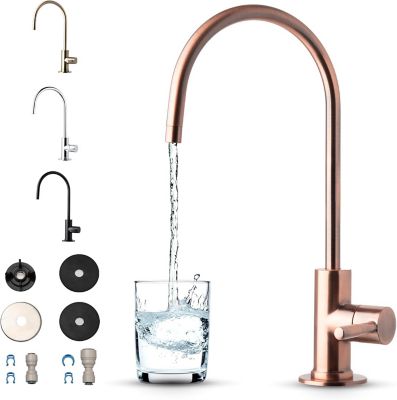
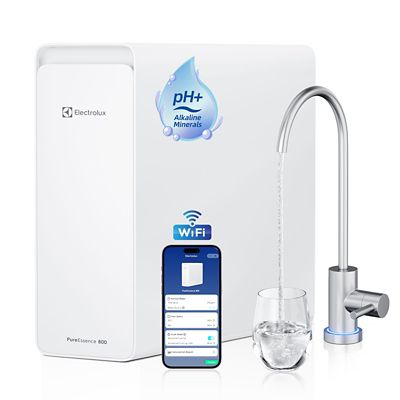
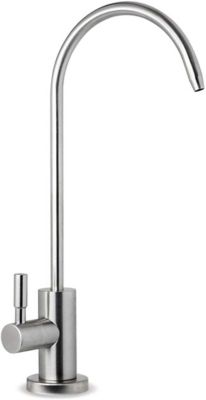
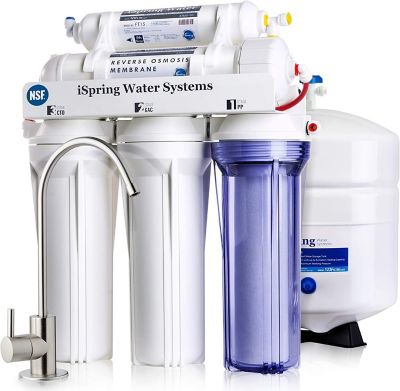
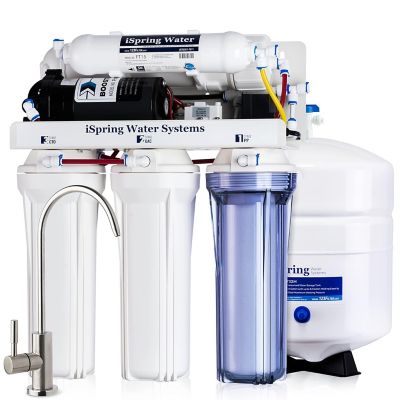
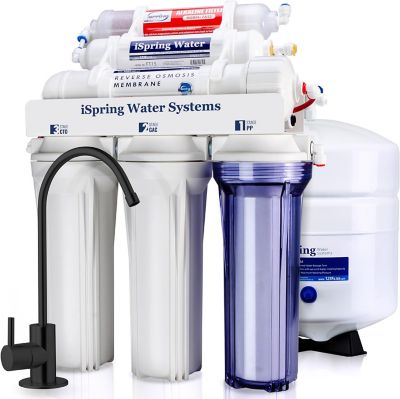
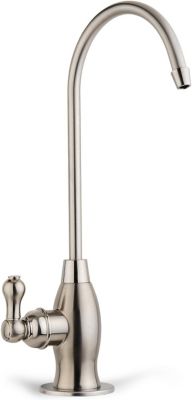
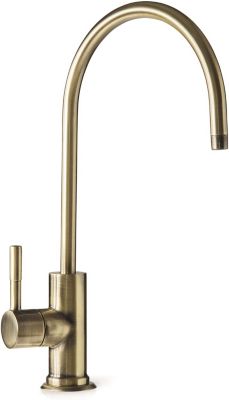
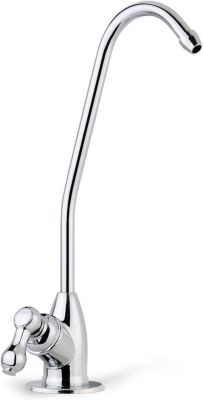
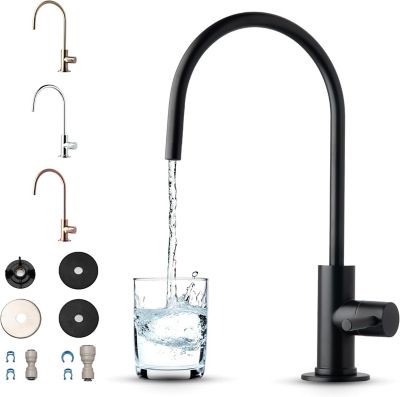
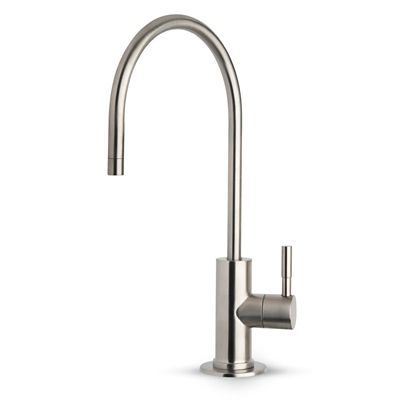
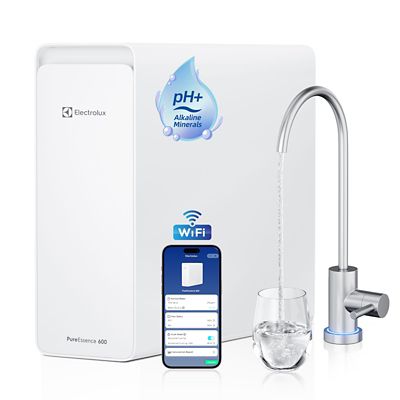
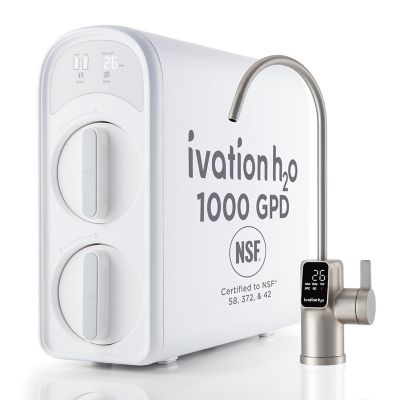
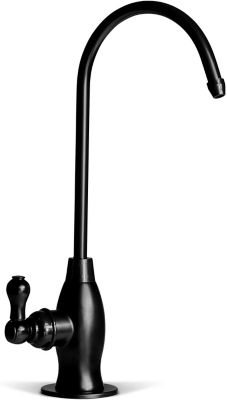
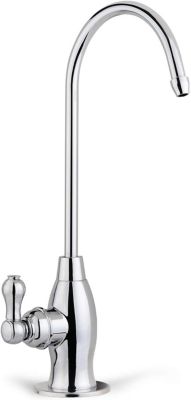
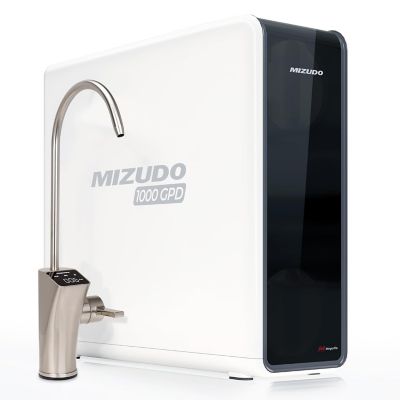
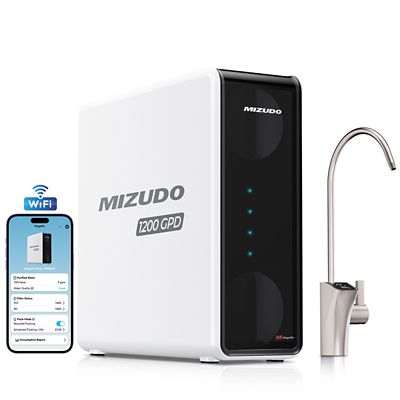
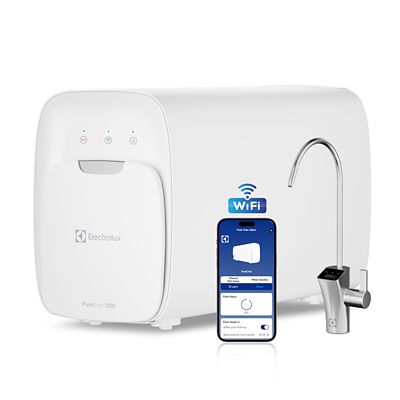
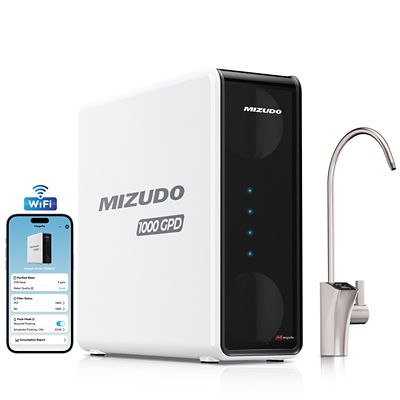
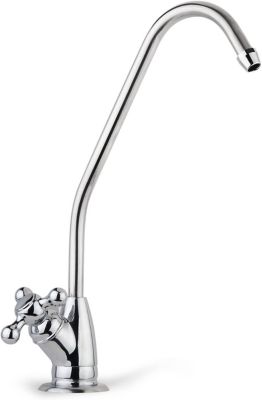
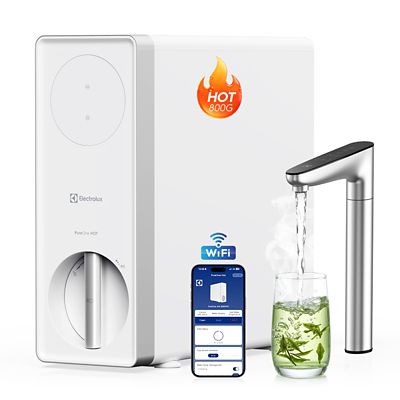
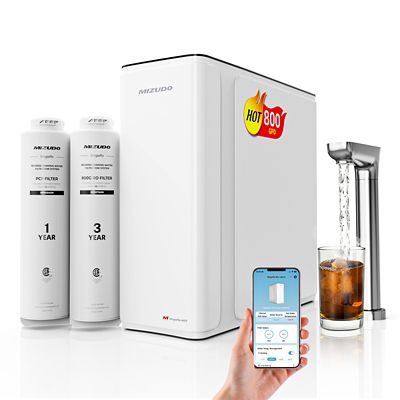
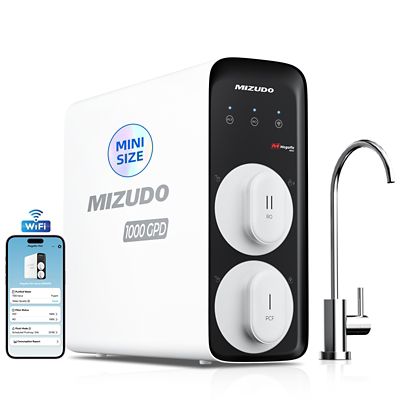
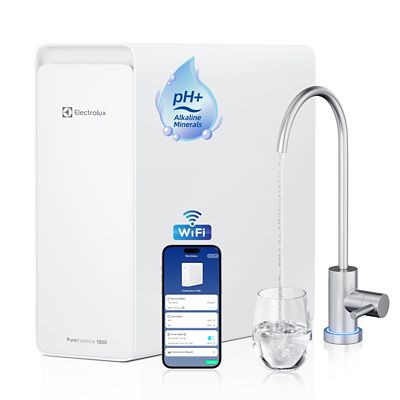
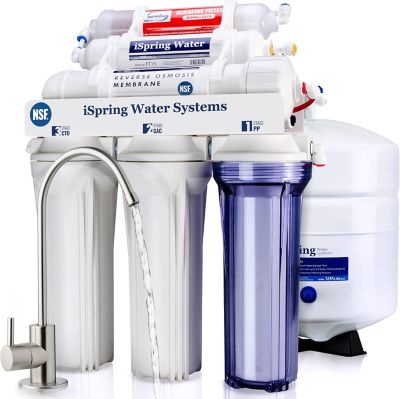
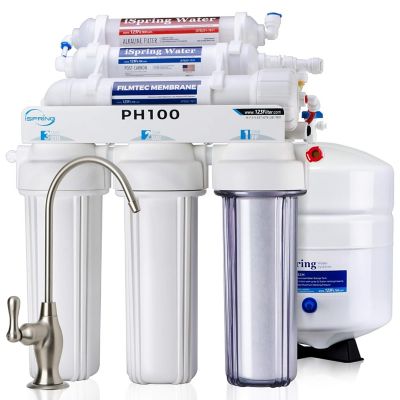
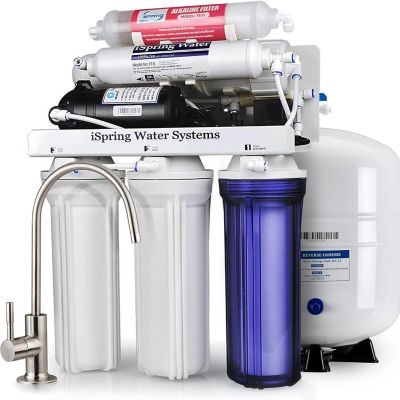
If you’re looking to add a reverse osmosis system faucet to your kitchen setup, there’s a good chance you’re after the cleanest, best-tasting water for your family, livestock, or even your favorite four-legged friends. Folks out in the country know that well water and even some city water can carry all sorts of unwanted extras—minerals, chemicals, and sometimes that unmistakable earthy taste. That’s where a dedicated RO faucet comes in handy. These special taps are built to deliver purified water straight from your reverse osmosis system, right alongside your regular sink faucet. Unlike standard fixtures, RO faucets use food-grade internal parts and non-corrosive materials that can handle the unique qualities of RO-filtered water, which can be a bit rough on regular metals. Whether you’re setting up a new water filter in your farmhouse kitchen or upgrading the old setup in your RV or cabin, having a separate RO faucet means your drinking and cooking water is always filtered, fresh, and easy to access.
When it comes to picking the right reverse osmosis system faucet, there are a couple of things to keep in mind, especially if you want a setup that’ll last through the busy summer harvest or into the cooler months when you’re canning, cooking, or just filling up water bottles for the day. The main choice boils down to air gap versus non-air gap faucets. Air gap faucets are designed to help prevent any backflow of wastewater into your clean water line—a feature that’s often required by local plumbing codes, especially in areas where folks rely on well water or older plumbing. These models have a little vent hole and usually need three tubes to hook up: one for the purified water, one for the wastewater, and one that runs to the drain. Non-air gap faucets, on the other hand, are a bit simpler, with just a single tube from your RO tank to the faucet. They’re easier to install and swap out, making them a solid pick if you’re handy and want a quick upgrade. No matter which style you go with, you’ll want to check the size of the hole in your sink or countertop—most RO faucets need a hole just over an inch wide, which is often the same as a soap dispenser or sprayer hole. Installation is usually straightforward, but it’s always smart to double-check your connections and make sure everything’s snug, especially if you’re working under the sink in tight quarters.
Reverse osmosis system faucets make a thoughtful gift for anyone who’s serious about their water quality—think new homeowners, folks with livestock or pets, or anyone who spends a lot of time in the kitchen. They’re especially handy during the warmer months when you’re drinking more water or making big batches of sun tea, but they’re just as useful later in the year for soup, baking, or keeping your coffee tasting just right. If you’re interested in tackling more specific water concerns, like removing fluoride, you can find more information and options at
Reverse Osmosis Systems For Fluoride Removal. Whether you’re outfitting a busy farmhouse, a hunting cabin, or just want to make sure your family always has the best-tasting water around, a dedicated RO faucet is a small upgrade that makes a big difference, season after season.