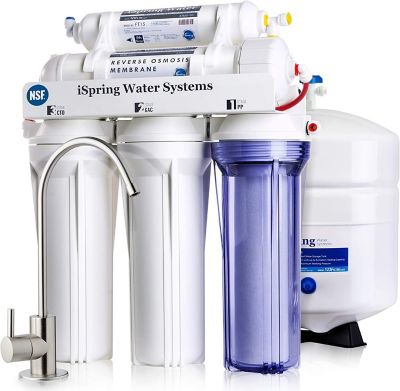
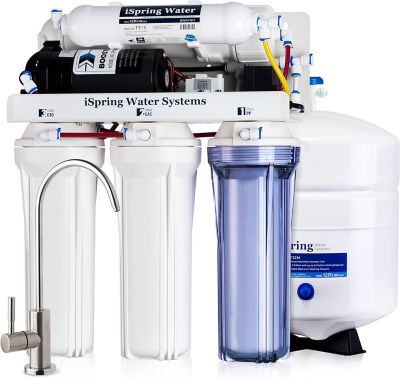
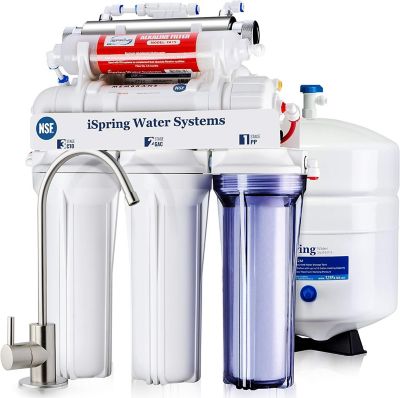
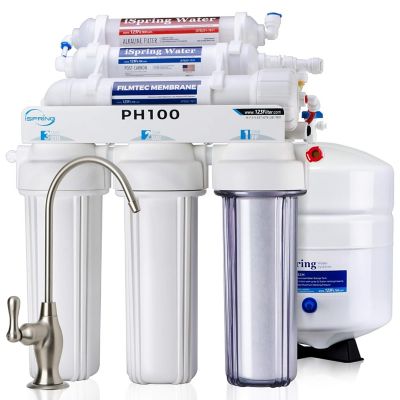
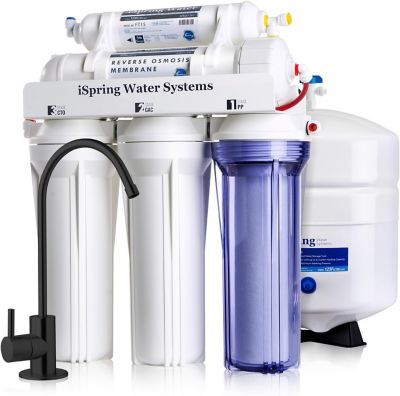
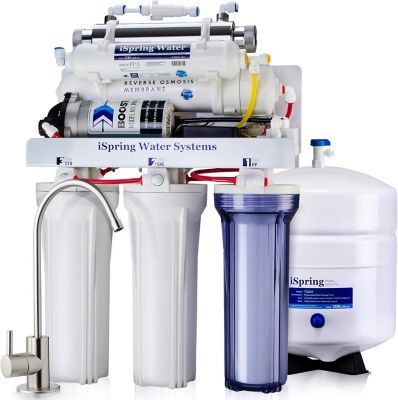
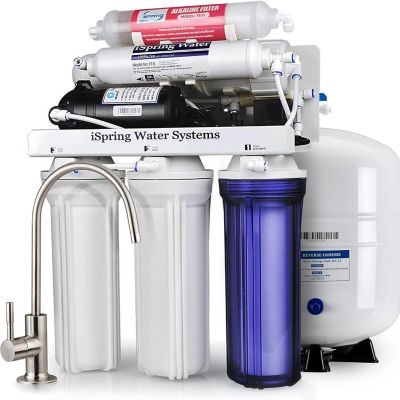
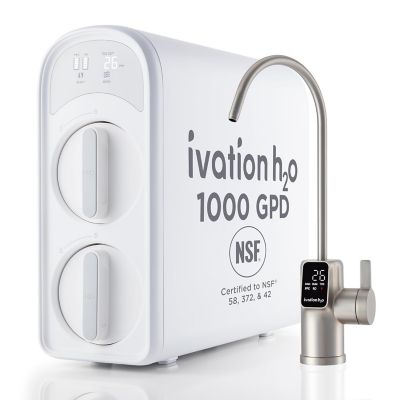
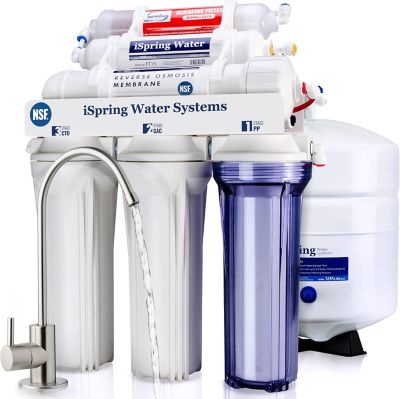
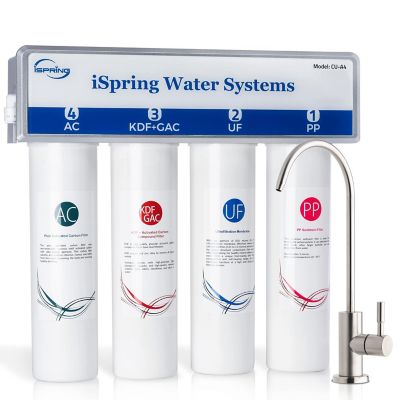
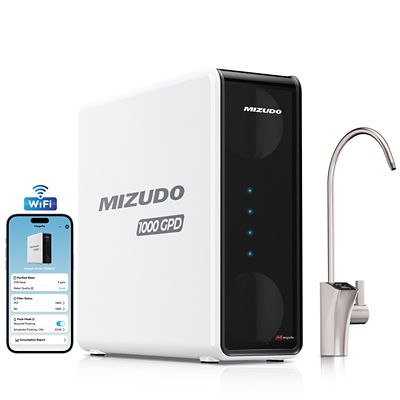
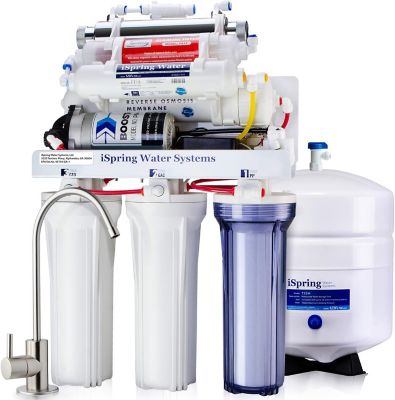
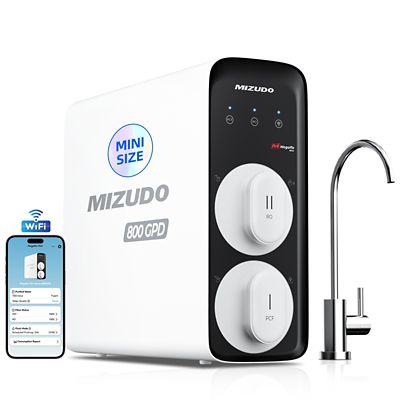
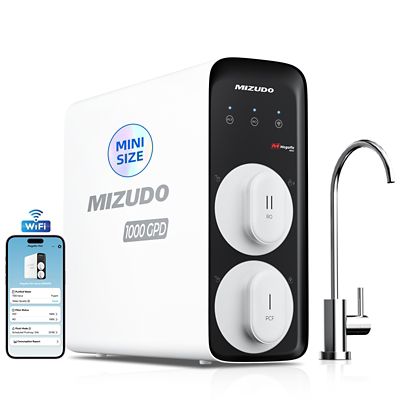
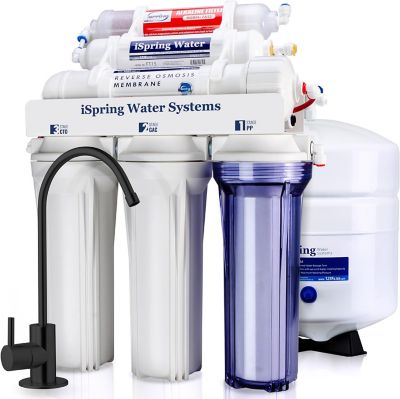
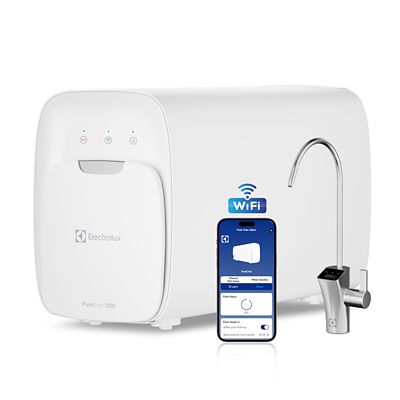
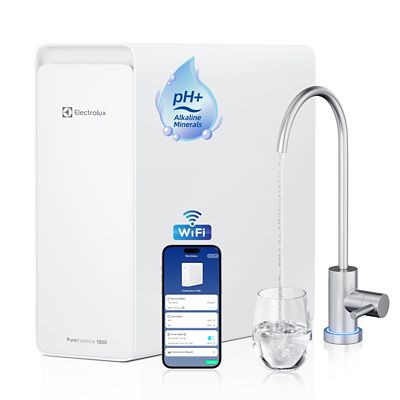
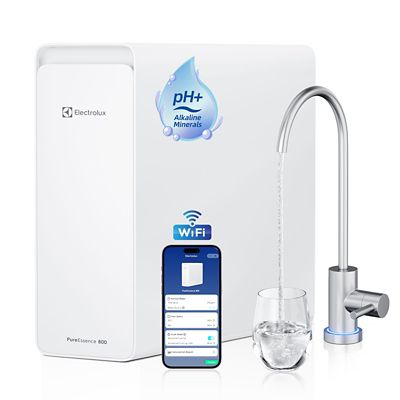
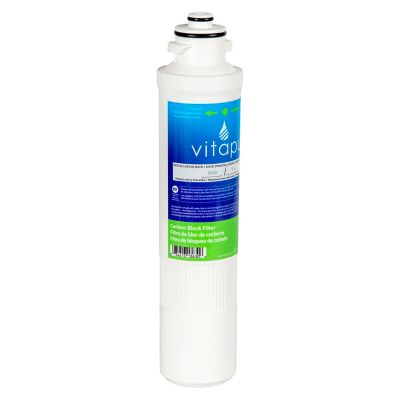
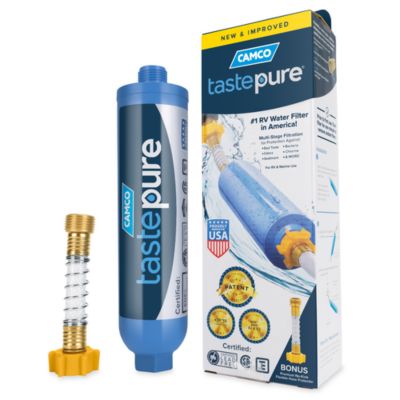
Under sink drinking water filters offer a practical way to improve the water that comes from the kitchen faucet without taking up counter space. These systems sit inside the cabinet and connect to the cold-water line, sending filtered water to a dedicated drinking faucet or, with the right setup, to the existing tap. For many households, the change is simple but noticeable: water for coffee tastes cleaner, ice carries less of a chlorine flavor, and filling a glass at the sink becomes an easier everyday habit. A family with city water may be looking to reduce an unwanted taste or odor, while a household on well water may want filtration suited to minerals, sediment, or other concerns found in its water report. The best starting point is to learn what is in your supply. City water reports are often available through the local utility, and private well owners can arrange testing through a certified laboratory or local health department. Once you know which concerns matter, compare filter systems by the contaminants they are certified to reduce rather than relying on broad claims. Carbon filtration is commonly selected for chlorine, taste, and odor, while some multi-stage systems are certified for substances such as lead, certain chemicals, or other contaminants. Reverse osmosis systems add a semipermeable membrane that can reduce total dissolved solids and may address additional contaminants, depending on the system and its certification. Some models add minerals back into the water to help balance taste. Since no single filter handles every water concern, certification details, testing standards, and the replacement schedule deserve a close look before purchase.
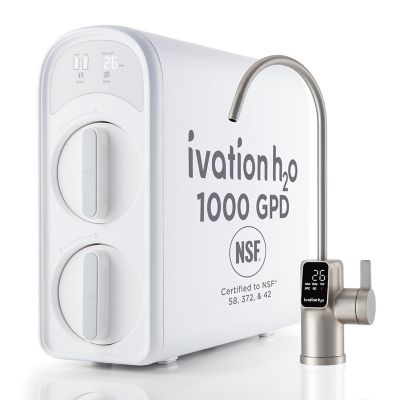
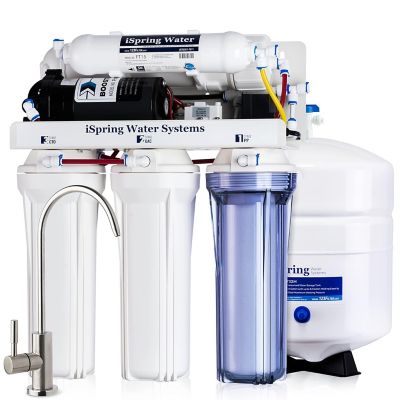
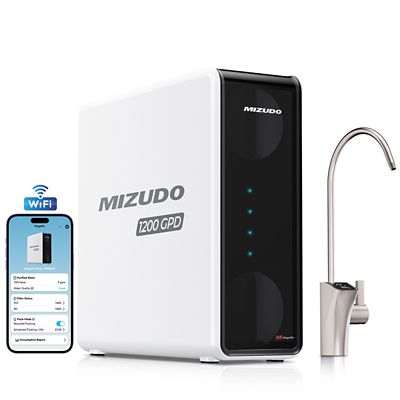
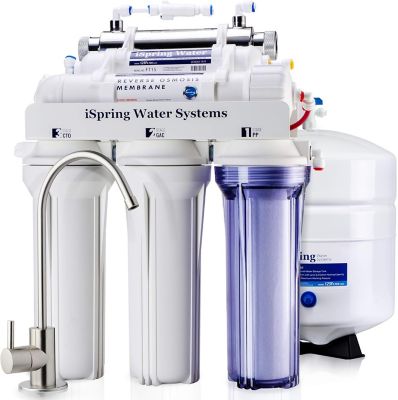
Cabinet space and plumbing connections are important parts of the decision. Measure the area beneath the sink, allowing room for the filter housing, storage tank if included, tubing, shut-off valves, and access for replacing cartridges. Many systems connect to a cold-water shut-off valve through 1/4-inch or 3/8-inch tubing, but fittings and adapters can vary, so check the product requirements against the plumbing already in place. A dedicated filtered-water faucet keeps drinking water separate from the regular hot and cold supply and may require an extra opening in the sink or countertop. Some kitchens already have an unused opening, while others may need a compatible faucet installation. A tankless reverse osmosis unit can save cabinet room, whereas a tank-style system may need more space but can keep filtered water ready for filling a glass or pitcher. Flow rate matters, especially in a busy kitchen where several people fill bottles before heading to work, school, or chores. Capacity matters too: a small cartridge can suit a one- or two-person household, while a larger-capacity option may better fit a family that cooks, drinks, and fills containers at the sink throughout the day. Replacement filters are part of the long-term cost and upkeep. Follow the manufacturer’s schedule, and replace cartridges sooner if water flow slows, taste changes, or the filter reaches its rated capacity. Marking the replacement date inside the cabinet can help keep maintenance from getting lost among everything else stored under the sink. During the cooler months, when the kitchen becomes a natural gathering spot for warm drinks and family meals, having filtered water close at hand can make daily routines feel a little easier. Keep the cabinet area dry, check connections after installation, and watch for drips during the first several uses.
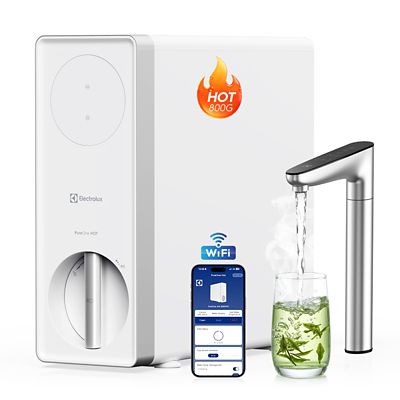
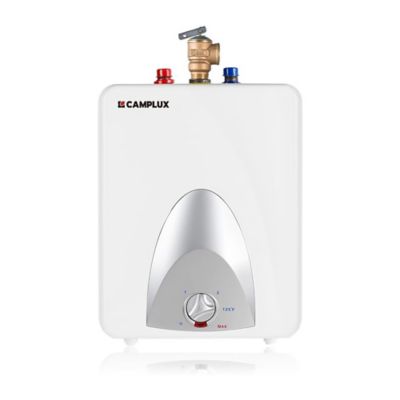
These systems can fit a wide range of households, from renters or homeowners looking for a cleaner-tasting glass of water to rural families managing well water at the kitchen sink. They can also make a thoughtful housewarming present for someone settling into a new place, especially when the gift is matched to the home’s water source and available cabinet space. A filter may be useful for a household that fills reusable bottles for the barn, workshop, school run, or long drives, since the drinking faucet keeps those bottles within easy reach. It can also help coffee and tea drinkers who notice that water taste affects the finished cup. When choosing among under sink drinking water filters, compare the filter type, certified contaminant reductions, replacement interval, water production rate, tank size, faucet style, installation requirements, and warranty terms. Consider whether you want straightforward carbon filtration or the broader reduction offered by reverse osmosis, and remember that reverse osmosis commonly sends some water down the drain during operation. If the kitchen needs hot water close to the sink as well as filtered drinking water, explore
Under Sink Water Heaters separately, since a water filter and a water heater serve different purposes. Read the installation instructions before starting, turn off the cold-water supply, and make sure every connection is secure. Homes with older plumbing, limited cabinet access, or uncertain water pressure may benefit from help from a licensed plumber. With the right match for the water source and household routine, an under-sink filter can become one of those quiet kitchen improvements you notice each time you pour a fresh glass.