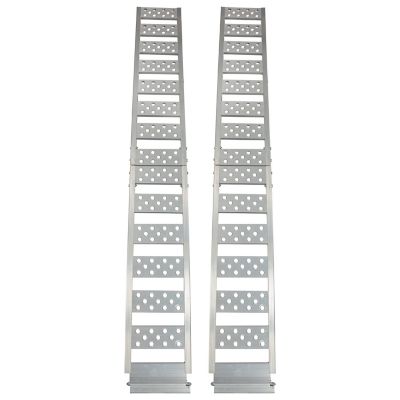
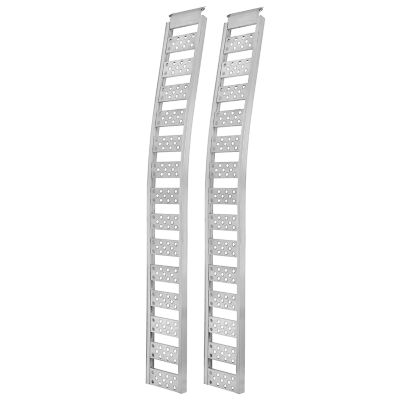
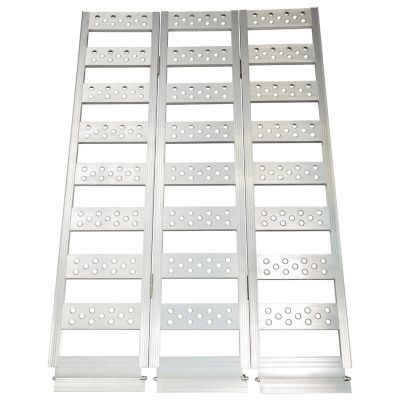
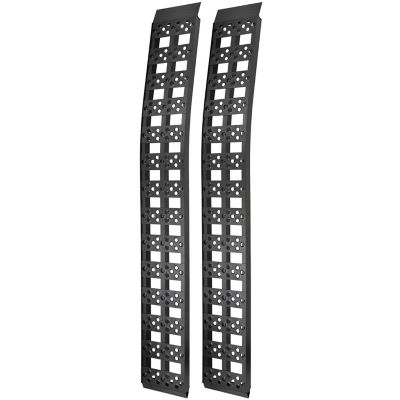
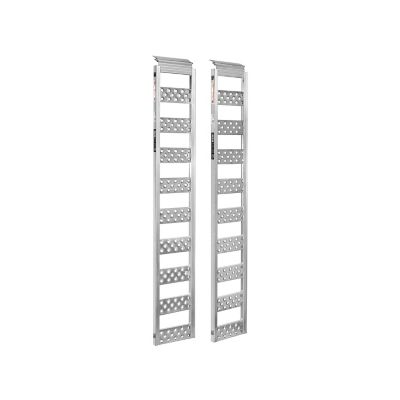
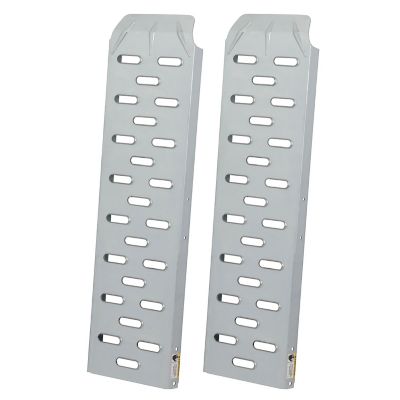
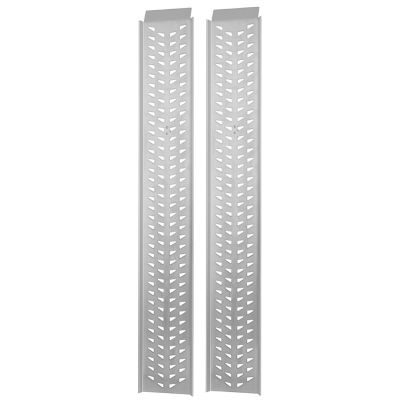
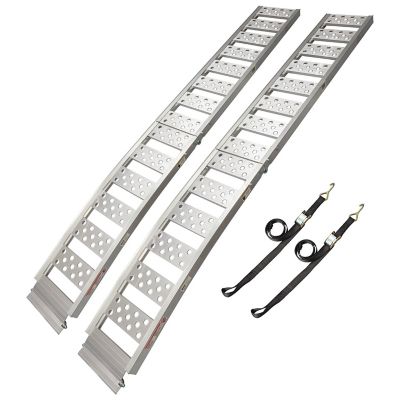
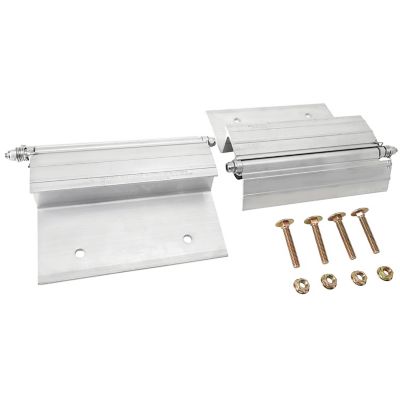
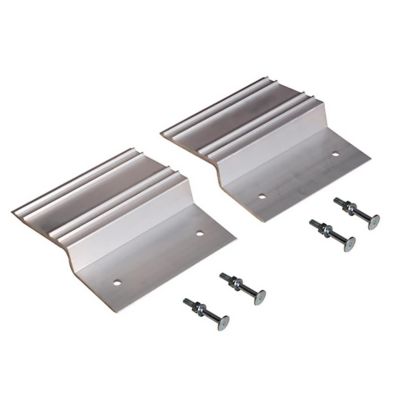
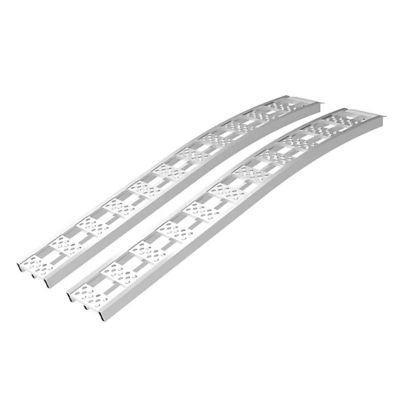
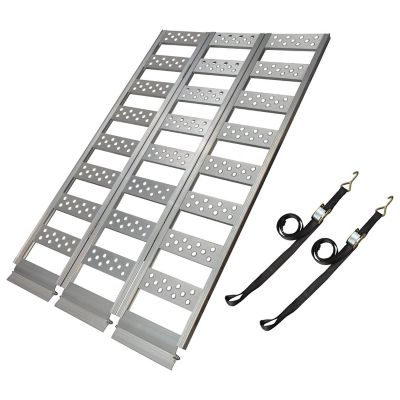
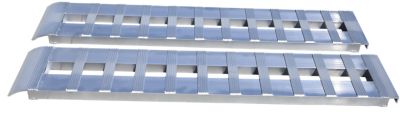
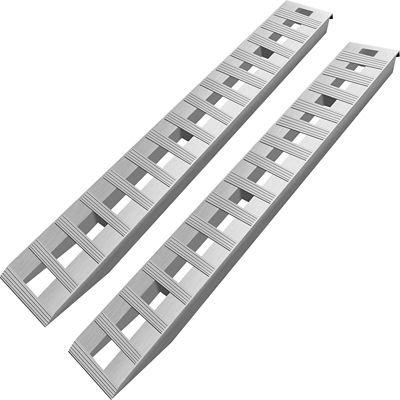
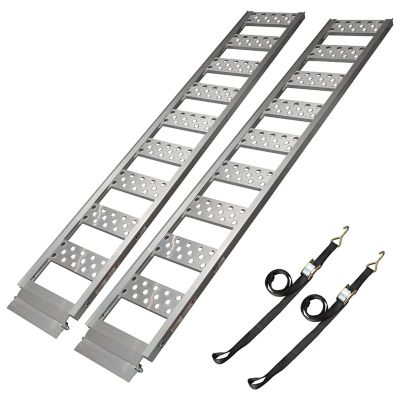
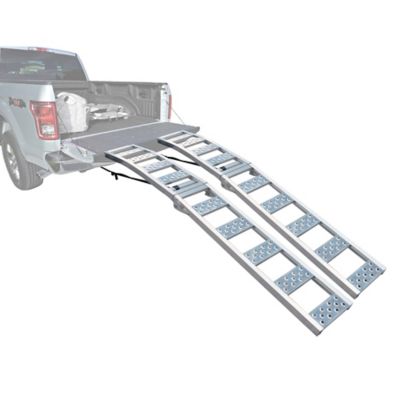
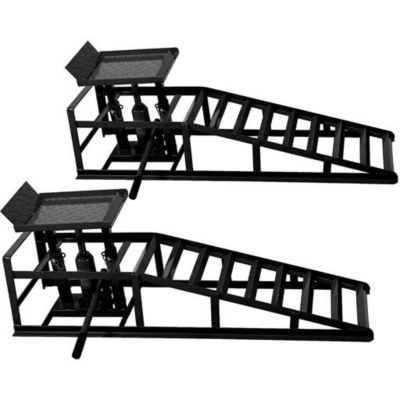
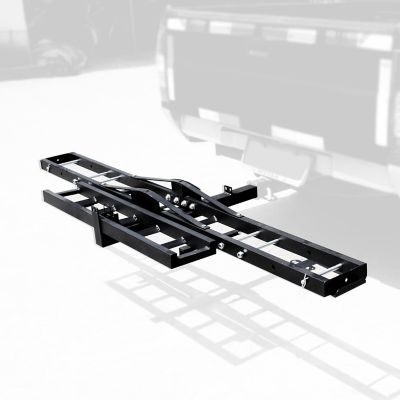
Truck loading ramps help bridge the gap between the ground and a pickup bed when there’s equipment to haul across the farm, over to a jobsite or out to a riding area. A mower headed for service, an ATV bound for the trail and a wheeled piece of equipment moving between properties can each call for a different ramp setup. The right match starts with the load, the truck and the way the equipment is meant to travel up the incline. Across all
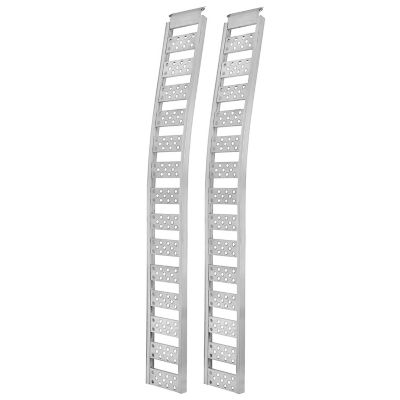
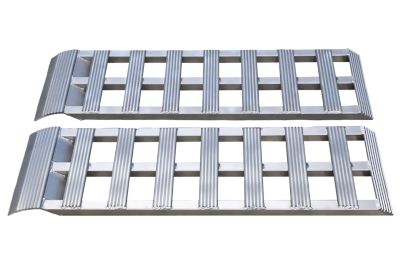
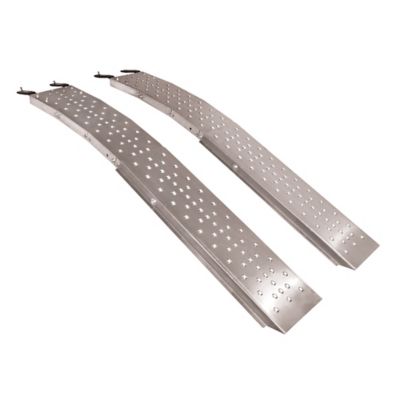
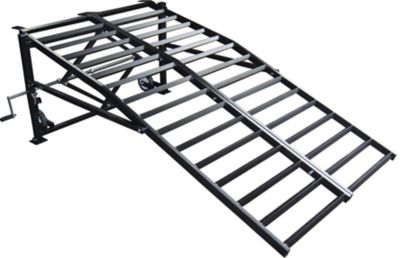
loading ramps, length, width and rated capacity matter just as much as the overall shape. Longer ramps generally create a gentler approach at a given loading height, while shorter ramps take up less storage space but create a steeper climb. That difference can be especially important for equipment with low ground clearance, a long wheelbase or attachments that hang close to the ground. Arched designs can provide more clearance at the transition into the bed, though the equipment’s dimensions still determine whether it will clear. Paired ramps need spacing that matches the equipment’s wheel track, with enough usable width to support the tires throughout the move. A wider loading surface serves a different purpose, particularly where wheel placement does not line up with two narrow tracks. Raised edges may help with alignment, but they do not replace careful positioning or make every tire size suitable. Truck fit deserves the same attention as equipment fit: bed height, tailgate construction, attachment points and the ramp’s upper connection all affect compatibility. A ramp that fits neatly behind the seat may be convenient to carry, but its open dimensions are what count when a mower deck approaches the tailgate. For folks moving equipment regularly, a good fit means less wrestling with awkward angles and a setup suited to the same truck and load trip after trip. Measurements taken from the actual hauling setup are more useful than choosing by truck style or equipment category alone.
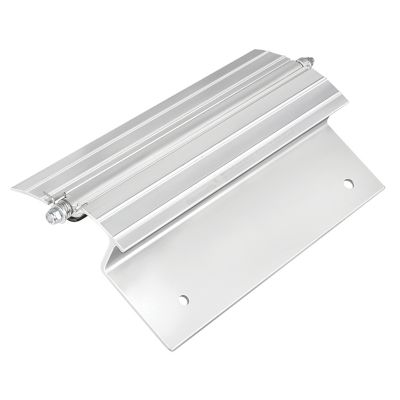
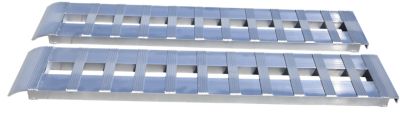
Material and construction shape how truck loading ramps feel in the hand and how they stand up to repeated loading. Aluminum generally offers less carrying weight than a comparable steel design, which can matter when one person handles the ramps before and after every trip. Steel can bring more weight to lift and store, with protective finishes helping shield the metal from corrosion. Neither material tells the whole story by itself; rail dimensions, crossmembers, welds, hinges and the manufacturer’s rating all contribute to the ramp’s intended job. Load capacity needs a close look because a rating may apply to one ramp, a matched pair or a complete loading system. The total load includes the equipment and anything it carries, including attachments, fuel and accessories, plus an operator only when the equipment and ramp manufacturers permit occupied loading. Uneven weight distribution also matters, since a heavy engine or attachment can place more weight on one side or axle. A stout appearance is no substitute for a clearly stated rating. The loading surface has its own role, whether it features spaced rungs, punched openings or a textured deck. Those details affect tire contact, footing and how easily loose dirt or grass clippings clear the surface. Small wheels need support that suits their diameter, while larger tires still need enough contact to maintain traction. No tread pattern makes every surface or loading angle suitable. At the truck end, connection styles vary, and compatibility with the tailgate or bed edge is essential. Retention straps, pins or other specified hardware help keep the ramp positioned when attached as directed; they are not substitutes for the proper connection. Firm, level ground and adequate tailgate capacity remain part of the setup, even with ramps rated well above the equipment’s weight. The whole arrangement needs to work together, from the ground contact to the truck structure, rather than depending on a single capacity number.
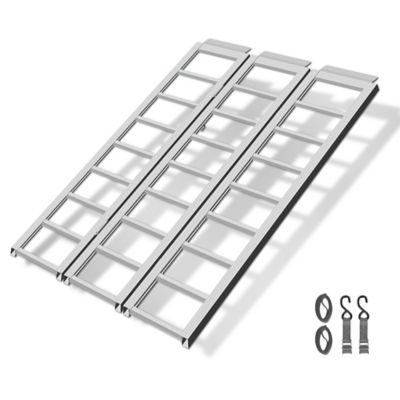
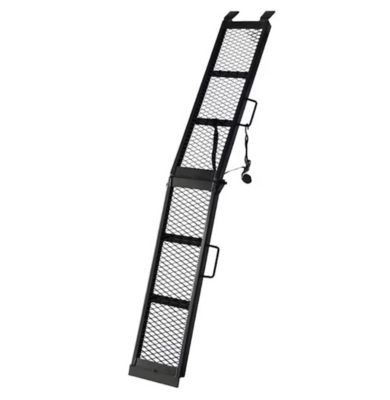
Storage and everyday handling can make a real difference once truck loading ramps become part of the regular hauling routine. Folding designs reduce stored length, which can leave more room in a shed, garage or truck bed for the rest of the gear. Their folded dimensions, hinge locations and carrying weight matter when storage space is tight or the ramps travel with every load. Straight designs avoid folding joints but need a longer place to ride or rest between jobs. Either way, ramps need restraint during transport so they cannot slide around beside the equipment. For a property owner hauling a mower to another pasture entrance, that may mean planning bed space around both the machine and its loading equipment. For a contractor moving between jobs, easy access to the ramps can be as useful as compact storage, especially when other tools fill the bed. Care is mostly about keeping working surfaces and connections ready for the next trip. Dirt, oil and packed grass can interfere with traction or hide damage, while buildup around hinges and attachment points can make inspection harder. Cleaning methods should suit the material and finish, with attention to drying before storage and any manufacturer-specified maintenance for moving parts. Bent rails, cracked welds, damaged rungs, loose fasteners or worn attachment hardware deserve attention before another load goes across. A ramp that has taken a hard impact needs more than a quick glance, even if it still folds or sits flat. Protective finishes also benefit from attention where scrapes expose steel. Beyond storage and care, intended use remains the deciding factor: a ramp meant for wheeled equipment is not automatically suitable for livestock, pedestrian access or every machine that fits between its edges. Truck loading ramps earn their place alongside the rest of the hauling gear when their dimensions, capacity, connection and handling characteristics match the work, whether that work happens around the barn, along a fence line or miles down the road.