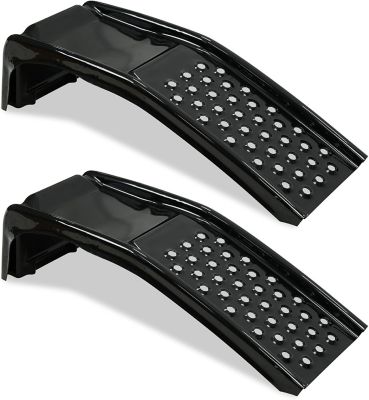
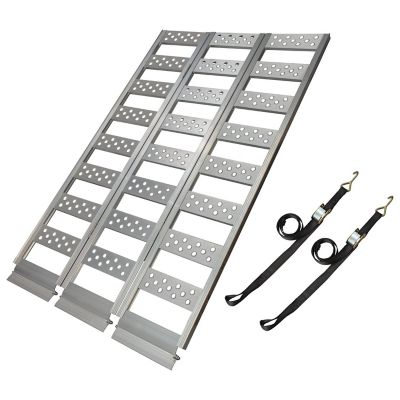
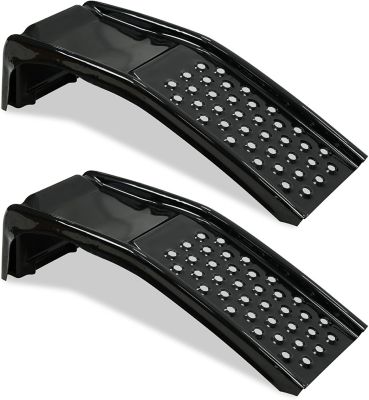
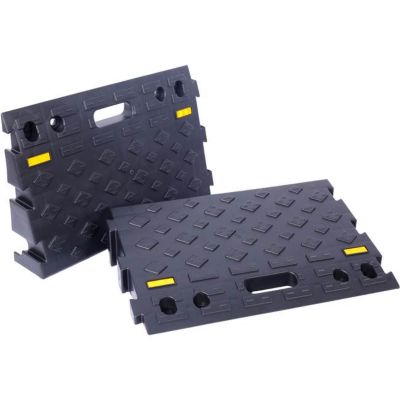
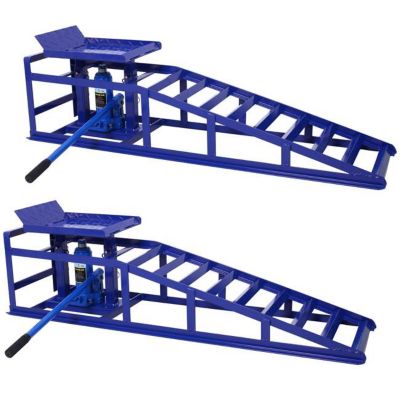
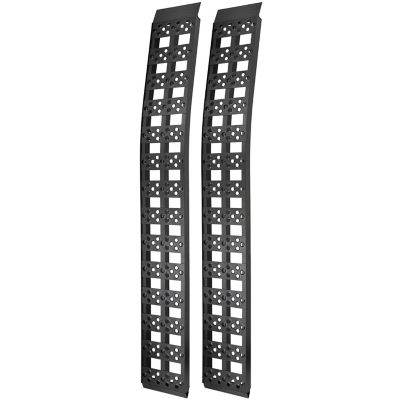
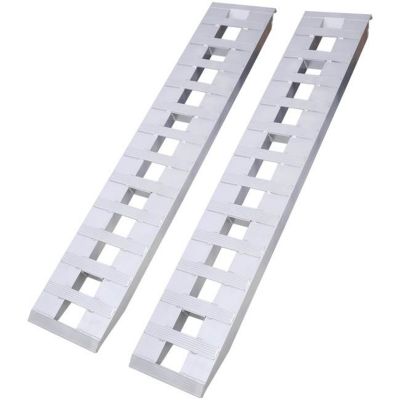
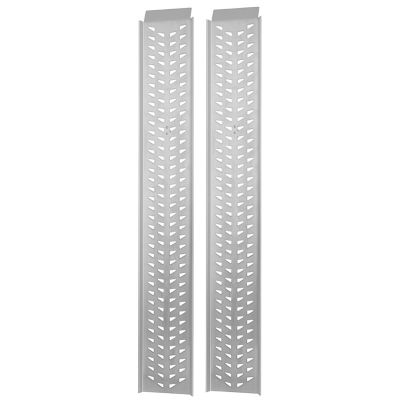
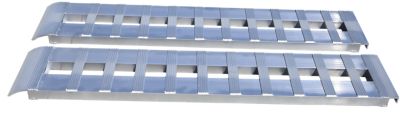
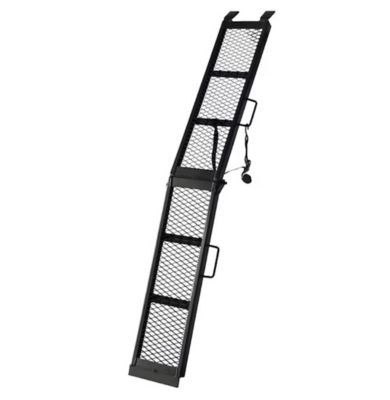
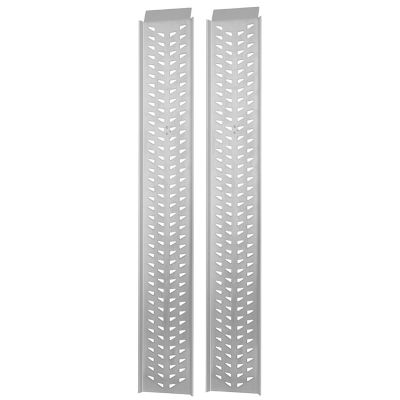
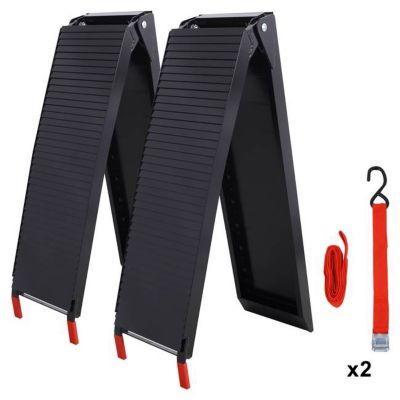
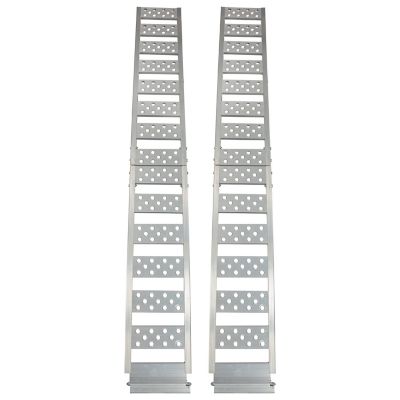
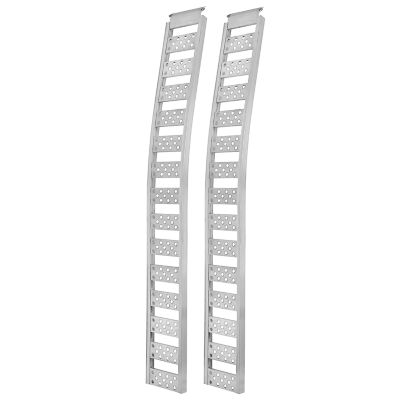
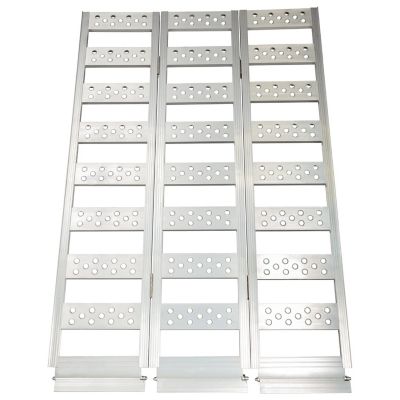
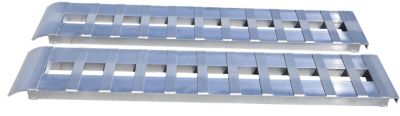
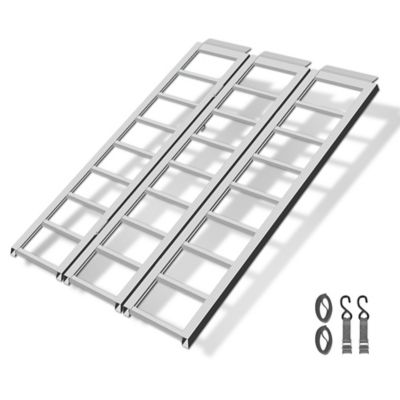
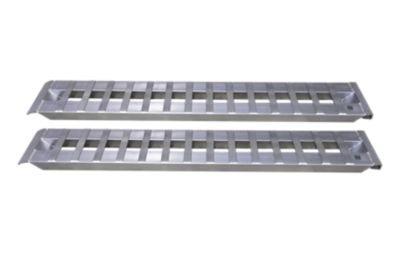
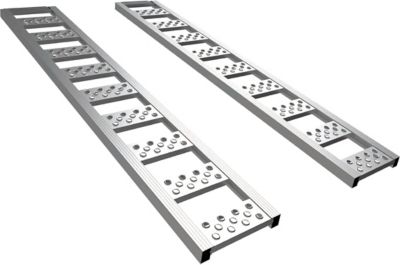
Portable car ramps are a handy addition to a home garage, barn shop, driveway, or roadside tool kit. They give you a little extra working room beneath a vehicle without requiring a permanent lift, making routine jobs more manageable when you need to reach the oil pan, drain plug, exhaust, underbody panels, or other components underneath. A solid pair can also help with seasonal maintenance, inspection work, washing hard-to-reach areas, or positioning a vehicle for storage. Many folks keep ramps close by because they are easier to carry and put away than larger shop equipment. When the weather warms, they can be useful for getting a vehicle ready for long drives, towing, or work around the property; during the cooler months, they can help with last-minute upkeep before rough roads, muddy lanes, or winter weather set in. Portable car ramps may also make a practical gift for a do-it-yourselfer, farmhand, apprentice mechanic, or anyone who enjoys keeping an older truck, car, utility vehicle, or trailer in good working order. They fit right in with a toolbox, creeper, work gloves, and a well-used set of hand tools, especially for someone who prefers handling small repairs at home rather than hauling a vehicle to a shop for every task.
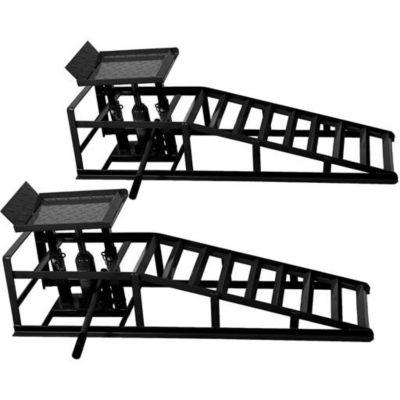
Before choosing a set, start with the vehicle and the job in mind. Check the combined weight rating and make sure it comfortably exceeds the weight of the vehicle, not just the engine or axle. The rating should account for the way the vehicle will sit on the ramps, and it is wise to leave a healthy margin instead of selecting a capacity that is just barely enough. Ramp width matters, too. The tire should sit fully and naturally on the driving surface, with enough room to line up without balancing close to an edge. Pay attention to the ramp height and approach angle if you work on a low car, as a steep rise can make loading difficult or cause the front bumper, air dam, or other low parts to contact the ramp. A longer approach may be more forgiving for low-clearance vehicles, while a shorter, taller ramp can be useful when additional underbody room is the priority. Construction is another important consideration. Steel ramps are often chosen for their sturdy feel and long-term shop use, while lighter materials may be easier to move between the garage and driveway. Look for a stable base, a useful tread pattern, and a surface that helps tires maintain traction. Some designs include a stop or raised edge to help keep the vehicle positioned, but that feature does not replace careful alignment or safe operating habits. If you are comparing portable ramps with larger equipment,
Car Lift Ramps may offer another option for jobs that call for additional elevation or a different style of vehicle support.
Safe setup is just as important as the ramp’s listed capacity. Use portable car ramps on a firm, level surface such as sound concrete or solid pavement, and avoid soft soil, loose gravel, wet grass, steep slopes, or uneven ground where a ramp could shift or sink. Inspect the ramps before each use for bent sections, cracks, damaged welds, loose hardware, worn traction surfaces, or anything else that could affect stability. Line both ramps up straight and at the same distance apart so the tires climb evenly. Drive slowly, keep the wheels centered, and stop fully against the intended end stop. Once the vehicle is in place, set the parking brake, place the transmission in park or in gear as appropriate, and use wheel chocks on the wheels that remain on the ground. Never rely on a ramp alone if you will be working beneath a vehicle; follow the vehicle manufacturer’s service instructions and add properly rated jack stands or other approved supports whenever the job requires them. Keep children, pets, and bystanders clear of the work area, and do not exceed the ramp’s capacity or use ramps for a purpose they were not designed to handle. When the work is finished, lower the vehicle carefully, then store the ramps somewhere dry and easy to reach. A clean, organized spot in the barn, shed, or garage helps prevent damage and keeps this useful piece of equipment ready for the next repair, inspection, or weekend project.