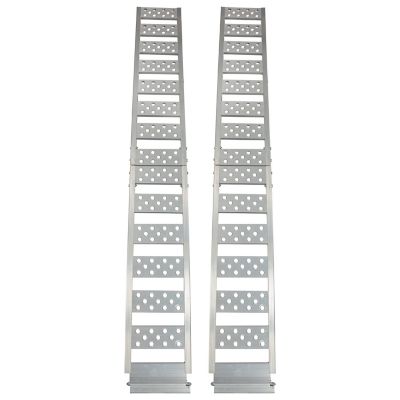
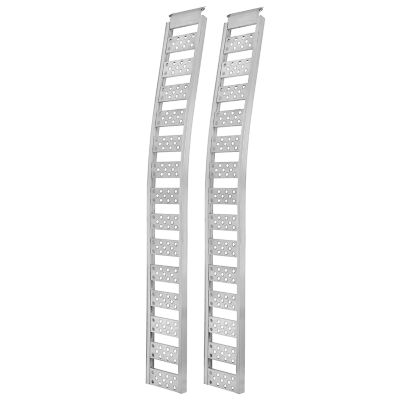
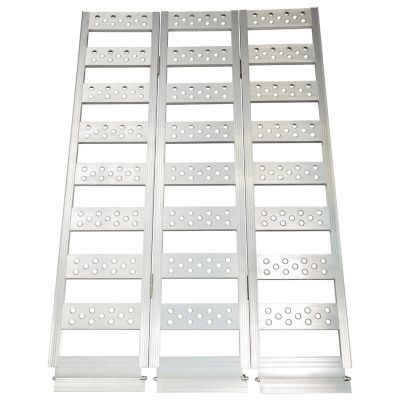
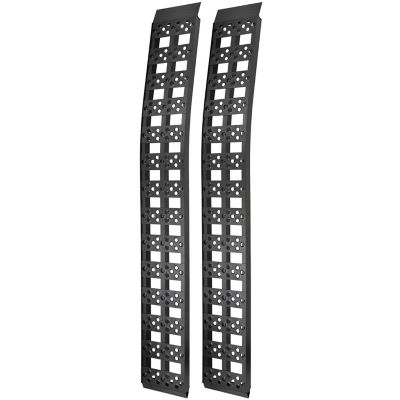
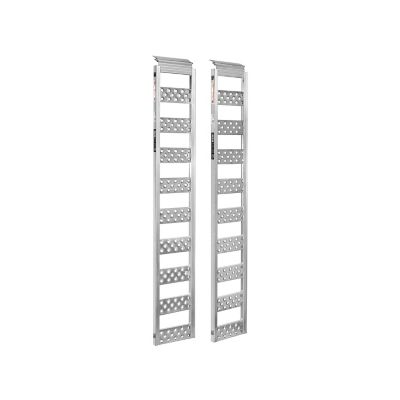
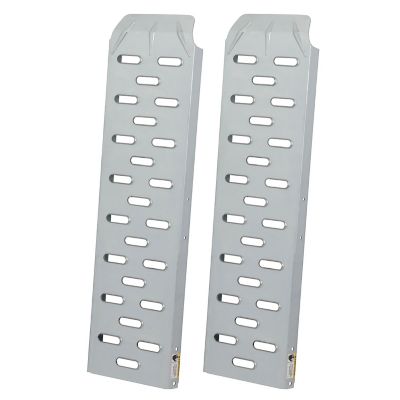
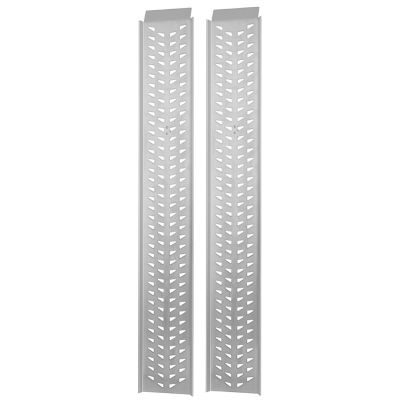
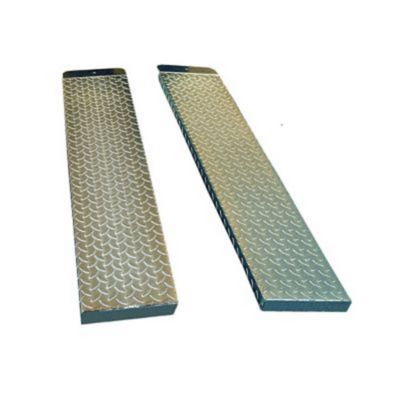
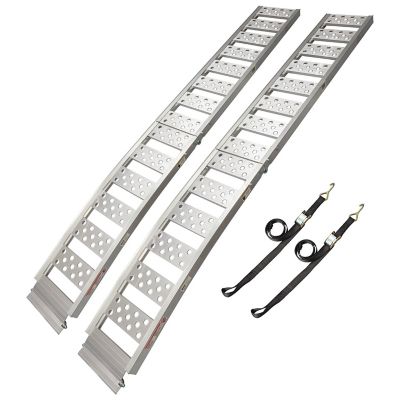
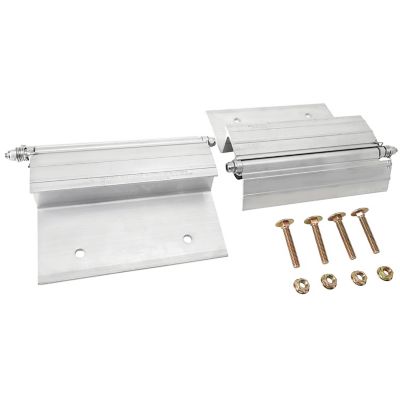
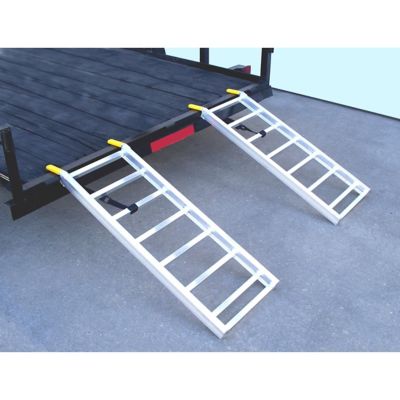
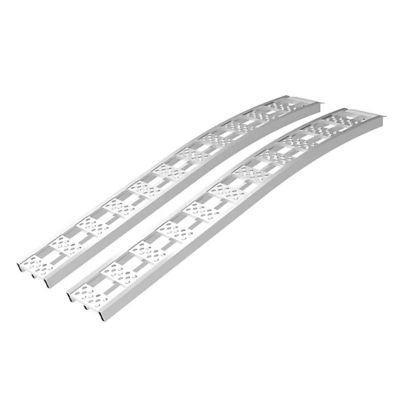
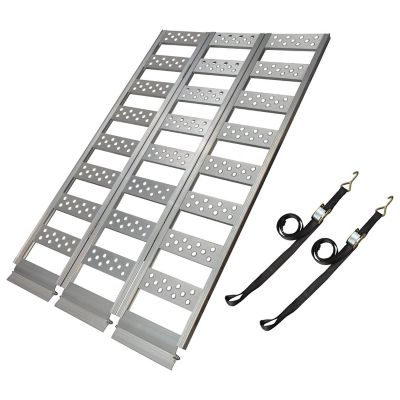
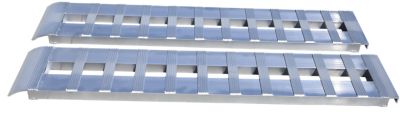
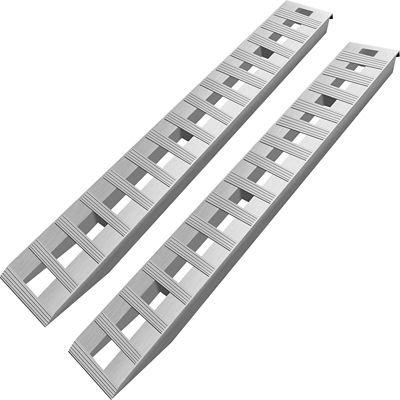
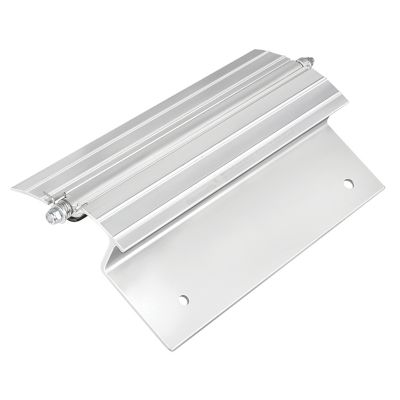
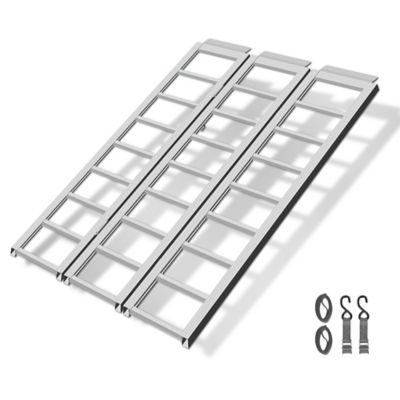
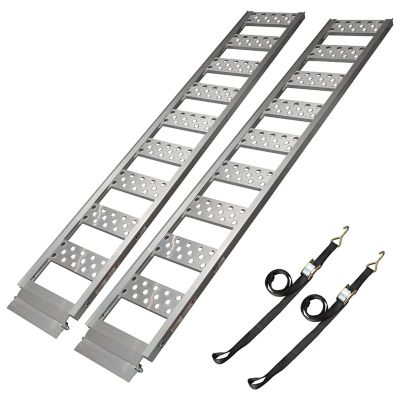
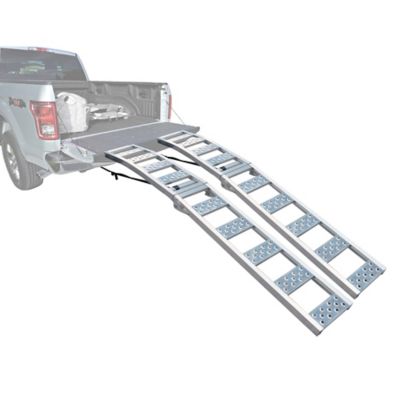
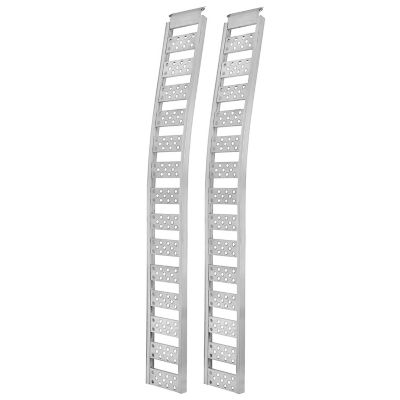
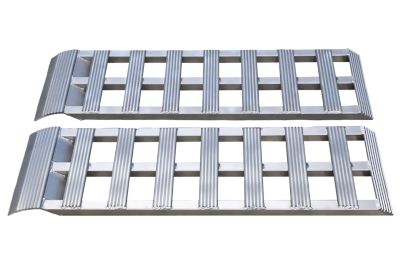
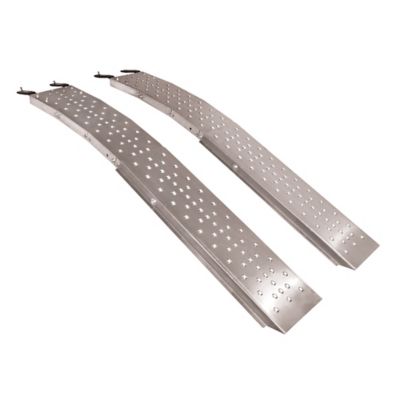
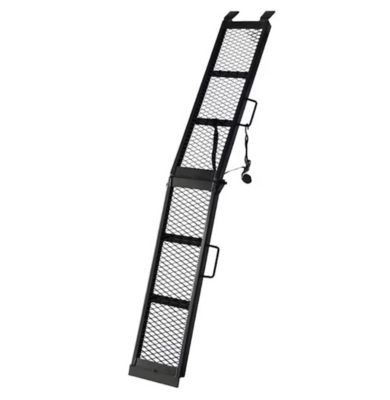
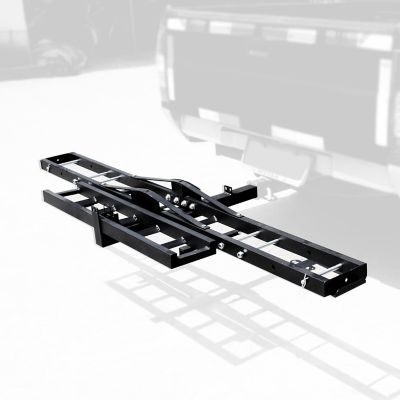
Loading ramps give wheeled equipment a sloped path between the ground and a truck bed, trailer or other raised loading surface. Around a farm, acreage or home workshop, that can mean getting a riding mower onto a utility trailer, taking an ATV to another property or loading a motorcycle for a trip to the shop. The right loading ramp depends on the load’s weight, tire spacing, ground clearance and loading height, along with how often the ramp needs to travel. Aluminum loading ramps generally weigh less than comparable steel designs, making them easier to lift, position and carry between jobs. Aluminum also resists rust, though it still needs inspection and care. Steel loading ramps tend to weigh more, and their protective finish matters because exposed steel can rust. Neither material alone determines capacity; the ramp’s construction and stated load rating are what count. Ramp shape and surface make a difference, too. Straight ramps provide a consistent incline, while arched ramps can help equipment with a low mower deck or undercarriage clear the transition onto a raised surface. Open rungs let loose dirt fall through, but rung spacing needs to suit the wheels crossing them. Small casters and narrow tires may need closer supports or a continuous surface rather than widely spaced crossbars. Raised tread patterns, punched openings and serrated surfaces offer different types of footing, with suitability depending on the tire and equipment involved. Paired runners suit many four-wheel machines when their spacing matches the tires, while a single runner may suit a motorcycle if the ramp is intended for that application. Wider platform designs provide a broader loading path, but width alone does not make a ramp suitable for every machine. For landowners, landscapers and folks hauling equipment between jobs, those everyday fit details matter as much as the material listed on the label.
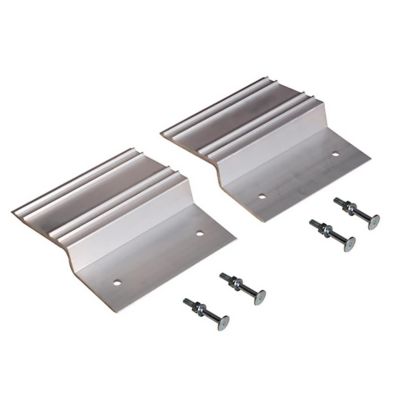
Weight capacity is one of the most important distinctions among loading ramps, and the rating needs to match the complete load rather than just the machine’s dry weight. Fuel, batteries, cargo and attachments can all add weight; operator weight also counts wherever the manufacturer permits an operator during loading. A rating may apply to one ramp, a matched pair or an entire platform, so those numbers are not interchangeable. A pair’s combined capacity does not mean either runner can carry that full amount by itself. Any stated limits for wheel loads, axle loads or weight distribution matter as well, particularly with equipment that carries a heavy engine or attachment toward one end. Loading height and ramp length work together to determine the approach angle. For the same loading height, a longer ramp generally creates a gentler slope, but the suitable length still depends on the equipment’s slope limits, clearance and ramp instructions. A low mower deck may scrape where a short, steep ramp meets a trailer, even when the machine is comfortably within the weight rating. An arched profile can improve clearance at that transition, but it cannot make up for an unsuitable loading angle or insufficient capacity. Width deserves the same attention: tires need full support, with enough room to stay on the intended travel surface without riding along an edge. On paired ramps, runner spacing must line up with the equipment’s wheel tracks, including any difference between front and rear track widths. The connection at the top is another part of the fit. Plate-style ends, hooks and pin connections require compatible support surfaces, and the truck bed, tailgate or trailer edge must be able to handle the forces involved. A ramp that rests neatly against a loading surface still needs the securement specified by its manufacturer. Matching these details helps separate a setup suited to a compact mower from one intended for a heavier utility vehicle or larger machine.
Storage and handling can shape the choice just as much as the load itself. Folding loading ramps take up less length when stowed, making them practical when the truck bed also carries tools, tie-downs and equipment. Their folded dimensions and individual weight matter for anyone lifting them alone or reaching over a bed rail to put them away. One-piece ramps avoid folding joints but require a longer storage space, whether that is along a trailer, against a shop wall or on a suitable rack. For setups where the loading path comes off after the equipment is aboard,
Removable Ramps are another option to consider alongside the trailer’s connection style and storage arrangement. Transporting any ramp calls for secure restraint so it cannot shift, bounce loose or interfere with the load. Before loading, firm, level ground gives the lower ends proper support, while the vehicle or trailer needs restraint against movement as directed by its instructions. Specified straps, pins or other retention hardware help keep the upper ends from slipping away from the loading surface; an attachment point should be one approved for that purpose. The ramp and equipment instructions also determine whether a machine can be driven, pushed or winched into place. Care between jobs is straightforward but worth keeping up with. Packed soil, grass clippings, oil and grease can interfere with traction or hide damage, so loading surfaces need cleaning with methods suitable for their material and finish. Welds, rails, rungs, hinges and attachment points deserve regular checks for cracks, bends, looseness or missing hardware. A bent runner or damaged hinge is not something to straighten by guesswork and put back into service. Keeping steel coatings intact, following hinge-care instructions and storing ramps clean and dry can help extend their service life. The best fit is a ramp setup that handles the equipment, connects properly and remains manageable through the whole job, from setting it down to strapping it away.