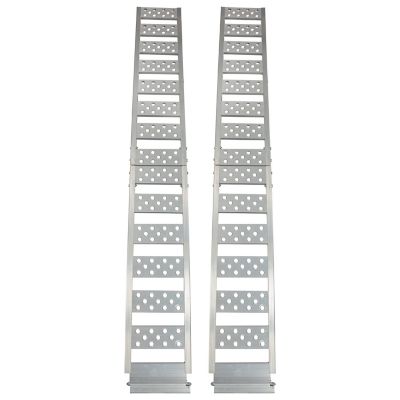
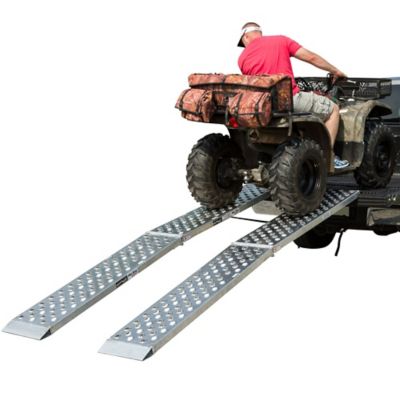
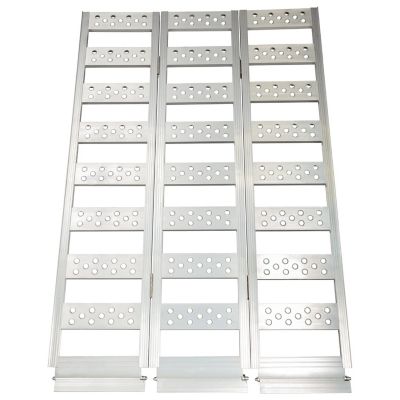
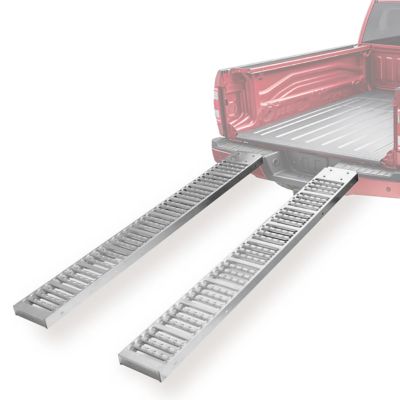
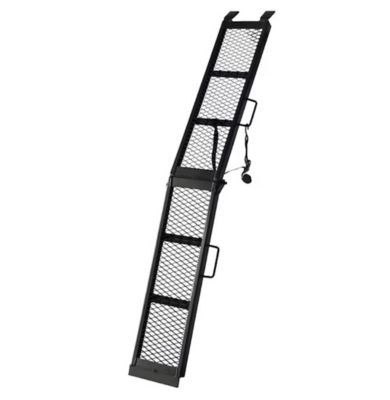
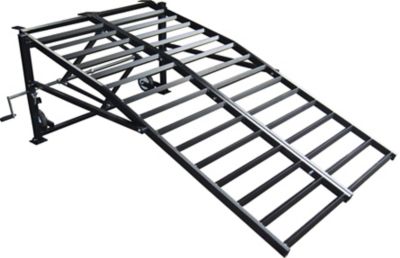
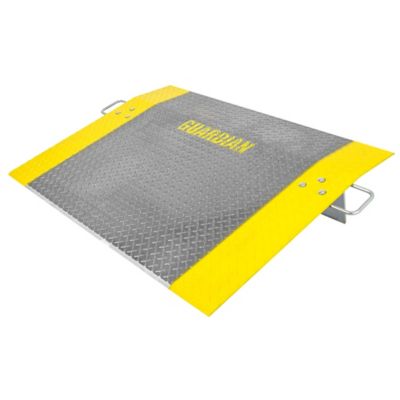
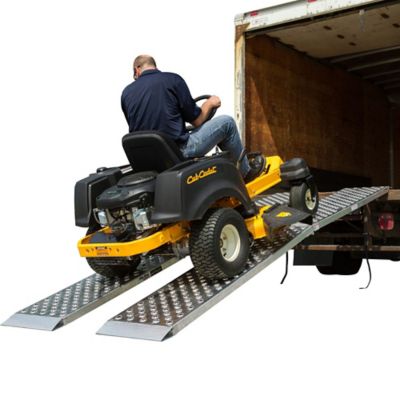
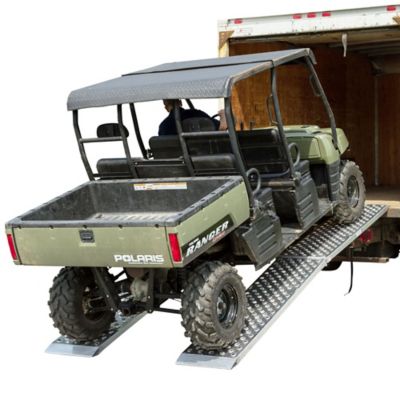
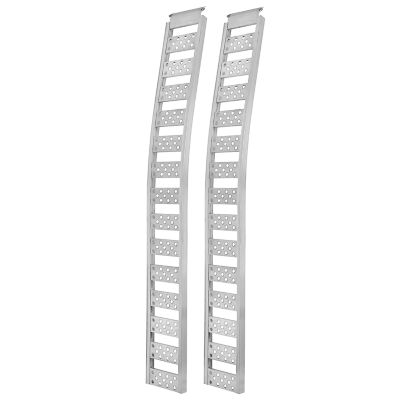
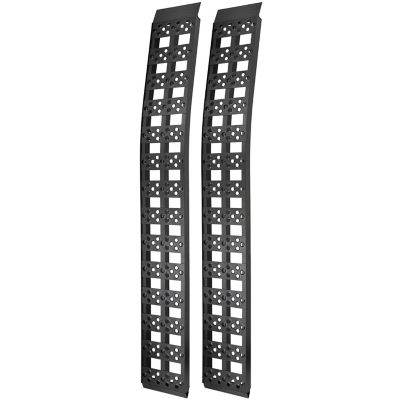
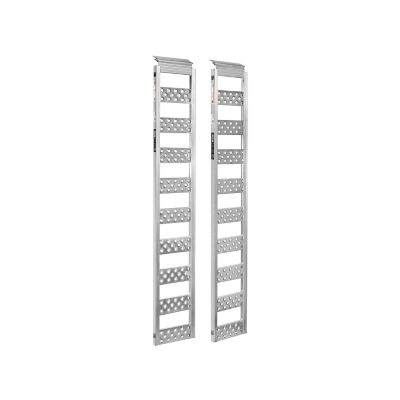
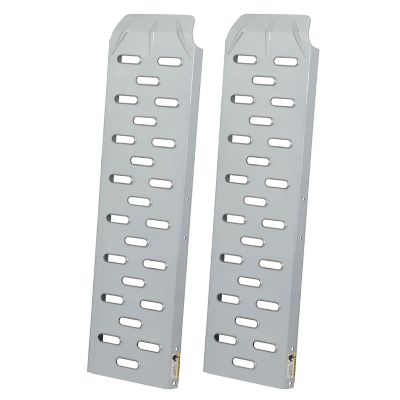
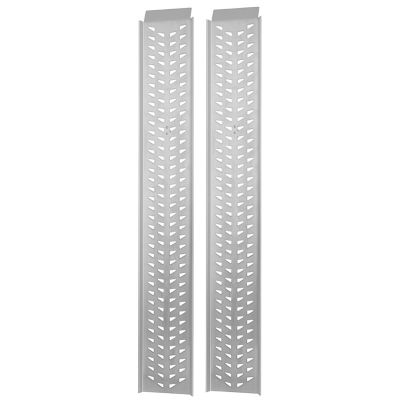
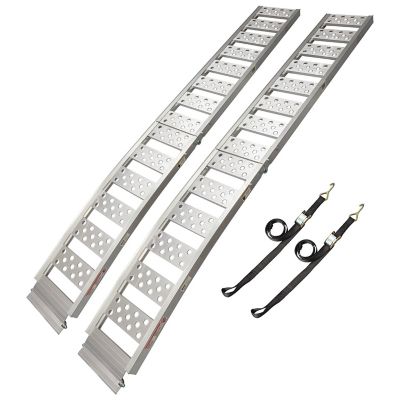
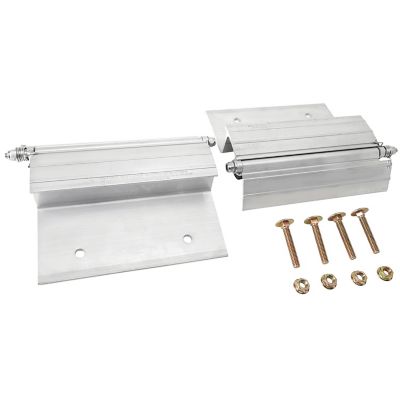
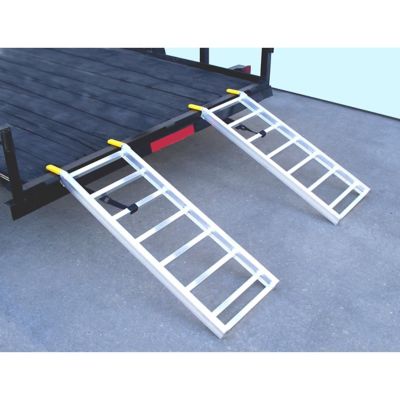
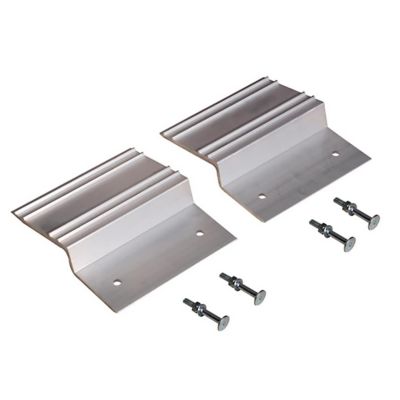
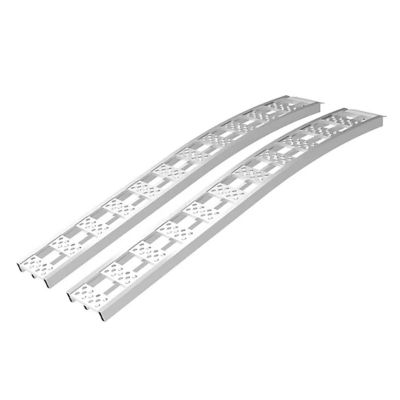
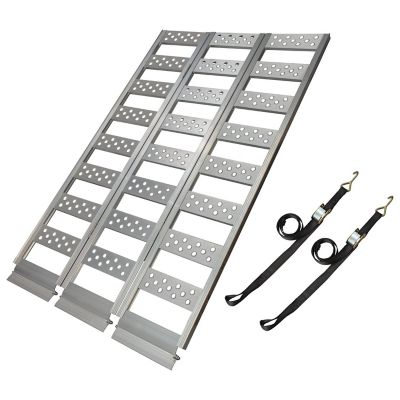
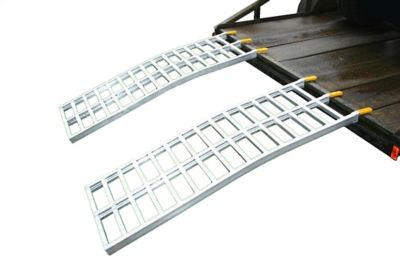
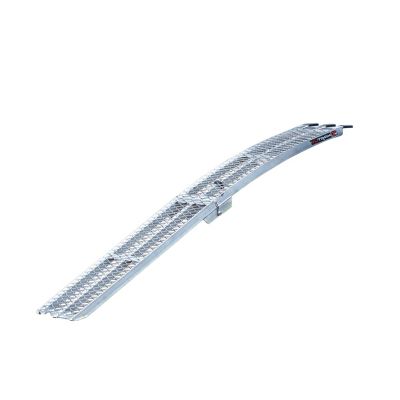
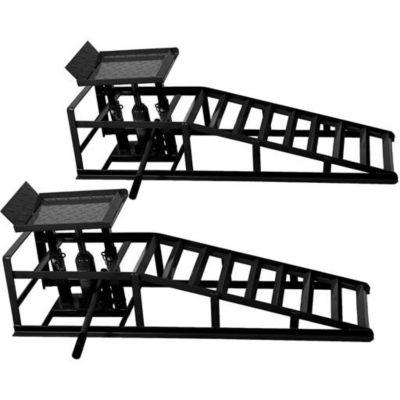
Dock loading ramps help bridge the height difference between the ground, a loading dock and a truck or trailer, making it easier to move pallets, equipment and heavy materials with less lifting and fewer awkward transitions. They are used in farm supply yards, warehouses, distribution buildings, construction sites, equipment lots and busy shops where freight needs to move in and out without a permanent concrete approach. A portable yard ramp can be positioned at a trailer or dock door as needed, while a stationary ground-to-dock ramp is better suited to a regular loading lane that sees the same kind of traffic day after day. Dock boards and dock plates serve a different purpose: they are shorter, lighter pieces designed to span the gap from an existing raised dock into a trailer. Choosing the right style starts with the way your work actually happens. A business loading several trailers in different spots may appreciate a movable ramp with wheels and a height-adjustment system, while a facility with one dedicated bay may benefit from a fixed or semi-permanent setup. In either case, measure the dock height, trailer bed height and available approach space before ordering. Ramp length affects the incline, and a longer ramp can provide a gentler transition when the site allows room for it. Keep an eye on the ramp width as well, especially if forklifts, pallet jacks or wider equipment will be crossing with a load.
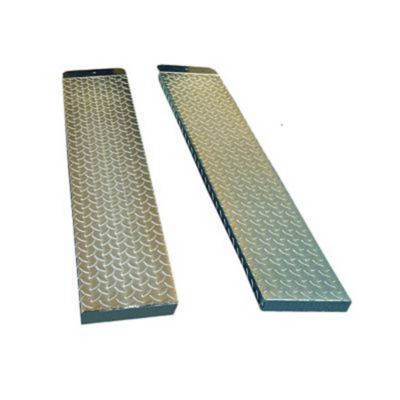
Capacity is one of the most important details when comparing dock loading ramps. The listed capacity needs to cover the combined weight of the forklift or other equipment, the operator and the heaviest load being moved—not just the weight of the pallet or crate. For example, a loaded pallet that seems manageable on its own can become a much bigger demand once it is riding on a forklift. Heavy-duty yard ramps commonly fall in the range of 16,000 to 20,000 pounds, though capacities vary by construction, length and intended use. Always compare the ramp rating with the equipment specifications and leave appropriate room for the way your crew works. Steel ramps are popular for demanding commercial and agricultural applications because they offer substantial strength and stand up well to repeated traffic. Aluminum ramps are generally easier to move and can offer useful corrosion resistance, making them worth considering where portability or exposure to moisture matters. The surface also deserves a close look. Serrated steel grating can provide dependable tire grip while allowing rain, mud and loose debris to fall through, while non-slip diamond plate offers a solid surface for certain loading areas. Raised side curbs, often several inches high, add another layer of protection by helping keep tires from drifting toward the edge. On a gravel yard or damp loading lane, those curbs and a traction-focused surface can make the whole setup feel steadier under working conditions. Picture a late-season delivery arriving after a stretch of rain: mud on the tires, wet pallets in the trailer and a crew trying to keep freight moving. A ramp with a suitable surface, sturdy side curbs and a properly secured connection can make that routine job far more controlled.
Securement and setup are just as important as the ramp’s size and weight rating. Look for safety chains, brackets or other connection points that hold the ramp tightly against the trailer or loading bay, and make sure the trailer itself is positioned on firm, level ground with its brakes set before loading begins. A portable ramp may include a hydraulic pump or hand-crank adjustment to match different dock and trailer heights; use that adjustment carefully and follow the manufacturer’s instructions for placing the lip, supports and wheels. Check that the trailer floor can handle the concentrated load and that the ramp’s approach and exit areas are clear of people, loose materials and equipment. Regularly inspect welds, hinges, chains, curbs, grating and contact points for damage, bending or excessive wear, particularly when the ramp works around manure, feed, fertilizer, road salt or other rough conditions. Brush away packed dirt and debris so the surface remains visible and the moving parts can work as intended. Dock loading ramps can be a practical addition for farms, landscape operations, lumber yards, contractors, storage facilities and small businesses that need a safer path between ground level and a trailer. They can also complement other equipment used around the property, including
Portable Car Ramps for vehicle maintenance and service work. Whether freight is moved by forklift, pallet jack or hand truck, the best match is the one that fits the dock height, traffic pattern, load weight and available space. During the warmer part of the year and through the cooler months, choosing a properly rated ramp with dependable traction and secure connections helps keep loading work organized when deliveries, harvest supplies and everyday shipments need to keep rolling.