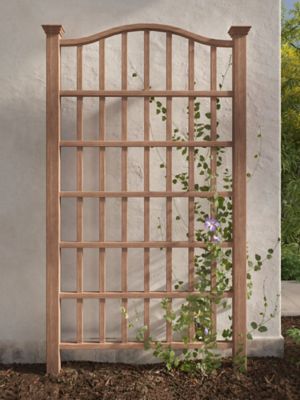
Trellises for climbing roses and vines give growing stems a place to stretch, keeping flowers and foliage off the ground while bringing height to garden beds, fence lines and sitting areas. The best fit depends on the plant’s mature size and weight, the space around it and whether the support will stand on its own or attach to a wall. A young rose may look small beside a tall frame, but its woody canes can eventually carry a substantial amount of growth. A lighter flowering vine has different needs, especially when its stems reach for narrow pieces they can wrap around. Climbing roses do not cling to a trellis by themselves; their canes need gentle training and soft ties that leave room for thickening stems. Twining vines curl around upright supports, while clematis climbs with leaf stalks that need slender crosspieces or an added network of smaller supports. Matching that climbing habit to the trellis opening size makes a real difference in how well the plant fills the frame. When comparing
Garden Trellises, consider the usable growing area as well as the overall height. On a stake-mounted design, part of the frame sits below ground, so the height above the soil may be less than the full measurement. Width matters just as much: a broad panel leaves room to spread rose canes sideways, encouraging flowering side shoots instead of concentrating all the growth near the top. Narrow supports can suit a tight planting pocket, provided the plant’s eventual spread stays manageable there. Openings large enough for a hand make tying, pruning and checking stems easier. Placement also needs to match the plant’s light requirements, with enough room at the base for roots, watering and routine care. A trellis should support the planting without blocking access to a hose connection, gate latch or walkway. Picture the frame covered in leaves and canes, not just standing empty, to get a better sense of the space it will occupy.
Material and construction shape both the look of a rose trellis and the amount of attention it will need. Steel frames can provide substantial support, though their strength depends on the thickness of the members, the joints and the way the frame is secured. A painted or powder-coated finish helps separate the metal from moisture; scratches and worn spots deserve attention before corrosion spreads. Galvanized finishes provide another form of corrosion protection, while aluminum offers lighter handling and does not develop iron rust. That lighter weight does not automatically make every aluminum frame suitable for a large, woody climber, so the intended plant load still matters. Wood brings a straightforward look that fits beside a split-rail fence, raised bed or porch. Its upkeep depends on the wood species, treatment and contact with damp soil. Checking joints, fasteners and the ground-level sections helps catch loosening or deterioration before a mature plant makes repairs awkward. Vinyl and composite designs can offer surfaces that need little routine finishing, but their internal reinforcement and mounting requirements are important for heavier growth. Across materials, sturdy connections and a properly supported base matter more than appearance alone. Freestanding trellises need anchoring suited to their height, shape and the soil beneath them. A tall frame carrying dense foliage puts more leverage on its base than a short panel supporting a small vine. Wall-mounted trellises need fasteners matched to the wall construction, plus enough space behind the frame for stems, ties and maintenance access. Mounting through siding calls for suitable hardware and proper sealing rather than simply driving screws into the outer surface. Strong-growing woody vines, including wisteria, can overwhelm light garden frames and call for a substantially engineered support. For any material, care is easier when ties, mounting points and the lower frame remain reachable after the plant fills in. A frame that can stay firmly in place while individual canes are untied or pruned makes ongoing plant care less of a chore.
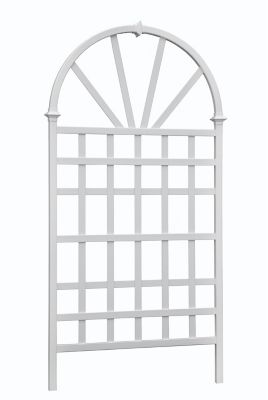
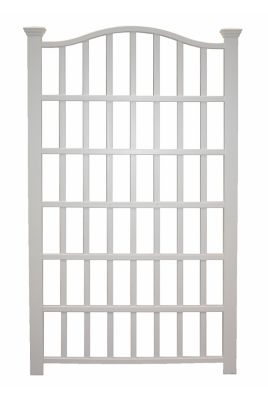
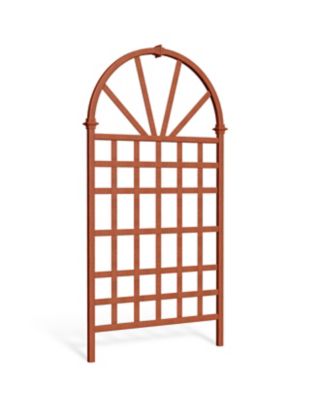
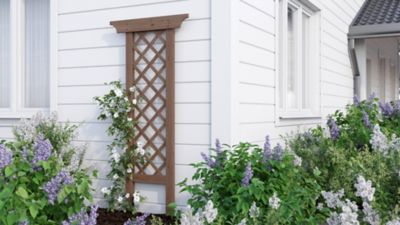
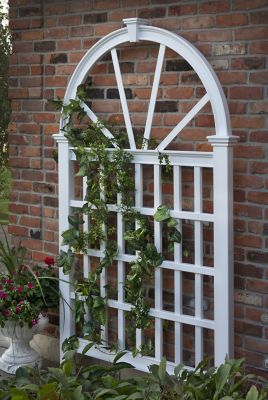
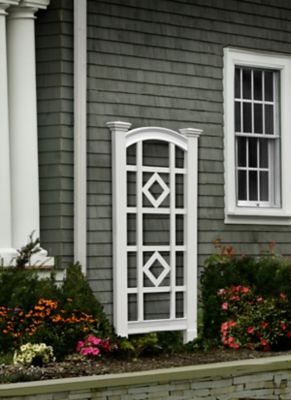
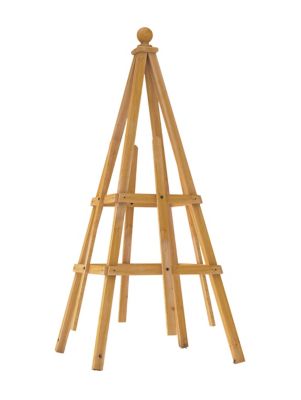
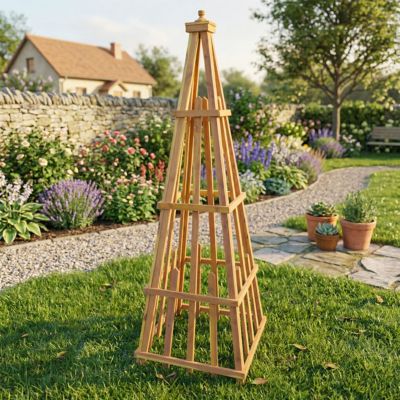
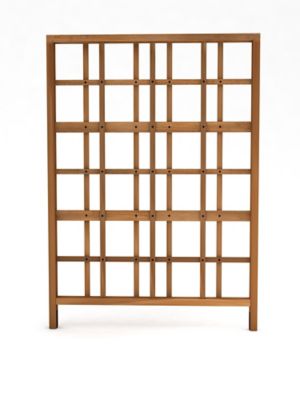
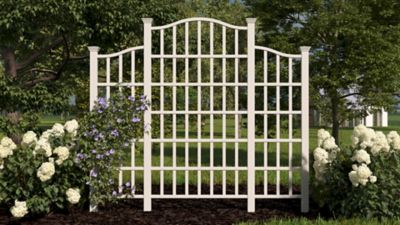
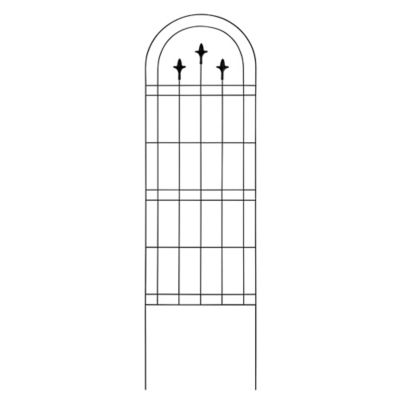
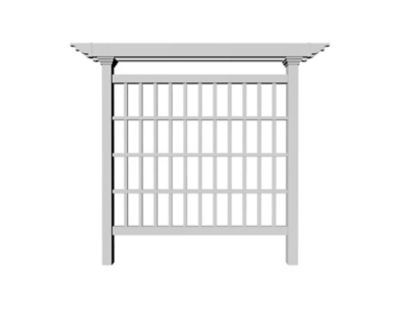
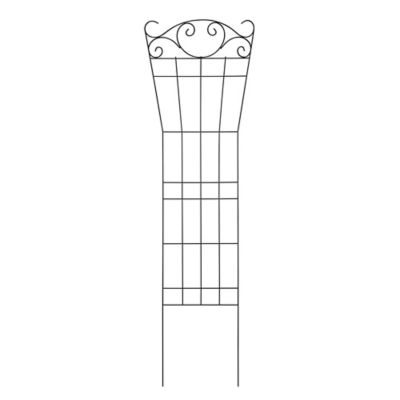
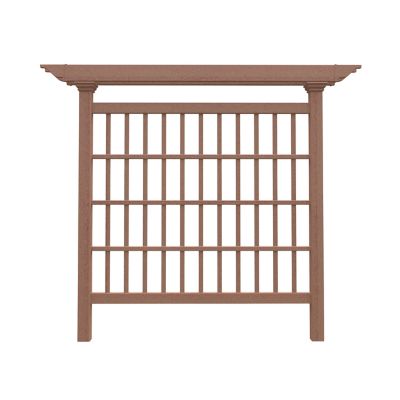
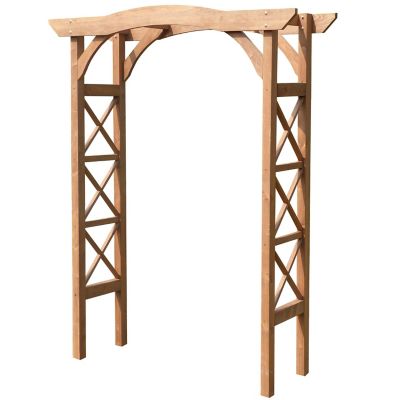
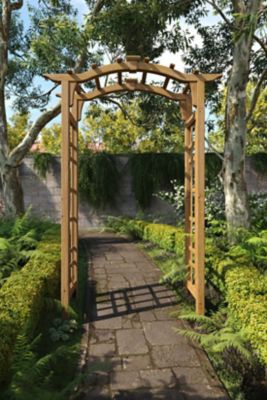
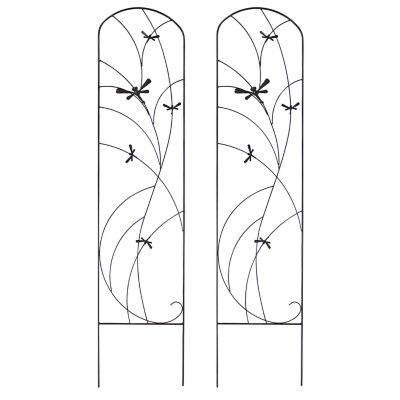
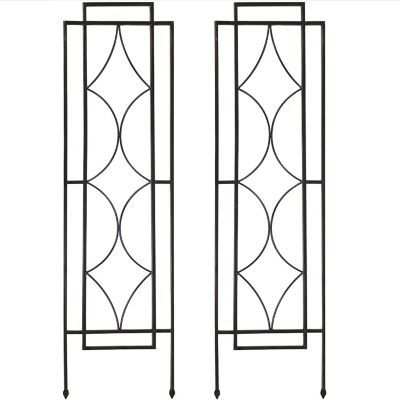
Shape helps a trellis earn its place in the yard. A flat panel can bring a bare fence line into the planting scheme, while a fan-shaped frame gives rose canes room to spread from a narrower base. An arch can mark the entrance to a garden or carry flowers above a path, provided its clear opening leaves enough space for people and equipment to pass without catching on growth. An obelisk brings climbing height into a bed without needing a wall behind it, making it useful where flowers can be enjoyed from several sides. Beside a patio or porch, an open panel with foliage can soften the view toward a neighboring yard without acting like a solid fence. The amount of screening depends on the plant and how fully it covers the frame, so an empty trellis should not be counted on for complete privacy. Along a path, thorny rose canes need extra clearance; a frame set too close to the walking edge can become troublesome once side shoots reach outward. Near a vegetable plot or a busy backyard gate, leaving room for a wheelbarrow makes more sense than squeezing the support into the narrowest gap. Color and pattern matter, too. A dark frame can recede behind green leaves, while a lighter finish keeps the trellis more noticeable between stems. Simple grids lend themselves to spreading and tying canes, and more intricate patterns need a closer look at whether their openings suit the plant’s climbing habit. These supports suit gardeners working with everything from a small courtyard to a roomy country yard, as long as the frame matches the planting rather than merely filling an empty spot. A trellis can also make a thoughtful gift for a rose grower or someone settling into a home with garden space. Knowing the intended location, preferred material and mature plant size helps make that gift practical. With the right proportions and secure installation, the support becomes a lasting part of the garden’s layout, giving climbing growth a clear direction without making everyday care harder.