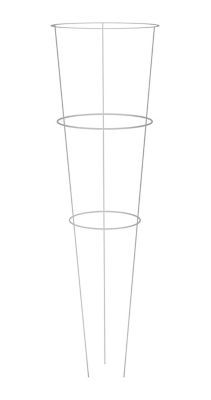
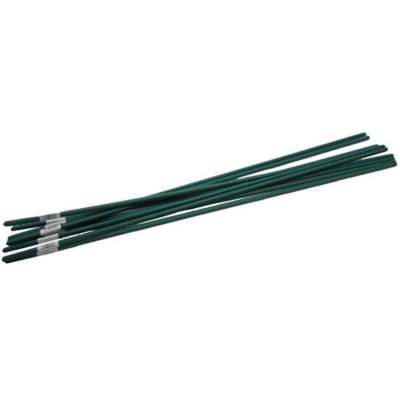
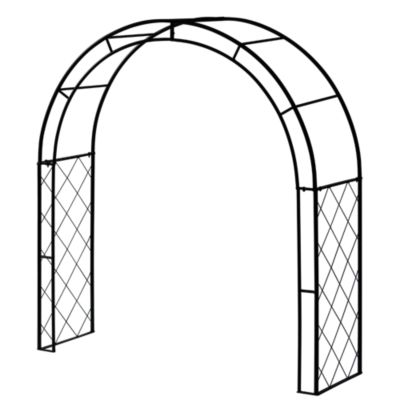
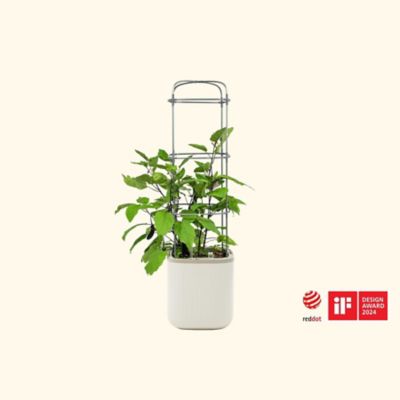
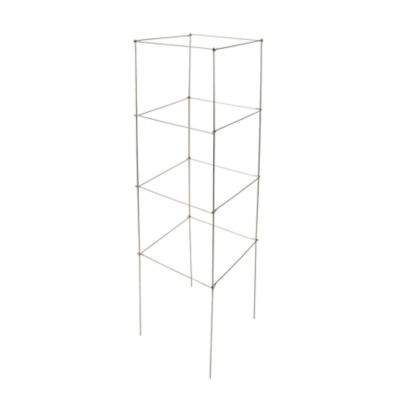
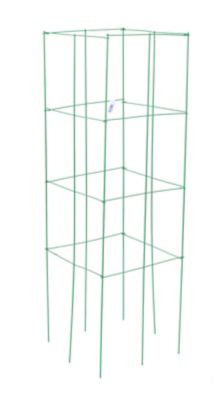
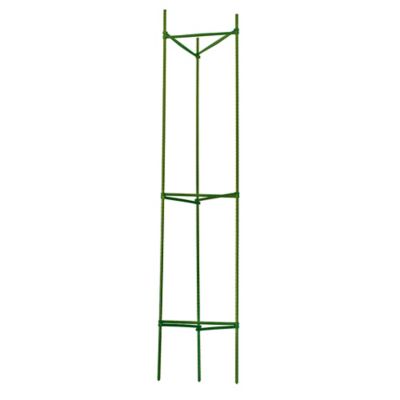
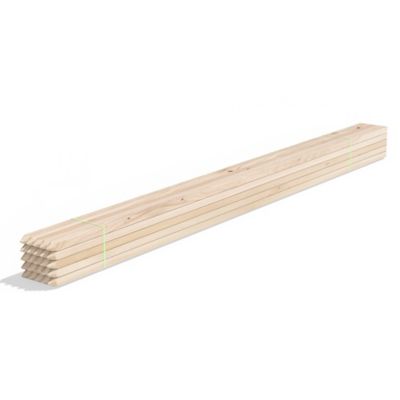
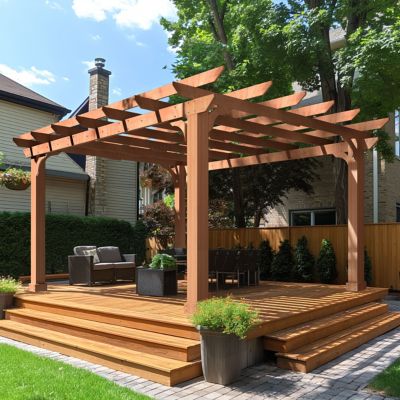
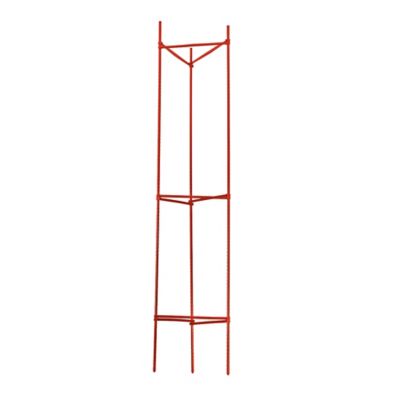
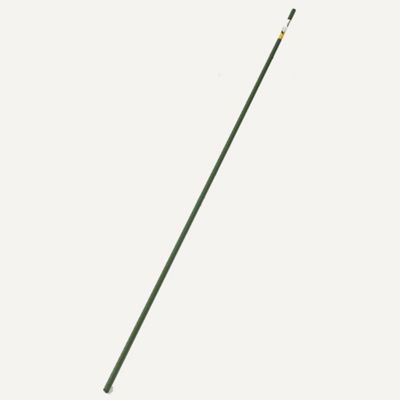
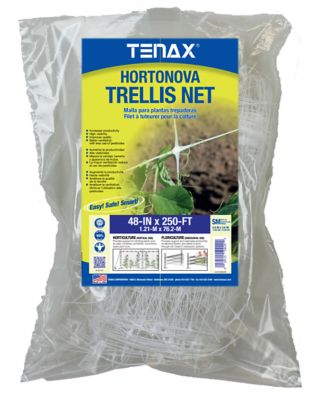
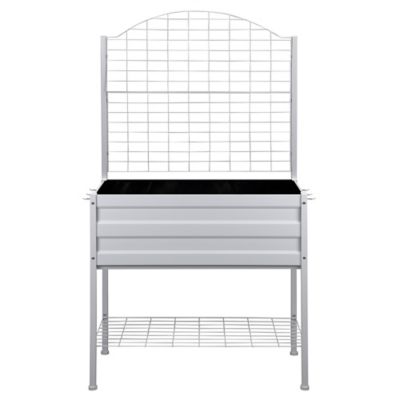
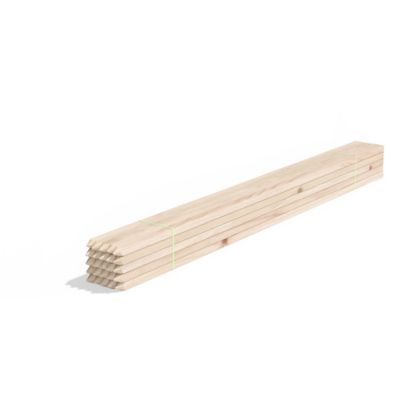
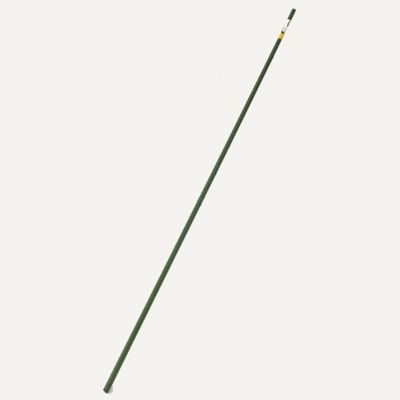
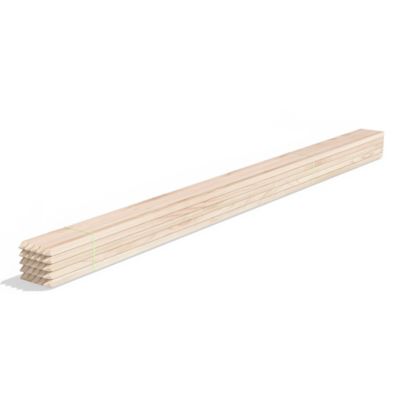
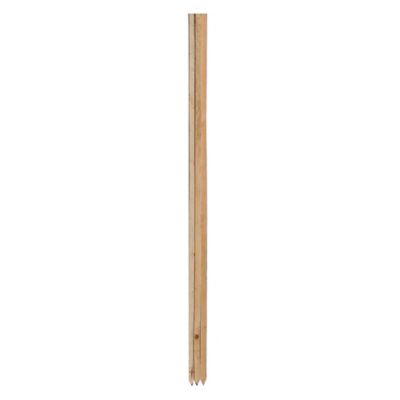
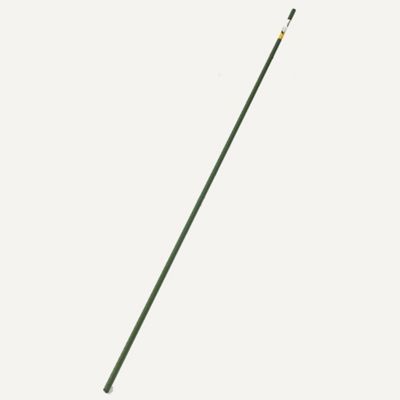
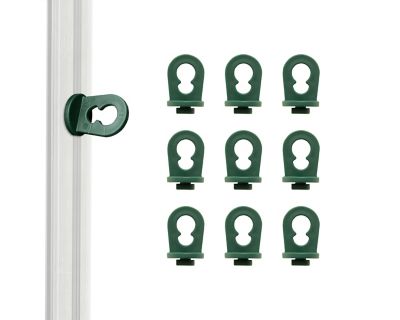
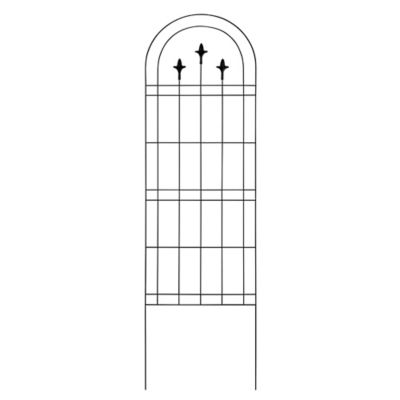
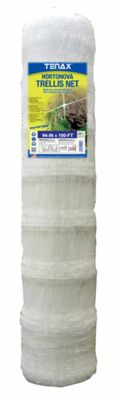
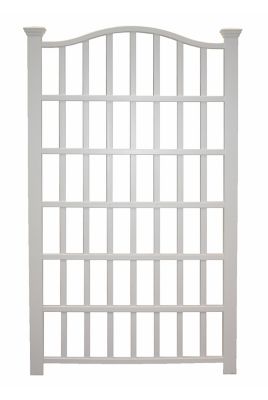
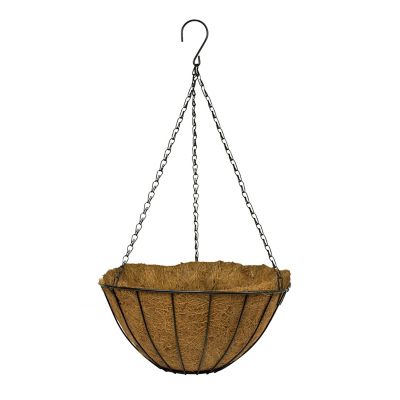
Support for climbing plants helps vines, flowering climbers, vegetables, and houseplants grow in a more orderly, healthy way while making better use of the space around them. The right support can turn a bare fence into a leafy screen, guide a bean vine up and away from the soil, or give a trailing indoor plant a sturdy place to climb. When choosing a support, start with the plant’s mature size, stem type, and growing location. Light climbers such as peas, small flowering vines, and young annuals may do well with slender stakes, simple teepees, garden netting, or a narrow trellis. Heavier plants, including climbing roses, clematis, mature grapevines, and vigorous perennial vines, need a strong structure that will not bend, tip, or pull loose as stems and foliage gain weight. An arch, obelisk, or deep outdoor trellis can provide room for growth while adding height and shape to a garden bed, entryway, porch, or fence line. For potted plants, look for a support that fits the container without crowding the root ball or making the pot top-heavy. Indoor climbers often need a different kind of help than outdoor vines. A moss pole, coir support, or textured indoor trellis gives aerial roots and clinging stems a surface to grip, making it useful for tropical houseplants such as monsteras, pothos, philodendrons, and other vining foliage. Smooth stakes can hold a stem upright, but a rough or fibrous surface is usually better when the plant naturally climbs by aerial roots. In a sunny window, a compact trellis can keep a vine from sprawling across nearby furniture, while a taller support can guide growth upward and create a full green display. Gardeners setting up hanging baskets may also find useful hardware in
Hardware For Hanging Plants, especially when a trailing plant needs a secure place to hang and room for stems to spill over naturally.
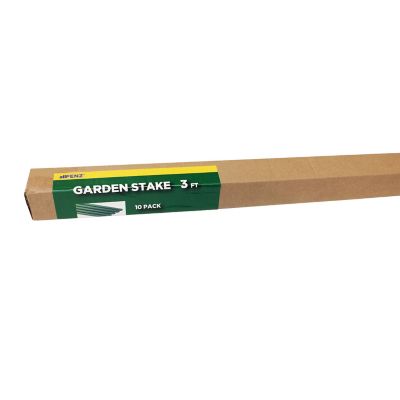
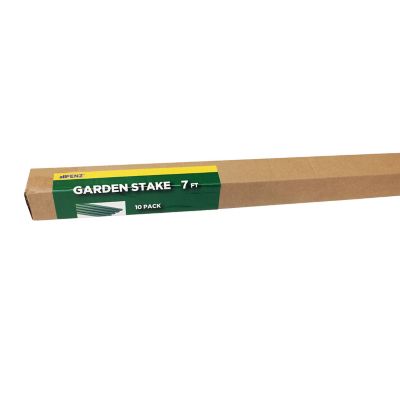
The way a plant climbs matters just as much as the size of the support. Twining plants wrap their stems or tendrils around a structure, so they benefit from rails, wire, netting, or bars spaced closely enough for young growth to catch. Root-climbers and aerial-rooted plants need a textured, stable surface such as wood, moss, or coir. Plants that do not cling or twine on their own may need gentle guidance with soft garden ties, clips, or loose loops of twine. Attach stems early, while they are flexible, and check them as they lengthen so ties do not pinch or cut into growing tissue. A loose figure-eight tie gives the stem room to move and keeps it from rubbing hard against a stake in wind. In vegetable gardens, teepees and stakes can support pole beans, cucumbers, peas, and tomatoes, helping keep leaves and fruit off damp ground where they may be more vulnerable to disease, pests, and damage. Place supports before the plants become large whenever possible; pushing a stake into a crowded root zone later can disturb roots and knock over nearby growth. Outdoor supports should be anchored firmly in the soil, raised bed, planter, or another solid surface, with enough depth to handle gusty weather and the added weight of wet foliage. During the cooler months, deciduous vines may lose their leaves and reveal the structure beneath, making it easier to inspect fasteners, tighten connections, clear away old stems, and plan for the next season’s growth. Evergreen climbers and indoor plants may continue growing, so they still need occasional tying and room to spread. Support for climbing plants can also make a thoughtful gift for a gardener, new homeowner, houseplant collector, or anyone turning a patio, balcony, porch, or small backyard into a greener space. A compact indoor support suits someone growing plants near a kitchen window, while a durable outdoor structure can help a gardener train flowers along a walkway or create a little privacy beside a sitting area. Choose materials that fit the setting and the plant’s weight, along with a height and width that leave room for natural growth rather than forcing the vine into a tight shape. With steady support and a little early training, climbing plants can fill vertical spaces, improve airflow around stems, keep harvests easier to reach, and bring a layered, lived-in look to gardens and indoor rooms.