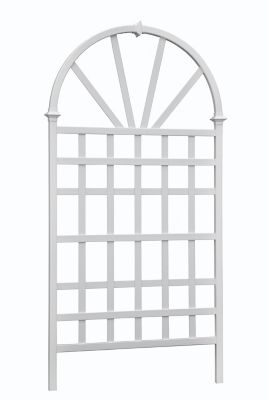
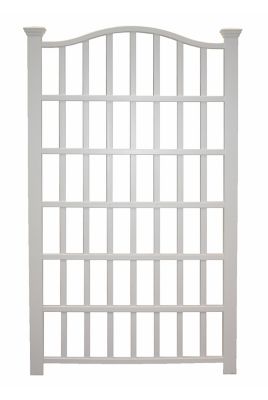
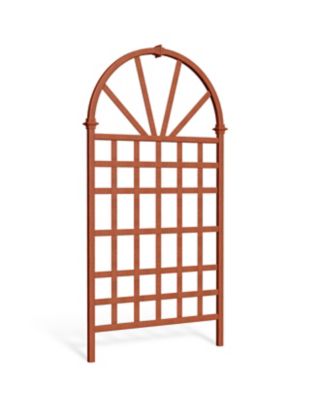
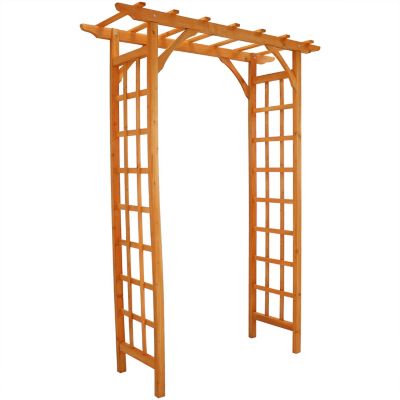
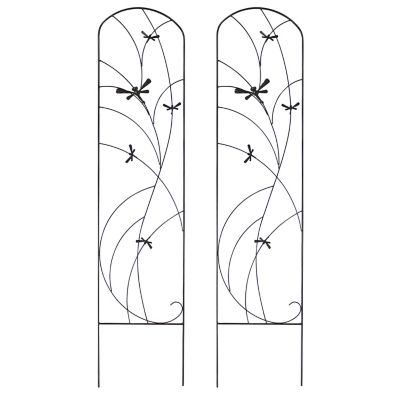
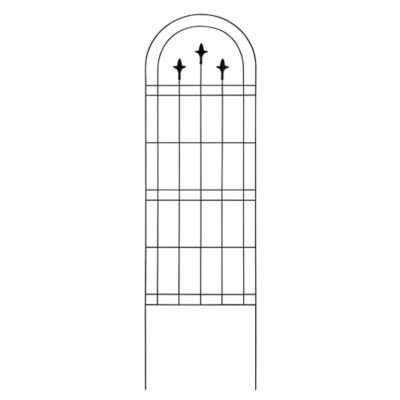
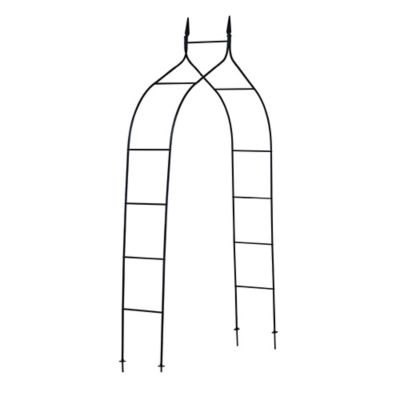
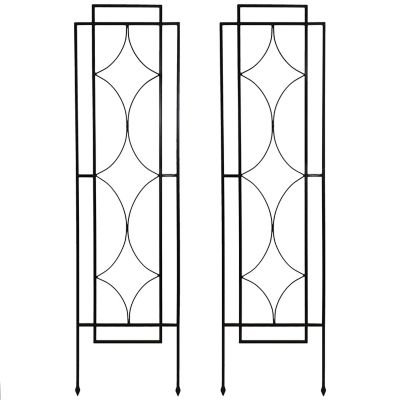
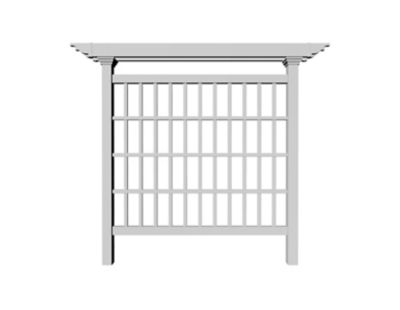
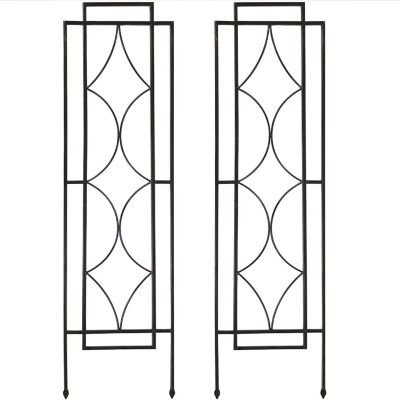
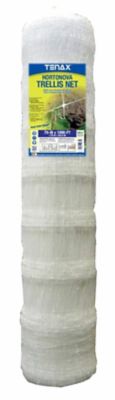
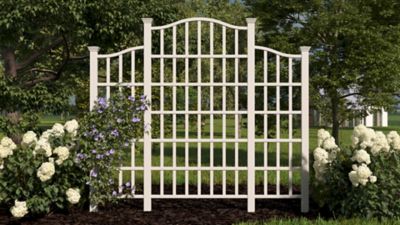
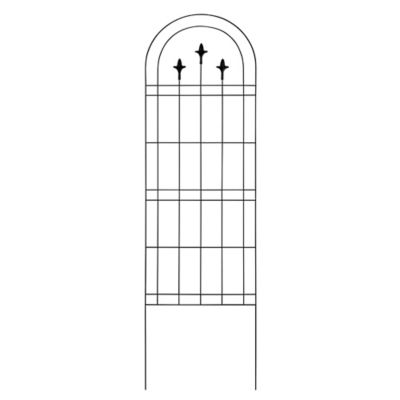
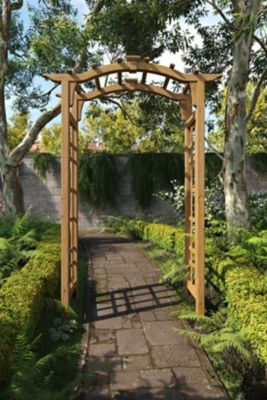
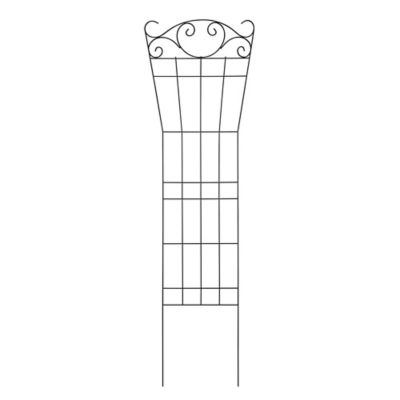
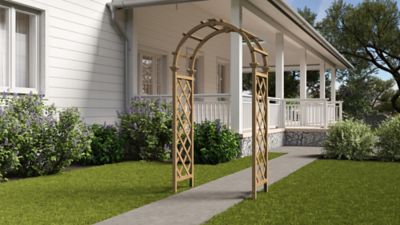
Flower trellises bring a little extra height, shape, and charm to growing spaces while giving climbing flowers a sturdy place to reach for the sun. Instead of letting vines spread across the ground or sprawl into nearby paths, a trellis guides them upward, making good use of vertical space in garden beds, containers, along fences, and beside porches. A freestanding obelisk can tuck neatly into a raised bed or large pot, where it gives clematis, climbing roses, or other flowering vines a tower to wind around. Wall-mounted panels work well against a fence, shed, or exterior wall, adding a living layer to a plain surface without taking up much ground room. Arch trellises can frame a walkway, garden gate, or seating area, creating a welcoming entry that becomes more colorful as the vines fill in. A-frame and panel styles are handy for longer rows, heavier growth, or dividing parts of the garden. When choosing a flower trellis, start by looking at the space you have and the plant you want to grow. Measure the available height and width, allow room for mature growth, and think about whether the structure will sit in open ground, a container, or against a solid surface. A compact trellis may be just right for a patio planter, while a taller, wider design can support a full season of vigorous vines. It also helps to consider the finished look. A simple panel blends into a fence and lets the flowers take center stage, while an arch or obelisk becomes part of the garden’s design even before the first leaves appear.
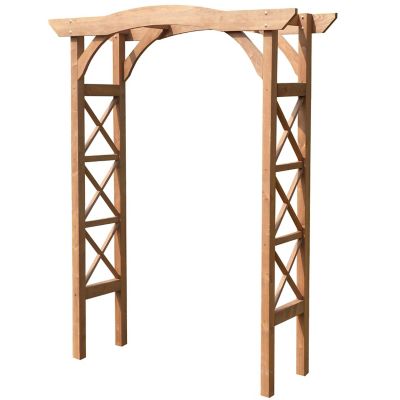
Material and construction matter, especially in areas where wind, rain, heavy blooms, or changing temperatures put extra strain on garden supports. Metal trellises offer a clean, traditional look and are often a good fit for roses, clematis, morning glories, and other plants that become top-heavy as they climb. Wood brings a warm, natural appearance that fits easily around vegetable gardens, flower beds, barns, and porches. For a classic option with a country-garden feel, browse
Cedar Trellises that can complement raised beds, container gardens, and outdoor living spaces. Vinyl and other weather-resistant materials are useful when you want an easy-care support that does not need frequent upkeep. Look for sturdy joints, a stable base, and openings that are large enough for stems to weave through without being pinched. A trellis should be able to stand firmly before the plant fills it out, since a leafy vine catches wind much like a sail. For wall-mounted styles, use hardware suited to the wall surface and leave a little space between the trellis and the wall when appropriate so air can move behind the plant. Set freestanding supports deeply enough in the soil to reduce wobbling, or use a container with enough weight to keep the structure steady. Flowering climbers may need a hand getting started, so gently guide young stems through the openings or tie them loosely with soft garden ties. Avoid tight knots that can cut into growing vines. As the weather warms, regular watering and occasional trimming help keep growth balanced, while during the cooler months a quick check for loose fasteners, leaning supports, or damaged sections can help the trellis stay ready for another season.
Flower trellises suit all kinds of gardeners, from someone dressing up a small apartment patio to a homeowner shaping a larger country garden. They are a practical choice for narrow side yards and compact beds because they add bloom and greenery without using much planting area. Gardeners who enjoy cutting flowers can train climbing plants near a back door or walkway, making it easy to gather a few fragrant stems for a kitchen jar. A trellis near a porch can soften the look of a railing or wall, while one placed beside a sitting area can create a bit of privacy once the foliage becomes established. Flowering vines also make these supports a thoughtful gift for new homeowners, gardeners settling into a new place, or anyone building a backyard retreat one planting at a time. When pairing a trellis with a flower, consider the plant’s growth habit, mature size, and season of bloom. Climbing roses provide classic fragrance and long-lasting structure, though they need a strong support and room for thorny canes. Clematis can bring large, colorful flowers to an upright frame and generally appreciates cool, shaded roots with its upper growth reaching toward the light. Morning glories grow quickly and offer bright blooms, making them a fitting choice when a gardener wants coverage in a shorter stretch of the growing season. Sweet peas bring a delicate look and noticeable fragrance, especially in cooler growing conditions. No matter the variety, give the plant enough sunlight, suitable soil, dependable water, and room to circulate air. With the right match between plant and support, a plain corner can become a vertical display of leaves, blossoms, and winding stems that changes naturally through the growing season.