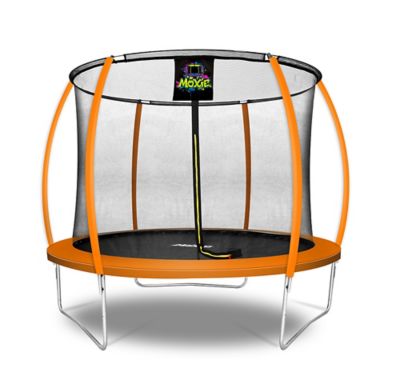
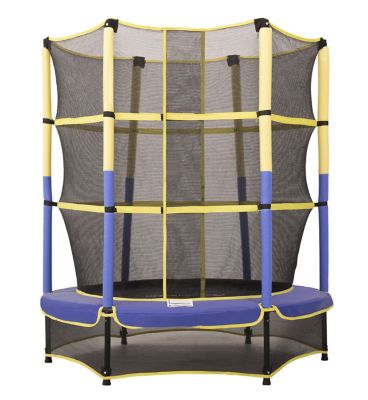
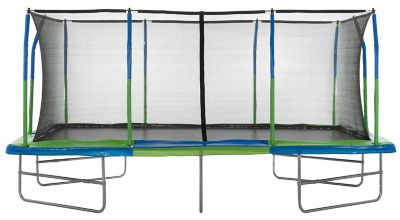
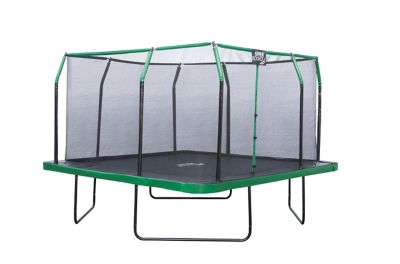
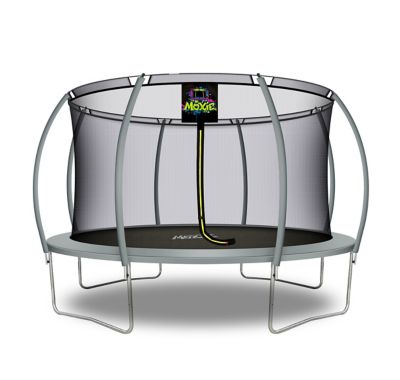
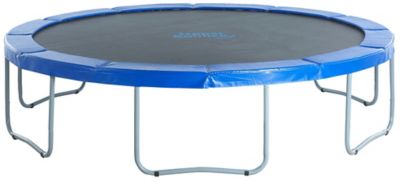
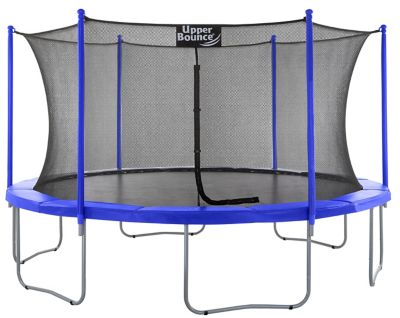
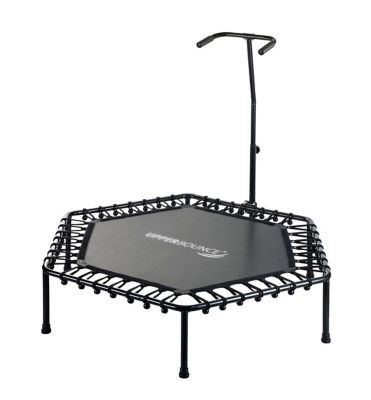
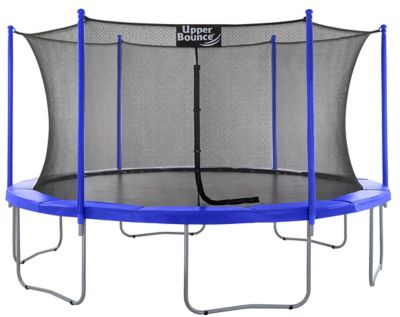
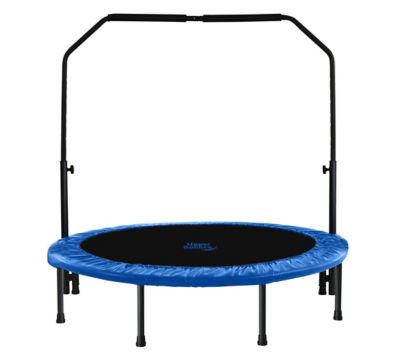
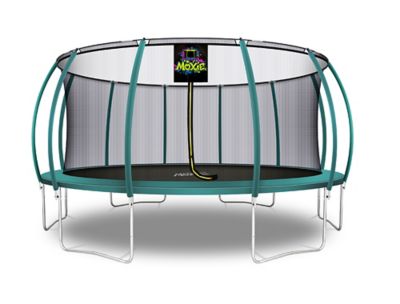
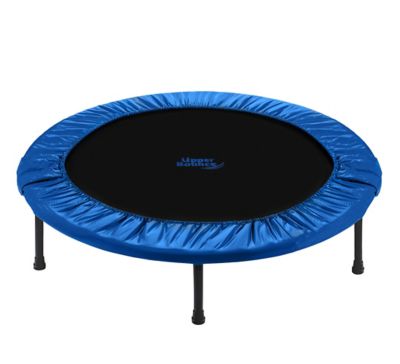
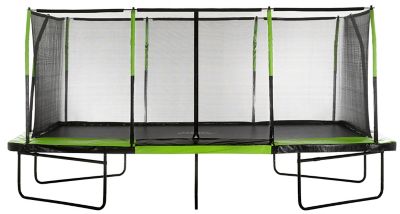
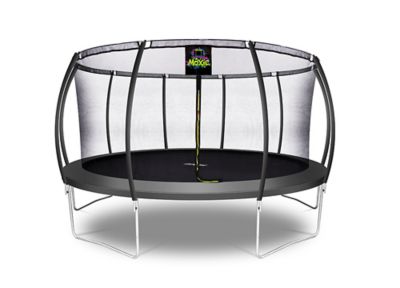
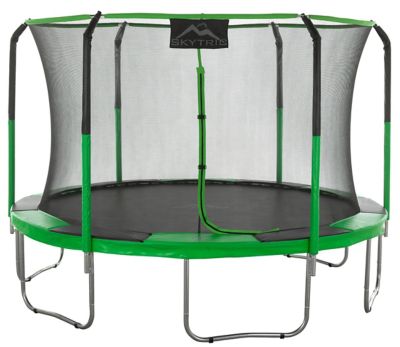
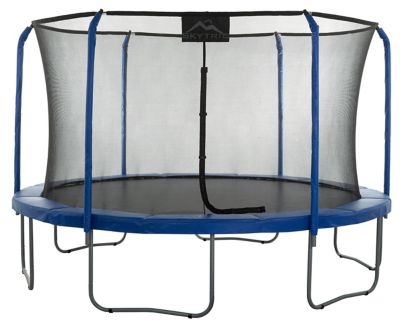
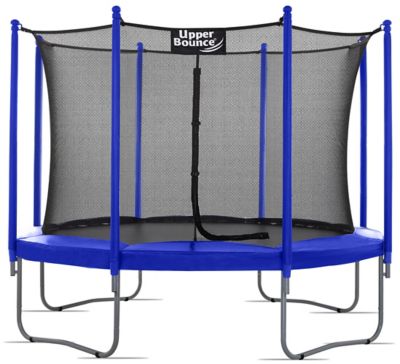
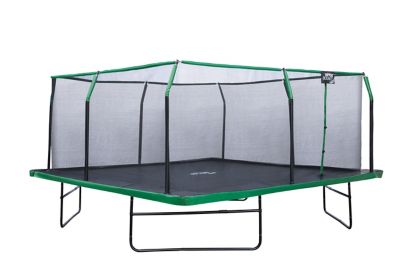
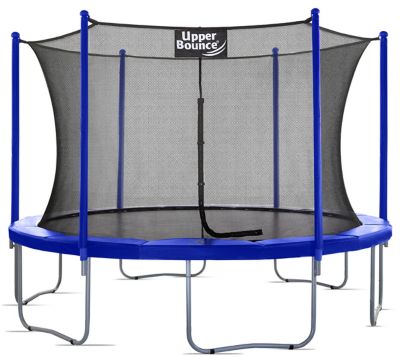
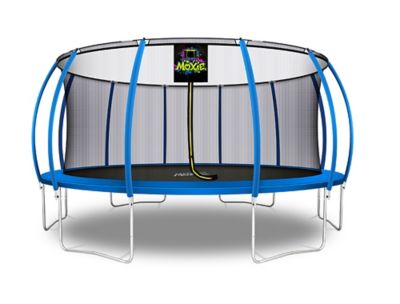
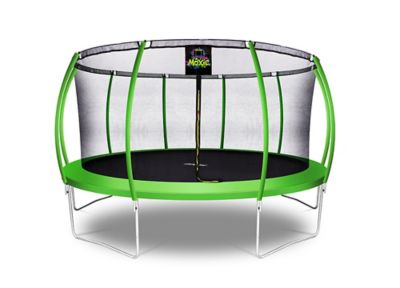
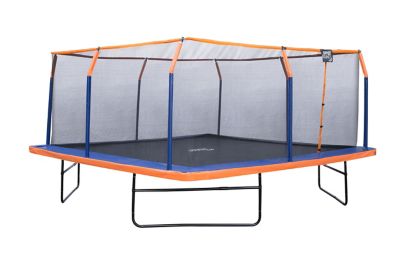
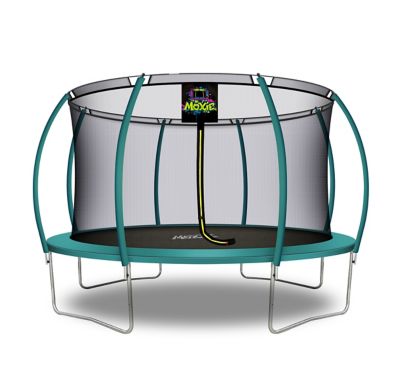
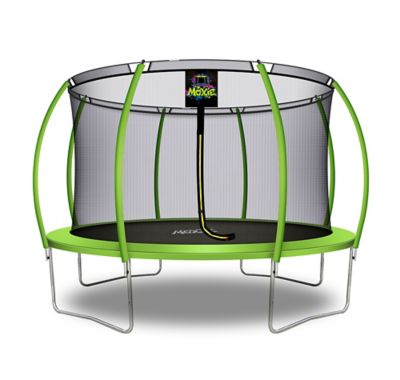
Trampolines with high weight capacity can make room for a wider range of jumpers, but the most important number is the manufacturer’s maximum user weight for the particular design. That limit is not always the same as a large static-load figure shown in product descriptions. A static-load test measures support under a stationary load; jumping creates repeated forces that the frame, mat, springs and connections must handle together. A high static rating should never be treated as permission for a person of that weight to jump, or as an invitation for several people to pile on. For backyard recreation, one jumper at a time remains an important ground rule, regardless of the stated capacity. These trampolines often combine substantial steel frames, reinforced connections and spring systems matched to the jumping surface. The whole assembly matters more than any single feature: a thick frame cannot make up for a worn mat, missing spring or loose connection. For an adult who wants a little active time after chores, or an older child who enjoys practicing controlled jumps, a suitable user-weight rating helps narrow the selection. There is no single capacity number that makes every trampoline a high-capacity model, so comparisons work best when they use the same kind of rating. The stated age range, intended activity and maximum user weight all belong in that comparison. A recreational backyard trampoline also serves a different purpose from a compact exercise rebounder, even when their weight limits look similar. Large jumping surfaces allow more room for controlled movement, while smaller fitness designs support activities within a much tighter footprint. Neither size nor a higher load rating removes the need for supervision, careful setup and sensible jumping habits. Full-size recreational trampolines are not appropriate for children younger than six, and enclosure nets do not make flips, rough play or shared jumping safe.
Materials and construction help explain how a high-capacity trampoline supports its intended user over time. Galvanized steel is common in frames because its zinc coating helps resist corrosion, while the tubing dimensions, frame geometry and joint design all contribute to structural support. Wide-set legs can help distribute the load, but they still need a firm, level surface that meets the maker’s installation requirements. A patch of ground that looks flat from the porch may have a shallow rut or a soft edge that leaves one leg carrying weight unevenly. The jumping mat is commonly made from woven polypropylene or another material designed for repeated flexing, with reinforced stitching around the attachment points. Springs work with that mat to control stretch and return; their number alone does not tell the whole story. Spring length, wire thickness, attachment design and the dimensions of the jumping bed also affect the feel underfoot. Some trampolines use other suspension systems, which need their own checks for fit and condition. Padding should cover the frame and suspension components as designed, with secure fasteners that keep it from sliding out of place. Enclosure details matter, too, including net attachment, pole padding and an entrance that closes properly. A net is a backup barrier, not a surface to lean against or bounce into. Round and rectangular layouts offer different footprints and bounce characteristics, so the overall dimensions deserve as much attention as the shape. A broad yard does not automatically provide a suitable setup spot: fences, sheds, tree limbs, play equipment and overhead utility lines can all affect placement. The full footprint includes the frame, enclosure and required clear space around and above the trampoline, not just the mat diameter. An access ladder, when appropriate for the design, needs a stable position and should not give young children unsupervised access. Anchoring components must match the frame and ground conditions specified by the manufacturer; they are not a substitute for level placement or a sound assembly.
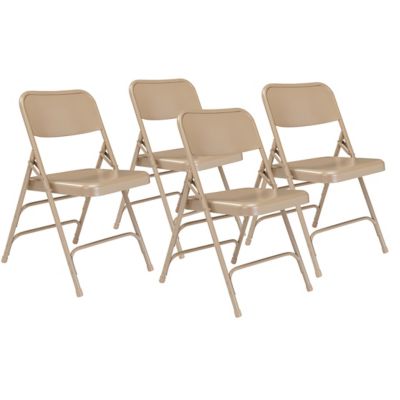
A trampoline built for a higher user weight still needs regular attention to stay fit for jumping. Before a session, a quick look across the mat and around the frame can reveal a torn seam, stretched attachment loop, displaced pad or connection that has started to loosen. Springs and other suspension parts should sit in their intended positions, with no gaps from missing components. Enclosure mesh needs to be free of holes, and the entrance closure should work without forcing it. Movement, scraping or a new uneven bounce can signal that something needs attention before anyone gets back on. Replacement parts should match the trampoline’s specified dimensions and design rather than simply looking close enough. Care is usually straightforward: clearing debris from the mat, cleaning materials according to their care directions and checking fasteners at the recommended intervals all help support a longer service life. Shoes, sharp objects and items carried in pockets can damage the jumping surface or create a hazard, so the maker’s rules for clothing and footwear matter. Clear household boundaries help, too: the trampoline is for controlled jumping, not a launch pad toward another piece of play equipment. For a gift, the best fit depends on the recipient’s age and weight, the household’s usable space and whether someone can handle assembly, inspections and supervision. It is a bigger commitment than a present that goes straight from the box into play, especially when ground preparation or more than one adult is needed for setup. A separate seating spot with
Folding Chairs With High Weight Capacity, placed well outside the required clearance, can give a supervising adult a comfortable view of the jumping area. With the right fit, a properly assembled frame and clear rules, a high-capacity trampoline can become a welcome spot for active breaks close to home.