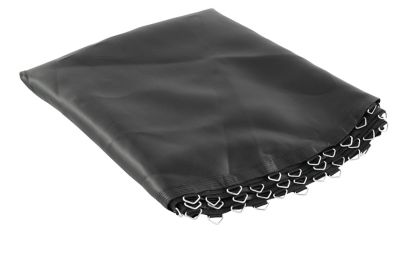
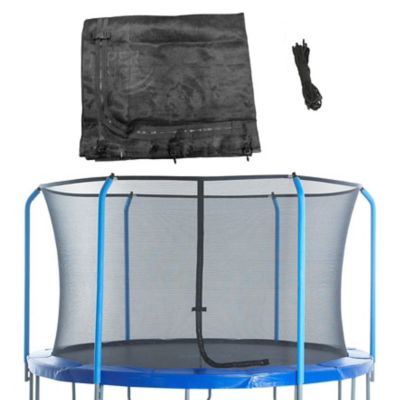
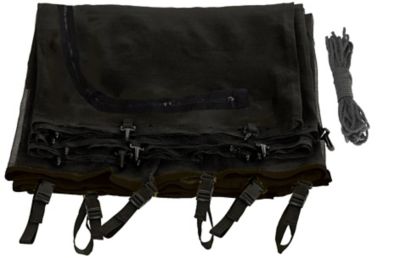
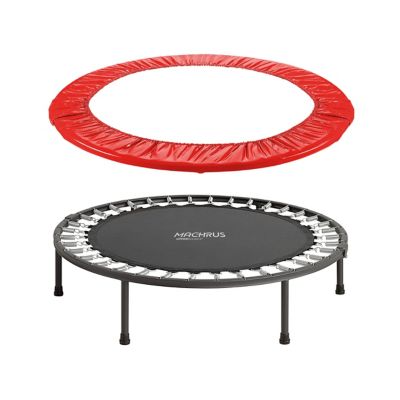
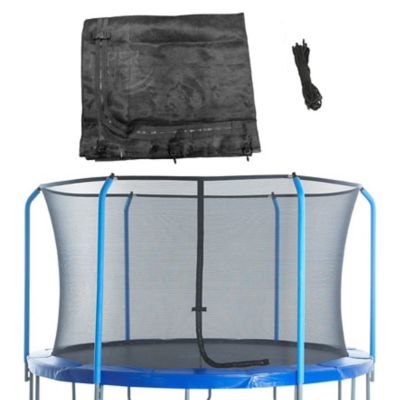
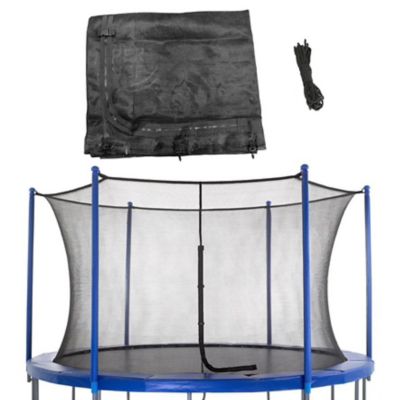
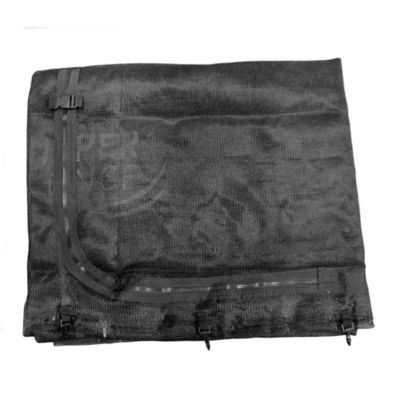
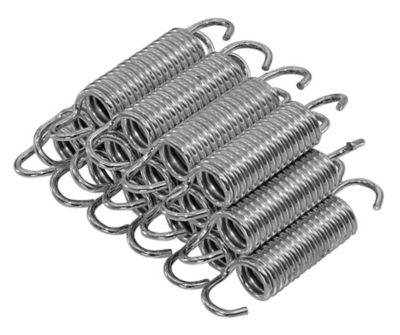
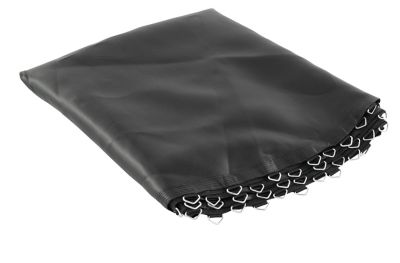
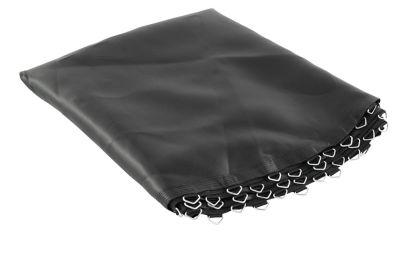
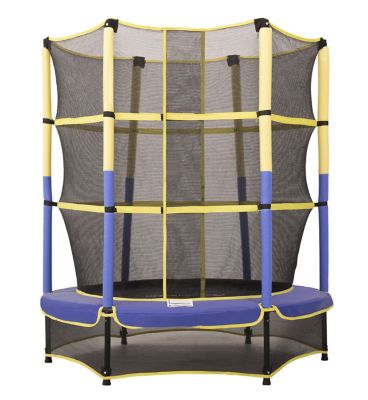
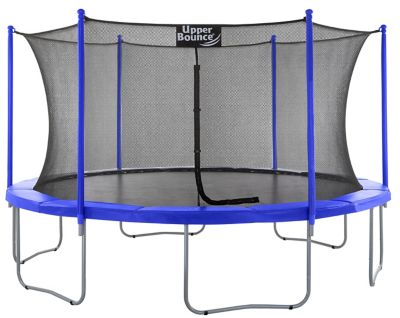
Replacement parts for trampolines include jumping mats, springs, frame pads, enclosure nets, support poles and assembly hardware, with the right match depending on the trampoline’s original design. Each component has a particular job: the mat carries the jumper, the springs connect it to the frame, the pad covers the spring area, and the enclosure helps reduce the risk of falling off the jumping surface. These parts work together, so a replacement needs to match more than the trampoline’s general size. Two round trampolines with the same listed diameter can have different spring counts, spring lengths, mat dimensions or enclosure attachments. The manufacturer’s parts catalog and owner’s manual provide the best starting point for identifying compatible components by model number and part number. A model label on the frame, an original receipt or saved assembly paperwork can help narrow down the match without relying on looks alone. Shape matters, too, since round, rectangular and oval setups have different dimensions and attachment layouts. For jumping mats, compatibility commonly involves the frame dimensions, number of attachment rings and specified spring length. Spring measurements should follow the manufacturer’s directions, which may call for measuring an unstretched spring from end to end, including its hooks. Enclosure nets have their own fit details, including pole count, pole arrangement, height and whether the net connects inside or outside the spring area. A net that looks close in a photograph may still have the wrong sleeves, straps or lower attachment system. For a family keeping a familiar backyard setup in working order, getting those details lined up matters more than finding a part with a similar appearance. Replacement components are intended to restore the original arrangement, not change its size, bounce characteristics or weight rating. Matching the documented specifications helps keep a straightforward repair from turning into a string of mismatched pieces, especially when the frame and enclosure came together as one complete system.
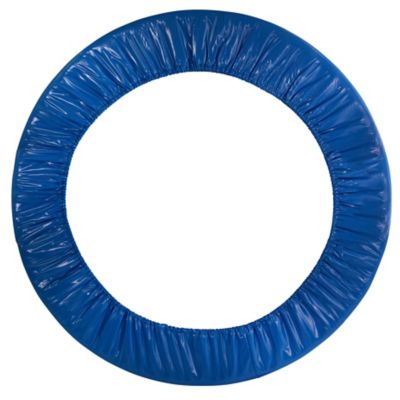
Materials and construction make a difference in how trampoline replacement parts handle repeated movement and everyday contact. Jumping mats commonly feature woven polypropylene with reinforced edges and attachment rings positioned around the perimeter. The weave, stitching and ring connections all contribute to how the mat carries tension across the frame. A tear near an attachment point is different from a surface mark, and loose stitching deserves attention even when the center of the mat still looks sound. Replacement springs are often steel, with protective finishes that help resist corrosion; their length, coil design and hook shape need to suit the original assembly. Mixing springs with different specifications can create uneven tension rather than restore the intended feel. Frame pads generally combine a foam layer with an outer covering, and their width and thickness need to suit the spring area and frame layout. Secure ties or straps help keep that coverage in place, while split seams, exposed foam or missing fasteners can interfere with its purpose. Enclosure netting may be made from woven polyethylene or other synthetic fibers, with reinforced attachment points and a closing system that matches the enclosure design. Mesh condition matters along the bottom edge and around the entrance, where hands, feet and repeated opening put extra strain on the fabric. Care is usually simple but should stay within the manufacturer’s recommendations: gentle cleaning, removal of grit and debris, and checks for loose connections help keep small problems visible. Harsh cleaners, stiff scrubbing and improvised patches can damage materials or hide a problem without correcting it. Pads, nets and mats also need a chance to dry fully before storage when the manual calls for removal. Keeping shoes, sharp objects and toys off the jumping surface helps limit avoidable wear. For households with children eager for another turn, these details are practical parts of keeping the setup ready for its intended use, not just keeping it looking tidy.
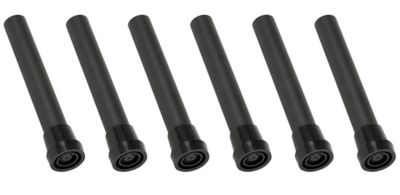
Frame and enclosure hardware can be easy to overlook beside a large mat or net, but a missing bolt, worn connector or damaged pole can affect the whole assembly. Replacement hardware needs the correct dimensions, thread pattern, locking features and material specified for that connection. A bolt that slips through the hole is not necessarily the right fit, and a general-purpose fastener is not automatically a suitable substitute. Enclosure poles may have particular bends, joint locations, end caps and padding that determine how the net sits above the frame. Even a small change in pole shape can pull a net out of position or leave an attachment under strain. The same attention applies to frame sections and leg connections, where damage may extend beyond the piece that first caught someone’s eye. Bent tubing, cracked welds or substantial corrosion call for manufacturer guidance before the trampoline goes back into service. Replacement parts make sense when the remaining structure is sound and the correct components can restore the original assembly; they are not a way to work around structural damage or extend a trampoline beyond its stated limits. A new mat or set of springs does not increase the manufacturer’s weight capacity, and an enclosure does not eliminate injury risk or replace supervision. Age limits, jumper limits and all other operating directions still apply after a repair. When a household’s needs have outgrown the original setup,
Trampolines With High Weight Capacity is a related category to consider rather than trying to alter an existing frame’s rating. For a trampoline that still suits its household, matching replacement components can help preserve the familiar setup without unnecessary changes. Keeping the model details and assembly instructions together also makes later maintenance less of a guessing game. The goal is a complete, correctly assembled trampoline with secure connections, proper coverage and components that belong together.