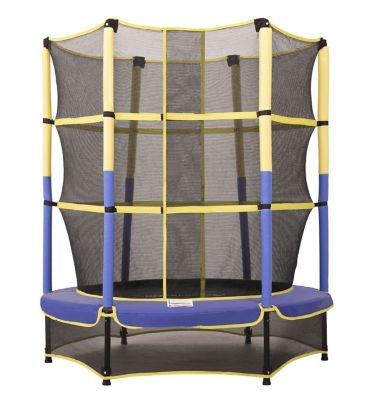
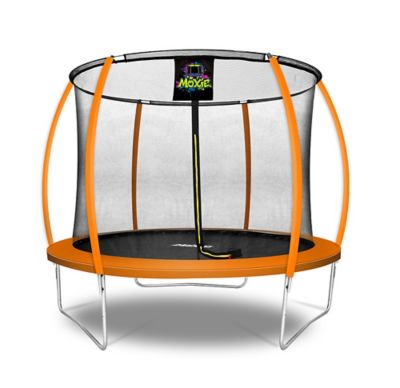
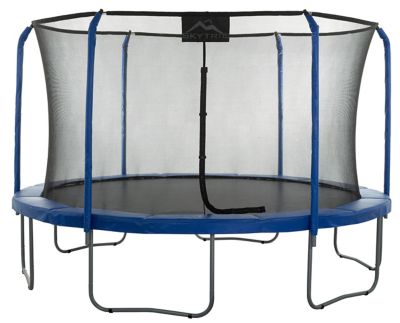
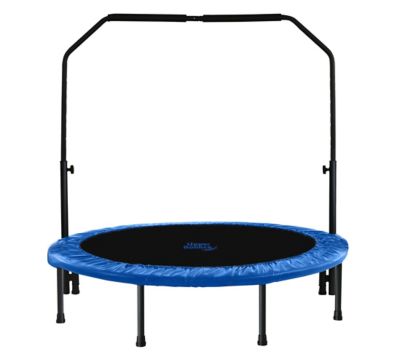
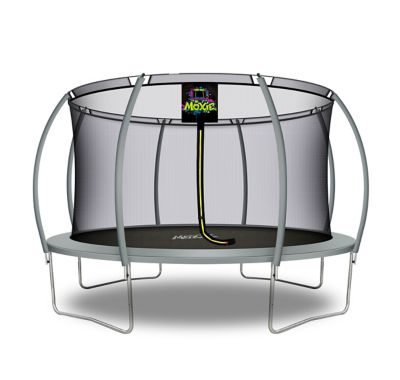
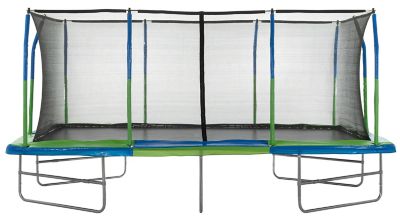
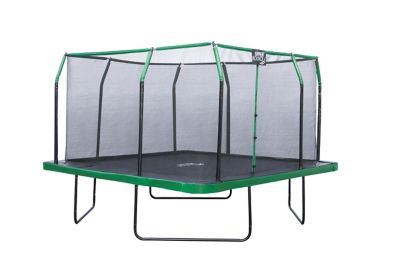
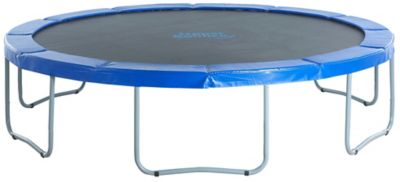
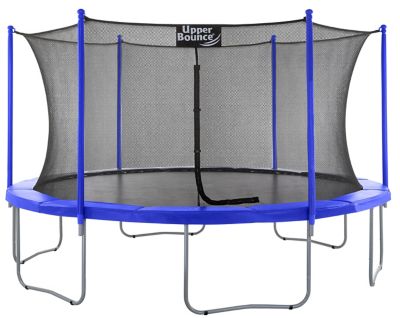
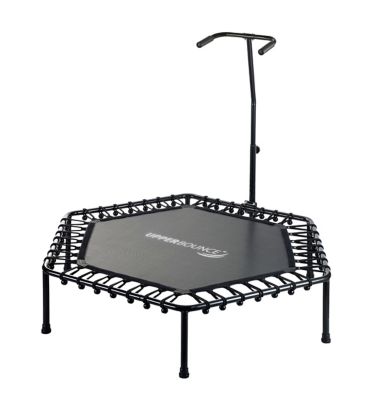
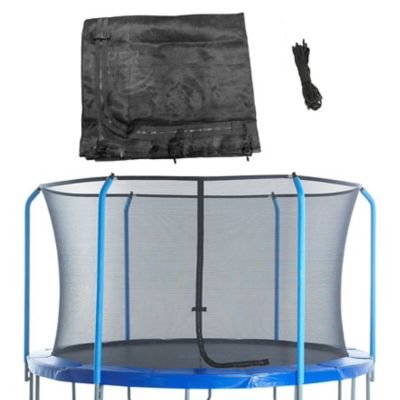
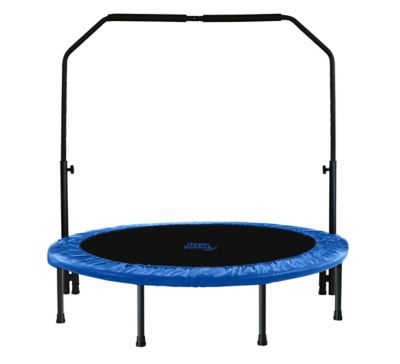
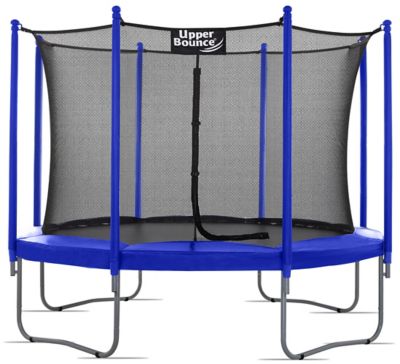
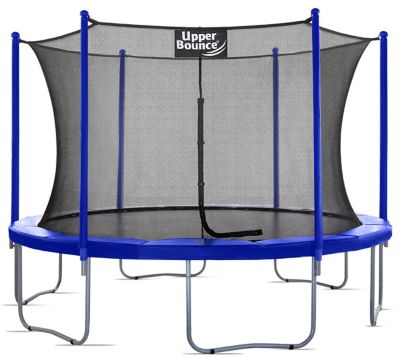
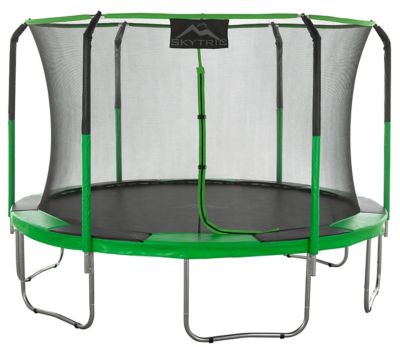
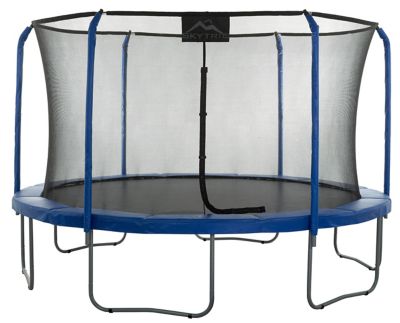
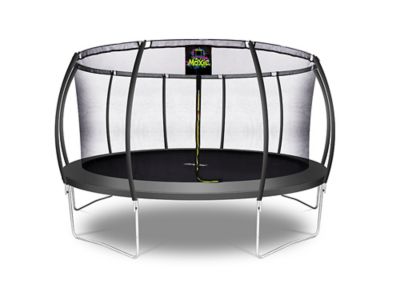
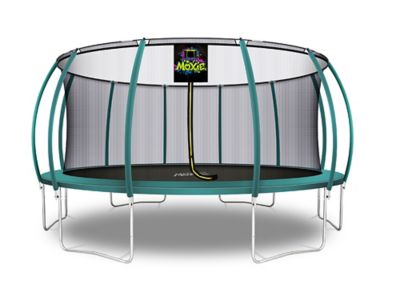
Small backyards can still make room for plenty of outdoor fun with a trampoline chosen to match the space. Round trampolines around 8 feet wide are a popular fit for compact yards because they offer a generous jumping area without taking over the whole lawn. For very young children or especially tight spaces, smaller models in the 4.5- to 5.3-foot range may be easier to place and simpler for a parent or caregiver to keep in view. Springless designs can be a thoughtful choice for families looking to reduce concerns about exposed springs, hard frame edges and pinch points, while traditional spring trampolines may offer a practical balance of size, features and price. The right choice depends on more than the diameter listed on the box. Measure the full outside footprint, including the frame, legs and enclosure, then compare it with the usable portion of your yard. Leave at least 3 to 5 feet of open clearance around the trampoline so jumpers have space away from fences, sheds, trees, walls, patio furniture and other obstacles. Look overhead, too. Branches, clotheslines, roof edges, basketball goals and low-hanging lights can turn an otherwise open yard into a poor location. A level patch of ground is best, with firm soil or another surface recommended by the manufacturer. Avoid placing a trampoline beside a deck, porch, stairs, retaining wall or other raised area where a child could climb or jump onto the trampoline from above. These simple measurements and placement checks can make a small backyard feel more open, orderly and ready for play.
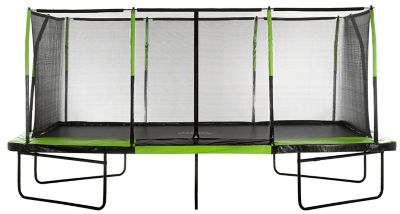
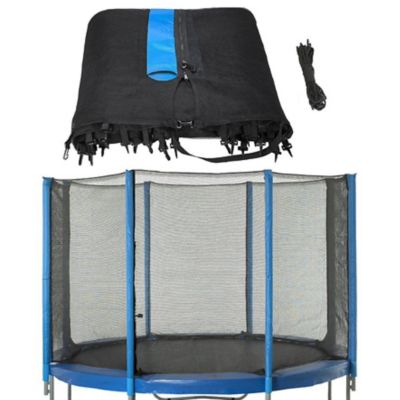
Trampolines for small backyards are often chosen for children who enjoy active play, families looking for a screen-free way to spend time outside, or grandparents who want a fun addition to a well-kept yard. They can also make a memorable gift for a birthday or another special occasion, especially when the recipient has a safe, suitable place to use one. Younger children generally need an age-appropriate trampoline with a secure enclosure, sturdy frame and a jumping surface sized for their stage of development. Older children may appreciate more room to bounce, but a larger trampoline is not automatically a better fit if it leaves little clearance around the frame. Check the listed age range, weight limit and number-of-users guidance before choosing, and plan on one jumper at a time unless the manufacturer specifically says otherwise. A safety net that attaches closely to the jumping mat can help reduce gaps between the mat and enclosure, while padded poles and a well-covered frame add another layer of protection during everyday use. Springless construction may appeal to households that want to avoid traditional springs, though every trampoline still needs proper assembly, inspection and supervision. Keep footwear, toys, balls and sharp objects off the mat, and set clear rules about climbing on the enclosure, hanging from the net, roughhousing and bouncing when the mat is wet. An adult should remain close enough to watch, particularly with toddlers and younger children. It is also worth checking the trampoline before each use for loose fasteners, worn padding, damaged netting, stretched mat fabric or shifting legs. After a windy spell, inspect the anchors and frame before letting anyone climb aboard. During cooler months, a trampoline may sit unused more often, so covering it as directed and clearing away leaves, ice or standing water can help protect the materials and keep the jumping surface ready when outdoor play calls.
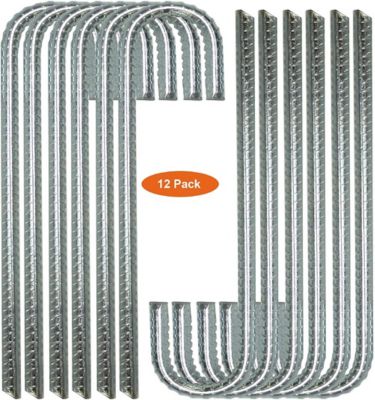
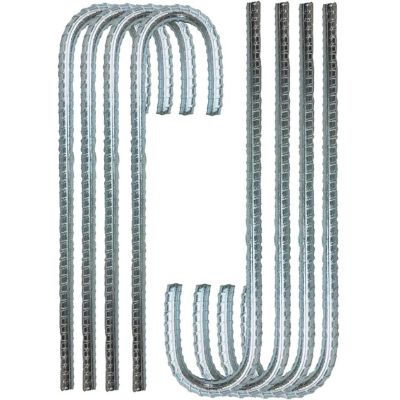
A compact trampoline works best when it becomes part of a safe, manageable backyard routine rather than an afterthought squeezed into the only open corner. Before ordering, measure the yard in several directions and mark the proposed footprint with rope, garden stakes or a hose. Walk around that outline to make sure there is still room to reach gates, care for garden beds, mow nearby grass and move safely around the equipment. Consider how the sun, shade and prevailing wind affect the location. A little shade can make summer bouncing more comfortable, but the area should remain free of branches and other overhead hazards. Secure the trampoline according to the instructions and use recommended anchors, especially in open areas that receive strong gusts. If the yard has soft ground, uneven terrain or drainage issues, address those conditions before assembly instead of trying to level the trampoline with makeshift blocks. Families with limited lawn space may also want to compare other outdoor play options, including
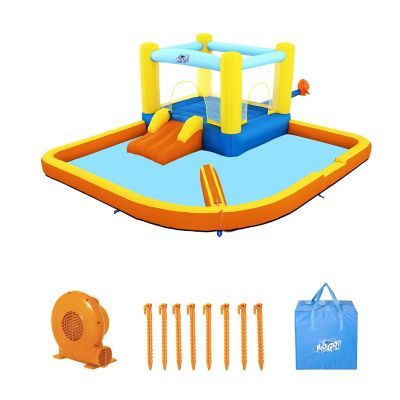
Backyard Inflatables, while keeping the same attention to clearance, supervision and setup instructions. As the weather warms, a small trampoline can give children a place to burn off energy between chores, meals and family gatherings; during cooler weather, it may provide shorter bursts of outdoor activity when conditions are dry and comfortable. Store accessories, shoes and loose toys away from the jumping area, and follow the care recommendations for the specific trampoline, including weight limits, weather protection and seasonal storage. With the right size, open clearance and steady adult oversight, a trampoline can fit neatly into a modest backyard and bring the lively sound of kids laughing and feet thumping across the grass without crowding out everything else.