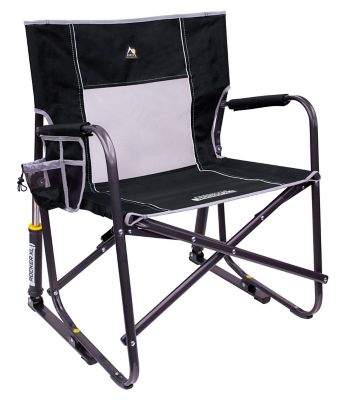
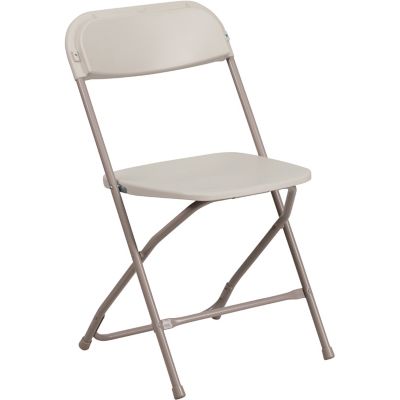
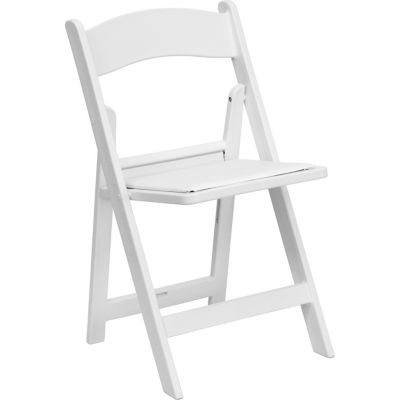
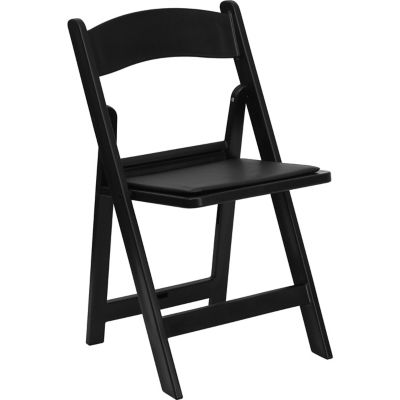
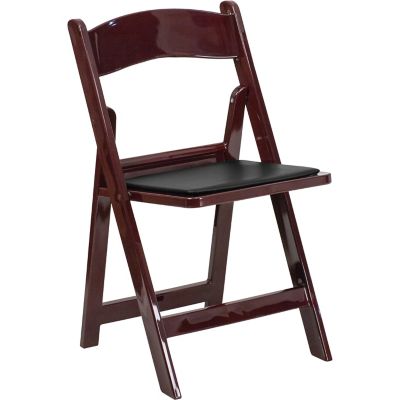
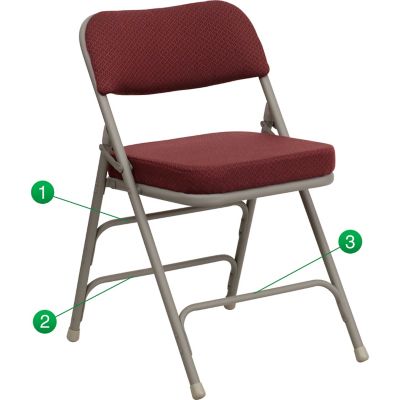
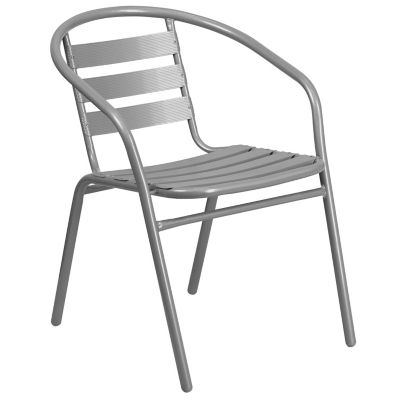
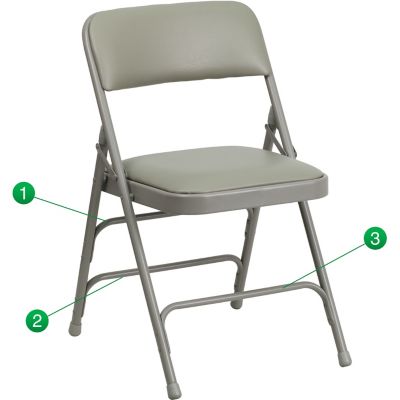
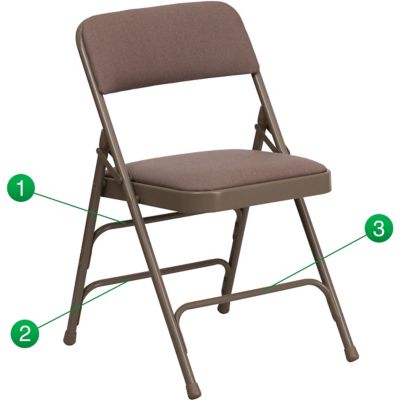
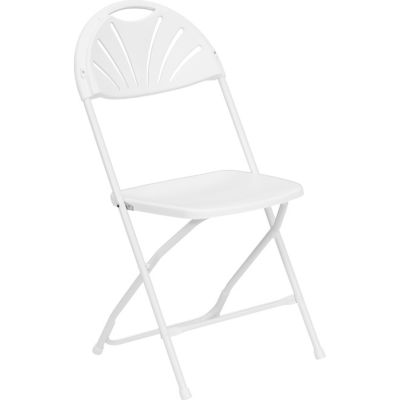
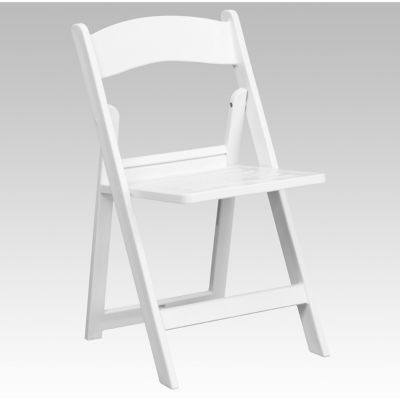
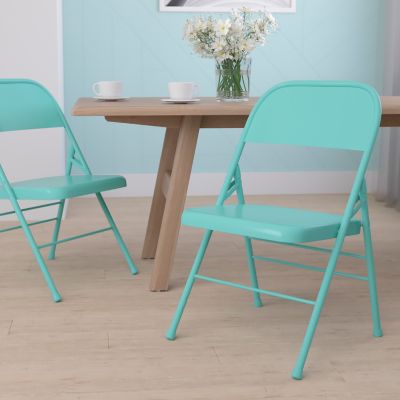
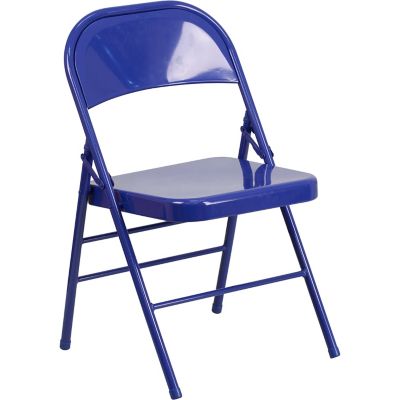
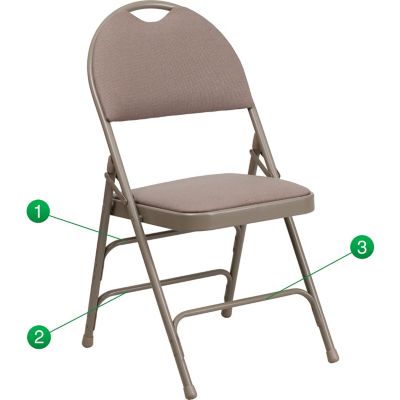
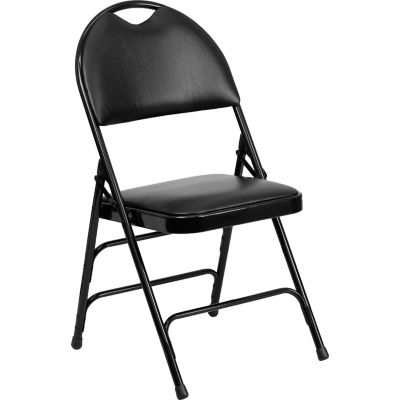
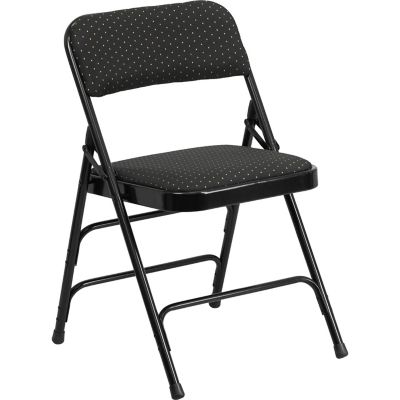
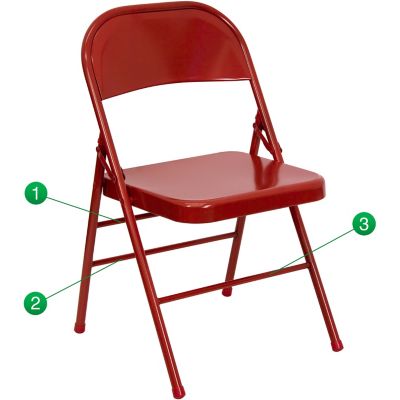
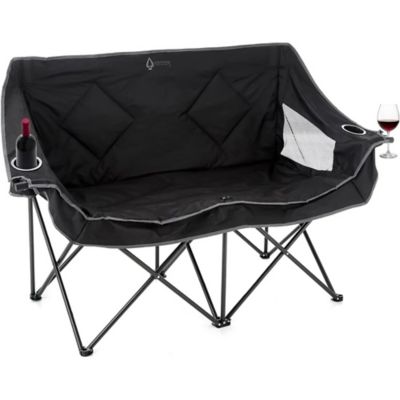
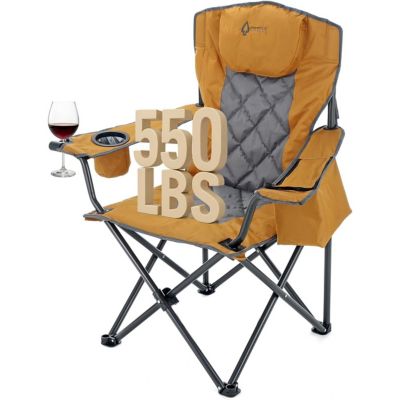
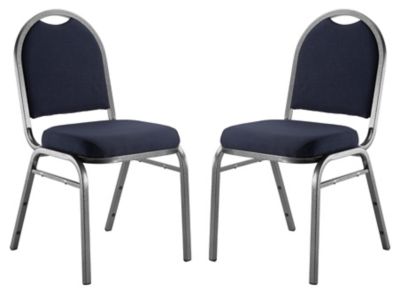
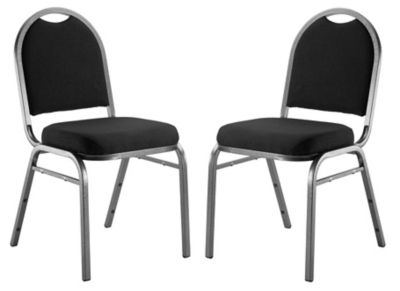
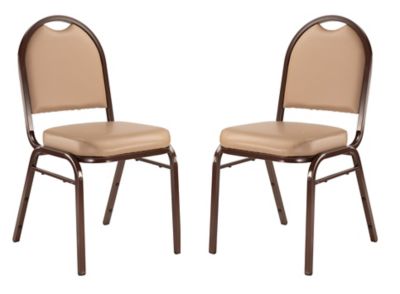
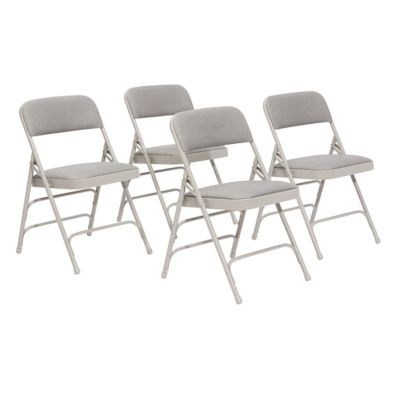
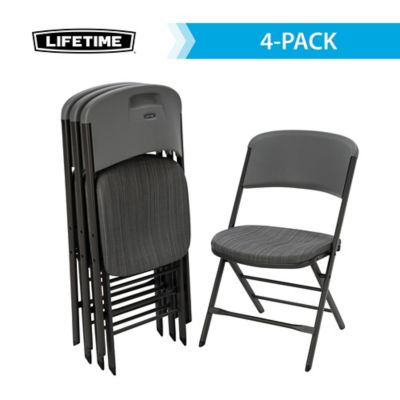
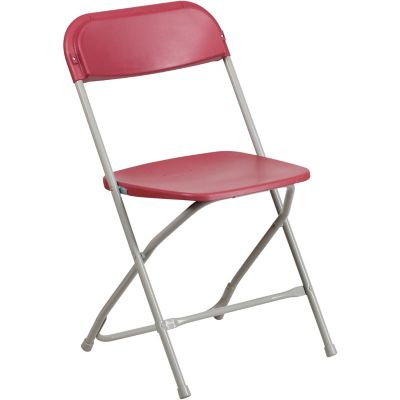
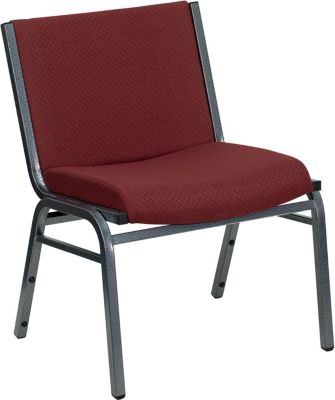
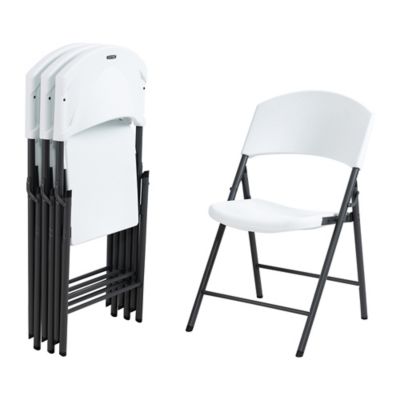
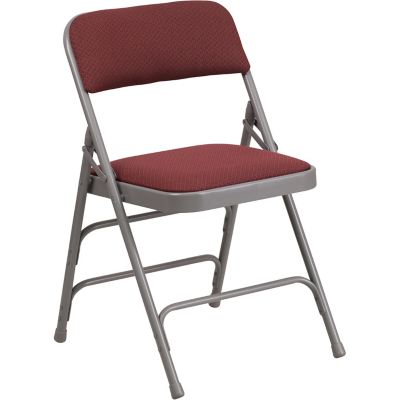
Folding chairs with high weight capacity bring extra support to portable seating, whether the gathering is beside a camper, around a backyard fire pit or inside a community hall. Weight ratings in this category can range from about 400 pounds to 1,000 pounds or more, depending on the chair’s construction and intended setting. Reinforced camping chairs and commercial-style folding seats serve different purposes, so the manufacturer’s stated capacity matters more than a broad description such as heavy-duty or oversized. A higher rating does not automatically mean a wider seat, a taller back or a chair suited to every surface. The best fit brings those details together: enough weight capacity for the person sitting down, room to settle in comfortably and a frame designed for the way the chair will travel and sit. For bigger and taller adults, a generous seat and supportive back can make a long ballgame or an evening by the campsite much more pleasant. Extra seating also comes in handy when family pulls into the driveway, neighbors stop over after chores or a covered pavilion fills up for a potluck. Some folding chairs tuck into a carry bag, while others fold flat for storage along a garage wall or on an appropriate chair rack. That difference matters when there is already a cooler, a feed sack and a toolbox taking up space in the truck. Portable outdoor chairs often favor fabric seats and collapsible frames, while event-style chairs commonly pair metal frames with molded seats and backs. Neither style is automatically stronger; the rating belongs to the complete chair, not simply the material. Published capacities may also reflect different testing methods, including static loads, so a large number alone is not a substitute for checking the intended use. These chairs are seating for one person unless the manufacturer specifies otherwise, and the stated limit should account for anything held while seated, such as a child or a loaded daypack.
Frame construction, seat materials and proportions all shape how a high weight capacity folding chair feels through a full afternoon. Steel frames are common in reinforced designs, with cross-bracing and sturdy joints helping support the seat. Aluminum can cut carrying weight, although strength still depends on the entire design rather than the metal alone. Powder-coated finishes help protect metal surfaces, but scraped areas and damp joints still need attention. Fabric camping chairs may have tightly woven polyester seats, reinforced stitching and additional support at the points where fabric meets the frame. Mesh panels can let air move across the back, while padding adds cushioning for longer sits. During the cooler months, a solid fabric back may feel more comfortable than an open mesh panel when a breeze comes across the field. Molded plastic seats offer a firmer feel and surfaces that are generally straightforward to wipe clean, making them practical for meals, meetings and gatherings where chairs move between tables. Fit goes beyond the overall width listed in the dimensions. The usable space between the armrests, the depth from the front edge to the backrest and the height from the ground to the seat all matter. A deep seat may suit a taller person but leave someone with shorter legs sitting too far forward to reach the back support. A low, soft seat can feel inviting at camp yet take more effort to stand up from than a higher, firmer seat. Armrests may make sitting and standing more comfortable, but they should not be treated as lifting handles or assumed to carry a person’s full weight. Cup holders, side pockets and small attached tables can keep a thermos, gloves or a paperback within reach, though their own load limits still apply. For someone carrying seating from a parking area to a fence line or across a campground, the folded size, chair weight and position of the carry strap deserve as much attention as the open dimensions.
High capacity folding chairs work best when their setup and care match the places they go. A flat, firm surface gives the legs even support; soft soil, sloped ground and loose gravel can let a foot sink or shift, regardless of the weight rating. Wide feet may help spread contact over the ground, but they do not make an uneven spot suitable for seating. At a campsite or outdoor gathering, leaving space between a chair and a fire pit keeps fabric, carry bags and clothing farther from sparks and heat. Indoors, intact foot caps help protect floors and keep bare metal edges off the surface. Each chair should open fully, with any locking mechanism engaged as directed, before someone sits down. Rocking onto the back legs, dropping heavily into the seat or standing on a folding chair puts stress on it in ways a seating capacity does not cover. A quick look at the hinges, fasteners, frame and seat attachment points before a gathering can catch a loose connection or torn seam before the chair gets another outing. Cleaning should follow the material’s care directions, with dirt and spilled drinks removed before storage. Fabric needs time to dry completely after rain, dew or washing, and metal joints benefit from being kept clean and dry. Folding a damp chair into its bag can trap moisture against both the fabric and frame. A sheltered storage spot also helps limit exposure to sun, weather and temperature swings between outings. For households that need supportive seating at the kitchen table every day,
High Weight Capacity Dining Chairs offer a related seating category to consider alongside portable options. Folding designs are especially practical when seats need to move from the shed to the porch, ride along for a fishing trip or clear away after supper. They can also make a thoughtful gift for a camper, sports fan or family member who likes spending time outside, provided the seat measurements, carrying weight and support rating suit the person who will settle into it.