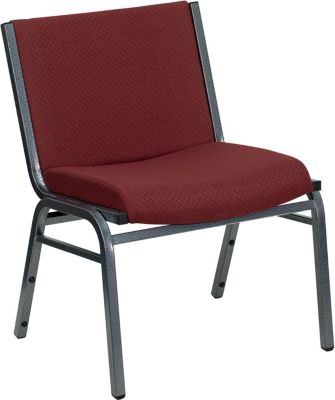
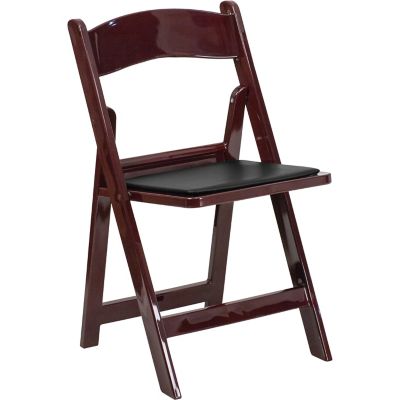
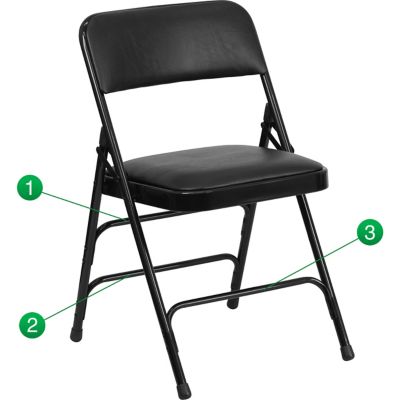
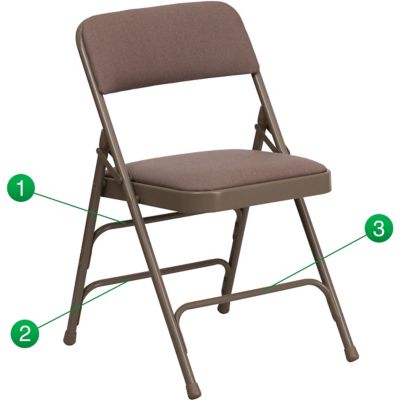
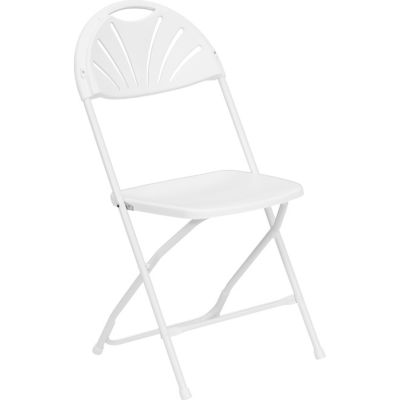
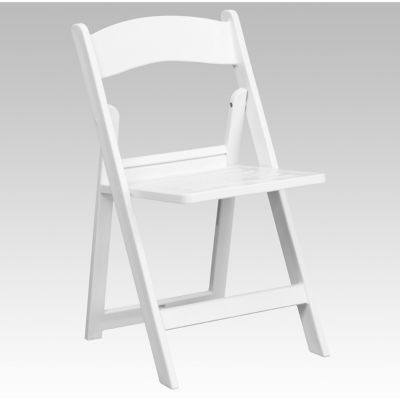
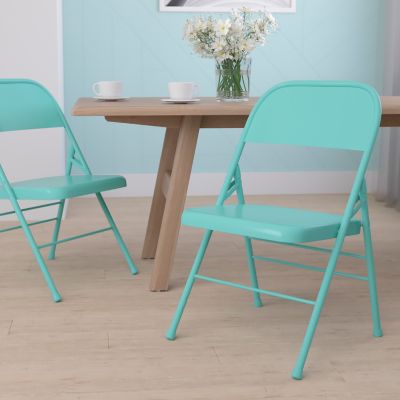
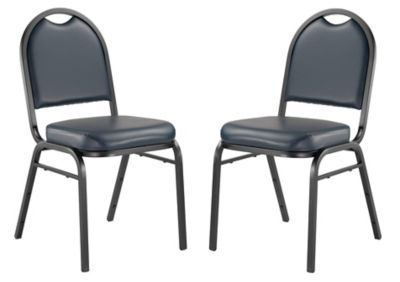
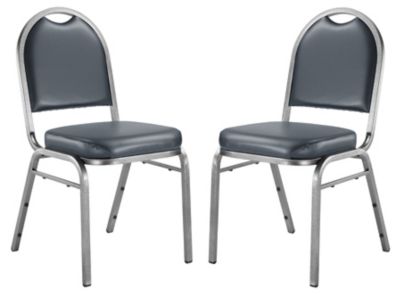
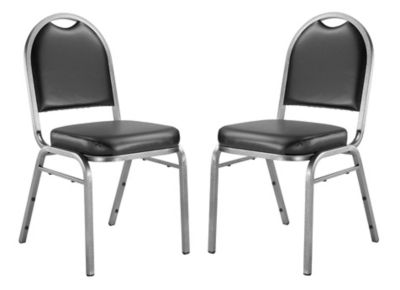
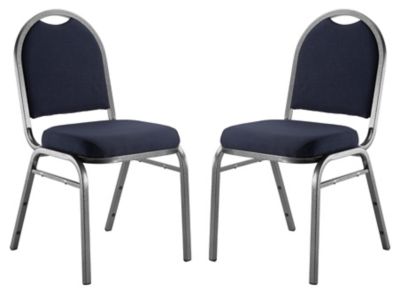
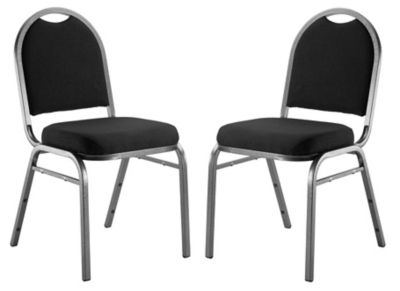
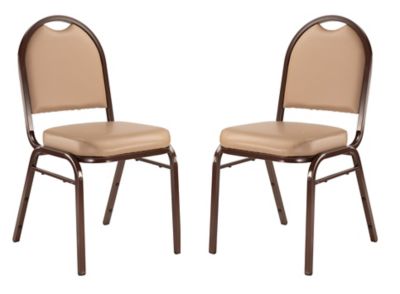
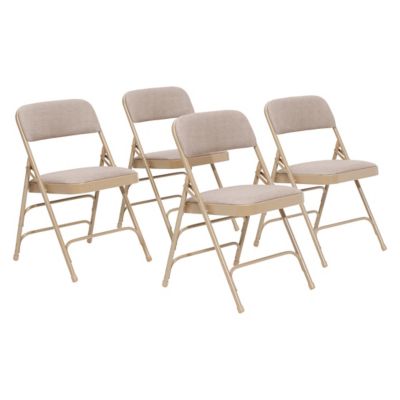
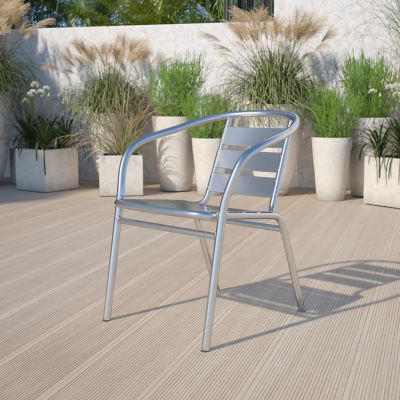
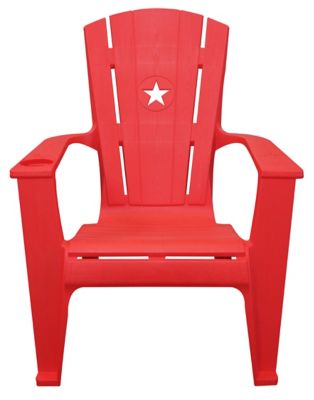
High weight capacity dining chairs are built for steady, dependable seating around the kitchen table, dining room set, breakfast nook, or worktable. Many heavy-duty chairs support between 300 and 500 pounds, though the exact limit varies by construction, materials, and testing standards, so check the listed weight capacity before choosing a set. A chair rated for a higher load can be a practical choice for larger adults, multigenerational households, busy families, and anyone who wants a little more strength in everyday furniture. They also work well in farmhouses, hunting cabins, workshops with a dining area, and guest spaces where chairs may see plenty of use from different people. If you are setting up a table for family gatherings during the warmer season or preparing a comfortable dining space for cooler months indoors, a sturdy chair can make meals, card games, homework, and long conversations feel more relaxed. These chairs can also be a thoughtful housewarming or wedding gift for someone furnishing a new home, especially when dependable seating and a welcoming table are part of the plan. Look for a seat that feels roomy without crowding the table; heavy-duty residential seating often has a seat width of 20 inches or more, which can provide better comfort and help distribute weight across the seat. Seat depth, back height, and the amount of padding matter, too. A wide, supportive seat may suit everyday family meals, while upholstered or padded seating can be a better fit for anyone who spends a long stretch at the table during holiday dinners, Sunday supper, or a lively evening with friends. For extra seating that can be stored between gatherings, consider
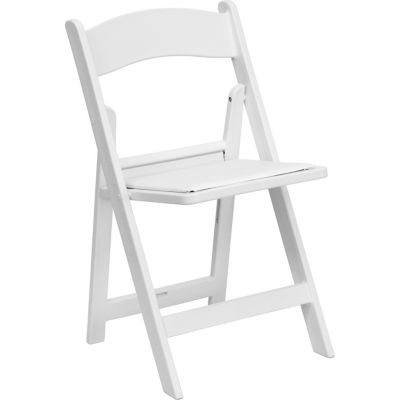
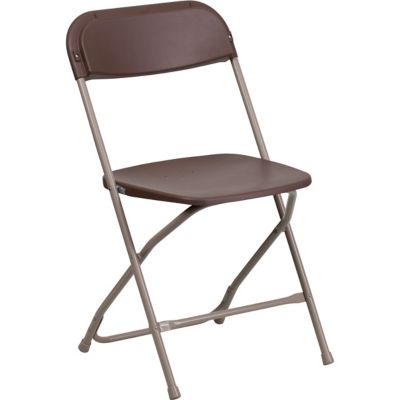
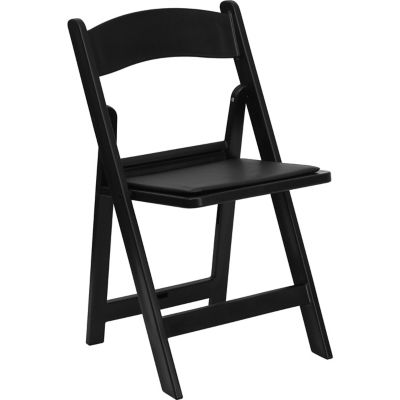
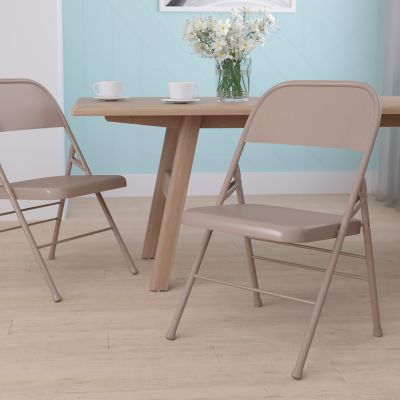
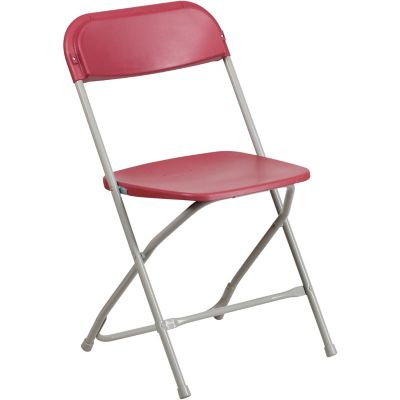
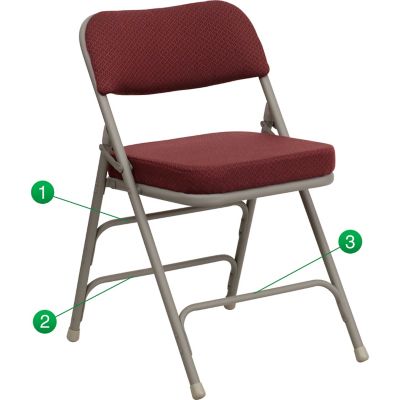
Heavy Duty Folding Chairs with a strong frame and a clearly stated capacity.
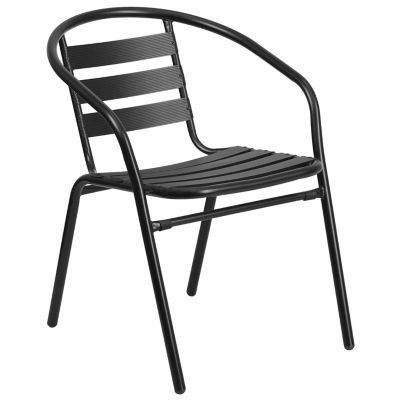
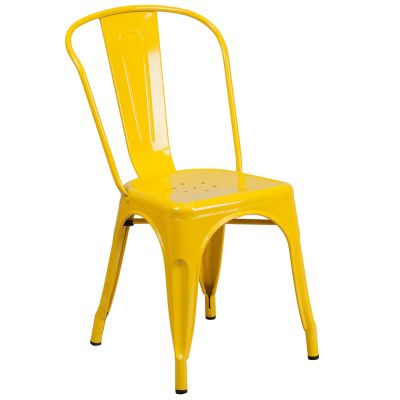
Construction is one of the most important details when comparing high weight capacity dining chairs. Solid wood and rubberwood frames are popular for a warm farmhouse look and can offer reliable support when the joints are properly reinforced. Look for chairs with bolted, screwed, or otherwise mechanically fastened joints instead of frames held together by glue-only dowels. Metal and steel frames are another dependable option, particularly for industrial, commercial, and modern dining styles. Steel generally flexes less than lighter materials and can provide a firm, stable feel beneath the seat. Reinforced legs, corner blocks, support rails, and cross-bars between the legs can improve side-to-side stability, which is especially useful when a chair is pulled out, turned, or used on a hard floor. Open, single-leg designs may look sleek, but a four-leg frame with substantial bracing is often a better match for frequent use and higher weight limits. Check the feet as well. Nonmarking glides can help protect hardwood, vinyl, and tile, while wide feet may sit more securely on a smooth floor. Upholstered chairs and heavy-duty faux leather options add cushioning without giving up strength when they use a reinforced frame beneath the seat. Faux leather can be convenient around a busy table because crumbs and small spills are usually easy to wipe away, while fabric upholstery brings a softer, more lived-in feel to a dining room. For kitchens and dining areas where muddy boots, pet paws, or little hands are part of the daily scene, consider a material that matches the way your household really eats and gathers rather than choosing by appearance alone. A chair that looks good in a catalog still needs to fit under the table, clear the arms of the table apron, and leave enough room for people to sit comfortably.
Before purchasing, measure the table height, available floor space, doorways, and the distance between chair legs. Dining chairs commonly work best when the seat leaves roughly 10 to 12 inches between the seat top and the underside of the tabletop, but arm height and cushion thickness can change that fit. Compare the chair’s overall width with the space at each place setting so guests are not squeezed shoulder to shoulder. It is also wise to read the manufacturer’s weight-capacity information carefully and treat the rating as a maximum tested limit, not a target for constant loading. Daily use close to the upper limit can place more stress on screws, joints, glides, and upholstery, so inspect the chairs from time to time and tighten accessible hardware if it begins to loosen. Keep the frame dry, clean spills promptly, and follow the care directions for wood finishes, metal surfaces, fabric, or faux leather. Avoid dragging a loaded chair across the floor, and replace a chair if you notice cracked wood, bent metal, loose welds, split upholstery, or unusual rocking that does not improve after the feet are adjusted. High weight capacity dining chairs are useful well beyond formal dining rooms: they can provide a steady seat for an older family member, a comfortable place for a guest with mobility concerns, or reliable support at a craft table, game table, or home office. Whether the goal is a sturdy farmhouse feel, a clean metal profile, or a padded seat for long meals, choosing the right capacity, width, frame, and floor protection helps create a dining area that feels solid from the first cup of coffee to the last piece of pie.