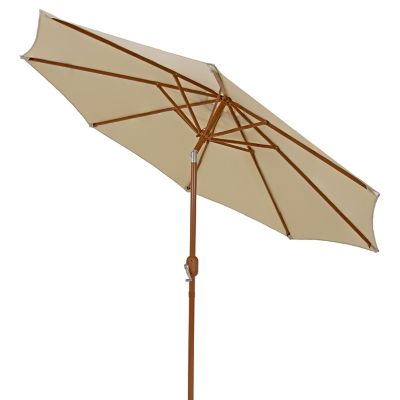
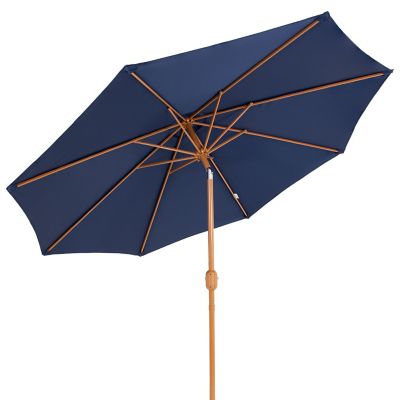
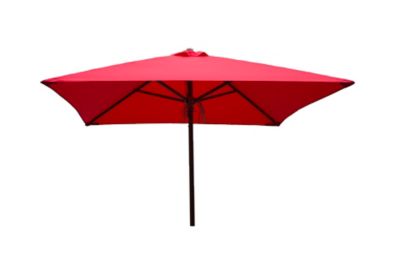
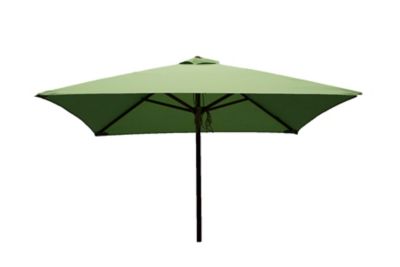
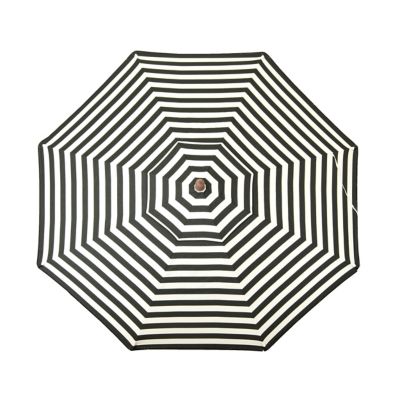
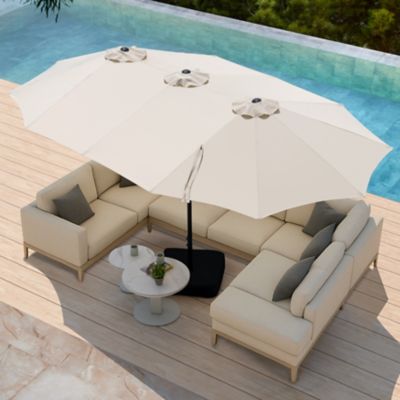
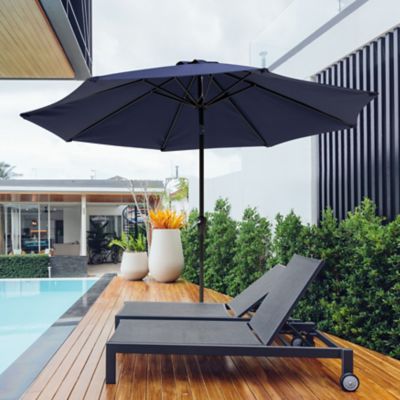
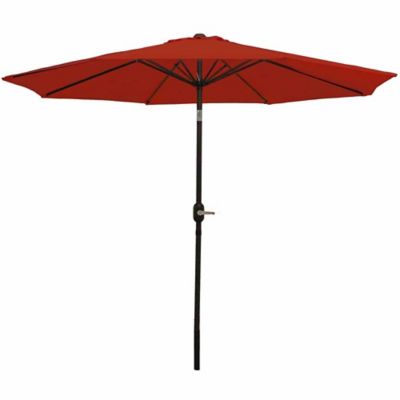
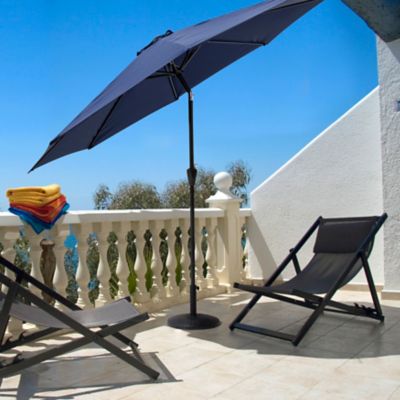
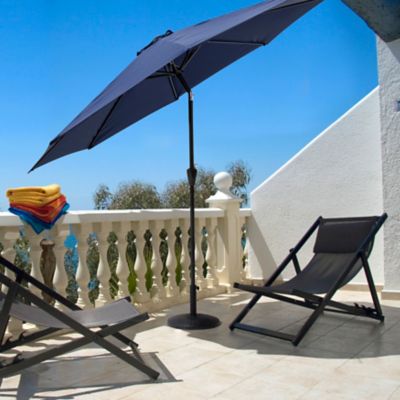
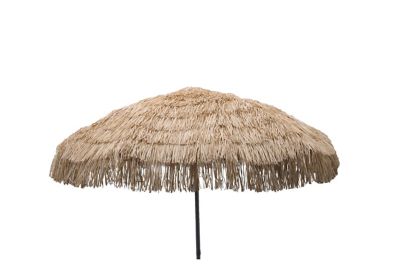
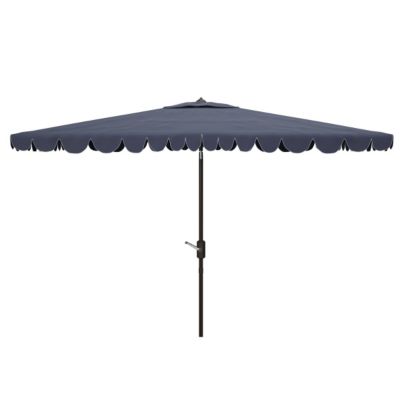
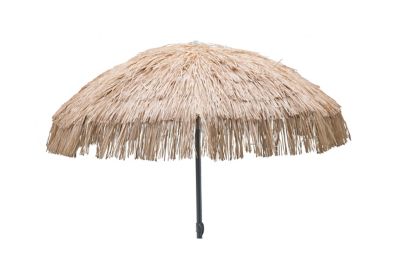
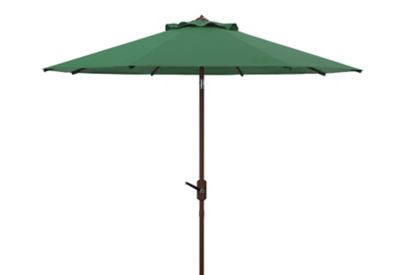
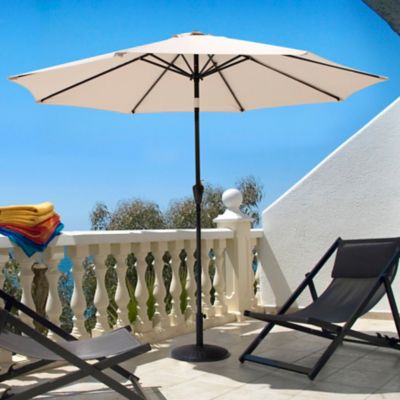
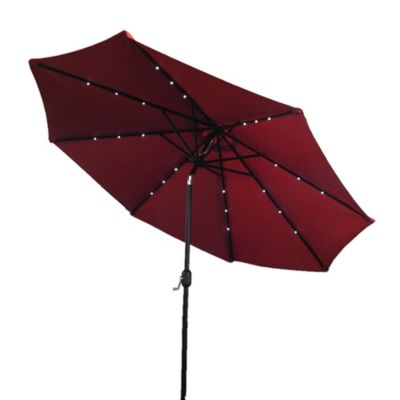
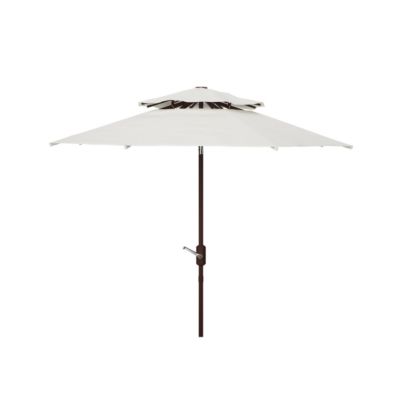
Heavy-duty outdoor umbrellas provide shade for patios, decks, garden seating areas, and outdoor gathering spaces, with frame construction and canopy support designed for demanding everyday use. Their stability depends on the whole setup: the umbrella, its base or mounting system, the surface underneath, and the conditions where it stands. A broad canopy can make a picnic table more comfortable at lunchtime, give a pair of porch chairs a shady spot overlooking the pasture, or cover seating beside a farm stand. For larger residential spaces and business settings, reinforced ribs, substantial poles, and secure opening mechanisms are useful features to compare. Frame materials affect both handling and upkeep. Aluminum generally weighs less than steel and resists rust, while steel can provide substantial support but needs attention wherever its protective finish gets scratched. Powder-coated finishes help protect metal surfaces, though hardware, joints, and exposed edges still deserve occasional inspection. Canopy fabrics matter just as much as the frame. Polyester and acrylic fabrics appear across outdoor umbrella designs, with differences in fabric weight, color retention, water repellency, and protection from ultraviolet rays. Solution-dyed fabric carries color through the fibers, helping it resist fading from sun exposure. A stated UPF rating offers a clearer measure of fabric sun protection than color or thickness alone, although shade does not block every source of reflected or scattered UV radiation. Water-repellent fabric can shed light moisture, but that does not make every canopy waterproof or suitable for remaining open in rain. Reinforced stitching, firmly attached rib pockets, and replaceable components can also contribute to a longer service life. The best fit is an umbrella whose construction matches the job, whether that means shading a family supper table, keeping a backyard sitting area comfortable, or supporting frequent use around an outdoor customer seating space.
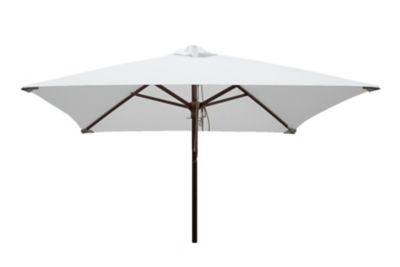
Size and layout determine how well that shade works once the umbrella is in place. Canopy width should relate to the entire seating arrangement, not just the tabletop. Chairs pulled back for sitting, a bench at the end of a table, and the path between the porch steps and the yard all take up room. A little extra coverage beyond the table edge can help keep seated shoulders shaded, but the sun’s angle changes where the shadow falls throughout the day. Round and octagonal canopies often suit round tables or compact conversation areas, while square and rectangular shapes can line up neatly with longer tables and more defined patio layouts. For seating arrangements that need a broader span,
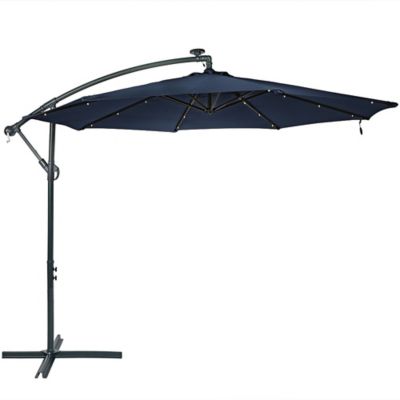
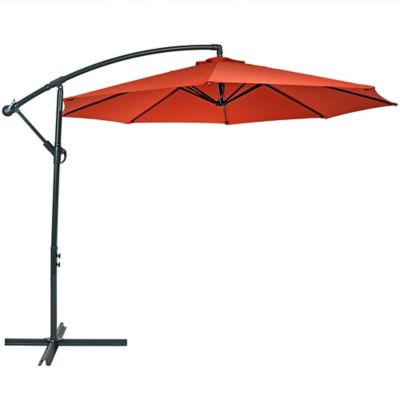
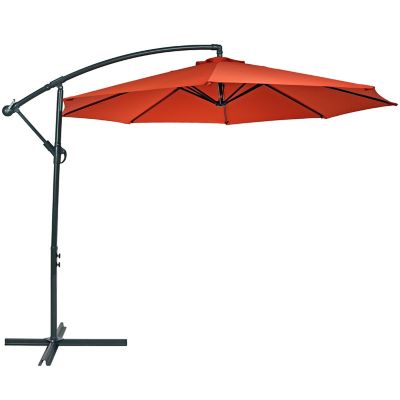
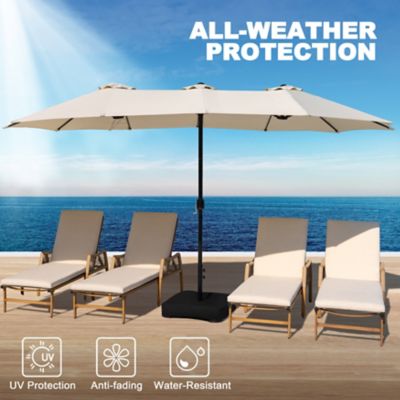
Extra Large Garden Umbrellas offer another way to consider coverage alongside the space needed for the frame and support. Center-pole umbrellas work well with compatible umbrella tables or freestanding seating arrangements, provided the pole diameter, table opening, and base fit together. A table helps position the pole, but it does not replace the support required by the umbrella manufacturer. Cantilever umbrellas hold the canopy from an offset arm, leaving the space beneath it more open for conversation sets, dining tables, or lounge chairs. That open layout comes with different support needs, including enough room for the base and clearance for any rotation or tilt functions. Tilt mechanisms can help redirect shade toward a low sun, while crank lifts make larger canopies easier to open and close without reaching overhead. Handle height and operating effort are worth considering for anyone who prefers controls within easy reach. Nearby railings, roof edges, tree limbs, and exterior lights can limit movement even when the canopy seems to fit on paper. An umbrella should leave comfortable headroom and clear walking paths, with no need to duck around ribs or step over a base on the way to the door. Keeping the canopy well away from grills, fire pits, and other heat sources is another part of a practical outdoor setup.
A substantial base is central to the performance of any heavy-duty outdoor umbrella, but its weight alone does not tell the whole story. The base must match the pole size and umbrella style, and it must meet the manufacturer’s requirements for canopy size and installation. Offset designs often require a specific cross base, weighted sections, or an approved fixed mount because the canopy extends away from the support point. A base that works beneath a small center-pole umbrella may be unsuitable for a much larger canopy. Level placement matters, too: loose gravel, uneven pavers, and sloped ground can prevent a support from sitting securely. Any permanent mounting needs an appropriate supporting structure and the specified fasteners, rather than an improvised attachment to deck boards or a nearby railing. Wind deserves particular attention on open acreage, exposed decks, and patios between buildings where gusts can funnel through. Vented canopies allow some air movement, but vents do not make an umbrella windproof. The heavy-duty label is not a wind rating, and an open canopy should be closed whenever conditions exceed the manufacturer’s limits or when it will be left unattended. Routine care helps keep moving parts working and fabric looking presentable. Loose dirt and leaves are easier to remove before they collect around seams, and mild soap with a soft brush is often suitable when the fabric’s care directions allow it. Thorough rinsing and complete drying before closing or covering help limit trapped moisture and mildew. Harsh cleaners, pressure washing, and stiff scrubbing can damage fabric treatments or finishes. Checking fasteners, rib connections, lift cords, and locking parts can catch small problems before they interfere with opening or closing. A properly fitted cover and sheltered storage when the umbrella is not needed help protect the canopy and frame. With the right support, sensible placement, and regular attention, these umbrellas can make hardworking outdoor spaces more comfortable without getting in the way of everyday life.