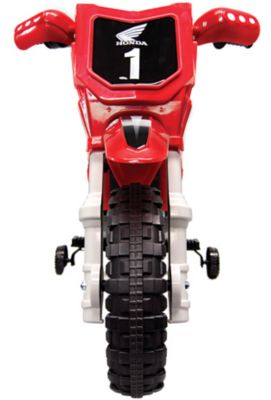
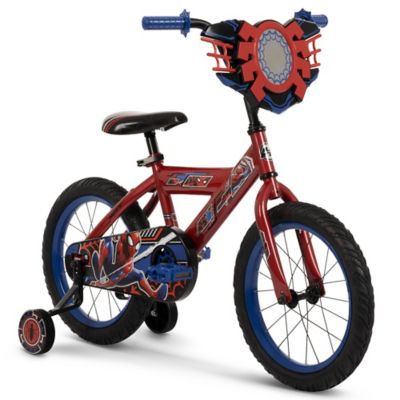
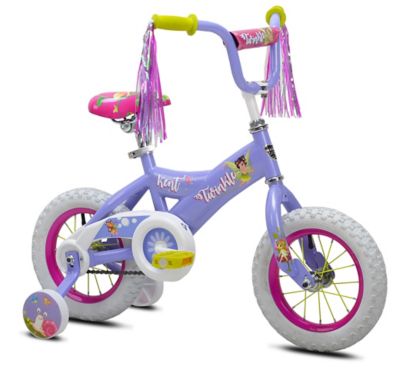
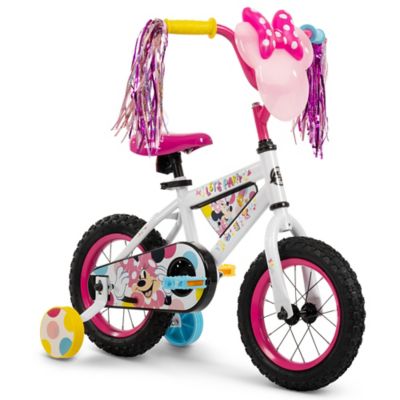
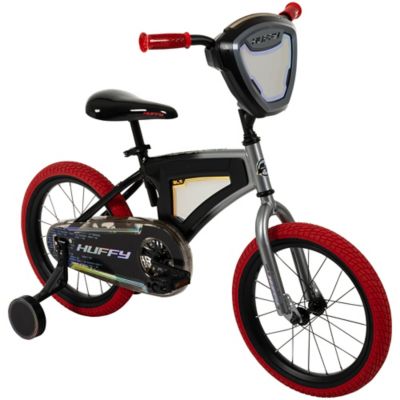
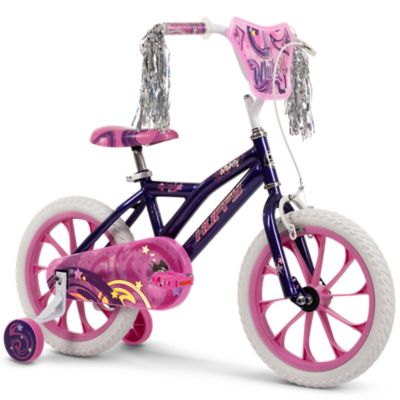
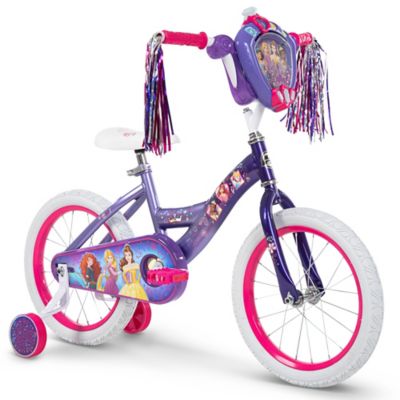
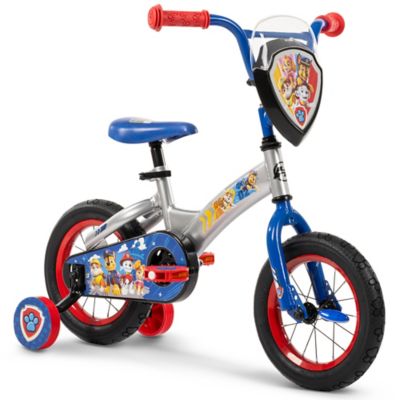
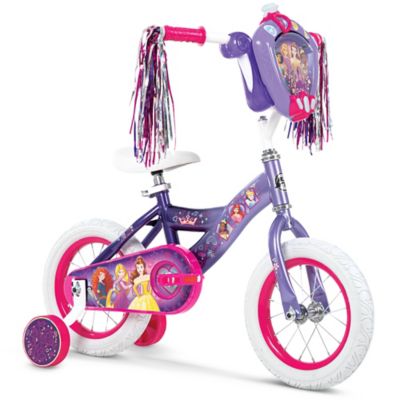
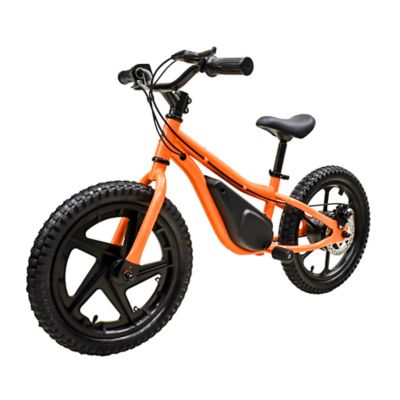
Training wheel bikes give young riders a steady way to get comfortable with pedaling, steering and stopping before they are ready to ride on two wheels. They are commonly chosen for children around ages 3 to 7, though a child’s height, inseam and confidence matter more than age alone. As a general starting point, 12-inch wheels often fit toddlers and young riders about 32 to 41 inches tall, 14-inch wheels are commonly suited to children about 37 to 43 inches tall, and 16-inch wheels may work well for riders about 41 to 51 inches tall. These ranges can overlap, so it pays to check the manufacturer’s fit information and have the child sit on the bike before making a final choice when possible. With both feet resting comfortably on the ground or close to it, a child can steady the bike at a stop instead of tipping sideways. The seat should be high enough for a gentle bend in the knees while pedaling, but not so high that the rider has to stretch or lean to reach the pedals. Handlebars should feel easy to turn, and the grips should be sized for small hands. A low, manageable frame can make mounting and dismounting less awkward, especially for a first-time rider wearing a jacket during cooler weather. Training wheels are useful because they provide side-to-side support while children learn the rhythm of pushing the pedals, keeping their eyes up and guiding the front wheel. They are not meant to replace supervision or good riding habits, so start in a flat, open area such as a driveway, quiet sidewalk or smooth patch of packed ground. Avoid steep hills, busy roads, loose gravel and wet surfaces while a child is learning. A properly fitted helmet should be worn for every ride, with the straps snug beneath the chin and the front edge sitting level above the eyebrows. Closed-toe shoes with soles that grip the pedals are a better choice than flip-flops or loose footwear, and long pant legs, shoelaces or jacket cords should stay clear of the chain and wheels. An enclosed chain guard helps protect fingers and clothing from moving parts, which is especially handy when little riders are still learning to keep their hands and feet where they belong.
When comparing training wheel bikes, look for features that support both everyday use and the child’s next step toward independent riding. Adjustable seats and handlebars can provide room to grow, while removable training wheels allow the bike to change as balance and confidence improve. Some bikes use a rear coaster brake that engages when the rider pedals backward, and others include a front handbrake designed for small hands. A child may need time and patient practice to learn either braking style, so check that the controls are easy to reach and take a few slow test rides before venturing farther from home. Tire size, frame weight and overall construction also matter. A lighter bike may be easier for a child to handle and easier for an adult to lift into a vehicle or carry back after an enthusiastic ride ends. Sturdy tires with dependable tread can help on pavement, paths and smooth hard-packed surfaces, while a comfortable seat makes short neighborhood rides more enjoyable. Standard training wheel bikes often fall in the range of about $85 to $130, although prices vary with materials, included features and seasonal promotions. A bike can make a thoughtful birthday, holiday or special-occasion gift for a child who is eager to join family rides, circle the yard with cousins or pedal alongside a parent on a quiet path. It is worth leaving room in the budget for a properly fitted helmet, and some families also add a bell, reflective details or a small basket for carrying a favorite toy. During the cooler months, plan rides around daylight and dry ground, and store the bike in a covered, dry place when it is not being used. Before each ride, give the tires, pedals, training wheel brackets, seat clamp, handlebars and brakes a quick check; a loose part can turn a fun lap around the driveway into an avoidable tumble. Parents and grandparents often find that short, regular practice sessions work better than one long lesson. A few trips from one end of the sidewalk to the other, with plenty of encouragement, can help a child learn without feeling pressured. Once the rider can start, steer, brake and stop with confidence, the training wheels may be removed and the bike adjusted for the next stage. Families looking for another straightforward riding option as children grow may also browse
Single Speed Bikes for simple setups suited to riders who are ready for a different kind of bike.