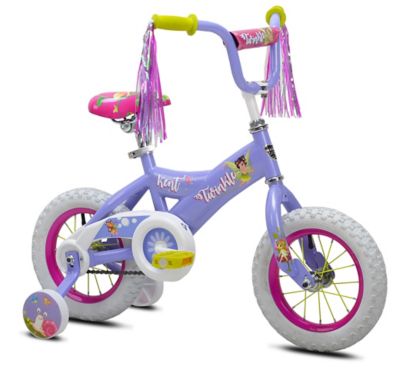
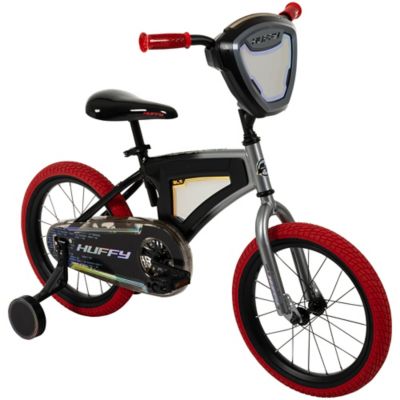
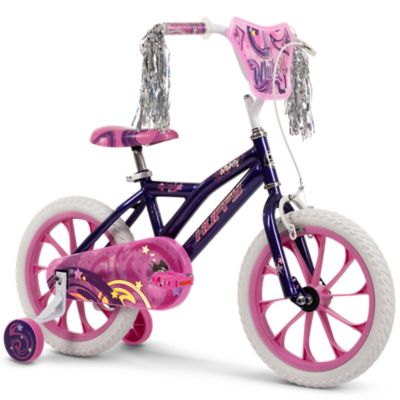
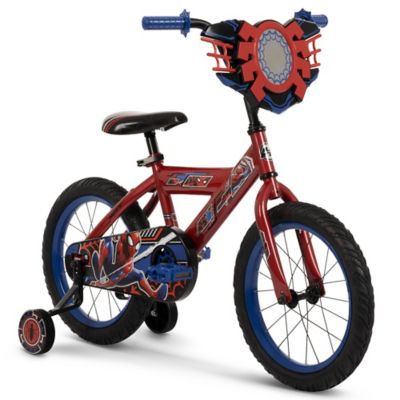
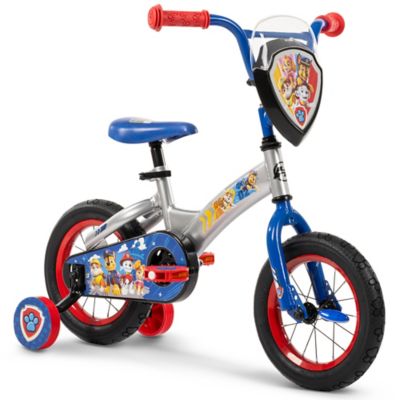
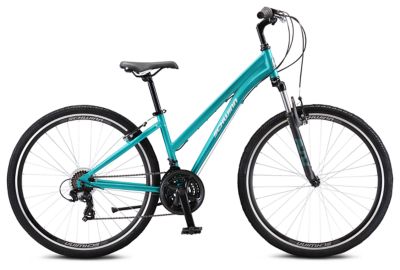
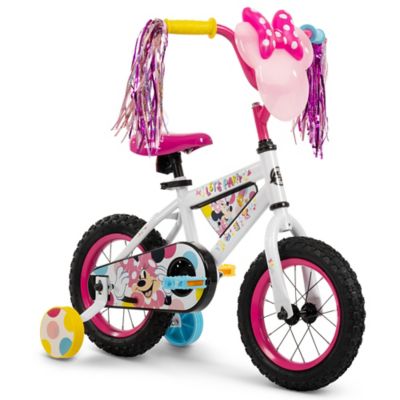
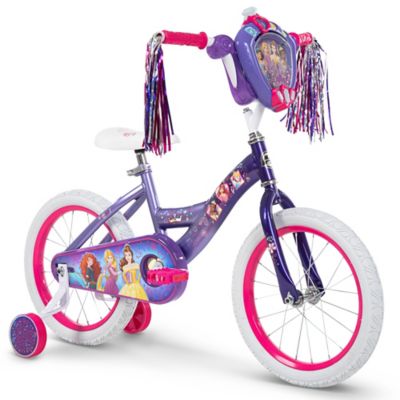
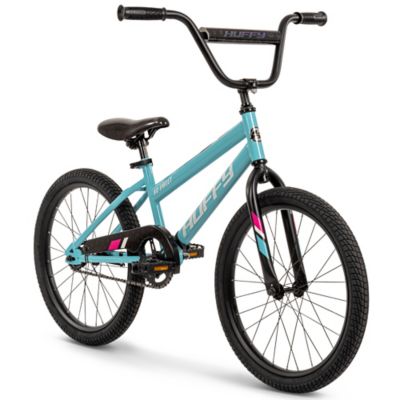
Bikes with coaster brakes slow down when the rider pushes backward on the pedals, rather than relying only on a squeeze of a handlebar lever. The brake mechanism sits inside the rear wheel hub, where backward pedal pressure presses internal braking surfaces together to slow the wheel. Pedaling forward drives the bike, and holding the pedals still lets it coast. A metal reaction arm secures the brake assembly to the frame so it stays in place as braking force builds. That straightforward setup is a familiar choice for children’s bicycles and adult cruisers, especially for easygoing rides along paved paths, neighborhood streets, and level lanes around the property. A coaster brake operates the rear wheel only; some bicycles also have a separate hand brake for additional stopping control. Models without hand brakes keep the handlebars free of brake levers and cables, leaving a simple arrangement of grips and steering controls. For riders who have trouble reaching or squeezing a lever, pedal-operated braking can be appealing, though it still takes leg strength, coordination, and practice. The motion may feel familiar to someone returning to bicycle riding, while a beginner needs time to learn that pushing backward means stopping, not reversing. Many coaster brake bicycles have a single-speed drivetrain, which keeps shifting out of the picture. Others pair a coaster brake with compatible internal hub gears, so brake type alone does not tell the whole story about a bicycle’s gearing. The best match depends on the rider and the ground ahead: a short trip down a smooth lane asks something different of a bicycle than a route with repeated climbs and descents. For relaxed riding, the appeal is easy to picture—hands resting on the grips, eyes on the path, and stopping control through the pedals. Frame shape, riding position, tire design, and overall bicycle weight all help determine how comfortable that simple setup feels from one ride to the next.
Fit matters just as much as brake style, whether the bicycle is for a child learning to ride or an adult heading out for a quiet loop after chores. Wheel diameter is a starting point, not a complete sizing system. Frame dimensions, saddle adjustment, handlebar reach, and the manufacturer’s height recommendations give a fuller picture of who a bike will fit. A rider should be able to reach the grips without stretching, steer without knees crowding the bars, and get on and off with confidence. A lower step-through frame can make mounting easier, while a properly adjusted saddle helps the legs pedal comfortably without excessive knee bend or rocking at the hips. Children need a bicycle they can manage today, rather than an oversized frame meant to last through several growth spurts. For a learner, being able to put feet down easily can matter more than achieving the leg extension an experienced rider prefers. Bicycle weight deserves attention, too: a child may be able to pedal a bike along a straight stretch but struggle to hold it upright during a turn or lift it after a tip-over. Families considering extra balance support can also explore
Training Wheel Bikes, keeping in mind that training wheels do not replace braking practice, supervision, or a well-fitting helmet. Steel and aluminum are common frame materials. Steel frames often weigh more than comparable aluminum designs, although tubing, frame size, and components affect the finished weight. Both need sensible care, and paint chips on steel deserve attention to help limit corrosion. Tires influence the ride as well: wider tires can soften small bumps at the recommended pressure, while tread should suit the surface. A broad saddle and upright handlebars may suit leisurely trips, but comfort comes from the whole fit, not saddle size alone. When a bicycle is a gift, the recipient’s measurements, riding experience, and preferred routes are more useful than age by itself. Their ability to lift, park, and steer the bicycle matters long after the first ride.
Coaster brake bicycles have fewer exposed brake parts than many cable-operated systems, but low maintenance does not mean no maintenance. The enclosed hub helps shield the braking mechanism from dirt; it does not make the assembly waterproof or free from wear. Tires still need pressure checks, wheels should turn without wobbling, and the chain needs appropriate cleaning, lubrication, and tension according to the bicycle’s instructions. Chain condition is especially important because a coaster brake depends on the drivetrain to transmit backward pedal force to the rear hub. A chain that comes off or breaks can leave that brake unable to operate. The rear axle hardware and brake reaction arm also need secure attachment, particularly after rear wheel removal or adjustment. Internal hub service is a job for someone familiar with that brake’s construction and lubricant requirements. A change in braking feel, grinding, unusual looseness, or delayed engagement calls for inspection before another ride. Storage under cover, wiping away mud, and avoiding high-pressure water around bearings help protect the bicycle over time. Out on the path, smooth pedal pressure gives better control than a hard backward stomp, which can lock the rear wheel and send the tire sliding. Loose gravel, sand, and uneven ground make that loss of traction more likely, so a coaster brake is not a substitute for matching speed to the surface. Long, steep descents can build heat inside the hub and reduce braking performance; they are not the same job as a gentle cruise across level ground. A bicycle with an additional hand brake offers another braking control, but riders still need to learn how both systems respond. Beginners benefit from practicing starts and gradual stops in a clear, level area away from traffic. With a suitable fit, sound upkeep, and routes that match its capabilities, a coaster brake bike can be a straightforward companion for everyday recreation.