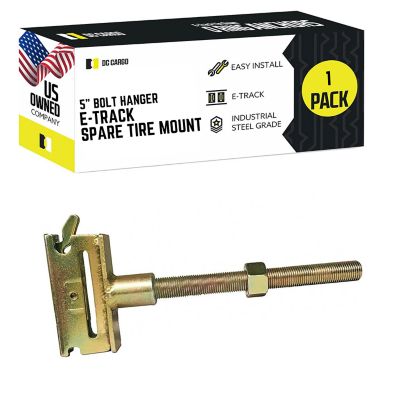
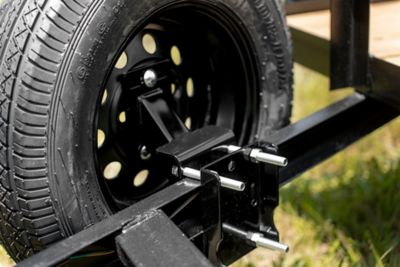
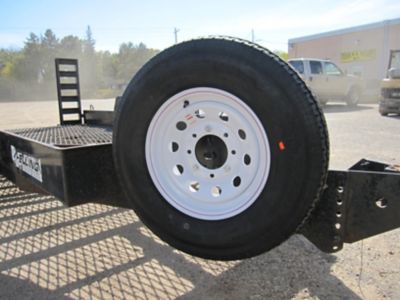
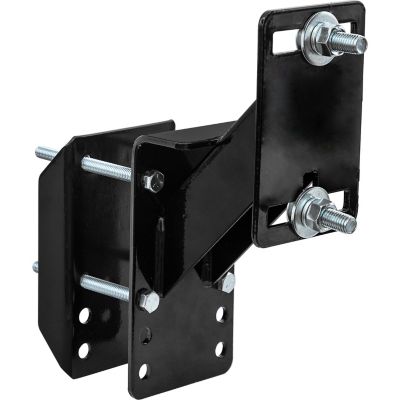
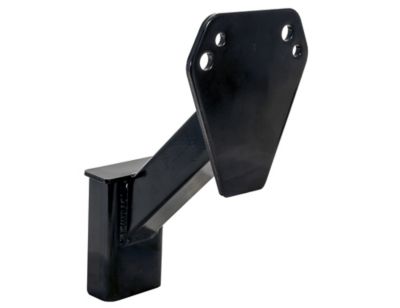
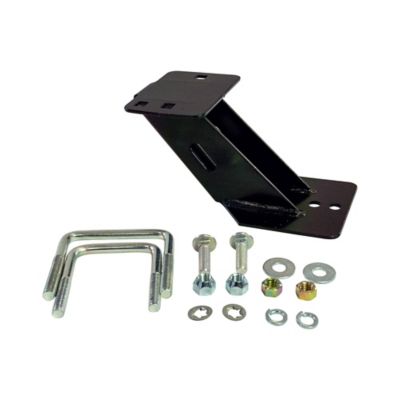
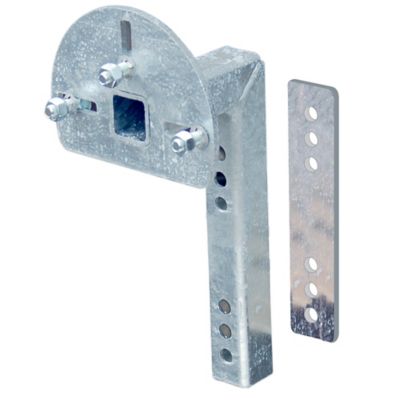
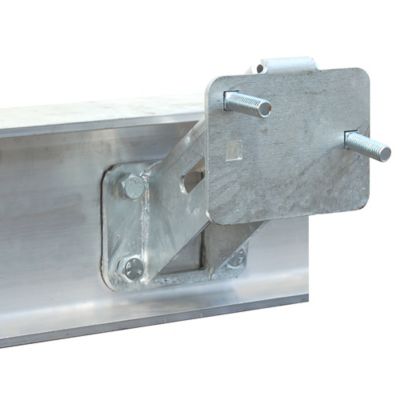
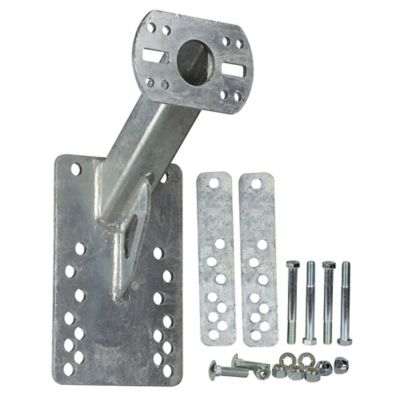
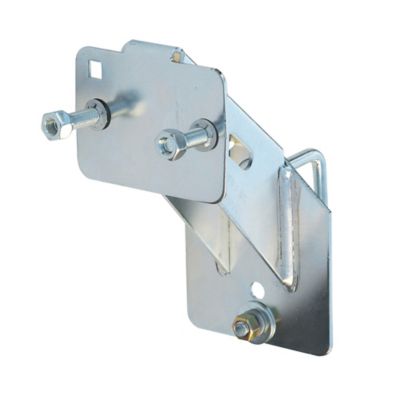
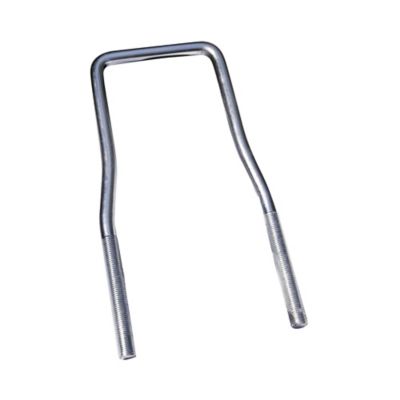
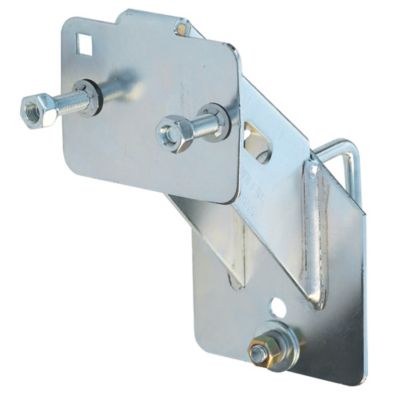
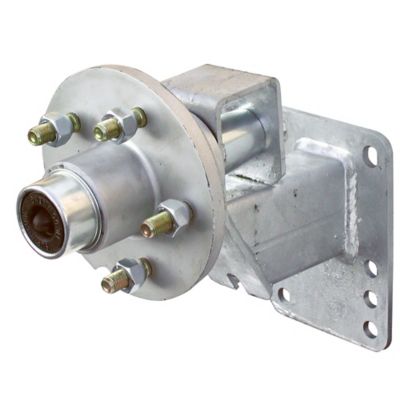
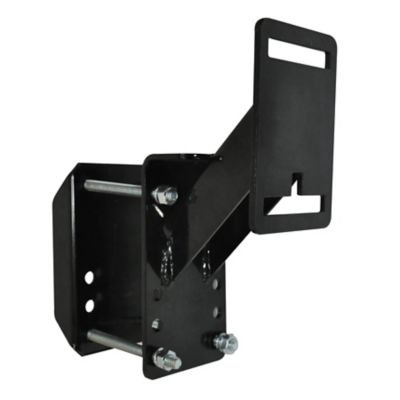
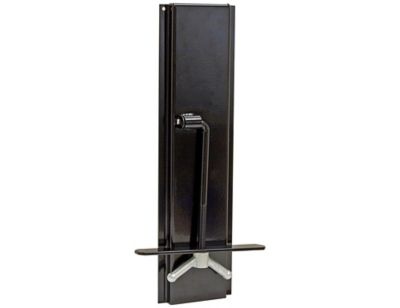
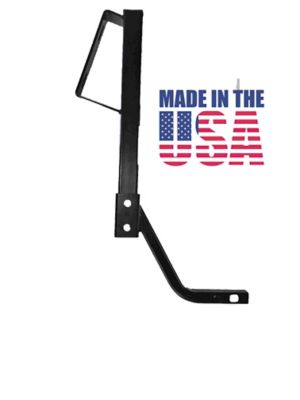
A trailer spare tire mount is a bracket or carrier that holds a spare wheel and tire assembly on a trailer’s frame, tongue, or reinforced wall. It gives the spare a designated place to ride, keeping it out of the cargo area and within reach when a tire needs changing. That matters whether the trailer carries fencing supplies to the back pasture, a mower between properties, or a boat to the landing. A loose spare takes up room and needs its own secure restraint; a properly matched mount keeps the assembly attached without relying on a corner of the trailer bed to hold it in place. Trailer spare tire mounts come in several configurations because trailers leave different amounts of room around the tongue, rails, and cargo space. Side-mounted brackets can carry the spare beside a frame rail, while raised or offset designs position it farther from the mounting surface. Tongue-mounted carriers put the spare near the front of the trailer, although their placement needs to leave room for the coupler, jack, safety chains, wiring, and tow vehicle during turns. Wall-mounted carriers serve a different layout, holding a spare inside an enclosed trailer where a suitable structural attachment point supports the load. Thin wall panels alone are not a substitute for that support. The right mounting location also leaves gates, ramps, doors, and tie-down points accessible. For a utility trailer that regularly carries lumber or livestock panels, keeping the spare clear of the loading path can make everyday work less awkward. For an equipment trailer, clearance around machinery and attachment points may matter more than keeping the spare close to the hitch. Mount selection starts with the trailer’s construction and the space the tire actually needs, not just an open stretch of metal. The spare’s weight and its position also count toward the trailer’s overall loading and can affect tongue weight, so placement deserves the same attention as the rest of the load.
Fit involves both sides of the connection: the bracket must fit the trailer, and the wheel must fit the bracket. Frame width, frame height, material thickness, and the shape of the mounting surface help determine whether a clamp-on or bolt-on design is suitable. An open channel, rectangular tube, and angle-iron rail do not present the same attachment surface. Clamp-style mounts need the specified contact area and hardware engagement, while through-bolted mounts require an approved location for holes. Drilling or welding on a trailer frame should follow the trailer manufacturer’s guidance rather than treating every rail as an acceptable mounting point. On the wheel side, important details include the number of lug holes, bolt-circle diameter, center opening, wheel offset, and compatibility with the carrier’s studs or retaining hardware. A bracket described for several bolt patterns still has limits; the supported patterns and wheel dimensions need to match the spare. Tire outside diameter, section width, and the combined weight of the mounted tire and wheel matter, too. A spare can line up with the studs yet sit too close to a fender, drag below the frame, or exceed the carrier’s weight rating. Raised and offset mounts can help with certain clearance needs, but they are not a substitute for checking the full assembly’s dimensions. Space for a wrench and a clear path for lifting the spare off the carrier are worth considering before settling on a location. A tire wedged behind cargo or trapped against the jack is harder to reach when the trailer is loaded. The spare itself also needs to suit the trailer’s axle, hub, and load requirements. When comparing
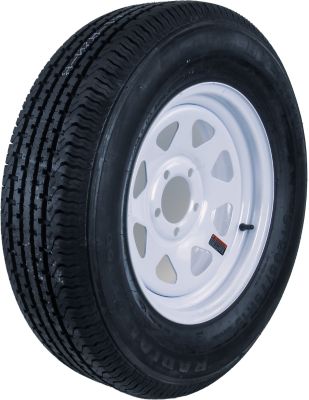
Trailer Tires, tire size, load range, wheel compatibility, and the trailer manufacturer’s specifications remain separate checks from the mount’s fit. A carrier secures the spare for travel; it does not make an otherwise mismatched wheel and tire suitable for the trailer.
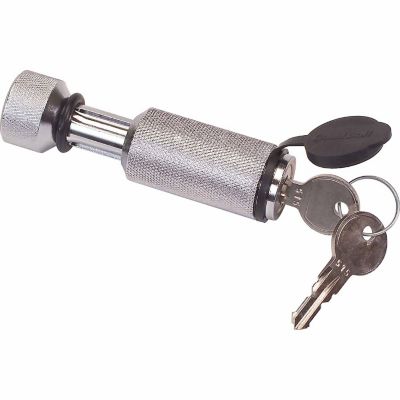
Steel is a common material for trailer spare tire mounts because the bracket must support the assembly through vibration and repeated road movement. Metal thickness, bracket shape, weld construction, and attachment hardware all contribute to strength, so a stated carrying limit is more useful than judging a mount by appearance alone. Painted, powder-coated, and galvanized finishes provide different forms of surface protection, with care needs that depend on the finish and operating conditions. Scraped coatings, exposed edges, and moisture trapped between contacting surfaces deserve attention, especially on trailers that encounter road salt, muddy lanes, or water at a boat ramp. Galvanized steel offers a zinc coating, while painted and powder-coated surfaces depend on an intact finish to help shield the steel beneath. None of these finishes eliminates the need for inspection. Compatible fasteners and any specified spacers or backing plates are part of the mounting system, not incidental extras. Substituting hardware without checking its dimensions and strength rating can change how the bracket carries the load. Some carriers provide a place for a lock or include a locking arrangement, which can help discourage theft, but a lock does not replace the required retaining nuts or other fastening hardware. Everyday care is straightforward: keep the carrier clean enough to spot cracks, bent sections, corrosion, and loose connections, and follow the manufacturer’s tightening specifications. A quick look before hauling and another check after initial travel can help catch movement before it becomes a larger problem. The spare deserves attention alongside its mount, including inflation pressure, tread condition, and signs of aging. Keeping the valve stem accessible makes pressure checks easier without removing the wheel. Around a farm, workshop, or jobsite, a well-positioned carrier earns its place by staying out of the way until the spare is needed. The best fit is a mount that holds the correct assembly securely, leaves working parts clear, and lets the spare come off without unloading half the trailer.