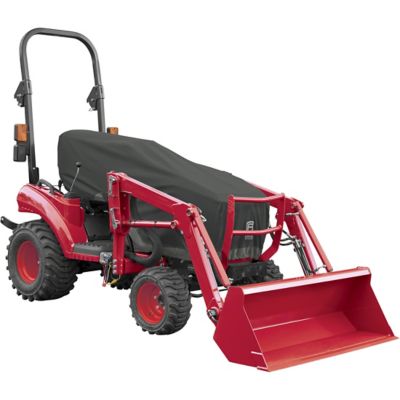
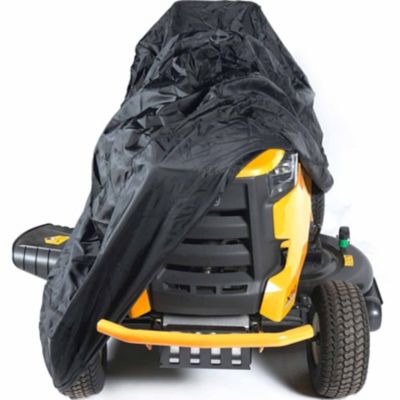
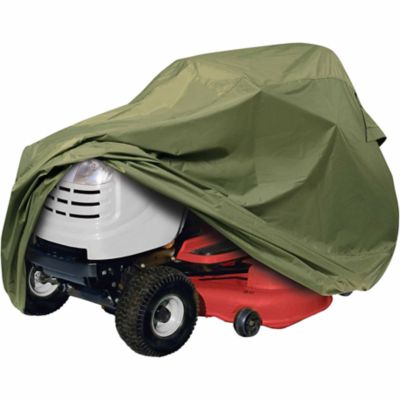
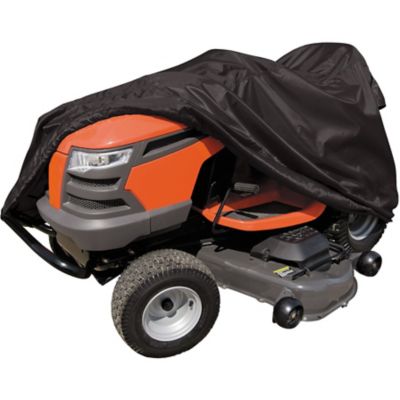
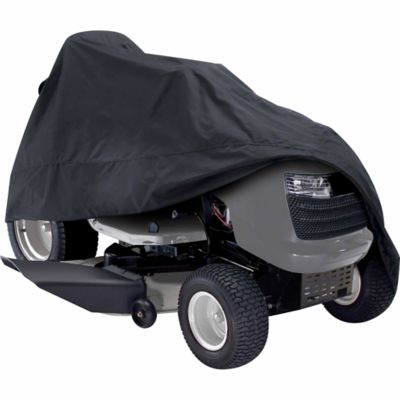
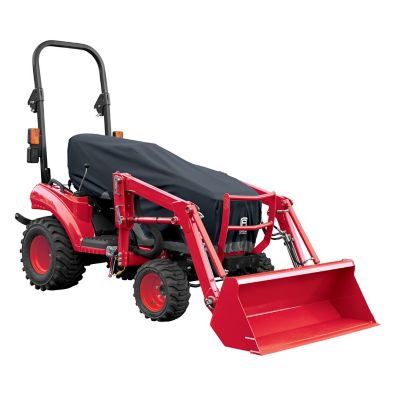
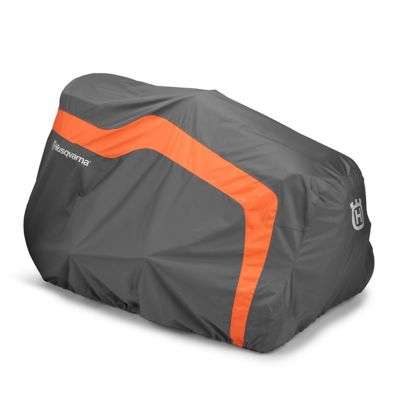
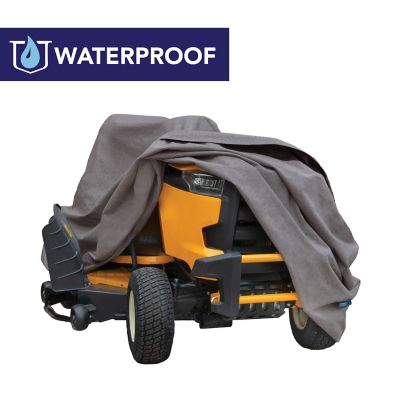
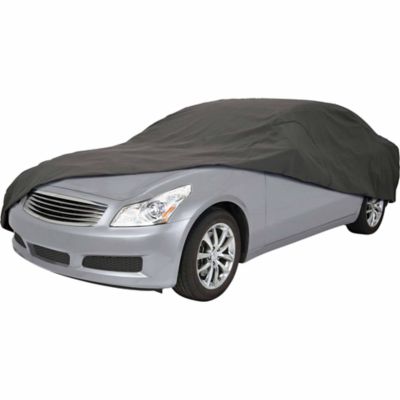
Tractor covers help keep hard-working equipment cleaner, drier, and ready for the next job. A parked tractor still faces plenty of wear from rain, sunlight, dust, pollen, bird droppings, tree sap, and windblown grit. That buildup can settle on the hood and dash, work its way into controls, or leave a wet seat that is unpleasant to climb onto when there is fencing to repair or a load of feed to move. A cover creates a simple layer of protection between your machine and the weather, whether the tractor spends its nights beside the barn, under a lean-to, or out near the garden. Lawn tractor covers are made for smaller riding mowers and lawn tractors, while compact utility tractor covers are sized for larger machines used around acreage, livestock, landscaping, and property maintenance. Full-size and custom-style covers can extend farther down the tractor and may be helpful for larger or vintage equipment that needs more complete protection. Partial covers generally shield the hood, dash, steering wheel, and seat, making them handy for quick daily protection or for tractors kept beneath a roof. Full covers offer broader coverage, often reaching toward the tires and helping protect more of the body from dust and moisture. Choosing the right size starts with measuring the tractor from front to back and checking its height and width, including a loader, ROPS bar, exhaust, mirrors, or other attachments that may affect the fit. A cover that is too tight can strain at the seams, while one that is too loose may flap, collect water, or catch the wind like a sail. For a dependable fit, compare the cover dimensions with the machine’s measurements and look for features that accommodate the equipment’s shape.
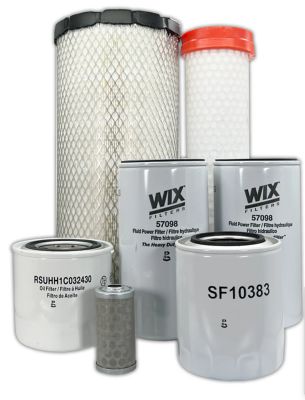
Material matters when a cover will be used around gravel drives, rough timber, pasture gates, and the everyday hazards of farm life. Heavy-duty 600-denier Oxford cloth and solution-dyed polyester are popular choices because they are built to resist rips, abrasion, and fading from sunlight. Water-resistant or weather-resistant fabric helps keep rain and melting frost from reaching the seat and controls, while a durable finish makes it easier to brush away dust, hay, and leaves. Seams, hems, and closures deserve just as much attention as the fabric itself. Elasticized bottoms can help hold a cover close to the tractor, and click-close straps or buckles provide extra security when strong gusts move across an open field. Air vents are especially useful because they allow trapped heat and moisture to escape instead of leaving condensation sealed beneath the cover. That added airflow can help reduce the chance of mold, mildew, and musty odors on the seat, steering wheel, and other interior surfaces. In exposed areas, use the tie-downs as intended and make sure the tractor is parked on a reasonably level surface before covering it. Allowing mud, wet grass, or debris to dry and fall away before installation can also help reduce scuffs against the finish. Covers are not a substitute for regular care, but they work well alongside simple upkeep. Wipe away heavy dirt, check fluid levels, grease moving points as recommended by the manufacturer, and keep an eye out for loose hardware or damage before putting equipment away. For filters, lubricants, replacement parts, and other shop essentials, browse
Tractor Maintenance Supplies to help keep routine maintenance within reach.
Tractor covers can be useful for homeowners with a small lawn tractor, landowners managing several acres, farmers protecting equipment between chores, and anyone who wants to get more dependable years from a machine. They are also practical gifts for a new property owner, a family member who takes pride in maintaining a homestead, or a neighbor who keeps a trusted tractor ready for snow, firewood, brush clearing, and garden work. A cover is a particularly thoughtful choice when the recipient has recently purchased used equipment or does not yet have a dedicated equipment shed. During the warmer part of the year, it can help limit sun exposure, dust, and pollen when mowing and hauling slow down between jobs. As cooler weather arrives, the same layer of protection helps keep rain, leaves, frost, and damp air from settling into the operator’s area. Before covering a recently used tractor, give the engine, exhaust, and other hot surfaces time to cool completely, then make sure the machine is clean and dry enough that moisture is not trapped underneath. Store the cover folded or rolled in a dry spot when it is not in use, and inspect it from time to time for worn seams, torn fabric, or damaged straps. The best choice depends on where the tractor is parked, how often it is used, the local weather, and the amount of coverage needed. A lightweight partial cover may suit a mower kept in a garage, while a more substantial full-size cover with vents and secure fasteners is better suited to equipment left outdoors through changing conditions. With the right fit and a little care, a tractor cover can help preserve the machine’s finish, keep the seat ready for the next ride, and make those everyday chores feel a little less like a battle with the weather.