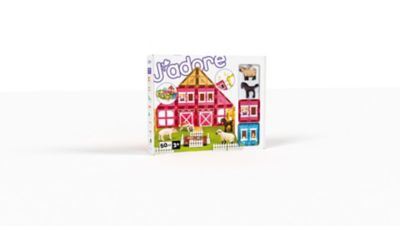
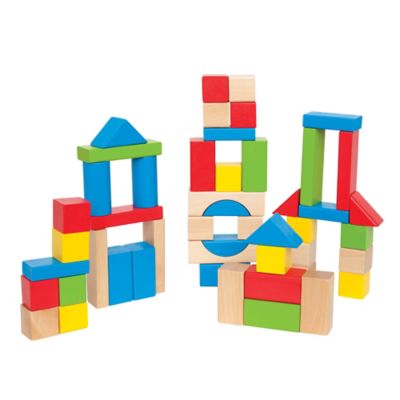
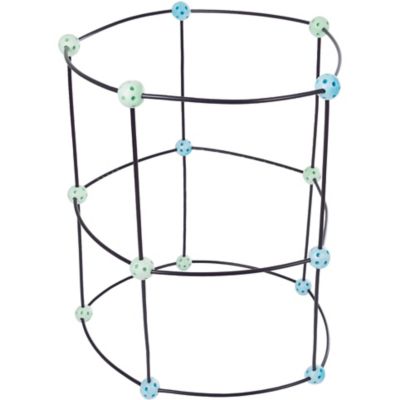
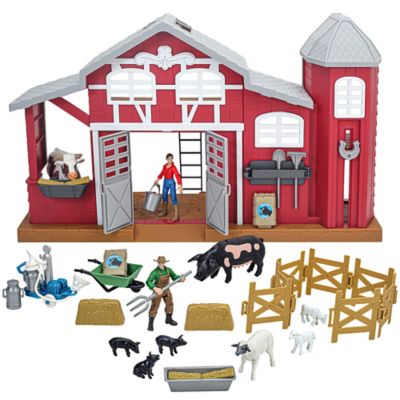
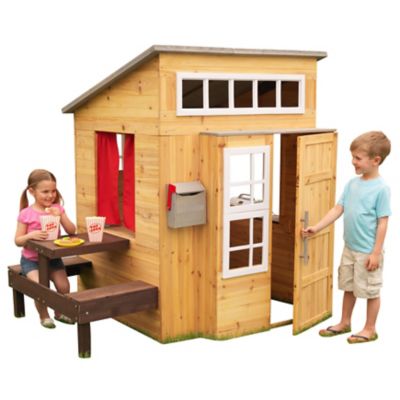
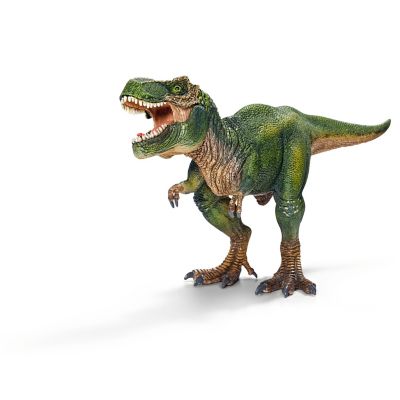
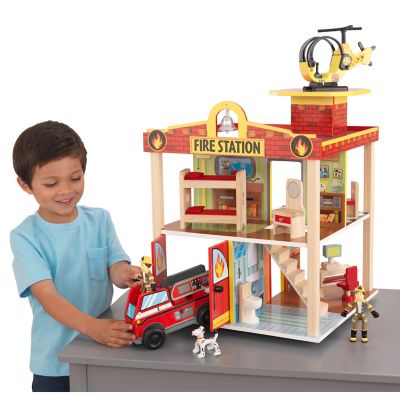
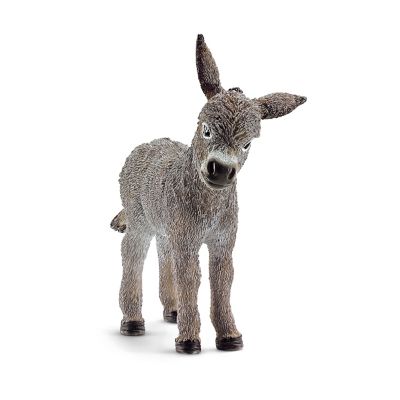
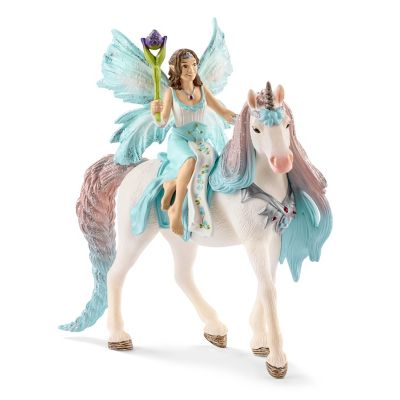
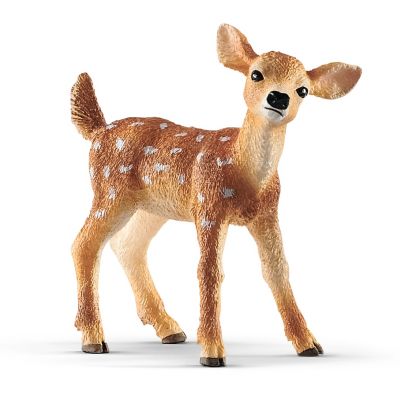
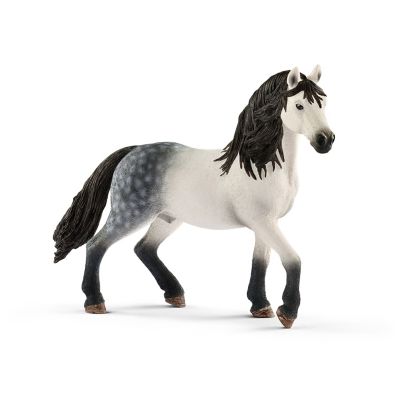
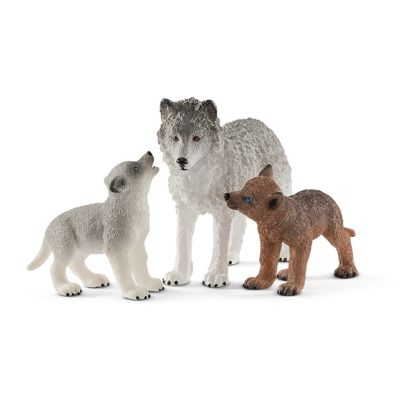
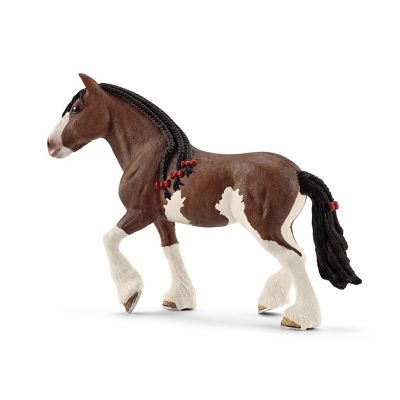
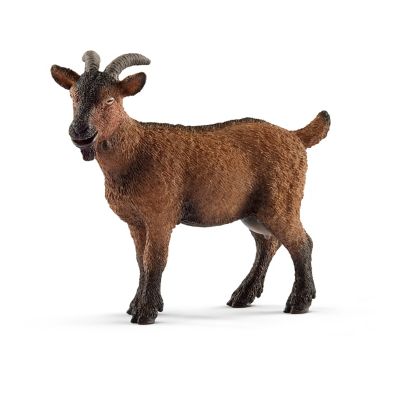
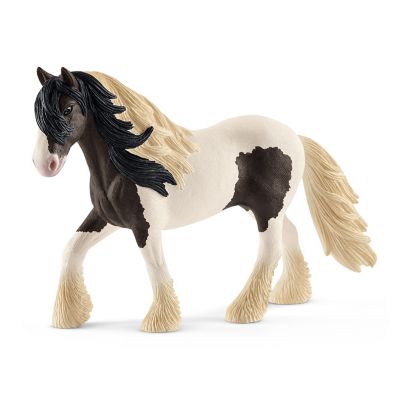
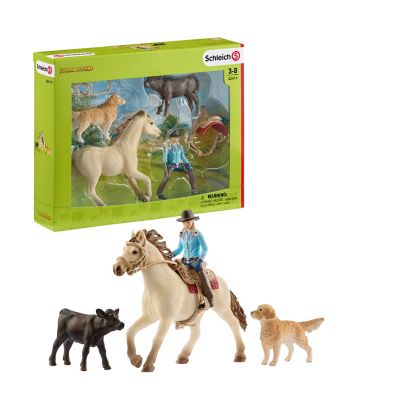
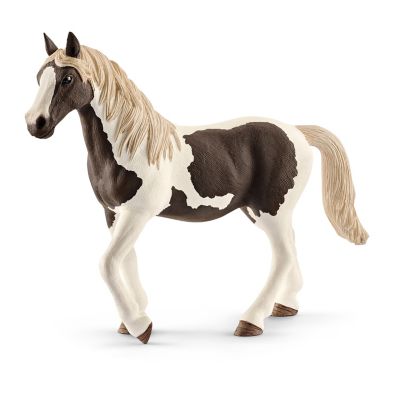
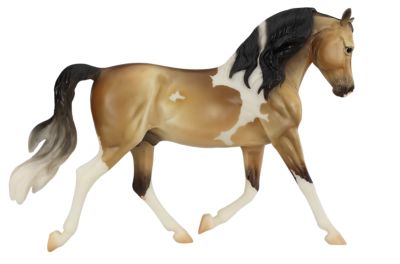
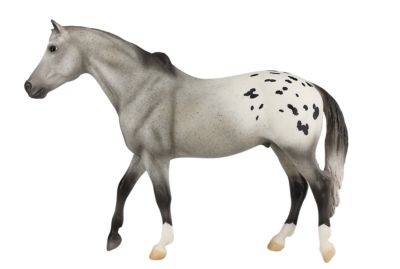
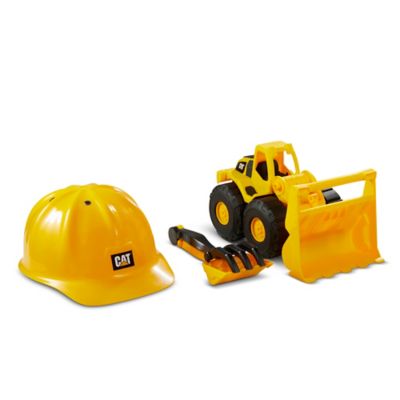
Toys for open-ended play are playthings without a fixed storyline, required sequence, or single finished result. Children decide what the pieces represent and where the play goes, whether that means building a barnyard, setting up a pretend store, or making a winding road across the living room rug. A simple shape can become a fence post in one story and a bridge support in the next. That flexibility is what separates open-ended toys from activities built around one answer or a set script. Many are battery-free, with the action coming from a child’s hands and imagination rather than lights, sounds, or electronic prompts. Building pieces, pretend-play figures, and soft fabric shapes can support different kinds of exploration without telling children exactly what to do. Younger children might spend their time stacking, filling, emptying, and sorting, while older children turn similar materials into detailed scenes with characters and jobs for everyone. The same age-appropriate pieces can take on new roles as a child’s interests and abilities change. There is room for quiet concentration, lively storytelling, and the kind of trial and error that happens when a tall tower leans a little too far. Rebuilding it with a wider base gives a child another chance to explore balance and spacing. Arranging a pretend farm can involve counting animals, dividing spaces, and deciding how a gate should open. These everyday play moments can give children practice with hand coordination, problem-solving, language, and taking turns without making play feel like a lesson. Open-ended does not mean adults have to stay out of the fun, either. A grown-up can help steady a structure or join a pretend conversation while leaving the main decisions to the child. The appeal is having enough freedom to follow a story wherever it leads, with no pressure to copy a picture or make everything look just right. Sometimes the finished scene matters; sometimes the best part is taking it apart and starting something completely different.
Materials, size, and construction shape how open-ended toys feel in a child’s hands and how they hold up to everyday play. Wood brings weight and texture to building and sorting, while plastic can offer lighter pieces and surfaces that are easier to wipe down when the manufacturer’s care directions allow it. Fabric adds a softer element to pretend scenes, dress-up, and arranging little spaces. Each material has its own care needs, so a washable fabric toy and a painted wooden piece should not automatically get the same cleaning treatment. Wood generally needs protection from soaking, and fabric may need a particular wash setting or drying method to keep its shape. Smooth edges, firmly attached parts, sound seams, and pieces that fit together without excessive force all make a difference during repeated handling. Toys that regularly tumble off a low table or get packed into a storage bin benefit from construction suited to that kind of play. Cracks, splinters, loose fasteners, and fraying are signs that a toy needs attention before it returns to the play area. Size matters just as much as material: pieces should suit the child’s age, grasp, and ability to handle them comfortably. Larger pieces can be easier for small hands to manage, but size alone does not establish whether a toy is appropriate. Age labels, warnings, and intended-use directions still apply, even when the play itself has no set ending. Small parts are not appropriate for children younger than 3, and children who still put objects in their mouths need extra consideration. Any toy containing magnets needs particular care; a broken piece or loose magnet should be taken out of reach immediately. In a home with children of different ages, separate storage helps keep older children’s smaller pieces away from younger siblings. A toy’s intended setting also matters. Indoor play pieces are not automatically suited to outdoor surfaces, and pretend structures are not climbing equipment. Clear boundaries leave plenty of room for imagination while keeping the activity suited to the toy.
Open-ended toys can fit into family living rooms, playrooms, preschool settings, and visits to a grandparent’s house because the experience can change with the children taking part. One child may prefer building alone and working through a tricky balance point, while another wants a partner to help run a pretend feed store or care for an imaginary herd. Shared play gives siblings and friends room to divide roles, trade pieces, and work out how their stories fit together. A collection with compatible pieces can support that back-and-forth, while a smaller assortment may suit a child who likes a clear, manageable space. For families exploring
Playtime Toys, open-ended options offer a way to balance active storytelling with hands-on building and quiet exploration. The right fit depends less on how elaborate a toy looks and more on how the child likes to play. A child who keeps arranging household objects into rows may enjoy sorting and building, while a child who gives every figure a name may spend more time creating little worlds. Gifts for birthdays or family celebrations can reflect those interests without tying the child to one character or storyline. Caregivers may also appreciate pieces that are comfortable to handle, straightforward to clean, and easy to gather at the end of the day. Storage is part of that everyday fit: a shallow bin lets children see what they have, and a tray can keep an unfinished scene together when the table is needed for supper. Enough clear floor or tabletop space helps children spread out without losing small pieces under furniture. A modest assortment leaves room to notice what each piece can do, and bringing different pieces into the play area from time to time can invite fresh stories. There is no need for every session to produce something worth displaying. A crooked fence, a half-built bridge, or a pretend chore that changes halfway through can all be part of play that keeps children involved on their own terms.