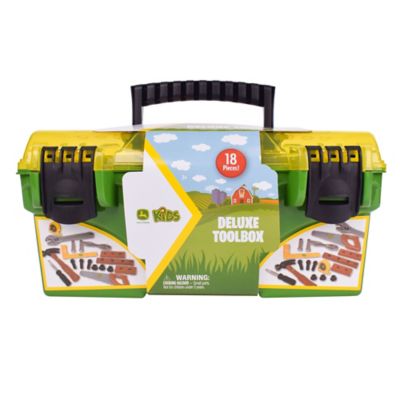
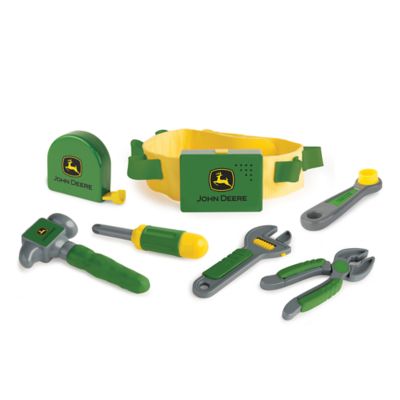
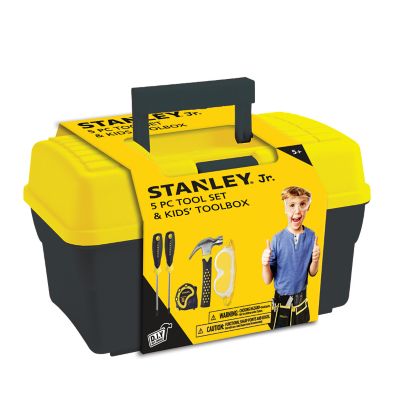
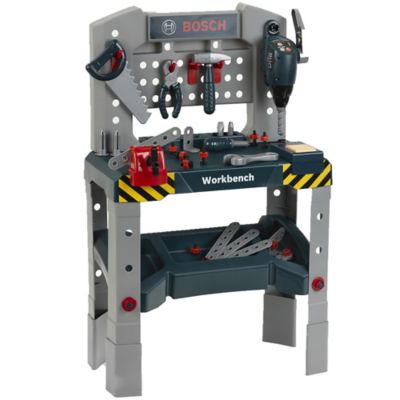
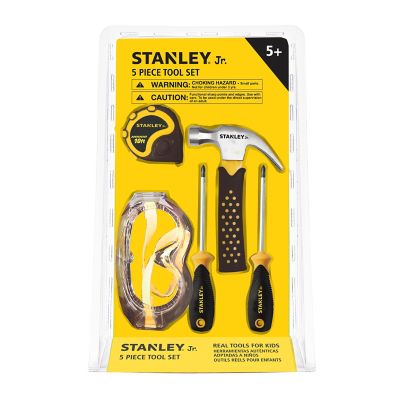
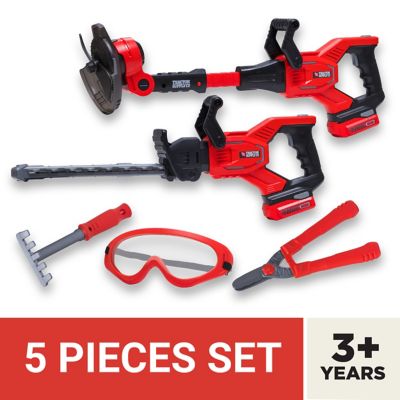
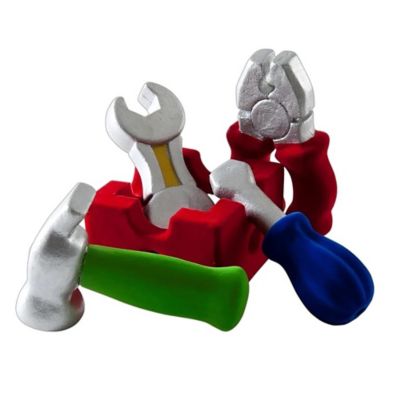
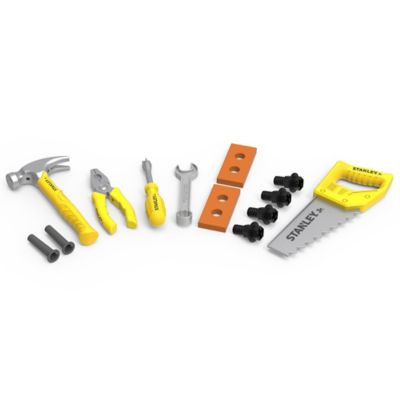
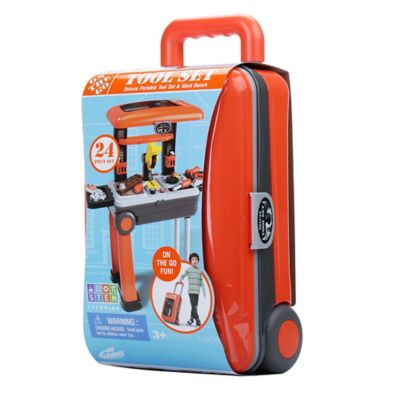
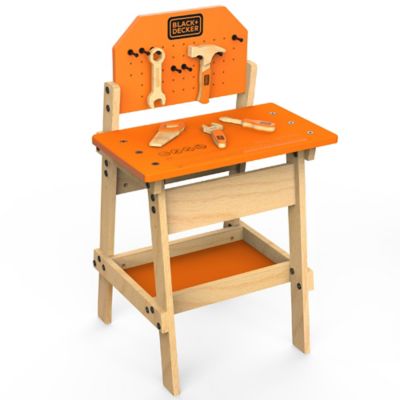
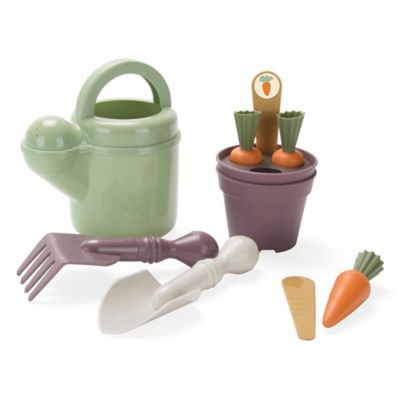
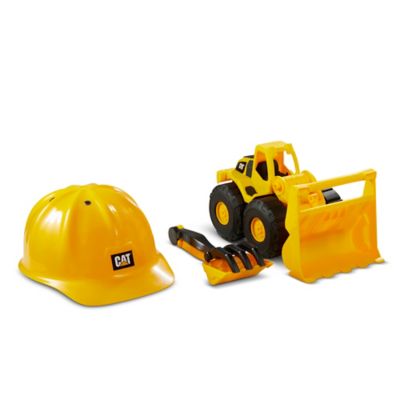
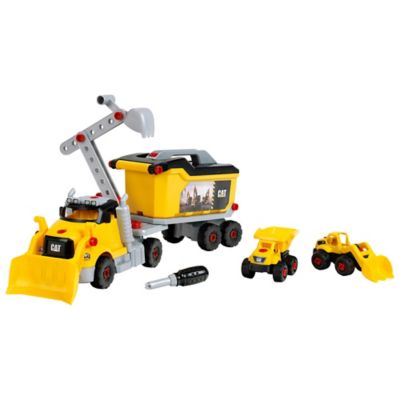
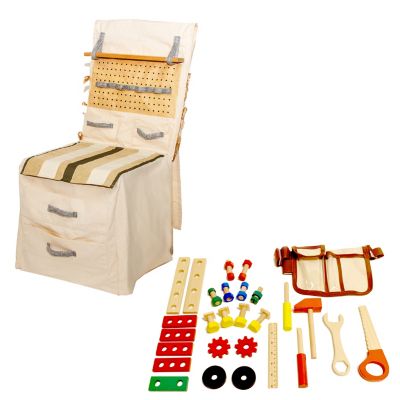
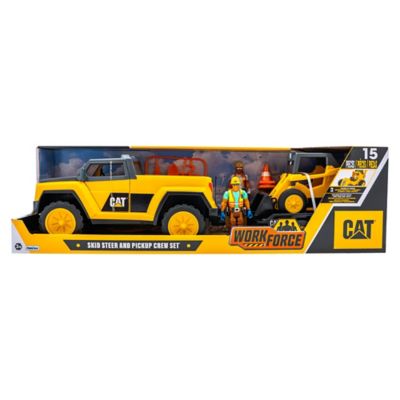
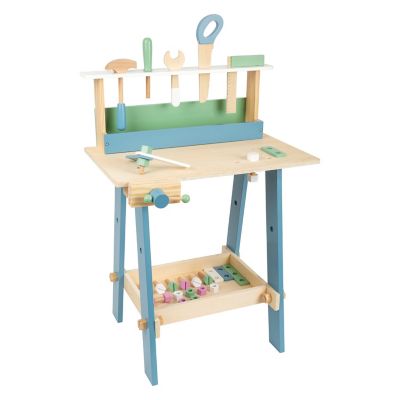
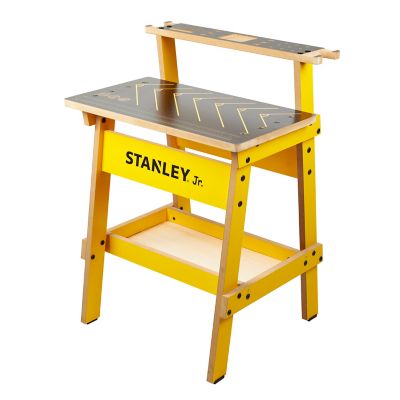
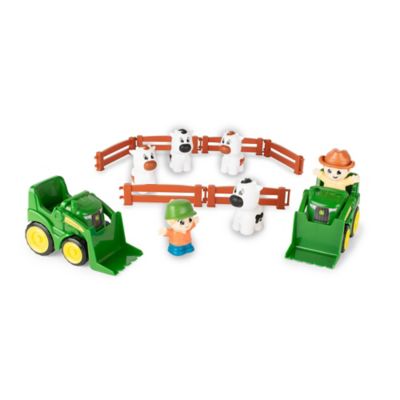
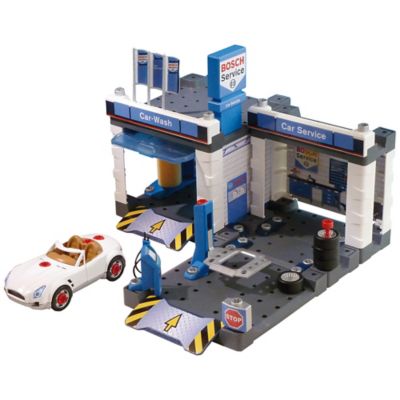
Tool playsets give kids a little workspace of their own, where tightening a pretend bolt or fixing an imaginary fence can fill an afternoon. These children’s toys bring familiar repair and building routines into make-believe play, with shapes, grips, and activities designed for younger hands rather than real repair work. Portable toolboxes, wearable tool belts, and larger toy workbenches offer different ways to get into the action. A carry-along set suits the child who takes every project from room to room, while a standing workbench gives an eager little builder a regular spot to sort pieces and get busy. For kids who watch family members tend a property, work in the garage, or keep things running around the house, the appeal is easy to picture: somebody needs a helper, and they’re ready for the job. One minute, the living room is a repair shop; the next, a cardboard box becomes a tractor that needs attention before chores. Toddler tool playsets generally emphasize easy-to-grasp shapes and simple movements, while preschool options may include more pieces to fit together, turn, or arrange. Some sets are labeled for ages 2 and up, and others for ages 3 and up or older, so the manufacturer’s age recommendation matters more than the overall look of the toy. Children of the same age can also have different interests and levels of coordination. A child who enjoys carrying and sorting may get plenty out of a straightforward set, while one who likes figuring out how things connect may prefer more involved building activities. The best match leaves room for both familiar routines and a child’s own stories. There’s no need for every pretend repair to follow a grown-up’s sequence. Sometimes the whole project is packing the toolbox, announcing a service call, and heading across the rug with a very important job to do.
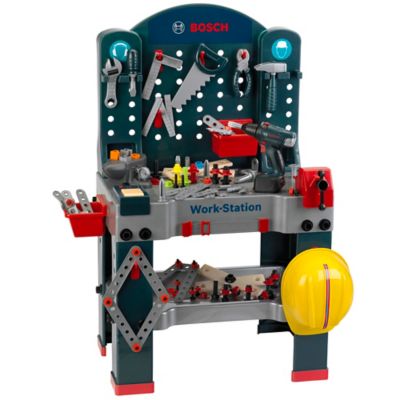
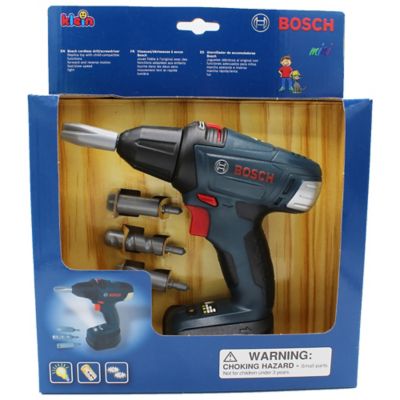
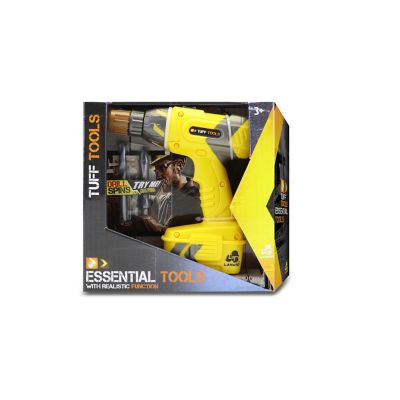
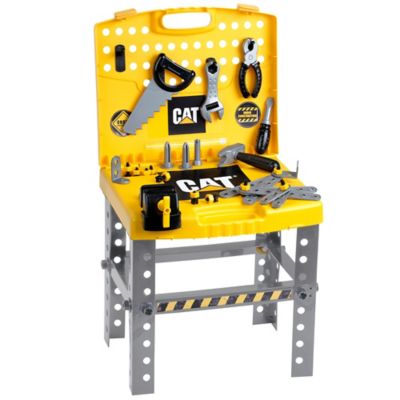
When comparing kids’ tool sets, consider the size of the pieces, how they move, and what it takes to keep everything together between play sessions. Comfortable grips and manageable weight help children handle their pretend equipment without wrestling with it. For younger children, larger pieces and simple connections can make getting started less frustrating, provided the set meets the age requirements on its label. Sets with small parts need extra care in homes where younger siblings share the play space. Wood and plastic offer different handling and care considerations: wooden pieces may have a bit more heft, while many plastic designs are lighter to carry. Neither material alone tells the whole story, so look at the construction, finish, cleaning directions, and intended setting. Smooth edges, secure components, and clearly explained activities are worth a close look. Sound effects, lights, and moving parts can add another layer of pretend work, but quiet, non-electronic sets leave children free to supply every engine noise and workshop conversation themselves. With battery-operated options, check whether batteries come with the set, how the compartment is secured, and whether there’s an on-off switch or volume control. For a toy workbench, dimensions matter as much as the picture. A comfortable play height, a stable base, and enough surrounding floor space help it fit into everyday family life. Check assembly requirements, too, especially if it’s meant to be ready for a gift-giving occasion. Portable sets take up less room, though the storage compartment still needs to hold the included pieces without a struggle. Closures that a child can manage make packing up feel like part of the work instead of a separate chore. Price often reflects the format, materials, piece count, and electronic features, so compare what’s included rather than counting accessories alone. A smaller set that suits a child’s favorite kind of play can be a better fit than a larger one that overwhelms the available space.
Tool playsets make thoughtful gifts for birthdays, family celebrations, and other occasions when a child is ready for a new kind of pretend play. They can appeal to kids who love construction scenes, farm routines, household repairs, or simply doing what the grown-ups do. For grandparents choosing a toy to keep at their house, a self-contained set can make visits easier: open it on the kitchen floor, let the make-believe work begin, and tuck it away when everyone gathers for supper. Families with several children may appreciate a layout that leaves room for more than one helper, though having plenty of pieces doesn’t automatically make a set suitable for every age. Shared play offers chances to take turns, explain a pretend problem, and decide who handles the next part of the job. Turning, matching, sorting, and connecting pieces can also give children practice with hand coordination and problem-solving through play, without turning their downtime into a lesson. A grown-up can join in by holding a pretend part steady or listening to the child explain why the imaginary barn door won’t close. That small bit of attention often matters more than directing the whole activity. During the cooler months, a toy workspace can bring active storytelling indoors without needing a large playroom. A clear corner, an accessible storage spot, and room to move are often enough. For families building out several kinds of play space,
Outdoor Play Toys offer another way to carry that energy into the yard when conditions allow. Always check whether a tool playset is intended for indoor or outdoor play, and store it according to its care directions. Keep pretend equipment separate from real tools and away from active repair areas; a toy belt doesn’t make a working shop a safe play space. With the right fit for the child and the household, these sets give little helpers something satisfying to return to: their own equipment, their own workspace, and another pretend job waiting after breakfast.