Playtime toys give children room to imagine, move, build, and make sense of the everyday world through play. A patch of floor can become a busy farm, a make-believe workshop, or a place to tell a story that changes every time a sibling joins in. Some toys invite quiet concentration, with pieces to sort, stack, connect, or arrange. Others encourage movement, conversation, and pretend roles, giving kids different ways to stay involved. The best match depends less on how much a toy does and more on what a child enjoys doing with it. A child who watches chores from the porch may enjoy acting out familiar jobs, while another may prefer making up characters and taking them on adventures. Open-ended play leaves the outcome up to the child, so the same materials can become part of several different games rather than one fixed routine. For children interested in fixing and building,
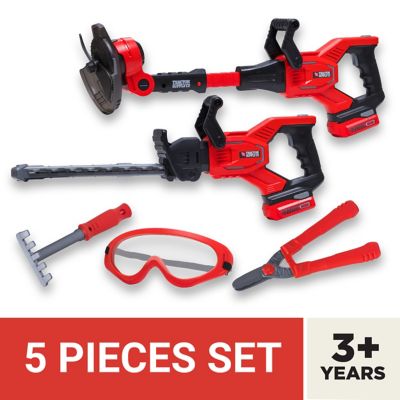
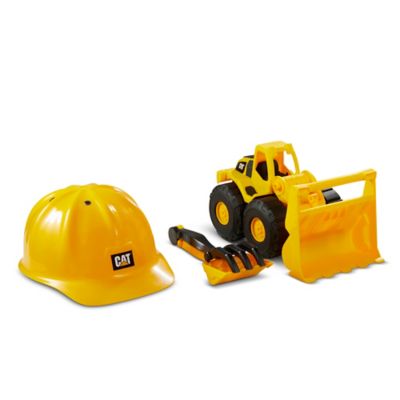
Tool Playsets connect pretend play with the hands-on work they see grown-ups doing. Toy tools belong in make-believe projects, separate from working tools and real repair jobs. Building and pretend-play activities can give kids opportunities to practice grasping, matching, taking turns, and explaining what they want to happen next. Those opportunities look different at different ages: a younger child might repeat a simple motion, while an older child develops a whole story around a task. Independent play and shared play both have a place, whether a child wants a few quiet minutes at the kitchen table or a full afternoon of making up jobs with cousins. A toy that leaves room for several approaches can stay interesting as skills and interests develop. For families, that flexibility makes it easier to work play into ordinary routines without needing a special setup or a carefully planned activity. Familiar scenes often provide plenty of inspiration, from feeding pretend animals to organizing an imaginary workbench before the next job begins.
Materials, construction, and age suitability all shape how playtime toys feel in a child’s hands and how they hold up to everyday handling. Wood, plastic, fabric, and metal each bring different characteristics, and none is the right choice for every kind of play. Wooden components may have a satisfying weight and a firm feel, while lightweight plastic can be easier for small hands to carry from one play space to another. Fabric adds softness and texture, though seams, fillings, and attached details deserve attention, especially for children who still put things in their mouths. Smooth edges, secure connections, and finishes that remain intact matter wherever hands will grip, push, pull, or twist. A toy’s recommended age range is an important starting point, along with its warnings and the child’s abilities. Small parts can pose choking hazards, and play spaces shared with younger siblings need particular care. Battery compartments should stay secured as directed, and toys with magnets require close attention to age labels, intact housings, and missing pieces. Fit matters, too: handles should be manageable, controls should be within comfortable reach, and anything designed to support a child’s weight needs to match the stated limits. The space around a toy also affects its suitability. Active play needs clearance from stairs, traffic, furniture corners, and other hazards, while tabletop activities need a steady surface with enough room for loose components. Everyday care depends on the material and the maker’s directions. Some surfaces allow a simple wipe-down, while fabric parts may call for spot cleaning or a particular wash method. Water can damage certain finishes, fillings, and electronic components, so cleaning methods should match the toy rather than follow one rule for everything. Regular checks for cracked surfaces, loose fasteners, exposed stuffing, or damaged battery covers help families spot problems before another round of play. Toys that no longer function as intended need to stay out of the play area until the issue is addressed. Keeping matching pieces together also makes it easier to notice when something is missing.
A good place in the household matters almost as much as the play itself. Toys that suit the available space, cleanup routine, and number of children taking part are easier to bring into everyday life. In a shared family room, a set that packs into a manageable container may be more practical than something that needs a permanent setup. A dedicated play corner can accommodate longer-running projects, giving children a chance to return to a scene without rebuilding it each time. Storage that separates larger components from smaller pieces helps keep play areas manageable, though containers and shelving should suit the child’s age and follow applicable safety directions. Toys intended for indoor play belong in the settings described on their labels, and anything intended for outdoor play still needs appropriate storage and care. Portability can matter for visits with grandparents, trips to a neighbor’s house, or time spent waiting while a sibling finishes an activity. Fewer loose pieces and straightforward setup can make those situations easier, while more involved play may fit better at home. For birthday gifts and other family celebrations, a child’s interests, developmental stage, and household routines provide a useful starting point. A gift that suits a child’s current abilities can offer a satisfying challenge without depending on constant adult help. For siblings or cousins playing together, activities with room for several roles can make sharing feel more natural: one child plans, another builds, and another invents the next part of the story. Adult participation can be simple, too, with a few minutes of listening or joining a pretend task often enough to get a game rolling. Playtime toys do not need to direct every moment to earn a place in a child’s day. Room to experiment, familiar subjects to explore, and materials suited to the activity can turn an ordinary stretch of time into something children want to return to, whether they are playing on their own or gathering everyone nearby for one more round.