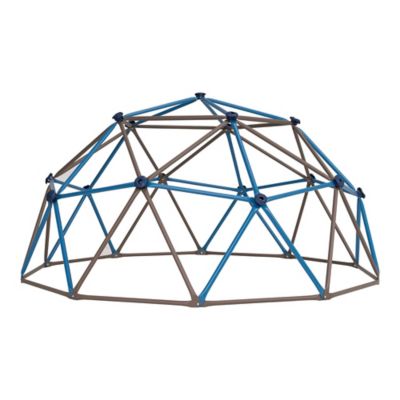
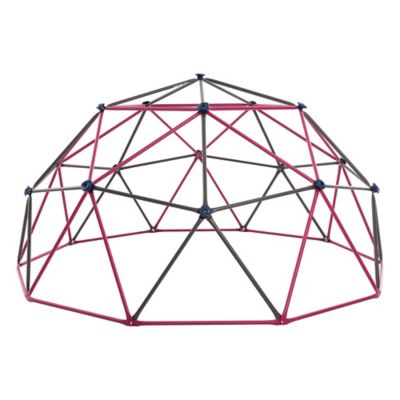
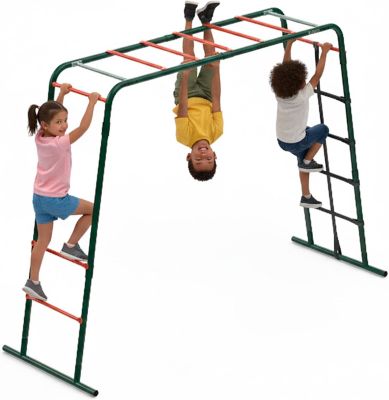
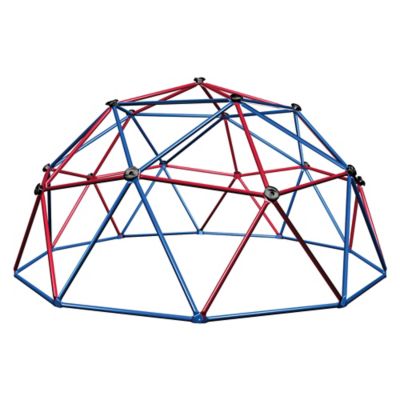
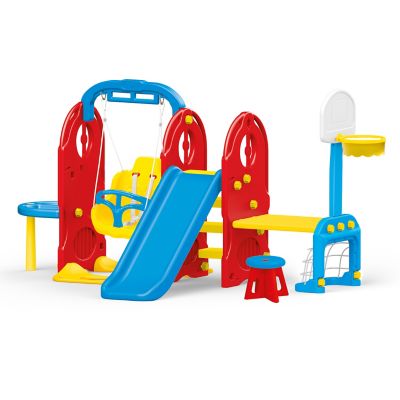
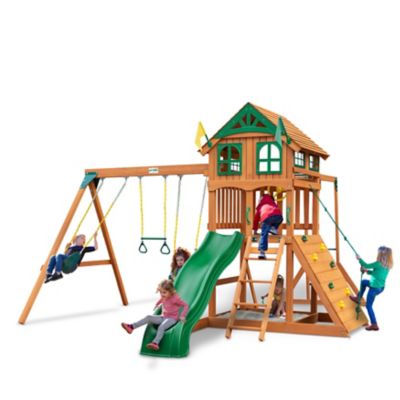
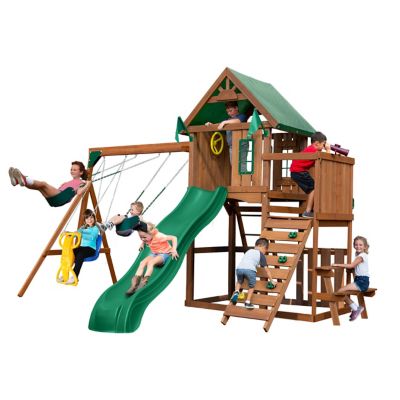
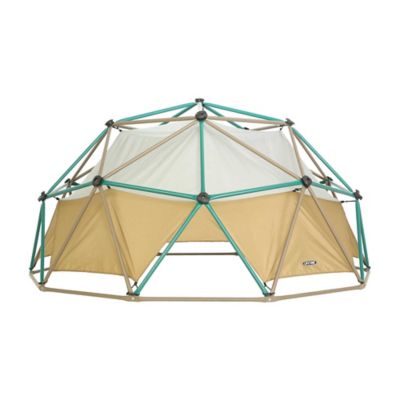
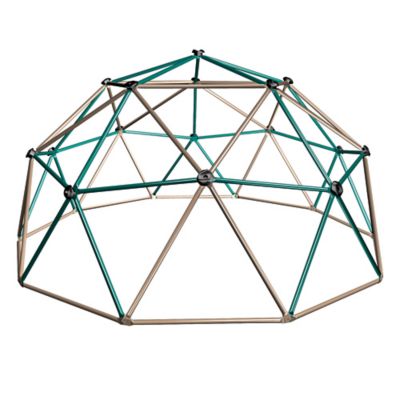
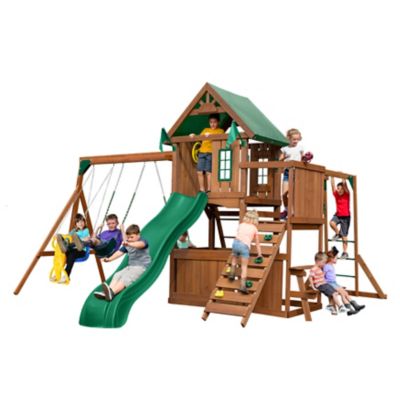
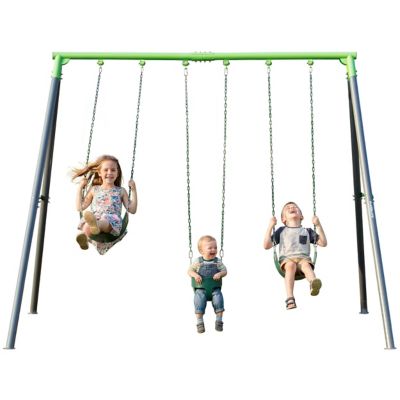
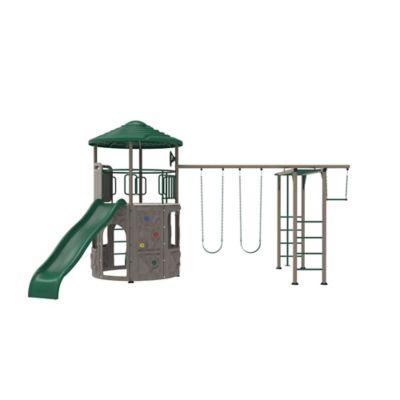
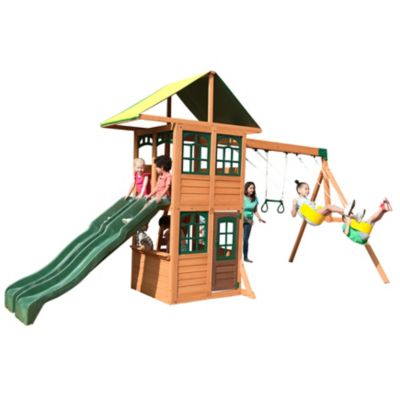
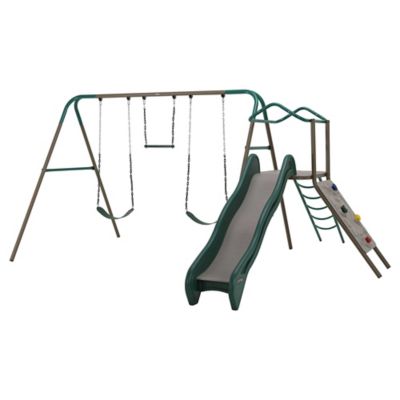
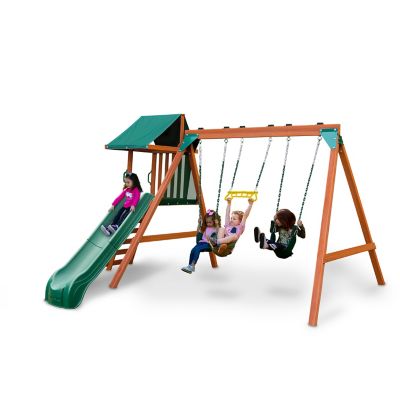
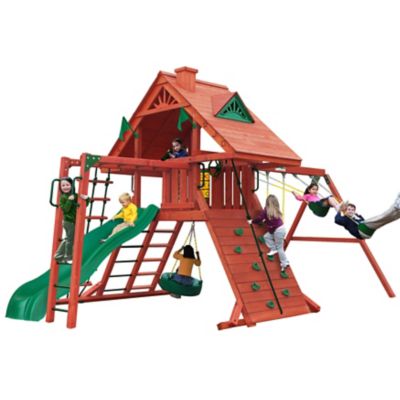
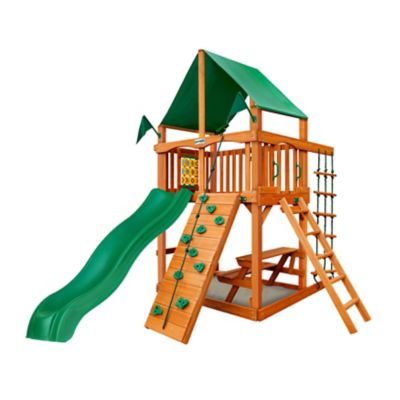
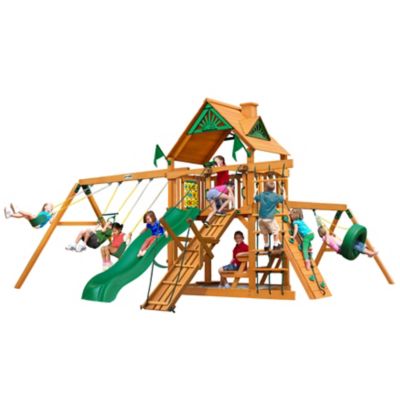
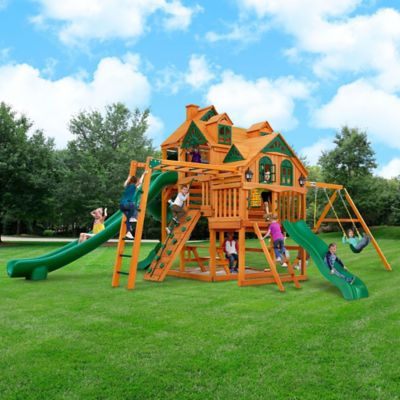
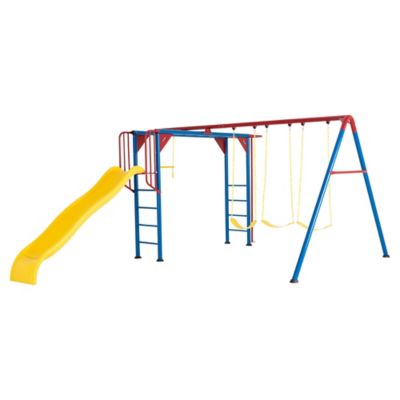
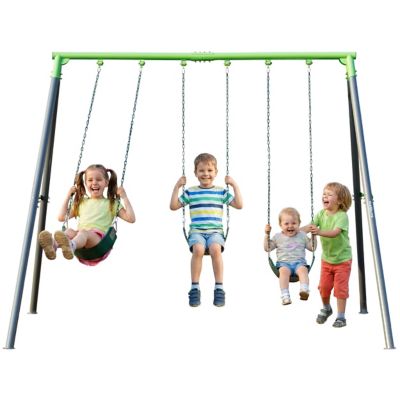
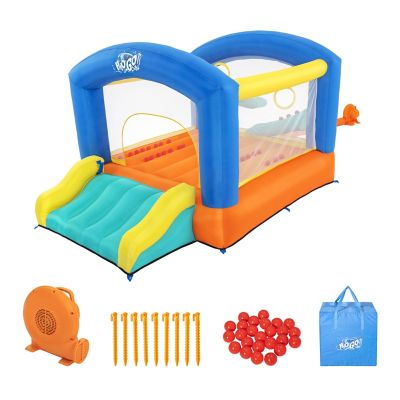
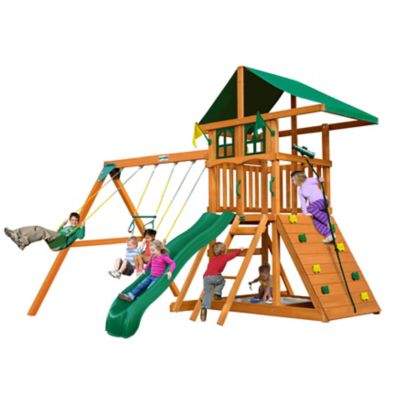
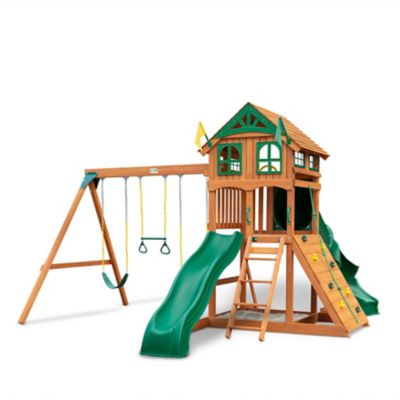
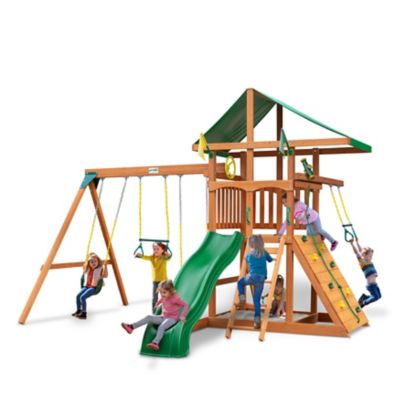
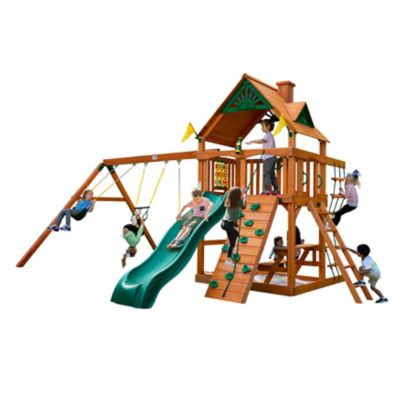
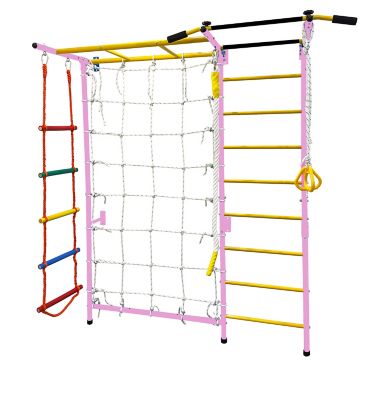
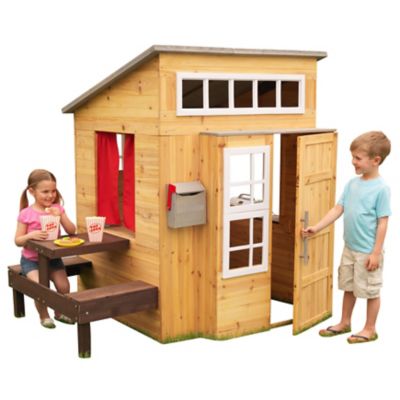
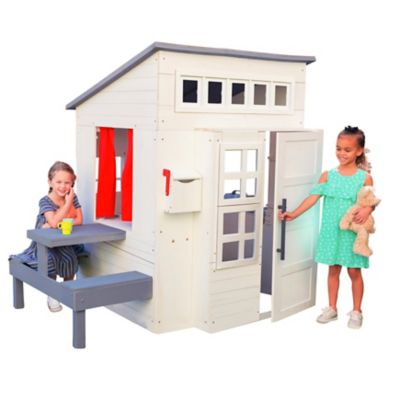
Equipment for outdoor play includes structures for climbing, swinging, sliding and balancing, ranging from compact toddler equipment to larger residential playsets made from wood, metal or molded plastic. Many larger backyard structures are intended for children ages 3 to 12, but the right age range depends on the manufacturer’s rating for each design. A tall platform does not automatically suit an older child, and a small footprint does not necessarily mean a structure is meant for toddlers. Age recommendations, individual weight limits and total capacity help show who can play and how many children can join in at once. For younger children, lower platforms, easy-to-reach handholds and climbing features matched to their abilities can make a big difference in how comfortably they move. School-age children may enjoy more involved climbing routes, room for imaginative games and activities that let siblings or friends play alongside one another. A backyard can become a pretend campsite, a lookout post or the starting point for an afternoon adventure without needing an elaborate setup. Different activities also bring different kinds of movement: climbing calls for coordination, balancing takes concentration, and swinging gives children a chance to practice timing and body control. The best match reflects what children actually enjoy rather than simply filling the largest possible patch of yard. A child who likes to climb may spend more time on a structure with several routes up and down, while another may prefer a place to sit, sway or make up stories. Features that look appealing in a picture still need to fit a child’s reach, grip and ability to get on and off with confidence. Comfortable access matters for supervising adults, too, especially when a younger child needs a helping hand. Residential equipment is intended for home play; school, park and other shared settings can have different requirements that call for equipment rated for those locations.
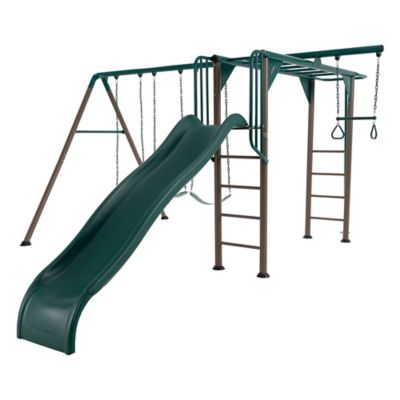
Materials and layout shape how outdoor play equipment fits into everyday life around a home, whether the play area sits beside a small patio or near a wide stretch of backyard. Wood brings a familiar look that fits naturally alongside fences and outbuildings, though its care needs depend on the species, finish and construction. Smooth contact surfaces, sound boards and well-protected hardware matter wherever children grip, climb or sit. Metal frames can provide an open layout with relatively slender supports, while protective coatings help limit corrosion. Molded plastic often appears in smaller structures and contact surfaces, with care centered on keeping it clean and checking for cracks or other damage. No material makes a play area maintenance-free, and the connections between parts deserve as much attention as the frame itself. Bolts, brackets, chains and attachment points all contribute to how a structure performs over time. Fit also means more than the dimensions printed for the assembled frame. Swing travel, slide exits, climbing access and the clear space surrounding the equipment all count toward the room it needs. A level location with space away from fences, sheds, trees and other obstacles gives the layout a better starting point. Around a working property, separation from driveways, livestock areas and equipment traffic is especially important. A spot that adults can easily see from a nearby gathering area makes supervision more practical, but visibility does not replace active attention. Protective surfacing belongs in the plan from the beginning, with the material, depth and coverage matched to the equipment’s fall height and installation requirements. Bare ground, grass, concrete and asphalt do not provide appropriate protective surfacing beneath elevated play equipment. Anchoring and assembly also need to follow the manufacturer’s directions rather than a general assumption about how heavy or sturdy a frame feels. The finished play area includes the structure, its foundation, its clearances and the surface below it—not just the parts children climb on.
A well-planned play space can leave room for both a main structure and the smaller activities that happen around it. Equipment gives children a place to climb or swing, while
Outdoor Play Toys can add variety for children with different interests and energy levels. Clear separation between active movement areas and quieter ground-level play helps keep those activities from crossing paths. For families with children of different ages, separate spaces can make more sense than expecting one structure to suit everyone equally. A younger sibling may need a low, contained activity area while an older child needs more room to move, and each setup still calls for the supervision and age limits stated by its manufacturer. Long-term ownership brings a few practical considerations beyond the first afternoon of play. Accessible fasteners, clearly identified replacement parts and straightforward care directions can make upkeep less of a chore. Cleaning methods need to suit the material and finish, while regular checks help spot loose connections, rough wood, damaged coatings or worn moving parts before play continues. Protective surfacing also needs attention because active feet can move loose material away from landing areas. Any damaged component calls for repair or replacement according to the manufacturer’s directions, with play paused when the equipment is not safe. Changes to seats, attachments or climbing features need the same care; parts should be approved for the structure rather than added simply because they appear to fit. For grandparents or relatives considering outdoor play equipment as a gift, checking with the household first helps settle questions about space, assembly, supervision and the children’s ages. The most welcome addition is often the one that fits the family’s routines: a manageable setup close enough to keep an eye on, with activities children return to and enough open ground for the rest of their backyard games. Thoughtful sizing, suitable materials and consistent care help keep that space ready for everyday play.