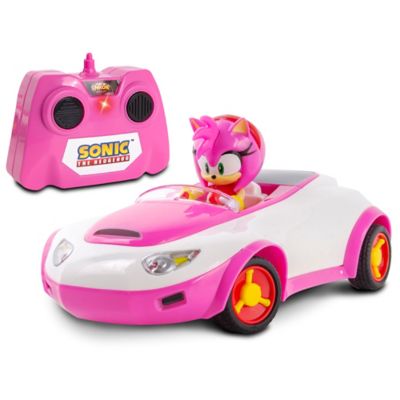
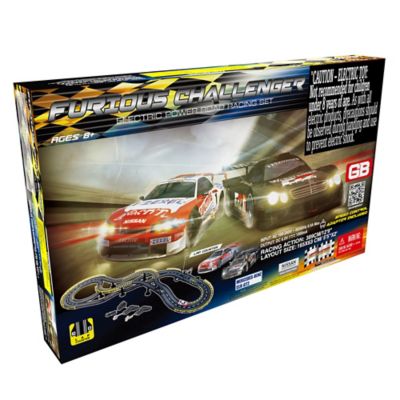
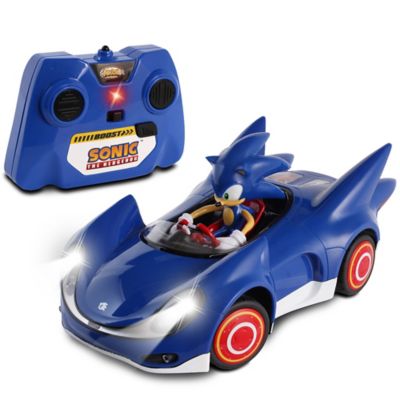
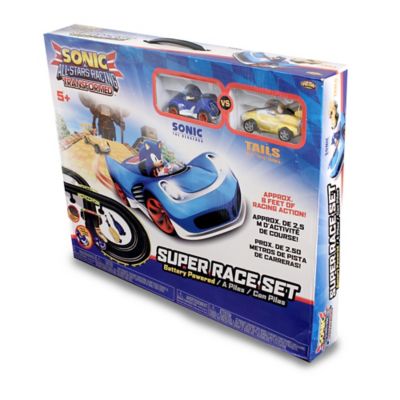
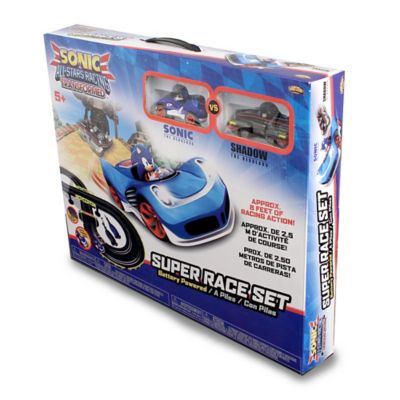
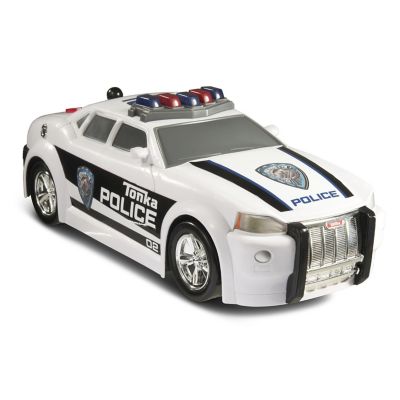
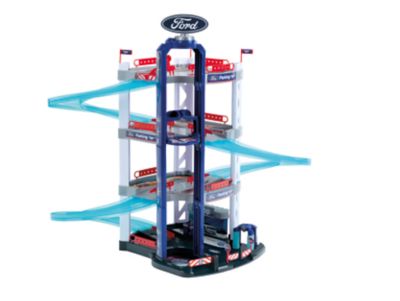
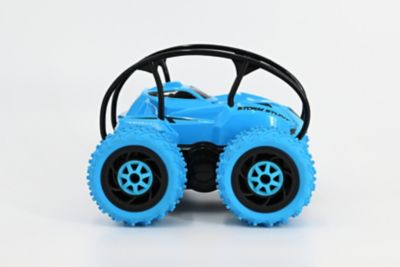
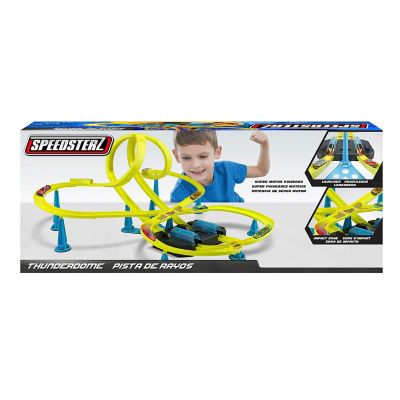
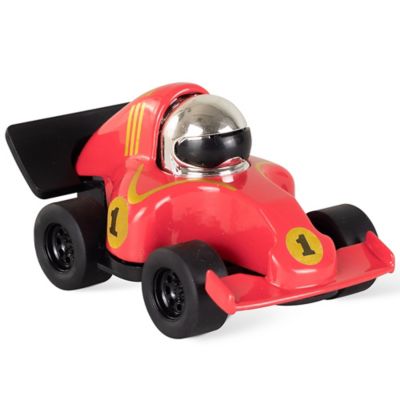
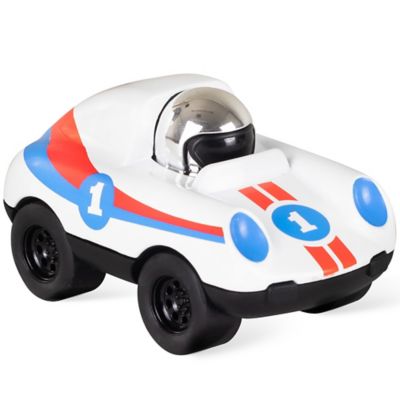
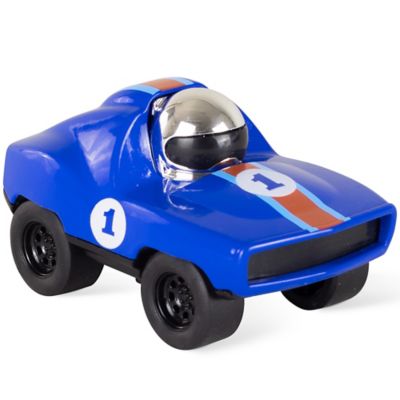
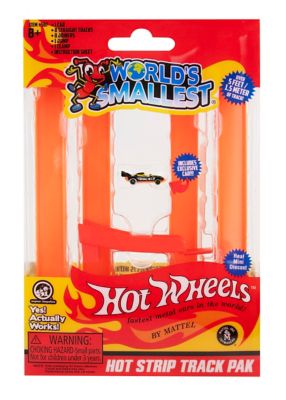
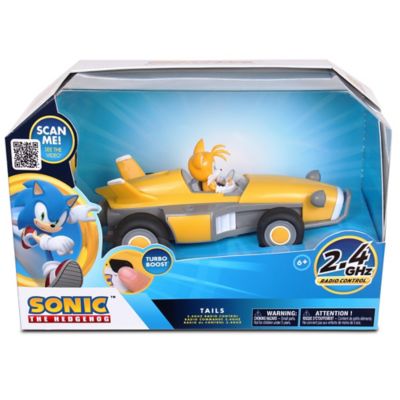
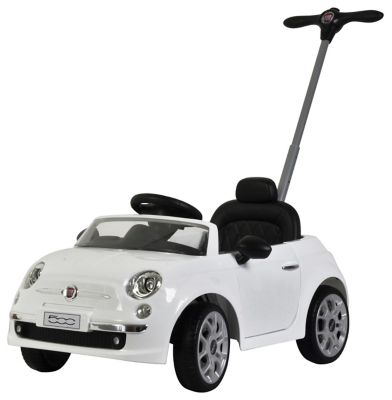
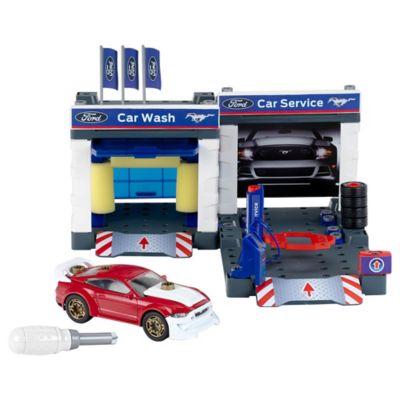
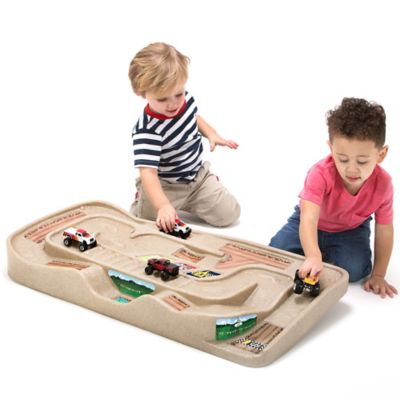
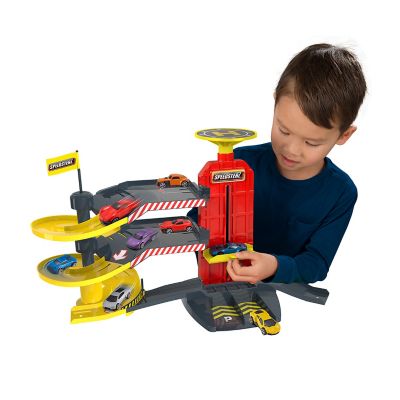
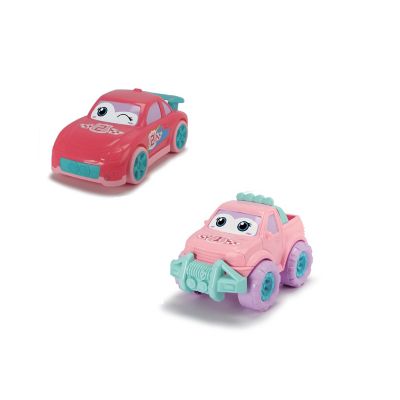
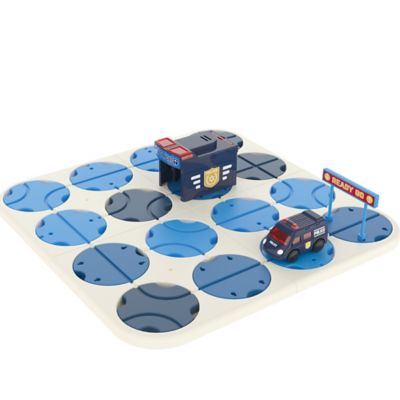
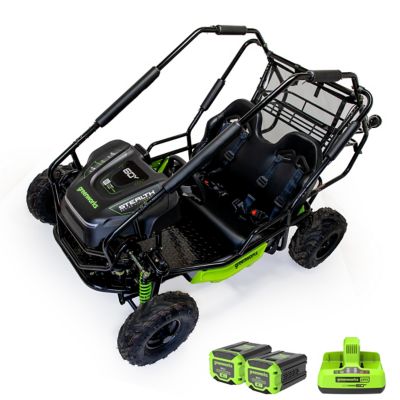
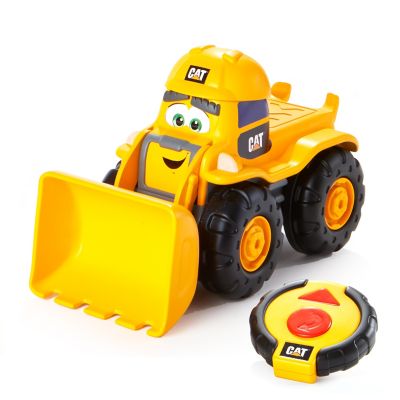
Toy racing cars bring the sights and excitement of the racetrack down to a size that fits on a playroom floor, a tabletop, or a purpose-built track. The category spans free-rolling die-cast cars, lightweight plastic racers, pull-back toys, remote-controlled cars, and cars made for compatible racing tracks. Each type offers a different kind of fun, from lining up a starting grid by hand to steering through a turn with a controller. Free-rolling cars suit kids who enjoy making engine sounds, setting up pretend pit stops, and deciding how the race unfolds. Pull-back models add motion with a simple backward roll and release, while remote-controlled racing cars put acceleration and steering in the driver’s hands. Track-based racing adds another layer, with lanes, curves, and straightaways that give each lap a clear path. Depending on the design, cars may travel by gravity, a launcher, a powered track system, or an onboard motor; those formats are not automatically interchangeable. Materials help shape the experience, too. Die-cast metal bodies give small cars a noticeable heft, often paired with plastic interiors, windows, and chassis parts. Plastic bodies generally weigh less and can allow for larger shapes that are easier for small hands to grasp. Rubber or rubberlike tires may provide traction, while hard plastic wheels often suit smooth rolling surfaces. Painted racing stripes, molded spoilers, and open-wheel or enclosed-body shapes bring different racing styles to the lineup without needing a full-sized garage. For a child who watches motorsports with family or turns every clear patch of floor into a speedway, the appeal is easy to see. These toys can make a quiet afternoon at the kitchen table feel like race day, with a folded towel marking the pit area and a stretch of clear floor serving as the home straight. The best match comes down to the kind of play the recipient enjoys, the space set aside for racing, and the age rating on the package.
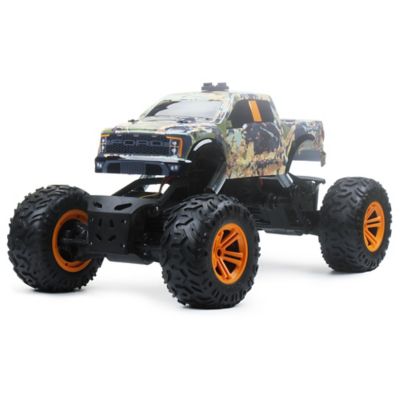
Size and fit matter with toy racing cars, especially when an existing track or collection is part of the fun. Scale describes a model’s size in relation to the real vehicle, so a 1:64-scale car is generally much smaller than a 1:24-scale model. Even cars marked with the same scale can differ in width, wheelbase, ground clearance, and body shape. A wide rear wing or low front bumper may look right at home on a race car but keep it from clearing a particular track section. Track compatibility therefore depends on the manufacturer’s specifications rather than scale alone. Loops, launchers, powered lanes, and connecting track pieces may require cars from a particular system. Room to race also makes a difference. Small free-rolling cars can work well on a clean, smooth tabletop with supervision, while larger remote-controlled models need more open floor space for turns and stopping. Thick carpet can slow small wheels or catch a low chassis, and gravel or grass may be too much for a racer designed for indoor surfaces. Outdoor operation should match the toy’s stated capabilities; a sporty body does not mean the electronics can handle puddles or damp ground. For remote control play, controller size, button layout, steering response, and speed settings can all affect how comfortable a child feels behind the controls. A simple control arrangement may suit a beginner better than a setup that demands fine finger movements. Families planning side-by-side races will also want to check whether the control system supports multiple cars operating together without interference. Battery requirements deserve a look as well, since the car and controller may need different power sources. Rechargeable models have their own charging instructions and run times, while other designs take replaceable batteries. A defined racing area away from stairs, pets, and foot traffic helps keep the action contained, whether the course runs along the den floor or across a suitable dry surface outside.
Toy racing cars make thoughtful gifts for children who love things that roll, young racing fans who recognize different car shapes, and older hobby enthusiasts who enjoy miniature vehicles. Age labels remain important even when a toy looks simple. Small cars, removable tires, and other little parts can present choking hazards, so toys intended for older children need to stay separate from a younger sibling’s playthings. For younger racers, larger graspable shapes and straightforward movement can be more inviting than tiny controls or complicated track layouts, provided the toy carries an appropriate age rating. Older children may enjoy the patience involved in lining up a clean start, learning how gently to steer, or taking turns as driver and lap counter. A shared race can give siblings and visiting cousins something lively to do during the cooler months, with plenty of room for pretend announcers and last-lap finishes. Smaller racing toys can also fit birthday gift bags or travel play kits when their size and parts suit the recipient. For children drawn to another style of small racing vehicle,
toy go karts offer a related theme for pretend race days. Everyday care helps keep the fun rolling. Hair and lint can wind around axles, so wheels benefit from regular checks, especially after runs across rugs. Most simple bodies need only a soft cloth and cleaning that follows the maker’s directions; motorized cars and controllers should not be submerged. Charging belongs in the hands of an adult when the instructions call for it, using the specified charger and a suitable dry location. Loose wheels, cracked bodies, bent axles, or damaged battery compartments are reasons to set a toy aside for inspection. A divided storage box can keep small cars from knocking together, while a separate bin protects track connectors from getting bent beneath heavier toys. With a suitable surface, a little room to roll, and care between races, toy racing cars can settle into everyday play, ready for another starting lineup when the chores are done.