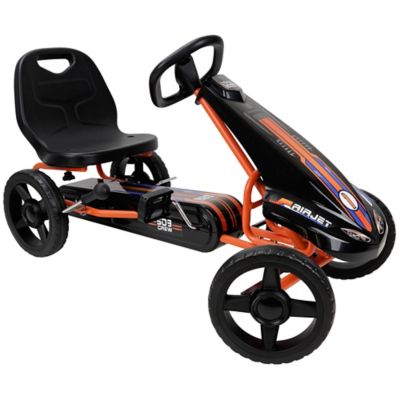
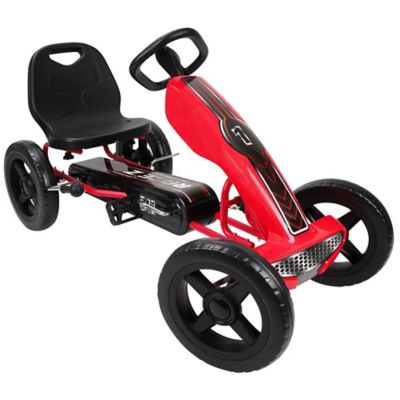
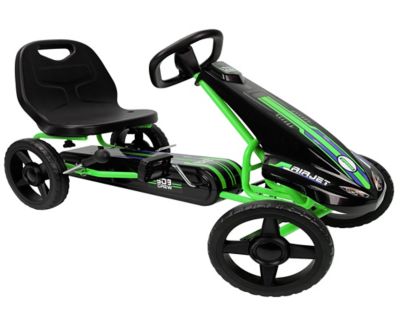
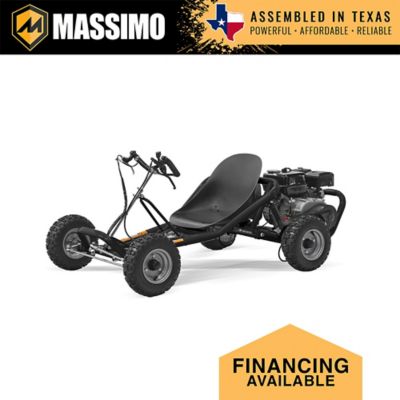
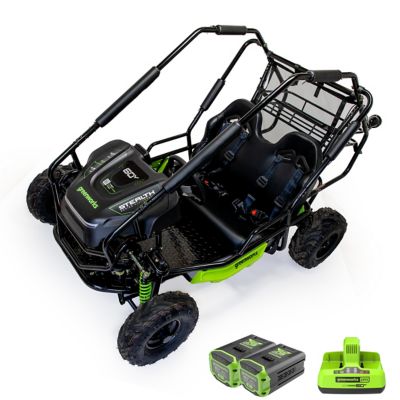
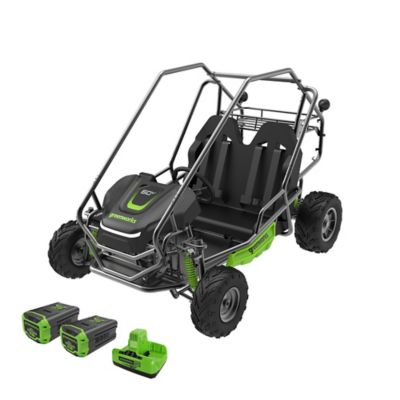
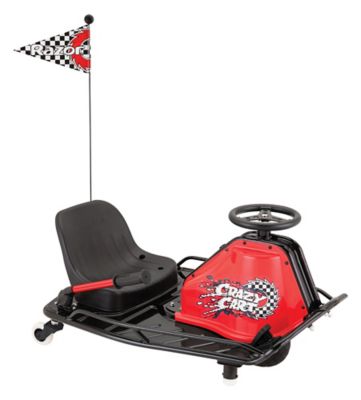
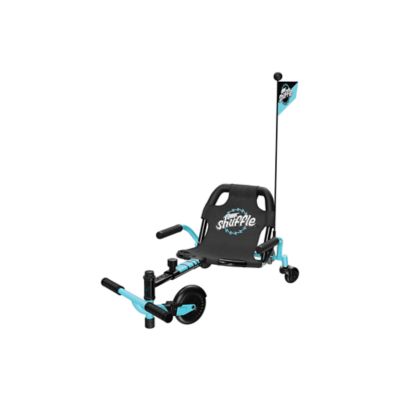
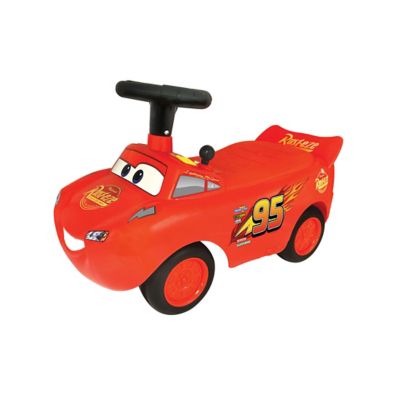
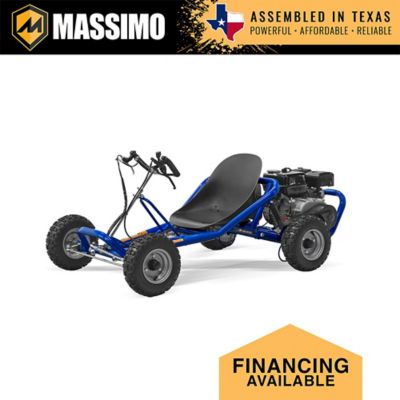
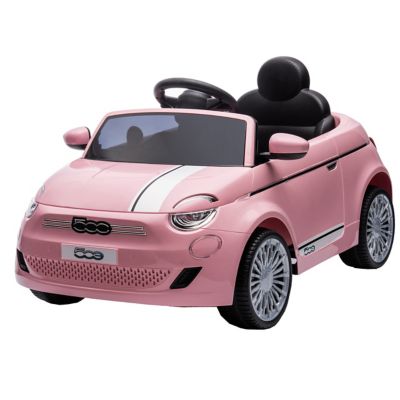
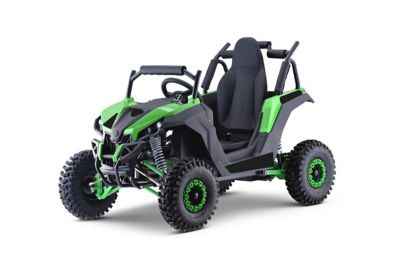
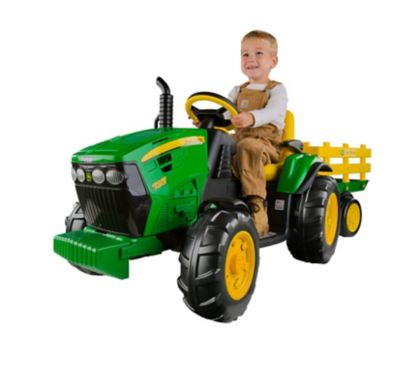
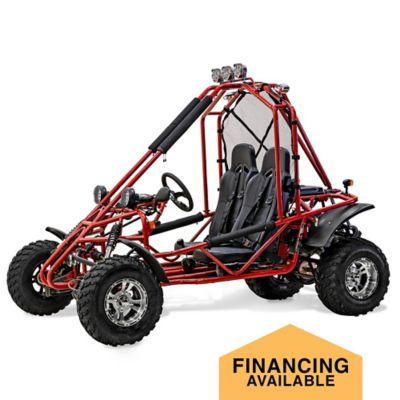
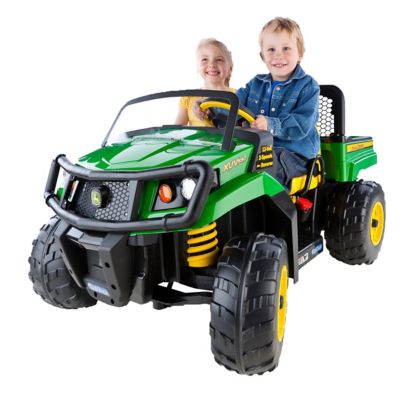
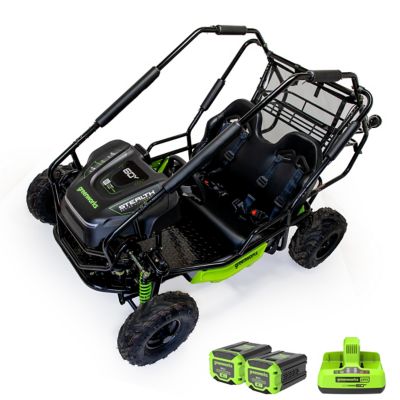
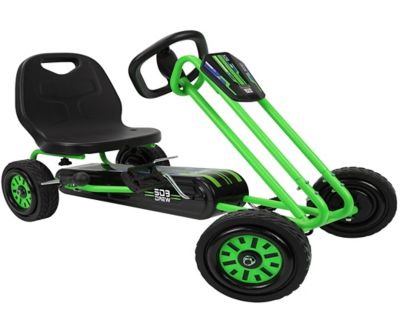
Toy go karts bring a little backyard track-day fun to driveways, patios, smooth paths, and other suitable riding areas. They come in several styles, so the best choice depends on the child’s age, size, confidence, and the kind of riding your family has in mind. Pedal-powered go karts are a simple option for younger riders who enjoy doing the work themselves. With no battery to charge, they are ready whenever the weather is pleasant, and kids can build coordination as they steer, pedal, brake, and learn how their movements affect the kart. Electric toy go karts use rechargeable batteries and may include features such as push-button starting, foot pedals, slow-start operation, adjustable speed settings, or a parent remote control. Lower-voltage models are generally made for younger children and beginner riders, while higher-voltage karts may offer more speed and are often intended for older kids who have better balance, steering control, and experience following riding rules. Some go karts are built for a straightforward ride around the yard, while drift-style designs use specialized rear wheels that let experienced riders slide and turn on smooth pavement. When comparing options, check the recommended age range, maximum rider weight, overall kart dimensions, battery requirements, charging time, expected run time, and whether replacement parts or batteries are available. A kart that fits the child well is easier to control than one that is too large, and a comfortable seating position gives the rider room to reach the pedals and steering wheel without stretching. Speed ratings can vary, with beginner-friendly electric karts often traveling around 2 to 4 miles per hour and faster designs reaching roughly 8 to 11 miles per hour under the right conditions. Actual performance depends on rider weight, surface, battery charge, and slope, so treat listed speed as a guide rather than a promise. For families comparing play-focused vehicles with more advanced outdoor riding equipment,
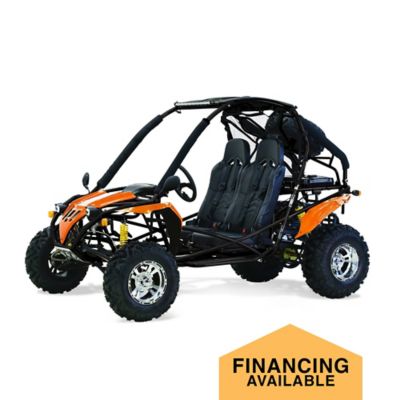
Racing Go Karts can provide another category to explore, while toy go karts are generally chosen for supervised recreational use close to home.
A toy go kart can make a memorable birthday present, a holiday gift, or a special surprise for a child who spends every spare minute outdoors. It fits naturally into life on a rural property, where a child may enjoy making laps along a clear driveway, cruising beside the barn, or practicing wide turns near the edge of the yard. It can also be a fun way for siblings, cousins, and grandkids to spend time outside together, taking turns and setting up simple routes with cones or other clearly visible markers. Before buying, take a close look at the riding area. Most toy go karts perform best on flat, smooth concrete or asphalt with plenty of open space, while gravel, loose dirt, wet grass, mud, steep slopes, and uneven ground can make steering and stopping more difficult. A wide driveway may work well when it is free of parked vehicles, tools, livestock, irrigation hoses, toys, and other obstacles. Keep riding away from public roads, traffic, ponds, drop-offs, ditches, and areas where farm equipment is moving. Children should wear a properly fitted helmet every time, along with closed-toe shoes that stay secure on the feet. Depending on the kart and the riding area, elbow pads, knee pads, and other protective gear can add another layer of comfort and confidence. Adult supervision matters even when the kart has a low top speed, especially for younger riders who are still learning to use the brake and release the accelerator. Start on the slowest setting, practice stopping before picking up speed, and teach children to keep both hands on the steering wheel and stay seated while the kart is moving. Drift-capable karts deserve extra care because sliding can send the vehicle in an unexpected direction. Beginners should use a wide, open, dry surface and avoid trying spins near fences, parked vehicles, buildings, pets, or other riders.
Seasonal changes can shape how a toy go kart is used and stored. As the weather warms, longer daylight hours make it easy to enjoy a supervised ride after school, on a weekend afternoon, or during a family gathering. During the cooler months, children may get fewer chances to ride, so keep the kart in a dry, protected space and follow the manufacturer’s instructions for battery charging and storage. Rechargeable batteries should be charged with the correct charger, kept away from extreme heat and moisture, and checked for swelling, damage, unusual odors, or frayed connections before use. Do not leave a charging battery unattended or allow children to handle the charger without adult help. Before each ride, inspect the tires, steering, brakes, seat, safety belt if included, and fasteners; clear dirt and grass from moving parts, and make sure the battery compartment is secure. A quick inspection is especially useful after a kart has been stored through rainy weather or transported to another property. Keep the riding route dry and visible, and pause play when the pavement becomes slick from rain, frost, leaves, or mud. Toy go karts are intended for recreational riding, not public streets, racing with traffic, towing, carrying passengers, or hauling loads. Matching the kart to the rider and the terrain helps keep the experience enjoyable, while clear family rules give children the freedom to have fun within safe boundaries. With the right fit, a suitable riding surface, regular care, and hands-on supervision, a toy go kart can turn an ordinary stretch of driveway into a place for practice, laughter, and plenty of outdoor memories.