Click Type Torque Wrenches
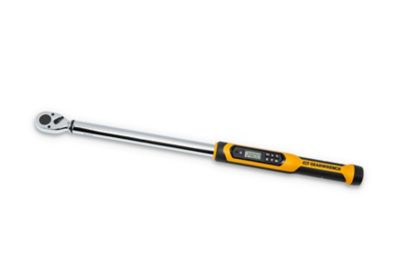
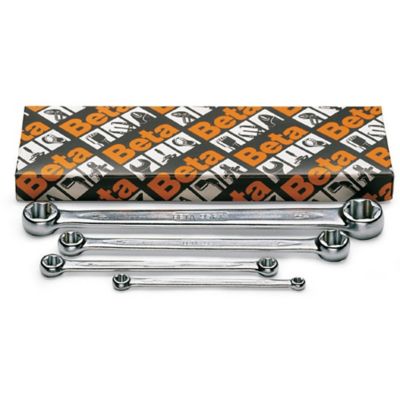
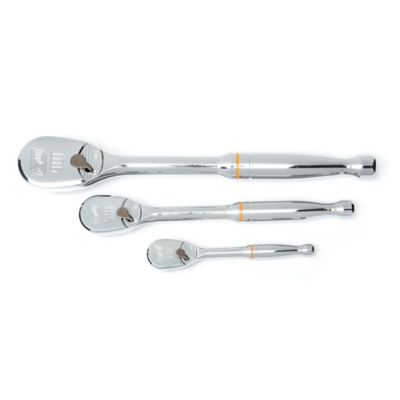
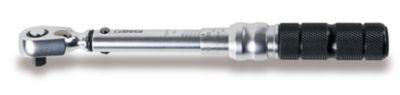
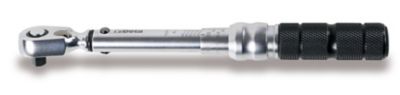
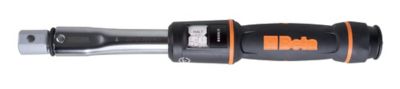
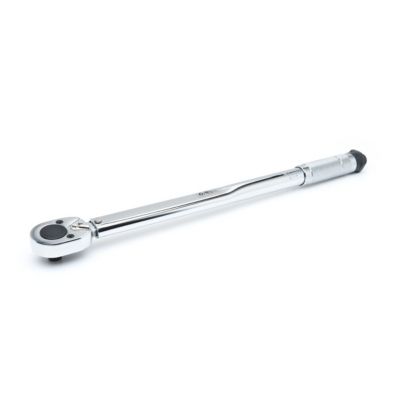
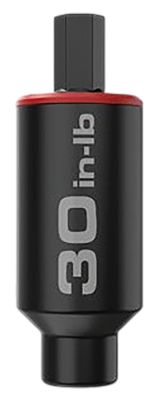
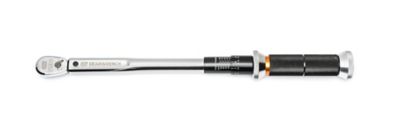
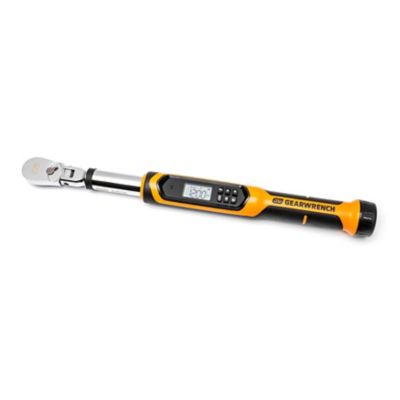
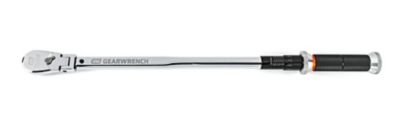
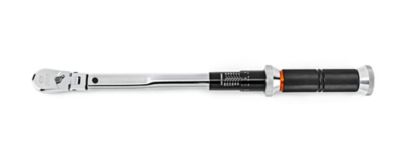
Click Type Torque Wrenches are a must-have for any farm, garage, or workshop where getting the job done right matters. Whether you’re tightening bolts on your tractor or making repairs around the barn, these tools help take the guesswork out of your projects. Built for folks who like to do things themselves, Click Type Torque Wrenches offer dependable performance and simple operation so you can tackle repairs with confidence. Find the right fit for your tool kit and keep your equipment running strong season after season.

$166
.49
Sale Was $184.99 Save $18.50 (10%)

$206
.99
Sale Was $229.99 Save $23.00 (10%)

$206
.99
Sale Was $229.99 Save $23.00 (10%)

$260
.99
Sale Was $289.99 Save $29.00 (10%)

$184
.49
Sale Was $204.99 Save $20.50 (10%)

$224
.99
Sale Was $249.99 Save $25.00 (10%)
$251
.99
Sale Was $279.99 Save $28.00 (10%)

$175
.49
Sale Was $194.99 Save $19.50 (10%)
$256
.49
Sale Was $284.99 Save $28.50 (10%)

$265
.49
Sale Was $294.99 Save $29.50 (10%)
$305
.99
Sale Was $339.99 Save $34.00 (10%)

$256
.49
Sale Was $284.99 Save $28.50 (10%)

$260
.99
Sale Was $289.99 Save $29.00 (10%)
$94
.99
Sale Was $134.99 Save $40.00 (30%)
$79
.99
Sale Was $119.99 Save $40.00 (33%)
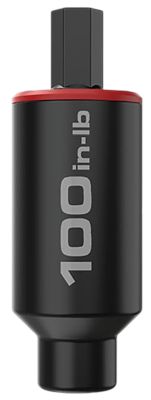
Best Of FAQ
What is a click type torque wrench used for?
A click type torque wrench is used to apply a specific amount of torque to fasteners such as bolts and nuts, ensuring they are tightened to the manufacturer's recommended specifications.
How does a click type torque wrench work?
A click type torque wrench works by allowing the user to set a desired torque value. When that value is reached during tightening, the wrench emits an audible 'click' sound and a slight release of tension, signaling the user to stop applying force.
What are the benefits of using a click type torque wrench?
Using a click type torque wrench helps prevent over-tightening or under-tightening fasteners, which can lead to equipment damage or failure. It also ensures consistent and accurate assembly in automotive, mechanical, and construction applications.
Can click type torque wrenches be used for both loosening and tightening?
Click type torque wrenches are primarily designed for tightening fasteners to a specified torque. While some models can be used in reverse for loosening, it is generally recommended to use them only for tightening to maintain calibration accuracy.
Do click type torque wrenches require maintenance?
Yes, regular maintenance such as cleaning after use and storing the wrench at its lowest setting can help prolong its lifespan. Periodic calibration checks are also recommended to ensure continued accuracy.
Best Sellers
-
"one thing it would be the tilting head I would make it a locking tilting head that would make it the best"
-
"Love this torque wrench! Have used it on multiple head gasket jobs"
-
"The ratcheting box end is great for tight spaces, and really speeds up the job"
-
"The price is great for the quality"
-
"I own several different sets of ratchets, and I can say without any doubt that these are the best set"