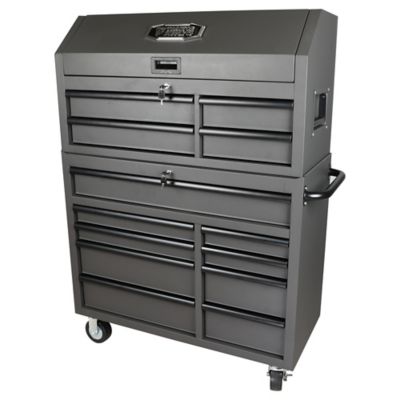
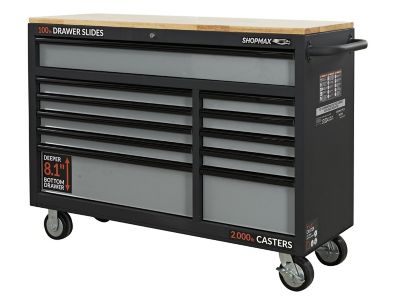
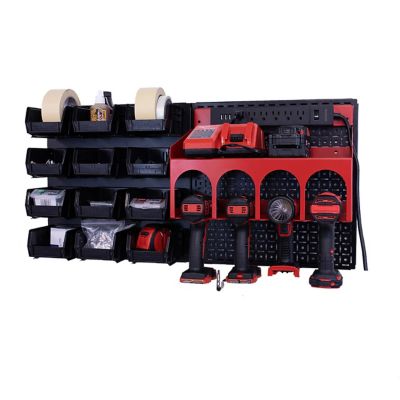
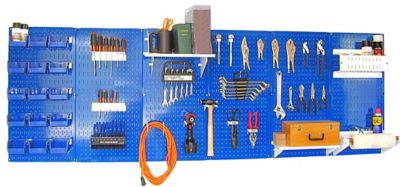
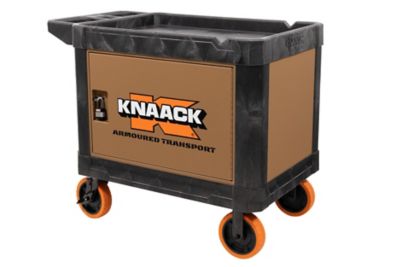
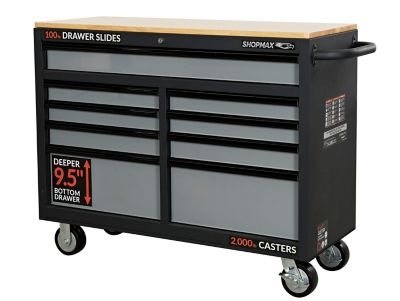
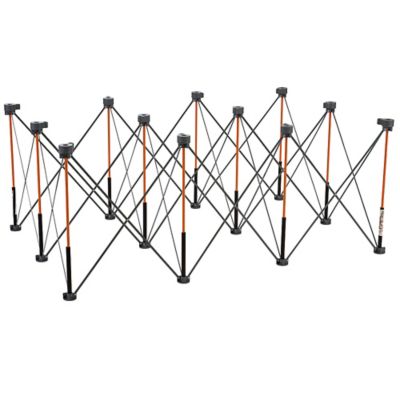
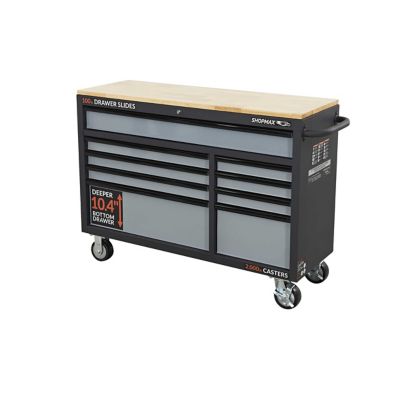
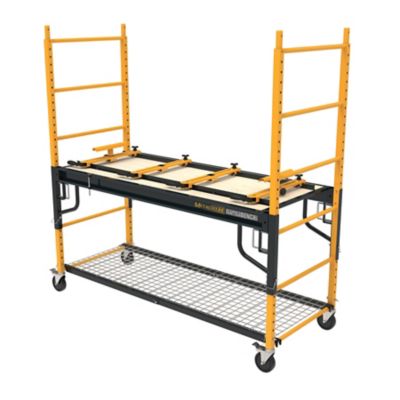
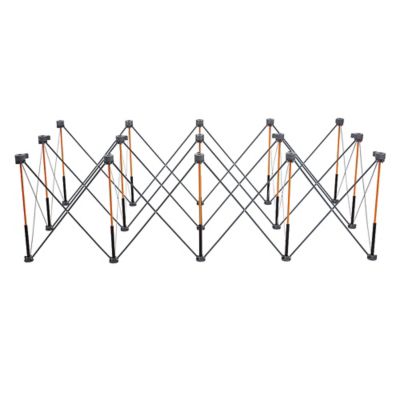
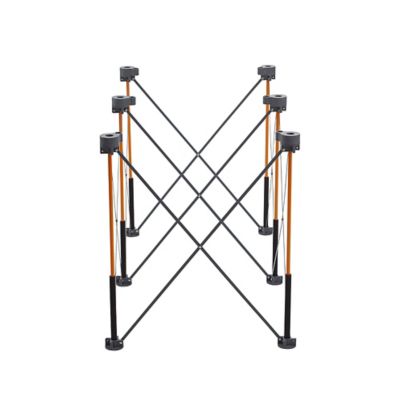
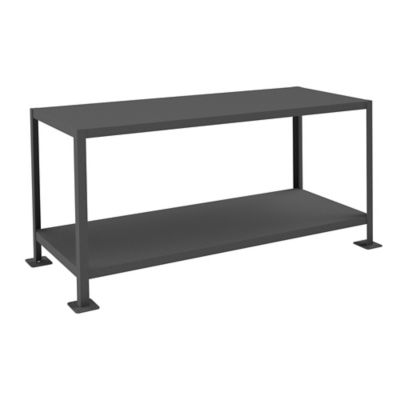
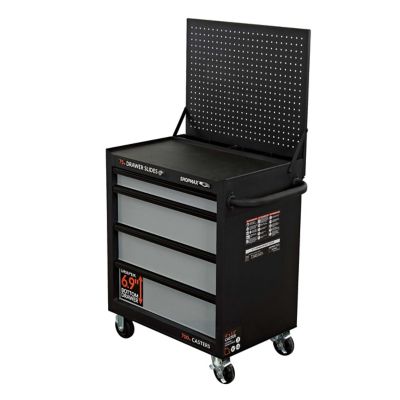
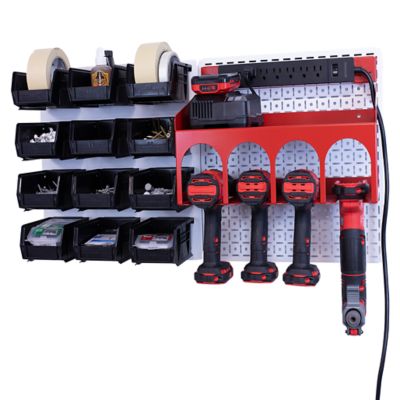
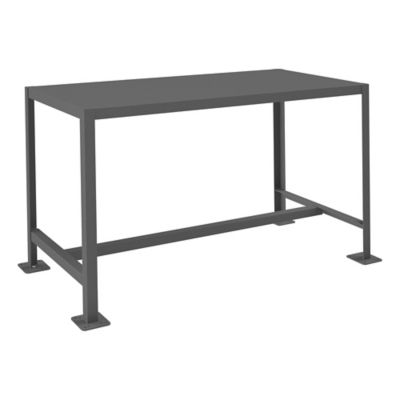
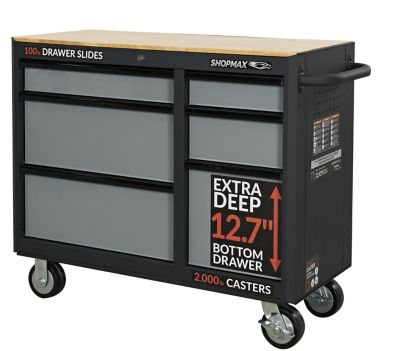
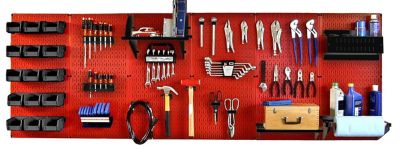
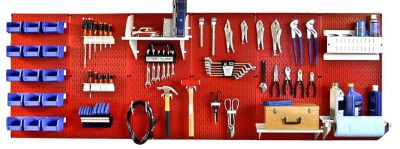
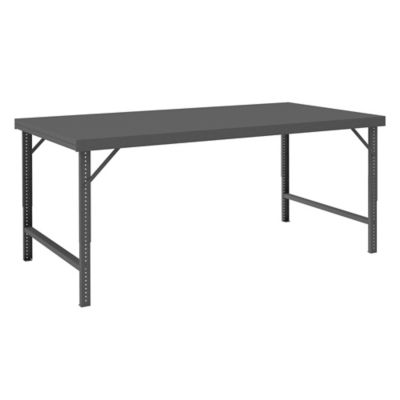
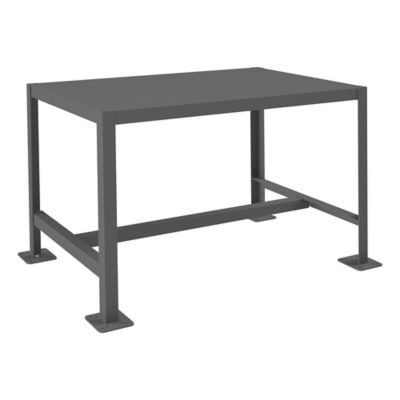
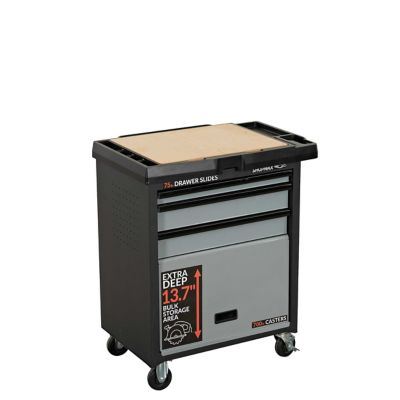
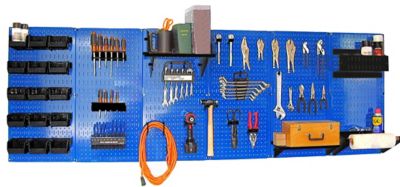
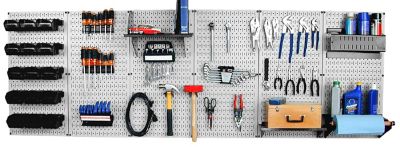
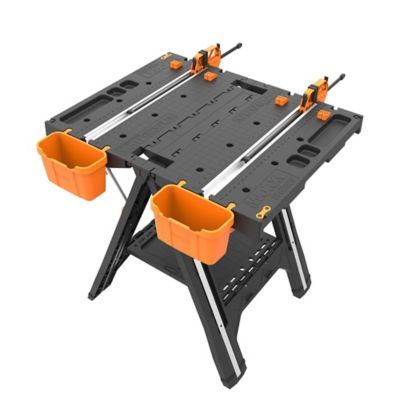
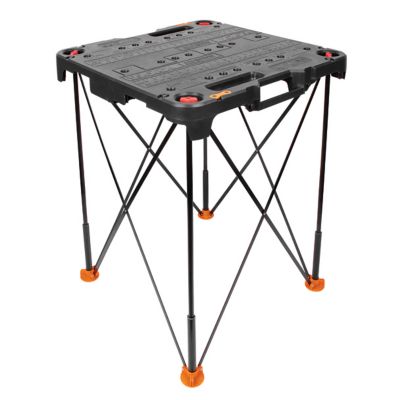
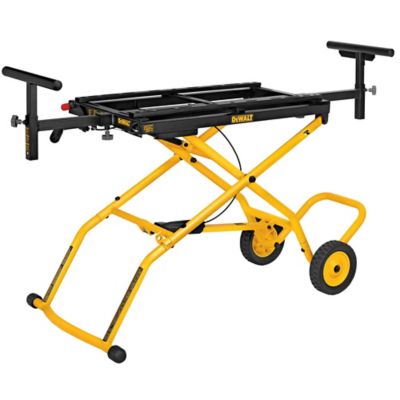
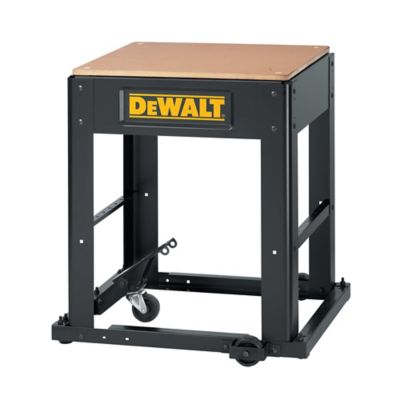
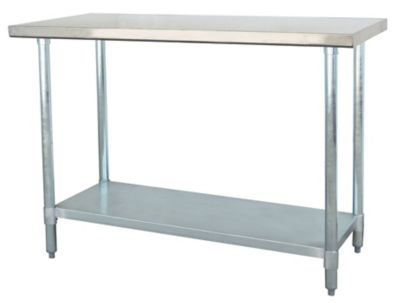
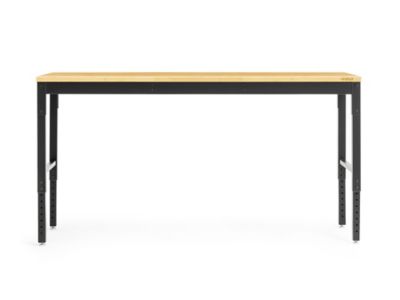
Tool workstations bring a work surface and tool storage together, giving repairs, assembly jobs, and everyday shop tasks a place of their own. Depending on the design, that can mean a rolling workbench with drawers beneath a wood top, a stationary bench with open shelving, or a folding station that packs away between jobs. Some configurations also include a back panel for hanging tools, built-in electrical outlets, or space for larger equipment below the work surface. The benefit is straightforward: a clear spot to set down a project, with the tools for the job close at hand. In a farm shop, that might mean laying out parts from a mower repair without tying up the floor. In a garage, it could mean keeping sockets, pliers, and fasteners together instead of carrying them back and forth from several cabinets. Mobile tool workstations suit spaces where the work moves around, while fixed benches give repeated tasks a consistent home. Compact stations make sense in shared spaces where a vehicle, feed cart, or other equipment still needs room to pass. A broad worktop provides space to spread out parts, while a smaller footprint can leave more walking room around the bench. Work surface height matters, too. Fine assembly calls for a comfortable view of small parts, while tasks that involve downward pressure need a height that lets the operator work without reaching awkwardly. Adjustable-height designs offer flexibility when different people share the same station or when projects change throughout the day. For mechanics, woodworkers, property owners, and folks who handle their own equipment upkeep, the right layout supports the work rather than getting in its way. Alongside other
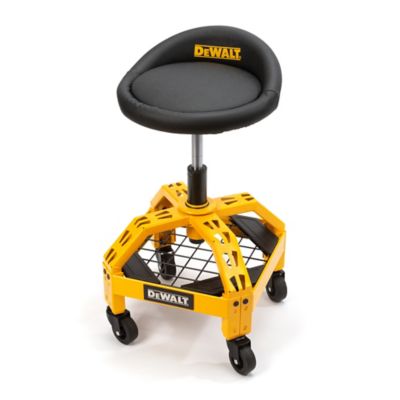
Workshop Furniture, a tool workstation helps establish a practical work area with room for storage, seating, and the projects that tend to land on the bench.
Materials and construction shape how a tool workstation handles daily wear. Steel frames and cabinets are common choices for supporting tools and organizing heavier gear, but the stated load rating matters more than appearance alone. Overall capacity, worktop capacity, drawer limits, and shelf limits may differ, so a large cabinet does not necessarily carry the same load in every section. A solid wood top provides a substantial surface for general assembly and repair work, though standing liquids, deep cuts, and repeated impacts can leave marks. A protective mat or replaceable work board can help separate messy tasks from the main surface. Steel tops suit many mechanical tasks and wipe down readily, while stainless steel offers corrosion resistance; neither should be treated as unaffected by every cleaner or shop chemical. Painted and powder-coated surfaces also benefit from prompt spill cleanup and attention to chips that expose bare metal. The details underneath the top deserve just as much attention. Frame bracing, secure joints, and properly installed hardware contribute to a steady bench, especially when a project involves pushing, pulling, or working near an edge. A vise or other mounted accessory adds its own demands, and compatibility depends on the top, frame, mounting method, and manufacturer’s guidance. Floor space includes more than the cabinet’s outside measurements. Drawers need room to open, cabinet doors need clearance, and a person carrying an awkward part needs space to turn without catching a corner. Knee clearance can matter for seated work, while a lower shelf may be more valuable for standing tasks that require extra storage. Routine care is generally simple: clear away metal shavings and sawdust, wipe spills with a surface-appropriate cleaner, and check fasteners and moving parts according to the care instructions. Keeping drawer tracks free of grit and checking casters for tangled debris helps preserve smooth movement. These small habits support a workstation that stays useful through repeated repairs and long stretches of shop work.
Storage layout often makes the biggest difference once a tool workstation becomes part of the daily routine. Shallow drawers keep wrenches, sockets, and measuring tools visible in a single layer, while deeper drawers and cabinets provide room for larger tools and their cases. Dividers and fitted trays can keep small hardware from collecting in a jumble, and drawer liners help limit sliding as drawers open and close. Ball-bearing slides can make loaded drawers easier to operate, though their weight rating and extension determine what they can hold and how much of the drawer is accessible. Full-extension drawers bring tools at the back within reach, which is handy when a project already covers most of the worktop. Open shelves offer quick access to larger supplies, while enclosed storage helps keep loose belongings contained. Lockable compartments add access control, but they do not replace proper storage requirements for chemicals or other hazardous materials. On a rolling workstation, caster size and material influence how easily the cabinet crosses floor joints and rough patches. Wheel locks help hold the station in position, but heavy-force work still depends on the workstation’s intended use and stability. Moving a loaded cabinet calls for secured drawers, a clear path, and attention to the manufacturer’s load and handling limits. Built-in AC outlets or USB ports can provide a convenient charging spot when included, with cord routing and electrical ratings determining how that setup fits the space. Power cords should stay out of walking paths and away from pinch points, and charging equipment needs the ventilation its instructions specify. Folding and portable stations serve a different need, offering a work surface that can travel to the task or tuck away afterward, often with less enclosed storage than a cabinet-style bench. For someone setting up a first garage workspace or improving a well-established farm shop, a tool workstation can also make a practical gift when its dimensions, capacity, and layout match the recipient’s tools and working habits. The best fit leaves room to work, keeps frequently reached-for tools close, and gives each project a clear place to begin.