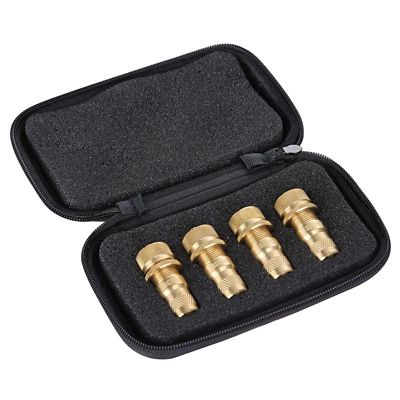
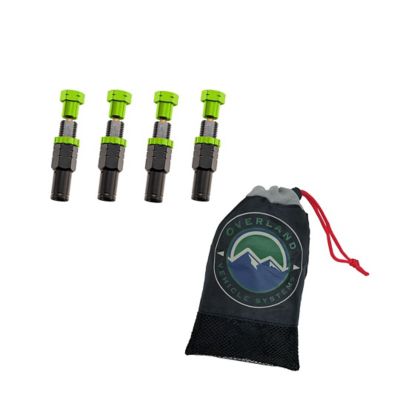
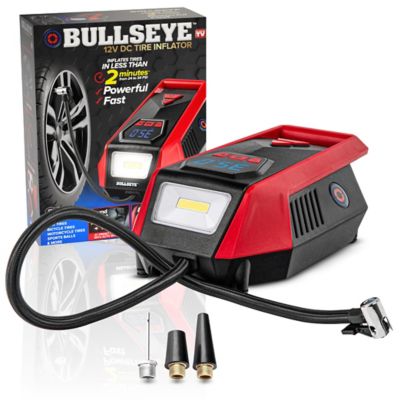
Tire deflators are tools that release air from a tire so its pressure can be lowered for an appropriate off-road setting. They connect at the tire valve and offer a more controlled way to air down than pressing the valve stem with whatever happens to be in the toolbox. On certain surfaces, reducing pressure lets the tire flex more and creates a larger contact patch, which can help a properly equipped vehicle travel across loose sand, uneven rocks or soft ground. That makes tire deflation tools a practical part of an off-road setup for trucks, SUVs and other compatible vehicles traveling beyond maintained roads. A ranch truck headed onto a sandy access track and a trail vehicle easing across a rocky stretch may both benefit from pressure adjustments, but they do not necessarily need the same setting. Vehicle weight, cargo, tire construction, wheel design, terrain and speed all affect the appropriate pressure. There is no single off-road PSI that suits every truck or every trail, and a number that works for an unloaded vehicle may not suit one carrying tools, feed or camping gear. Lower pressure is not automatically better: going too low can increase the chance of tire damage, wheel contact with obstacles or the tire bead separating from the wheel. Tire deflators support deliberate pressure changes within the limits of the vehicle, tires and wheels; they do not replace those limits. Their purpose also differs from that of a tire inflator. A deflator removes air, while an inflator puts it back, so both functions matter when a trip includes pavement and off-road travel. For drivers who regularly move between a firm road and a rough access route, a dedicated deflation tool can make that transition less fiddly, especially when several tires need attention before the drive continues.
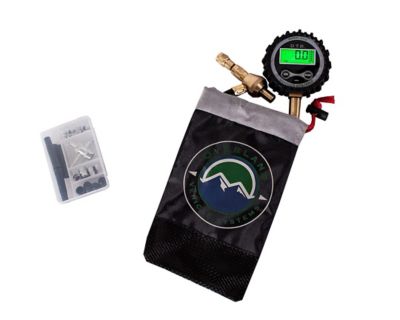
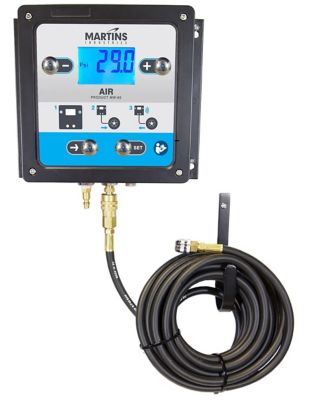
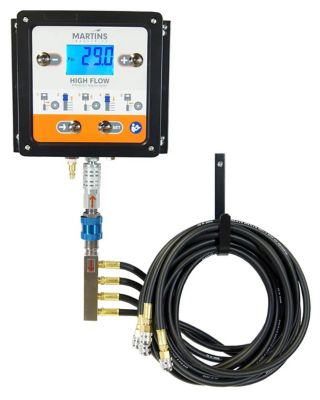
The main tire deflator styles include automatic screw-on deflators, manual valve-core removal tools and gauge-equipped bleeder tools. Automatic screw-on designs attach to compatible tire valves and, when properly set, release air until they reach a preset pressure. They can be handy for repeat outings with a familiar vehicle and load, although the setting still needs verification with a suitable tire pressure gauge. Sets that attach to several tires can reduce the amount of time spent moving one tool from wheel to wheel, but matching settings and checking the final readings remain important. Manual valve-core removal deflators temporarily unthread and retain the valve core inside the tool, allowing air to escape through a larger opening. Many pair that function with a gauge so pressure can be monitored during the adjustment. Gauge-equipped bleeder designs release air through a smaller valve and suit drivers who prefer gradual changes while watching the reading. Differences in airflow, control layout and gauge range matter more than appearance when comparing these styles. A large, clearly marked dial can be easier to read beside a deep wheel, while a digital display may offer selectable pressure units; digital tools also bring battery requirements into the picture. Gauge resolution and stated measurement tolerance deserve attention, particularly when working near the lower end of a tire’s permitted operating range. Fit is just as important as the readout. Many automotive tire deflators connect to Schrader valves, but compatibility depends on the tool, valve assembly and available clearance around the wheel. Recessed stems, wheel covers, short stems and tire pressure monitoring system components can affect access. Brass, stainless steel and aluminum appear in deflator bodies and fittings, with differences in weight and resistance to corrosion. Seals, threads, hoses and moving parts also influence how well a tool handles repeated connections. A solid grip and a fitting that seats cleanly are welcome details when working beside a dusty wheel on a gravel turnout.
Tire deflators earn their place alongside a pressure gauge, valve caps and suitable inflation equipment rather than serving as a stand-alone answer to traction trouble. Matching deflation tools with
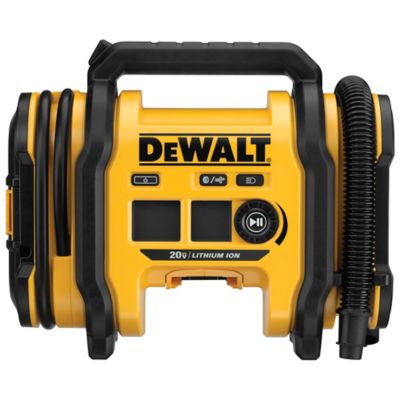
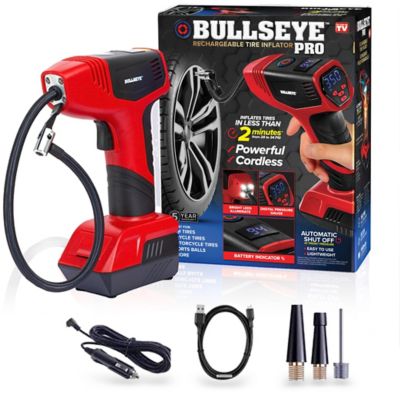
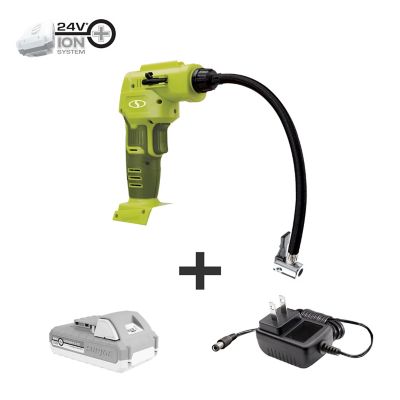
Tire Inflator Kits helps cover both sides of pressure management, especially when the nearest air source is a long drive from the trail entrance. Inflation equipment needs to suit the tire size, required pressure and power source, since larger tires can take more air and more running time to refill. Before returning to paved-road speeds, tires need to be brought back to the vehicle manufacturer’s specified road pressure for the applicable load, with pressure checked according to the manufacturer’s guidance. The maximum pressure molded into a tire sidewall is not a substitute for the vehicle’s recommended setting. For pickups that haul cargo or pull trailers, load requirements make that distinction especially important; lowering pressure is not a workaround for overloading or a way to make road towing more comfortable. Care between outings is straightforward but worthwhile. Keeping dirt out of fittings helps protect the threads and seals that control airflow, and a pouch or compartment keeps small deflators from disappearing among sockets and loose hardware. Valve caps belong back on the stems after the work is finished. Tools with hoses benefit from storage without sharp bends, while battery-powered gauges need the battery care described by their manufacturer. Damaged seals, bent connections or inconsistent readings call for attention before the next outing. Deflators can also make a useful gift for an off-road driver, landowner or camping partner who already carries the matching air equipment, provided the valve fit and operating range suit the vehicle. For occasional trail rides, easy handling and clear readings may matter most; for frequent trips, convenient storage and serviceable components can carry more weight. The right setup keeps pressure adjustments manageable without turning a roadside stop into a hunt for missing parts, leaving more attention for the route ahead.