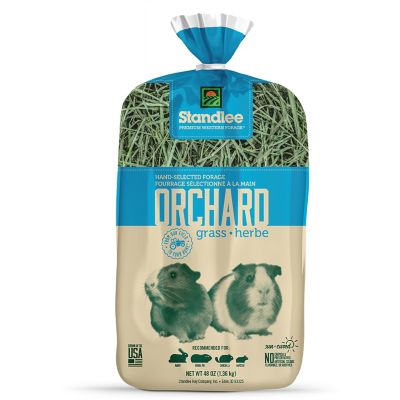
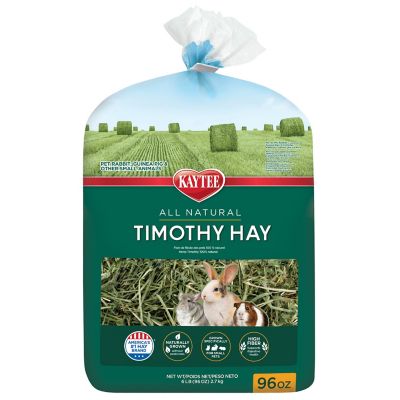
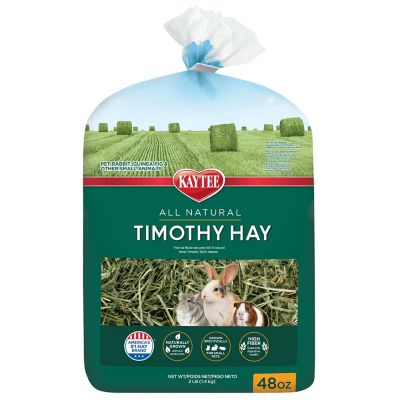
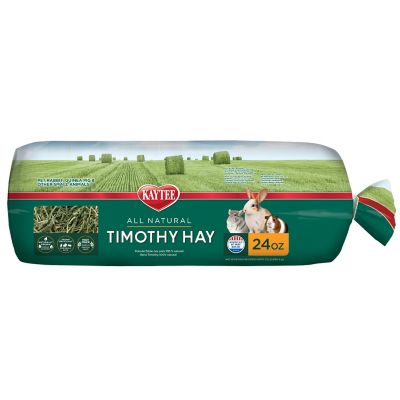
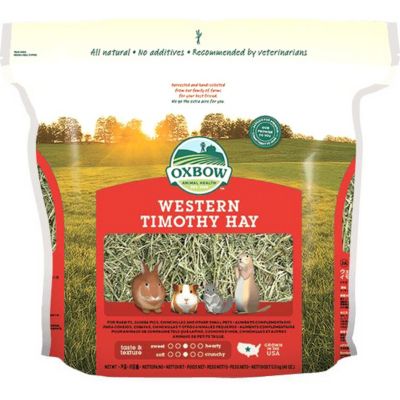
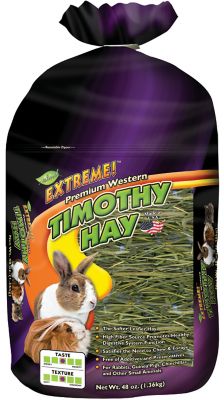
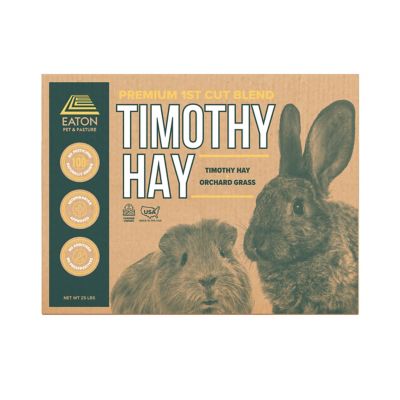
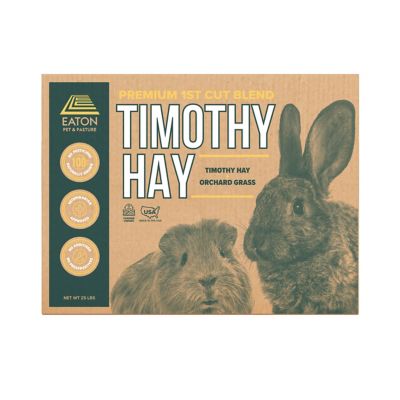
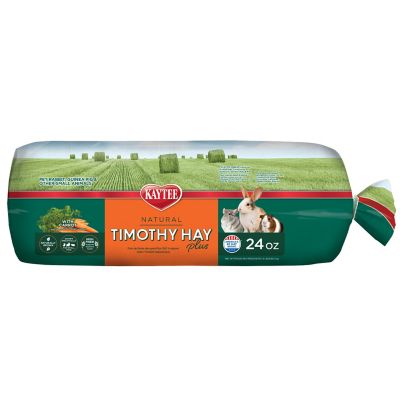
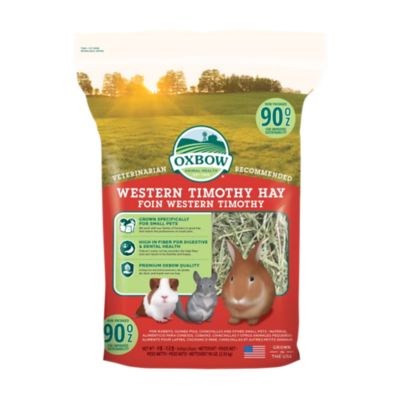
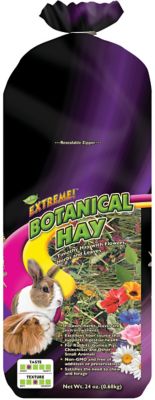
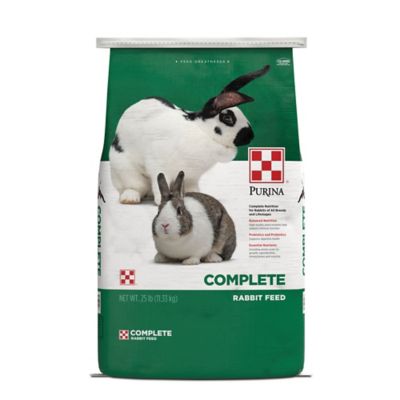
Timothy hay is dried forage from Phleum pratense, a perennial grass grown for feeding small herbivores, horses and other grass-eating animals. Its mix of leaves, stems and cylindrical seed heads gives it a familiar grassy smell and plenty of texture for steady chewing. For adult rabbits, guinea pigs, chinchillas and degus, timothy is a common everyday grass hay that supplies the fiber their digestive systems need. Eating long strands also encourages the chewing motion that helps wear down continuously growing teeth, especially the back teeth. That makes hay more than something to fill an empty corner of the pen: it belongs at the center of an appropriate feeding routine. Healthy adult small herbivores generally need free access to suitable grass hay, along with fresh drinking water and the other foods their species requires. Timothy hay typically contains less protein and calcium than alfalfa, which is a legume rather than a grass. That difference often makes timothy a better everyday match for mature small pets, while growing animals, nursing mothers and animals with special health needs may need a different balance under veterinary guidance. Guinea pigs also need a dependable dietary source of vitamin C; hay alone does not meet that need. Nutrient levels vary with plant maturity, growing conditions and harvest, so the name of the grass does not tell the whole feeding story. The label and any available forage analysis offer more useful detail than color alone. A green tint can be appealing, but hay does not have to look perfectly uniform to provide useful forage. A clean, grassy scent, a leafy portion mixed with stems and freedom from mold or excessive dust matter more than a picture-perfect handful. For the rabbit that settles beside a hay rack after breakfast or the guinea pig that noses through a fresh pile looking for favorite strands, timothy offers both nourishment and a natural foraging activity. Keeping it easy to reach helps make those regular mouthfuls part of the animal’s everyday routine.
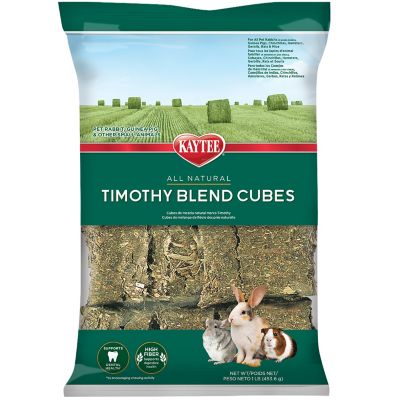
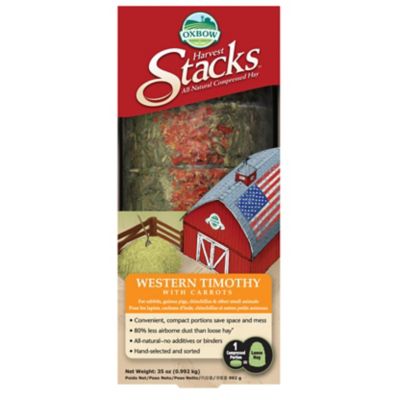
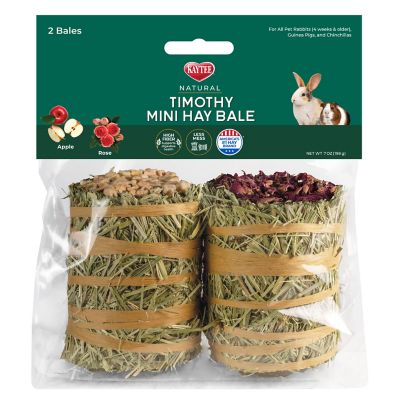
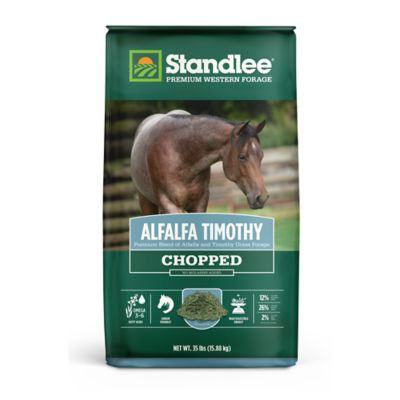
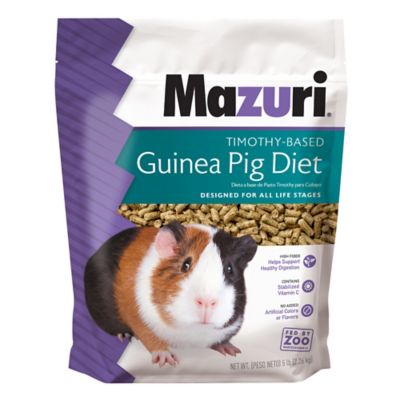
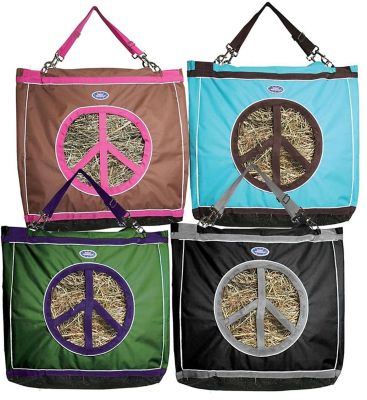
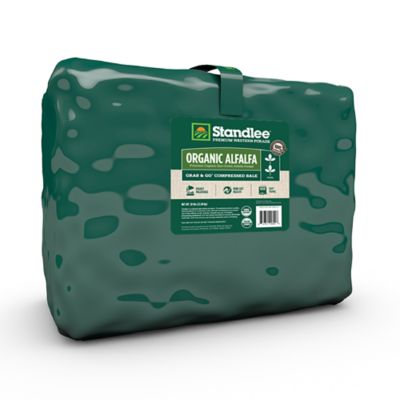
Differences between timothy hay cuttings show up most clearly in the balance of stems, leaves and seed heads. First-cutting timothy often has more substantial stems and a coarser feel, with prominent seed heads that some animals enjoy sorting through. Second-cutting timothy is commonly leafier and softer, offering a middle ground between firm stems and tender blades. When a third cutting is produced, it is often especially soft and leafy. Those descriptions are useful starting points, not guarantees: harvest maturity can affect texture and nutrition as much as cutting number. A softer handful is not automatically more nutritious, and thicker stems do not automatically make a hay unsuitable. The best match is one an animal eats willingly while meeting its feeding needs. For small-pet households, loose, long-strand timothy allows nibbling, sorting and repeated chewing throughout the day. Compressed hay separates into portions for feeding, while chopped forage, cubes and pellets have different handling characteristics and should not be treated as interchangeable with long-strand hay in every diet. Package weight, strand length and feeding space all affect how manageable a hay format feels at home. A hay rack should hold forage within comfortable reach without sharp edges or openings that could trap a head or leg. Placing hay where a rabbit already likes to spend time can encourage eating, but forage needs to stay clear of wet bedding and soiled areas. A small daily refresh often does more good than leaving a large, trampled pile in place. Storage matters just as much as serving. Keep hay dry, off damp floors and protected from leaks, pests and contamination. Follow package storage directions, and avoid trapping moisture around it. Musty smells, visible mold, unusual heat or heavy dust are reasons not to feed it. A little loose leaf material at the bottom of a bag is different from a cloud of fine dust rising from every handful. Matching the package size to the number of animals and their feeding rate also keeps storage more practical.
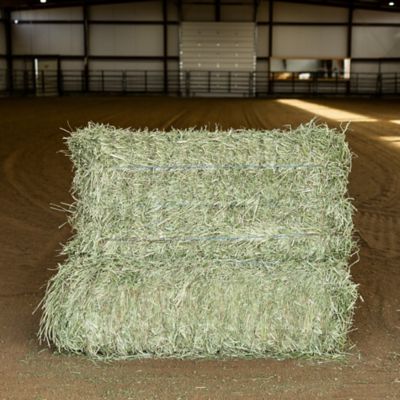
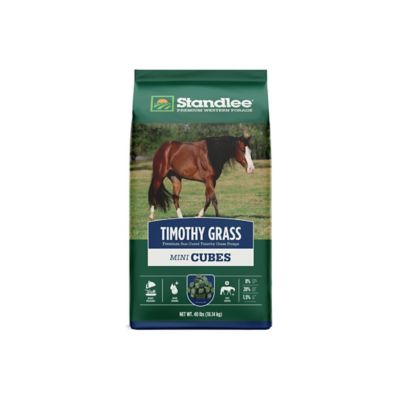
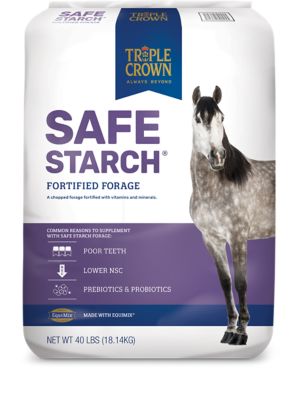
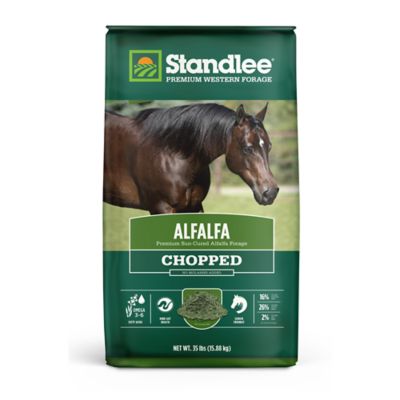
For horses and other forage-eating farm animals, timothy is part of the broader range of
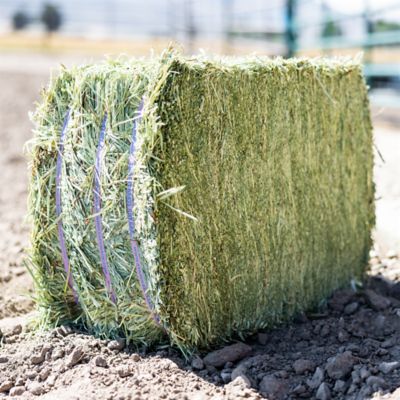
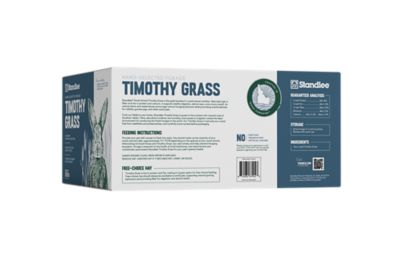
Hay for Livestock, with suitability depending on the animal and the rest of its ration. Many mature horses at maintenance or in light work do well with grass hay as the foundation of their diet, provided it supplies enough nutrients for their condition and activity. Horses working harder, growing youngsters and nursing mares may need additional nutrition beyond what a particular timothy hay provides. Cattle, sheep and goats also have different requirements across growth, breeding and milk production, so one feeding plan will not fit every animal on the place. A forage test can help establish protein, fiber, mineral and sugar levels instead of leaving those details to guesswork. That is especially important for horses with metabolic concerns, since timothy is not automatically low in sugar simply because it is a grass hay. Bale weight deserves attention, too. Two flakes that look about the same size can weigh quite differently depending on compression and stem structure, making a scale more useful than counting flakes alone. For a horse with worn or missing teeth, long stems may be difficult to chew thoroughly; a veterinarian can help determine whether chopped forage or an appropriately prepared hay replacement fits better. Cubes and pellets may require soaking according to their feeding directions and the horse’s needs. Any change in forage should happen gradually so the digestive system has time to adjust, and clean water should remain within easy reach. Around the barn, keeping hay off the ground during storage, separating it from chemicals and checking each feeding for foreign material are straightforward habits that protect the feed. Feeding arrangements matter as well: shared hay needs enough access points that a timid horse or smaller animal can eat without being pushed away. Whether timothy is headed for a small-pet hay rack or a barn feeding area, the practical priorities stay much the same: clean forage, suitable texture, sensible storage and a feeding amount matched to the animal.