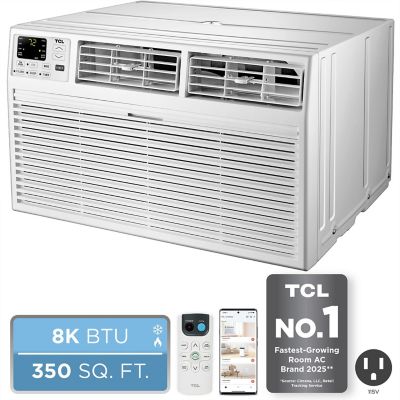
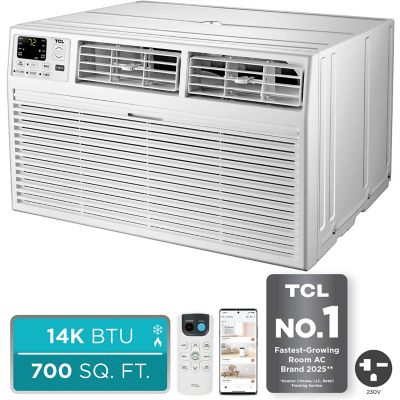
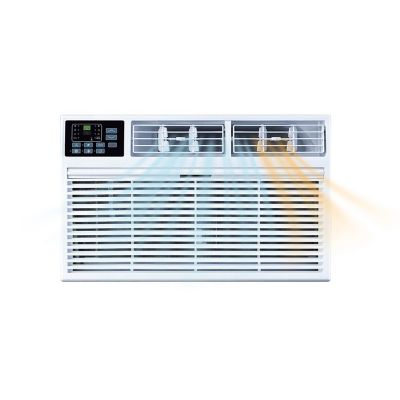
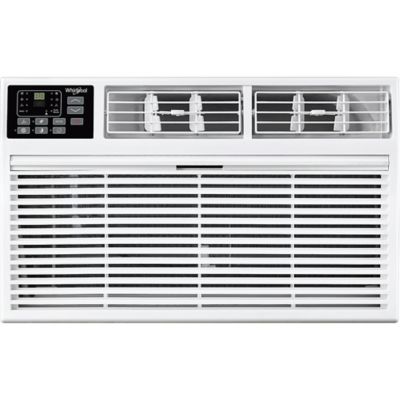
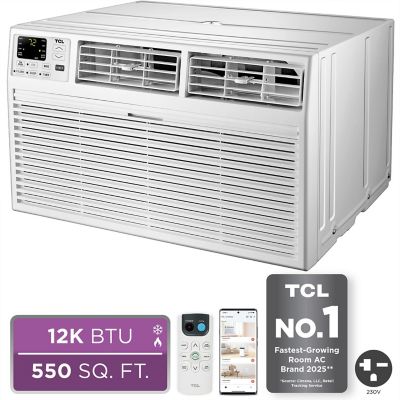
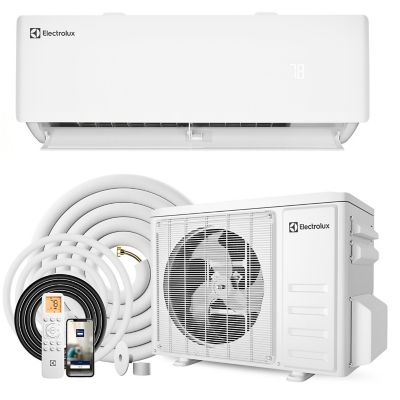
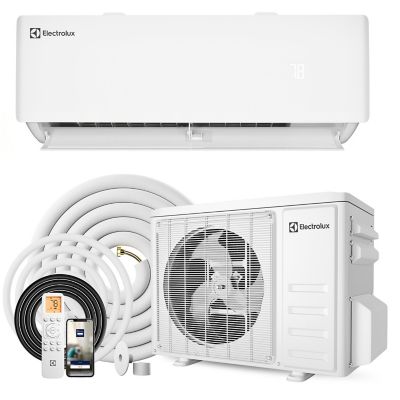
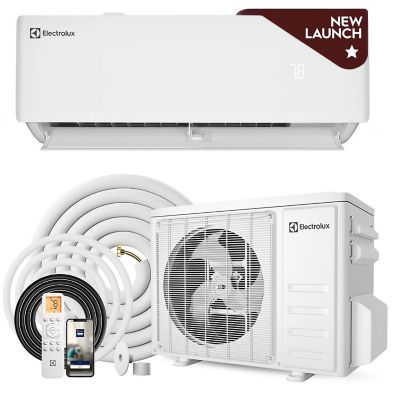
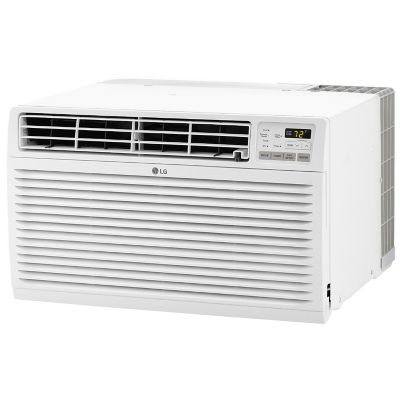
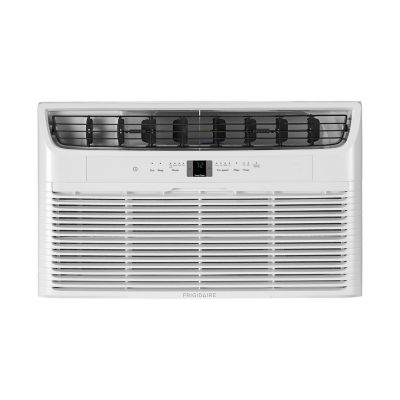
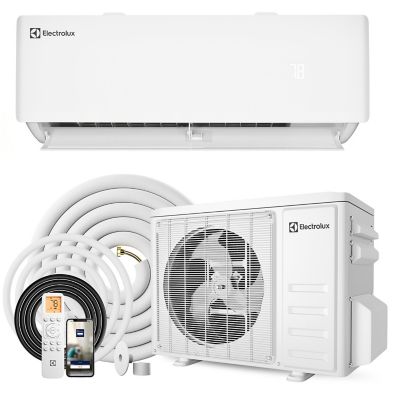
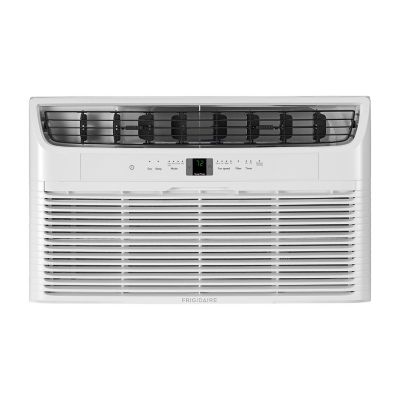
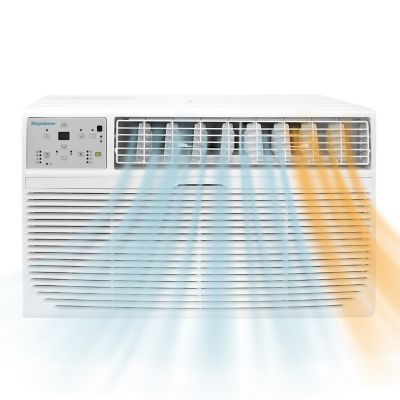
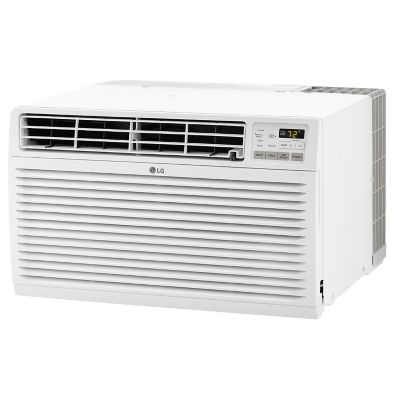
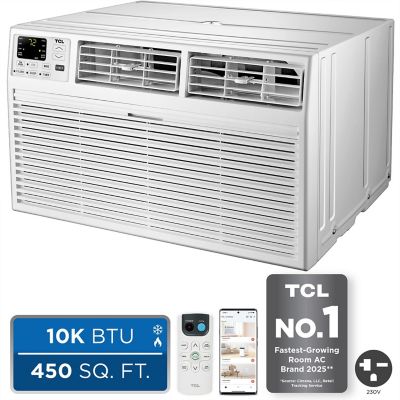
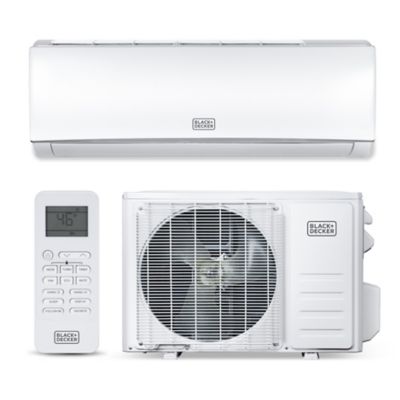
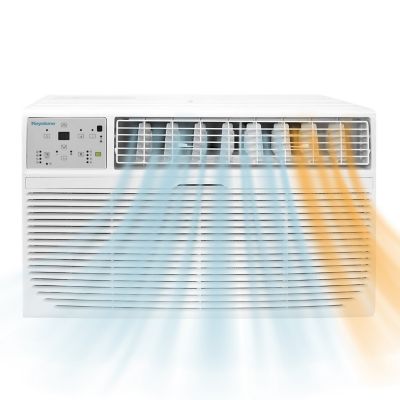
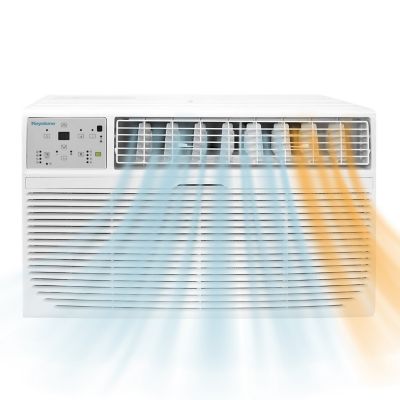
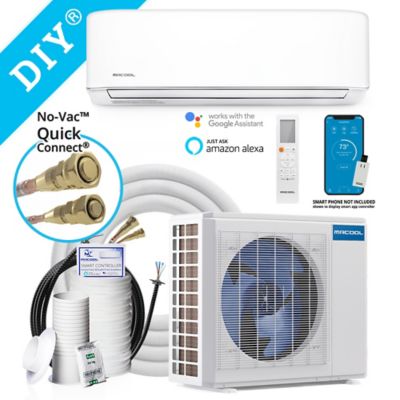
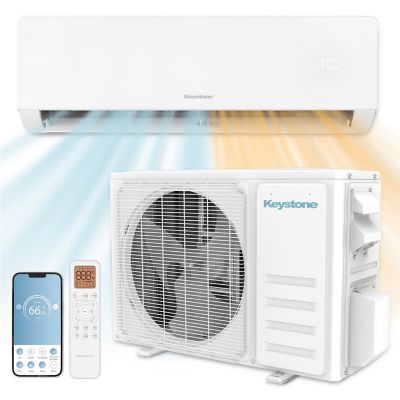
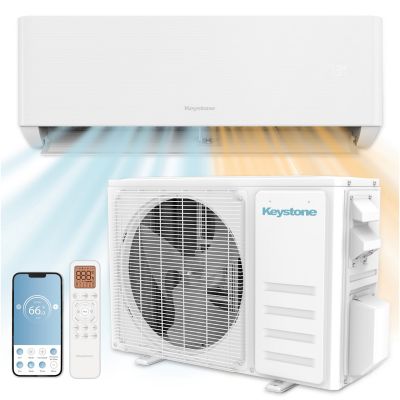
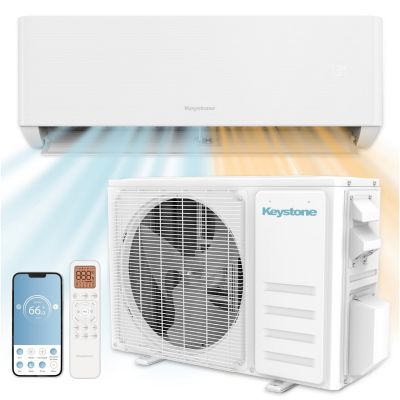
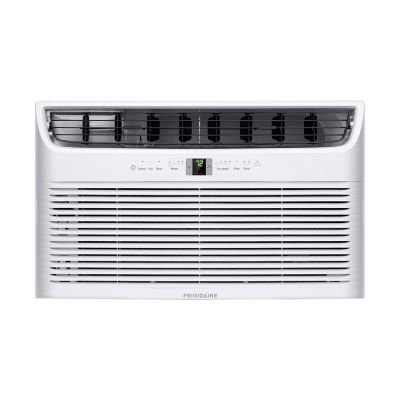
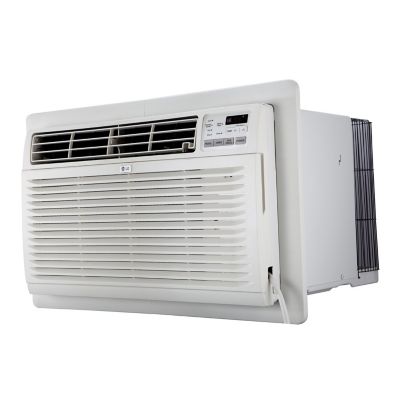
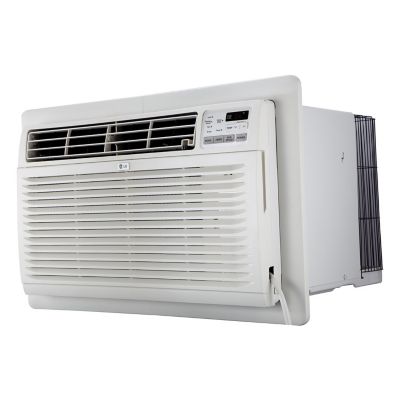
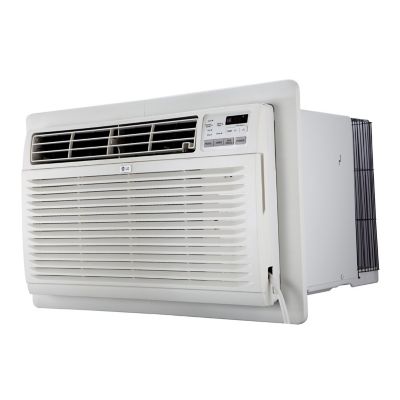
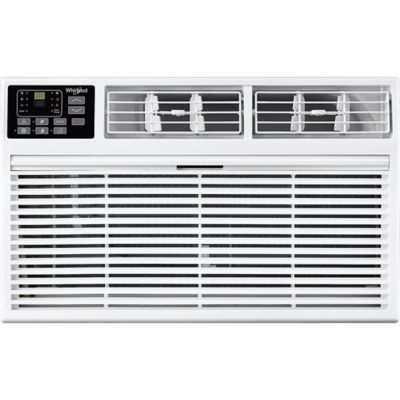
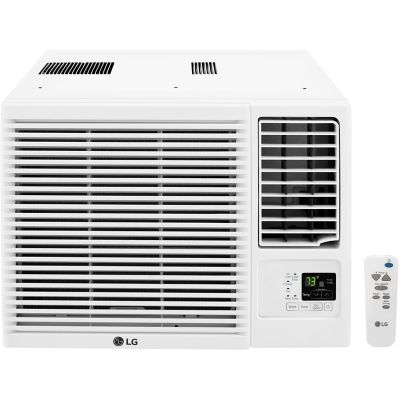
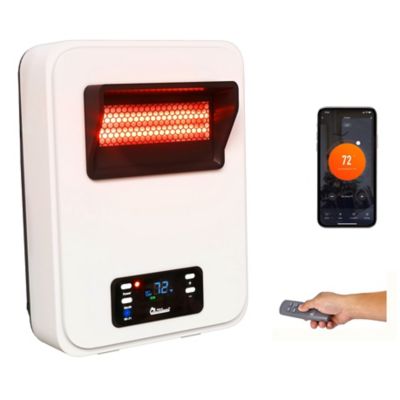
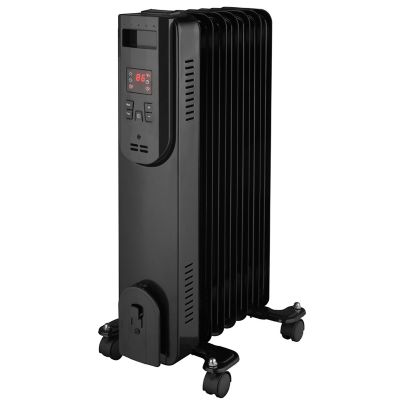
A heater and air conditioner combo wall unit brings heating and cooling to one room or a defined area without extending central ductwork. Depending on the design, it may combine an air conditioner with electric resistance heat or operate as a heat pump that moves heat between indoors and outdoors. Self-contained through-the-wall models house their main working components in a cabinet that fits a compatible wall sleeve, while a ductless wall-mounted system has an indoor air handler connected to an outdoor unit. Those layouts serve a similar purpose, but their installation needs, wall openings, and electrical connections are not interchangeable. For spaces with a permanent exterior-wall opening,
Through The Wall Units offer a built-in approach that leaves the window free for light and a view of the yard. A room over the garage, an enclosed home office, a small business office, or a finished guest room can each have comfort needs that differ from the rest of the building. Combination equipment addresses that separate space with one set of controls rather than separate heating and cooling appliances. The setting matters, though: equipment intended for an enclosed, finished room is not automatically suited to an open barn, a washdown area, or a shop filled with airborne sawdust. Room size, insulation, ceiling height, sun exposure, and outdoor air entering through doors all affect the workload. An office beside a busy shop door may need a different setup than a shaded bedroom of the same size. Cooling capacity is commonly expressed in British thermal units per hour, often shortened to BTU/h, and heating capacity deserves its own look because the two ratings can differ. Matching those capacities to the space supports steady comfort; choosing a larger cooling unit simply for extra power can lead to short run cycles and leave the room feeling damp.
Wall fit involves more than finding a cabinet that looks close to the existing opening. Sleeve dimensions, wall thickness, cabinet depth, and the position of exterior vents all help determine whether a through-the-wall heating and cooling unit belongs in that location. An existing sleeve is not necessarily compatible with a replacement chassis, even when the front dimensions seem similar. Exterior louvers need the clearances specified for the equipment, with room for air to move rather than collect behind shrubs, fencing, or a porch enclosure. Inside, the air outlet needs a clear path past curtains, furniture, and shelving. A wall-mounted ductless air handler also needs its specified clearances, plus a suitable route for refrigerant lines, wiring, and condensate drainage to the appropriate locations. For either layout, the wall structure must support the installation, and openings need proper flashing and sealing to help keep rain and drafts outside. Installation details such as sleeve pitch and drainage vary by design, so the equipment instructions matter more than a general rule about tilting the cabinet. Electrical fit is just as important as physical fit: voltage, plug configuration, circuit capacity, and any dedicated-circuit requirements must match the equipment. An outlet within reach does not establish that the circuit can carry the load, and an extension cord is not a substitute for the required wiring. Professional installation is especially important when work involves refrigerant connections, a new circuit, or changes to the wall structure. Cabinet construction also plays a part in long-term upkeep. Metal housings and protective finishes face different demands in a sheltered wall than near windblown grit or salt air. An accessible front panel and filter compartment make routine care easier, while a snug, properly supported installation helps limit rattles. For a bedroom or a quiet office, published sound ratings and the placement of the unit deserve attention alongside its heating and cooling output.
Everyday comfort comes down to how the equipment runs as much as how much heating or cooling it can produce. Adjustable louvers can direct airflow across the room instead of straight at a desk chair or bed, and multiple fan speeds allow a different balance between air movement and sound. Thermostats, timers, and remote controls vary by design; their value depends on whether the room hosts overnight guests, serves as an all-day workspace, or sits empty between visits. A fan-only setting circulates air but does not necessarily bring in fresh outdoor air, and a cooling mode that removes moisture is not a replacement for ventilation where ventilation is required. Heating performance also depends on the technology. Electric resistance heat produces warmth through an electric heating element, while a heat pump transfers heat and can consume less electricity for the same heat output under suitable conditions. As outdoor temperatures drop, a heat pump’s capacity and efficiency can change, and some equipment relies on supplemental electric heat or has a stated lower operating limit. That makes the rated operating range and heating output important for a room that needs dependable warmth through freezing weather. A combination unit should not be treated as whole-building freeze protection unless the system has been designed for that job. Routine care supports airflow and helps keep small problems from turning into interruptions. Filters need cleaning or replacement according to their type and the manufacturer’s schedule, with more frequent attention where pets, lint, or dust add to the load. Exterior openings and condensate paths also need to stay clear, and electrical components should remain dry during cleaning. Persistent rattling, water where it does not belong, unusual odors, or a change in performance calls for service rather than repeated thermostat adjustments. With suitable sizing, a proper installation, and straightforward upkeep, a wall heating and cooling combination can make a separate room more comfortable without taking up valuable floor space.