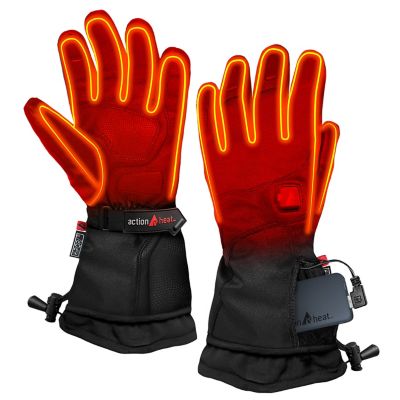
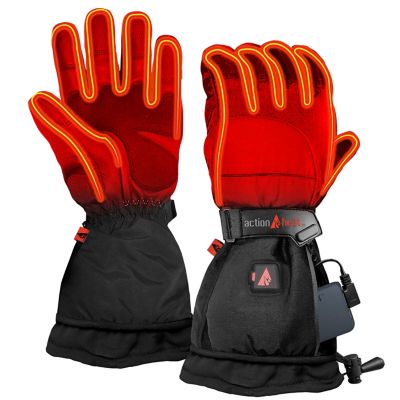
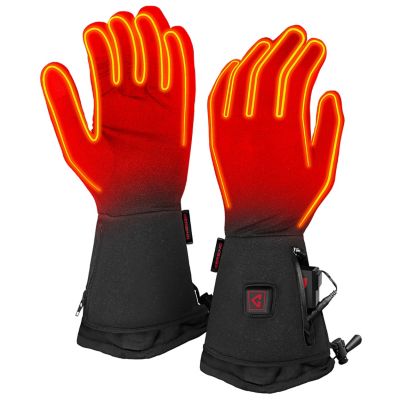
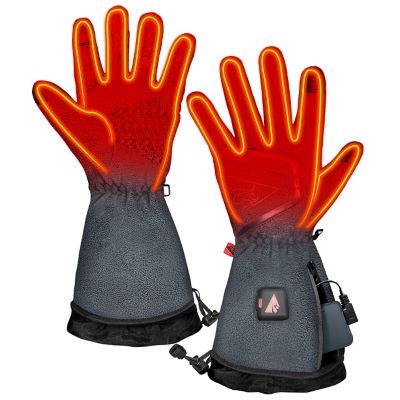
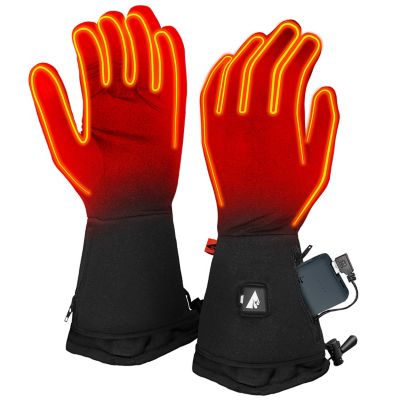
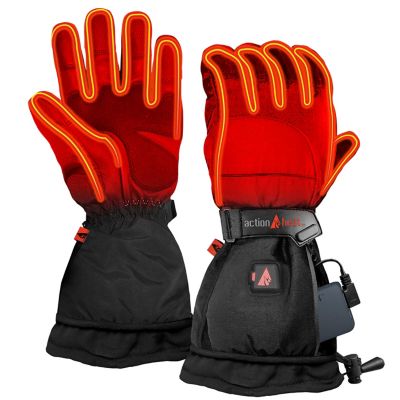
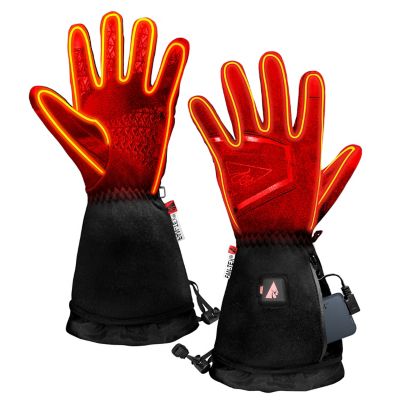
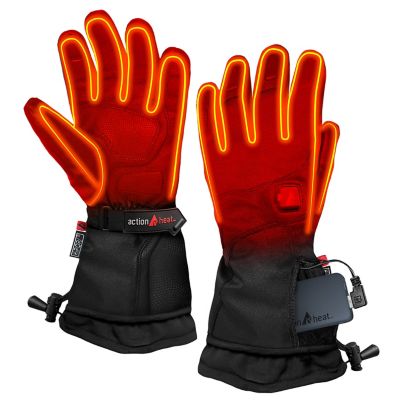
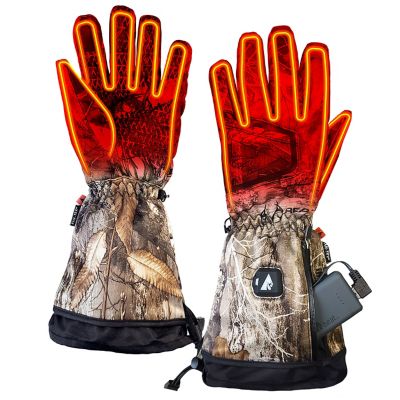
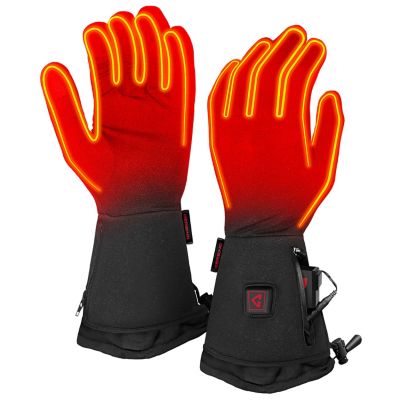
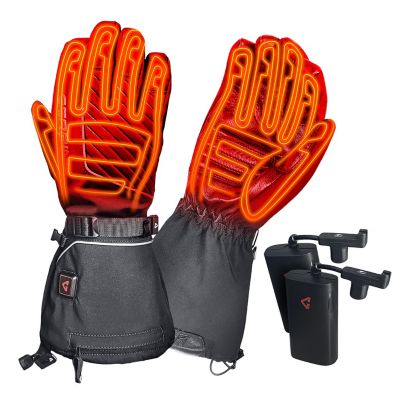
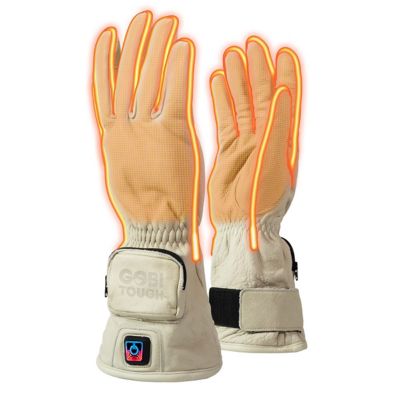
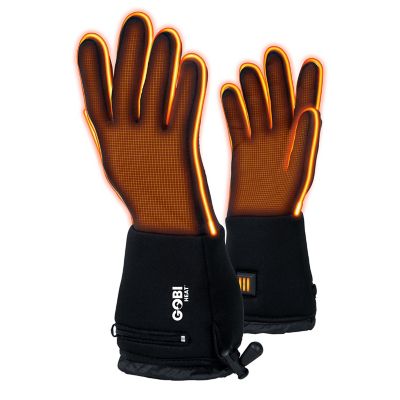
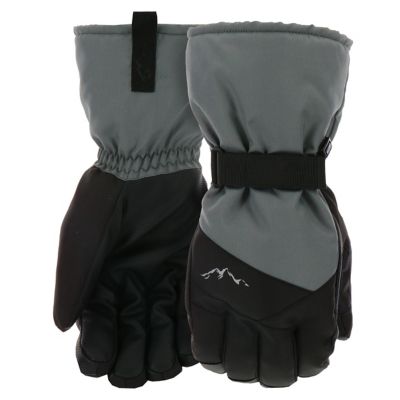
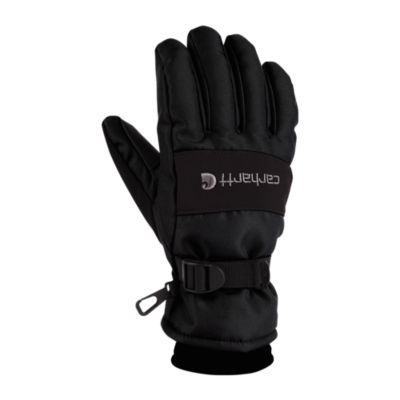
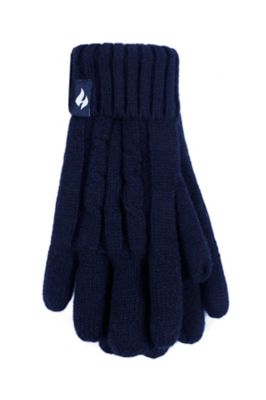
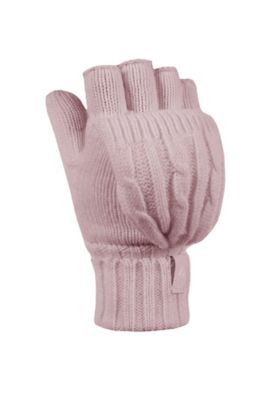
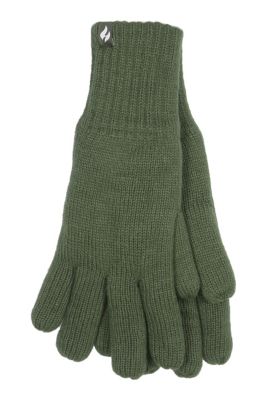
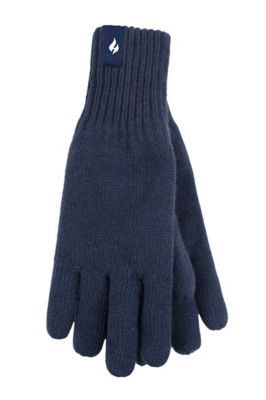
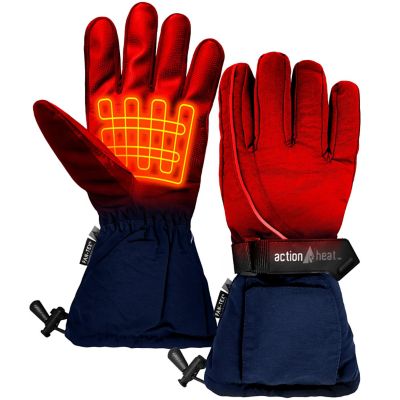
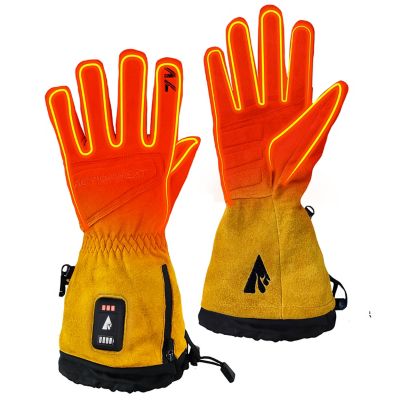
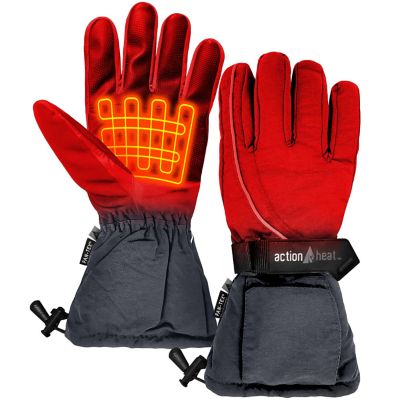
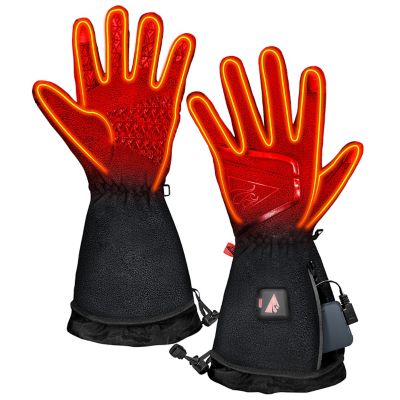
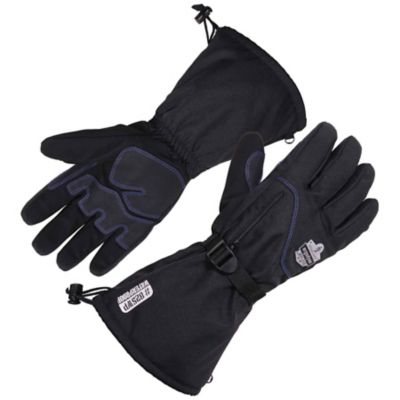
Waterproof heated gloves are made for the kind of cold, wet weather that finds every gap in ordinary winter gear. They combine insulated glove construction with built-in electric heating elements and a rechargeable battery, helping keep hands warm while blocking rain, sleet, melting snow, and damp wind. That combination can be especially useful for farm chores, outdoor work, winter recreation, commuting, hunting, walking the dog, or clearing a long driveway after a storm. A good pair should do more than feel warm in the palm. Look for heating that reaches across the back of the hand and along the fingers, where cold tends to settle first. Multiple heat settings give you room to adjust as conditions change, whether you are standing still in a deer blind, carrying feed across a windy lot, or working hard enough to build your own heat. Lower settings may stretch battery life during a long day, while higher settings can provide a welcome boost when your fingers are already chilled. Battery voltage, capacity, charging time, and expected run time all matter. Many rechargeable heated gloves use lithium-ion battery packs in a mid-range voltage designed to balance warmth, flexibility, and reasonable wear time. Run times vary with the heat setting, outside temperature, battery age, and how often the heating cycles on and off, so check the listed specifications instead of relying on a single maximum number. It is also handy to choose gloves with removable batteries and a clear charging system, especially if you spend several hours outdoors or need to recharge between jobs. Keep spare batteries warm and dry according to the manufacturer’s instructions, and allow damp gloves and battery compartments to dry fully before charging.
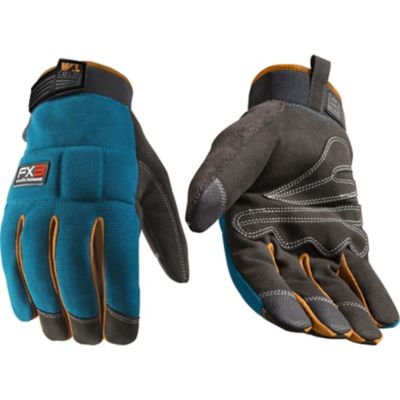
Waterproof construction deserves a close look because “water resistant” and “waterproof” do not always mean the same thing. A waterproof membrane or sealed barrier helps keep outside moisture from reaching your hands, while treated fabric, covered seams, and snug cuffs add another layer of protection. Long cuffs can help keep snow and rain from running inside when you reach into a feed bin, brush off a tractor seat, or work with your arms raised. Insulation is important, but a bulky glove can make it harder to handle gates, tools, reins, phone screens, or small hardware. Check the shape and flexibility of the fingers, then look for reinforced palms, textured grip areas, and durable panels in places that rub against handles and equipment. These details are worth paying attention to if you plan to use heated gloves for driving a tractor, operating an ATV, holding a shovel, or working around the barn. Touchscreen-compatible fingertips can save a lot of hassle when you need to check a weather alert, answer a call, or use a work app without exposing bare skin to the wind. A wrist strap or adjustable closure can help keep the fit secure, while a softer lining makes it easier to wear the gloves for hours. Fit should be close enough to hold warmth around the fingers but not so tight that circulation is restricted or the heating elements are pressed uncomfortably against your skin. If you are between sizes, compare the manufacturer’s sizing chart with the measurements of your hand. Remember that thick liners, hand warmers, or an extra base layer can change the fit. Waterproof heated gloves should still be treated as protective winter gear, not as a substitute for safe work practices. Keep the electrical parts away from open flame, do not puncture or alter the battery pack, and follow care instructions for washing and drying. Some gloves can be gently cleaned, while others require spot cleaning because the batteries and heating wiring cannot be submerged.
These gloves can be a practical gift for someone who spends cold days outside, including a farmer, rancher, delivery driver, utility worker, landscaper, hunter, snowmobile rider, skier, angler, or weekend woodcutter. They also make sense for anyone whose hands get cold quickly during outdoor activities, from a parent watching a ballgame on a frosty field to a dog owner making a long walk part of the daily routine. For a gift, pay attention to hand size, preferred activities, and whether the recipient needs fine control or heavy-duty protection. A slim, flexible design may suit someone who handles a phone, camera, leash, or fishing gear, while a more rugged glove with a reinforced palm may be better for shoveling, loading firewood, or working with tools. Riders and drivers should look for a secure grip, dependable wrist coverage, and enough flexibility to maintain control of handlebars or a steering wheel. Hunters and wildlife watchers may appreciate quiet fabric and adjustable heat, particularly when they must sit still for long stretches. Someone working around livestock may value durable fingertips, easy-clean surfaces, and a cuff that keeps out wet bedding or slush. For broader sizing choices, you can also browse
Men's Heated Gloves when shopping for a roomier fit or a design made with larger hands in mind. Before heading outside, charge the batteries completely, test each heat setting indoors, and make sure the glove closes comfortably around the wrist. On a cold morning, the difference can be simple but meaningful: instead of stopping to blow warm air over stiff fingers, you can keep hold of the shovel, latch, reins, or steering wheel and finish the job with hands that stay warmer and more comfortable.