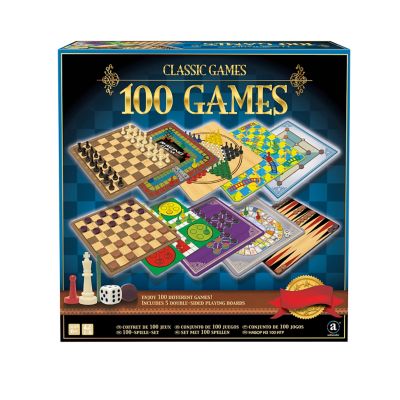
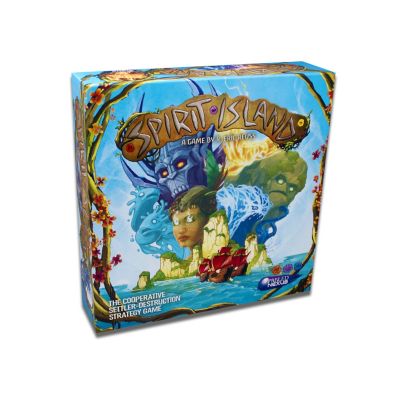
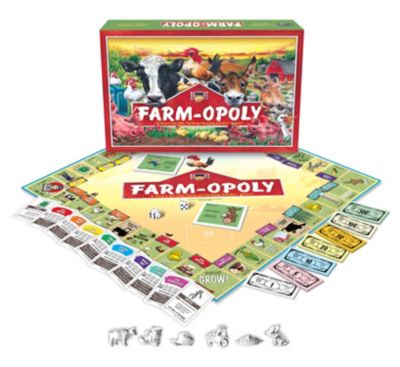
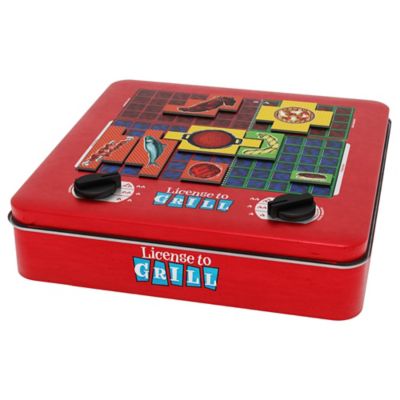
Team board games bring people together around the same table, whether the goal is to outthink another group, solve a problem as a crew, or simply enjoy a few laughs after supper. Unlike games where every player is on their own, team-based play gives everyone a part to handle and a reason to pay attention to what their teammates are saying. Some games set two teams against each other in a race to complete an objective, claim territory, identify hidden information, or earn the most points. Others are fully cooperative, with the whole table working together against the game itself. When choosing among team board games, start with the size and mix of your group. A game made for two players will feel different from one that supports several teams, and a fast party-style game may be a better fit for a family gathering than a longer strategy game with a detailed rulebook. It also helps to consider how comfortable your group is with games. Simple clue-giving, word-association, guessing, and drawing games are easy for new players to pick up, while tactical games may involve resource management, dice placement, card play, area control, or several rounds of planning. Look for clear player-count information, estimated play time, recommended age range, and whether teams can be adjusted when an extra guest joins. A flexible game is handy for households where the crowd changes from one gathering to the next. Younger players often enjoy games with colorful pieces, straightforward goals, and plenty of room for creative thinking, while older children and adults may appreciate games that reward careful communication and changing tactics. For mixed-age groups, choose a format that lets experienced players help without taking over. The best team board games give every person something meaningful to do, from offering a clue or rolling dice to watching the other side’s progress and deciding when to take a chance.
Different styles of team board games create different kinds of table talk, so think about the mood you want during game night. In a head-to-head team game, players may split into two or more sides and work together to score points before the opposing team does. These games are a good choice for friendly competition, especially when teammates enjoy comparing notes, making bold guesses, and celebrating a well-timed play. Cooperative games take a different path, asking players to share information, divide responsibilities, and solve a challenge before the game’s built-in difficulty catches up with them. A cooperative format can be especially welcoming for families, since players are not competing directly against one another and can practice planning as a group. Some cooperative games assign different roles or abilities, making one player better at gathering information, another at moving pieces, and another at managing supplies or special actions. Team-based deduction and clue games are often a hit at gatherings because rounds move along quickly and spectators can follow the action. Strategy-focused choices may appeal to friends who like a deeper challenge and do not mind spending an evening learning how the board works. Real-time games bring energy and urgency, while turn-based games allow more time to discuss options. For a relaxed night, consider a game that can be set up and packed away without much fuss. If the game will travel to a cabin, tailgate, family reunion, or neighbor’s house, check for a sturdy box, organized components, and rules that are easy to reference. A clear playing surface matters, too. A kitchen table, coffee table, or folding table can work well, and a nearby
Serving Boards setup can keep snacks and drinks within reach without crowding the game pieces. Keep food on the side when possible, use cups with secure lids around cards and boards, and give every team a place to sort its cards or tokens. Those little details help keep the evening moving and make cleanup less of a chore.
Team board games also make thoughtful gifts for families, couples, roommates, coworkers, and friends who enjoy spending time together without needing a screen. They can be a good pick for a household settling in during the cooler months, a family that hosts regular suppers, or a grandparent looking for a way to keep several generations gathered at the table. For a gift, match the game to the recipient’s habits rather than choosing by appearance alone. A couple may prefer a cooperative game designed for two, while a large family may get more use from a title that supports several players and allows teams to change from round to round. For a casual host, a quick game with easy instructions may earn more table time than a complex choice that takes an hour to explain. For a dedicated hobby player, look for stronger strategy, replay value, varied scenarios, or multiple ways to approach the objective. Think about the setting where the game will be used: a quiet evening at home, a lively gathering with relatives, or an outdoor get-together where a compact and portable box is helpful. Team board games can also help break the ice when guests do not know one another well, giving people a natural reason to talk and work together. At the same time, it is worth checking whether a game depends heavily on reading, fast speaking, bluffing, or keeping track of several rules, since those features may not suit every group. Before game night, read through the instructions, sort the pieces, and explain the win condition before dealing anything out. Pairing a new player with someone who knows the rules can make the first round feel more comfortable, and keeping a shorter opening game in mind gives everyone a chance to learn without pressure. Whether your group enjoys clever clues, shared problem-solving, friendly rivalry, or thoughtful strategy, the right team board game turns an ordinary table into a place for conversation, teamwork, and a little good-natured bragging.