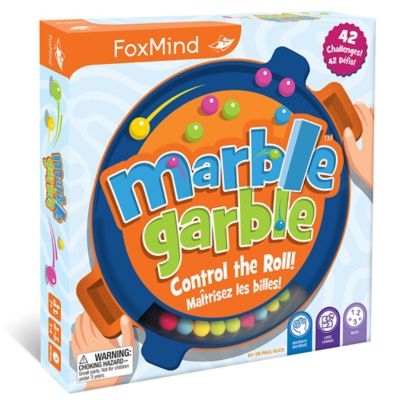
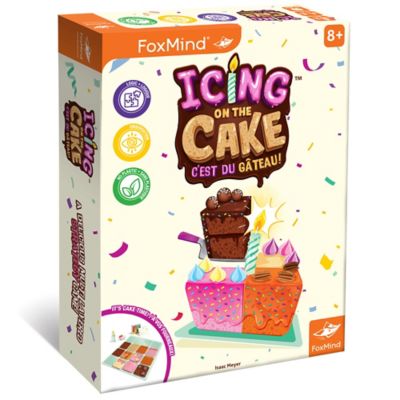
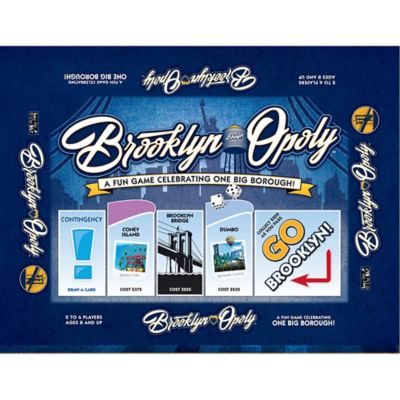
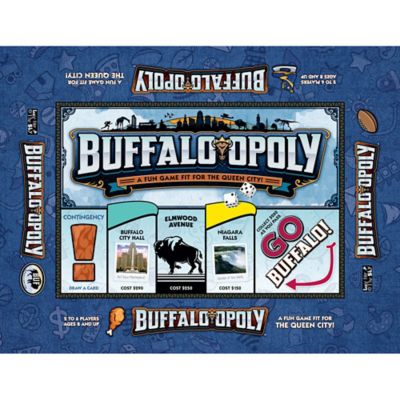
Competitive family games bring a little friendly rivalry to the kitchen table, the back porch, or a stretch of open yard. The category includes tabletop strategy games, card-based challenges, guessing games, and active contests that reward aim, balance, coordination, or teamwork. What connects them is a clear goal: earn points, finish a challenge, outthink another player, or help a team come out ahead. Some games make room for conversation between turns, while others keep everyone watching the same fast-moving round. For a family with a wide age range, that difference matters as much as the subject of the game. Younger players often settle into simple scoring and short turns more easily, while teens and adults may enjoy layered decisions or a chance to plan several moves ahead. A mix of luck and skill can keep the outcome open without making practice feel pointless. Team formats also give siblings, cousins, parents, and grandparents a way to contribute different strengths, whether that means spotting a pattern, remembering a clue, or landing a well-placed toss. The stated player count deserves a close look, too. A game for a small group may leave people waiting at a big gathering, while a team game can give a larger family more chances to join in. Round length helps set the pace: a short contest fits between supper and cleanup, while a longer match gives the whole evening a shared focus. Clear rules, readable scoring, and an ending everyone can recognize help keep the competition good-natured. The best fit is not necessarily the most complicated game. It is one that suits the people around the table, gives each player a meaningful turn, and makes a rematch feel worth sticking around for. Games with separate rounds can be especially handy when relatives arrive at different times, since new players can join at a natural break without interrupting a long contest already underway.
For families who like room to move,
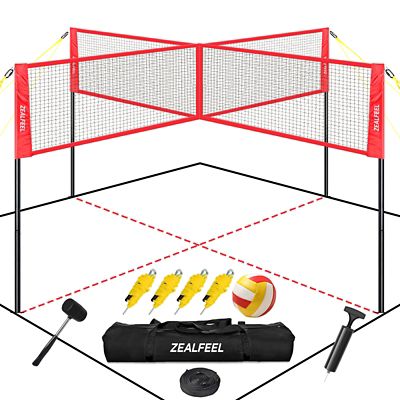
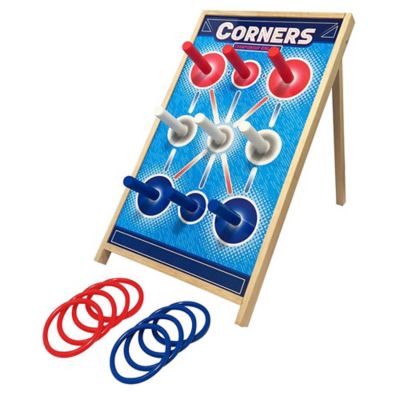
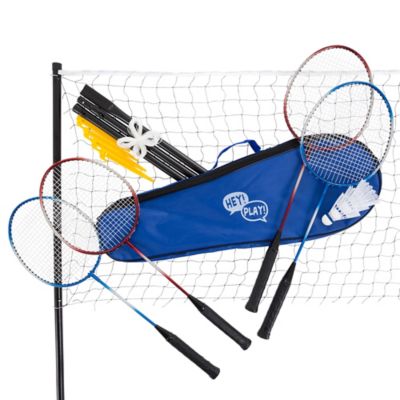
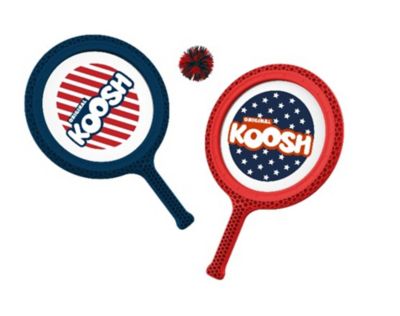
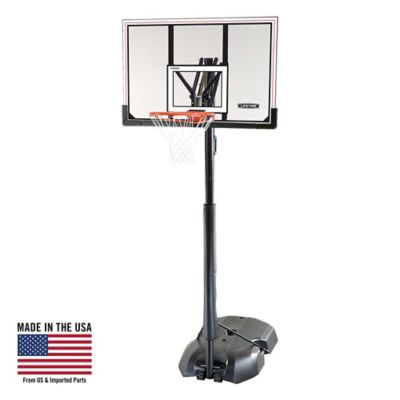
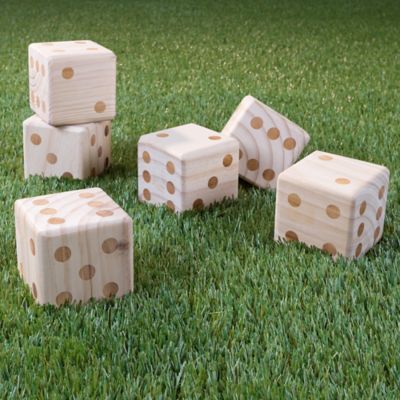
Outdoor Games put the focus on physical challenges and shared playing space. Tossing, target, and balance-based formats bring a different kind of competition than a seated game, with players judging distance, controlling a movement, or working together toward a score. Intended use should match the space at home. A broad lawn allows more separation between players and targets, while a smaller yard calls for a compact footprint and a clearly defined throwing area. The full playing area matters more than the size of the packed game, especially when people need room behind a starting line or beyond a target. Level footing, a clear path, and separation from windows, vehicles, pets, and walkways help everyone concentrate on the match. Materials affect both handling and upkeep. Wood can give components a substantial feel, but edges and finishes need occasional checks for splinters or rough spots. Molded plastic is often lighter to carry, while metal frames may add weight and stability; actual performance depends on the construction and the playing surface. Fabric parts benefit from secure stitching, and connecting points should fit together without wobbling or leaving exposed pinch areas. For younger participants, the weight and size of anything they lift or toss should suit their reach and strength. An adult-sized setup can be frustrating when a child cannot comfortably hold a piece or reach the scoring area. Games that allow different starting distances or team arrangements can make mixed-age competition more inviting, as long as any adjustments stay within the maker’s safety directions. Carrying cases, manageable packed dimensions, and straightforward assembly also matter when the family likes taking games to reunions or a relative’s place. A setup that travels easily and packs away with all its parts together is simpler to bring along for the next gathering.
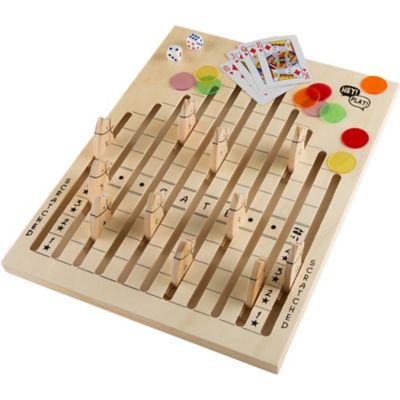
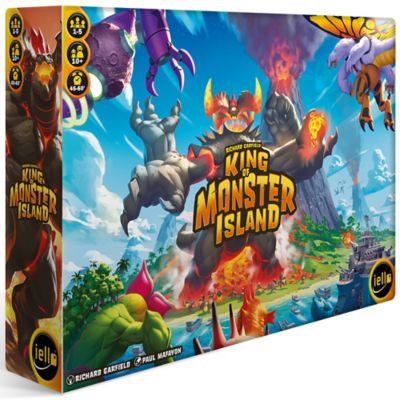
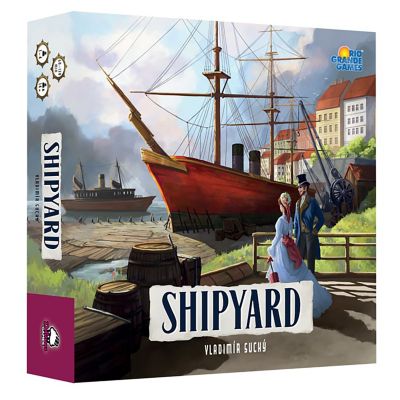
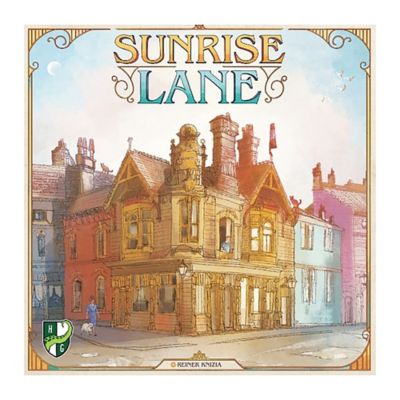
Tabletop competitive family games have their own practical details, starting with how well everything fits where people actually gather. A large playing layout needs space for each person’s cards or pieces, plus enough elbow room that one reach does not disturb another player’s turn. High-contrast markings, easy-to-read text, and pieces that feel comfortable in the hand can make a real difference for a group that includes beginning readers or grandparents. Reading demands, small parts, and the amount of dexterity required are worth weighing alongside the recommended age range. A guessing game may depend heavily on vocabulary, while a pattern or memory challenge may give a quieter player another way to shine. Timed rounds create lively competition, but an untimed format can leave more room for thoughtful decisions and relaxed conversation. Materials influence how a game holds up to repeated family play. Cardstock can crease at the corners, printed boards can wear along folding lines, and loose pieces are easier to misplace when the storage box has no separate compartments. Sturdy box corners, well-fitting lids, and organized inserts help keep the next setup from becoming a hunt under the table. Care should follow the manufacturer’s directions, particularly for printed surfaces and fabric components. A soft cloth may be suitable for some solid pieces, but soaking or harsh cleaners can harm finishes, printing, or adhesives. Letting cleaned components dry fully before packing them away helps protect the contents, and checking the piece count before closing the box saves confusion later. As gifts, competitive family games suit households that enjoy shared activities, whether the occasion is a birthday, a housewarming, or a family reunion. The recipient’s usual group size, available space, and favorite kind of challenge are more useful clues than age alone. A game that matches those everyday habits has a better chance of becoming the one someone brings to the table after supper, ready for another round of bragging rights.