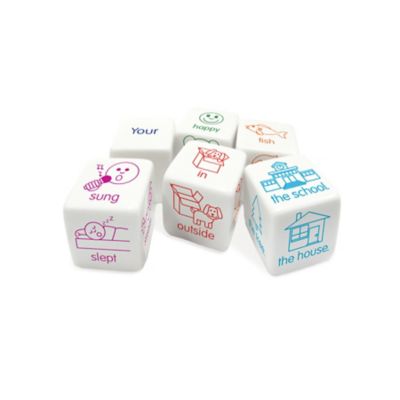
Family dice games bring a little luck, a little strategy, and plenty of table talk to time together. These tabletop games center on rolling dice to match numbers, build combinations, collect points, or decide whether another roll is worth the risk. Some keep everyone rolling at once, while others move around the table one turn at a time. Matching games tend to put the emphasis on spotting patterns quickly; score-building games give players more room to weigh their choices. Push-your-luck formats add that familiar moment when somebody has a good score sitting in front of them and still reaches for the dice. Bluffing formats bring a different kind of fun, with players weighing claims about rolls they cannot see. That range makes family dice games a good fit for everything from a quiet game with a grandparent to a kitchen table full of cousins after supper. The right pace matters as much as the rules. Short rounds leave room for someone to join between games, while longer scoring sessions suit a group that likes to settle in and follow a running total. For mixed-age play, number recognition, reading demands, and the amount of mental math all shape the experience. A game built around matching symbols may be easier for an early reader to follow than one with written challenges or several scoring categories. Games that combine chance with simple choices can give younger players meaningful turns without asking adults to handle every decision. Taking turns, counting totals, recognizing patterns, and being a good sport can all come along with play, though the main attraction is still having fun together. Cooperative formats give the table a shared goal, while competitive formats let each person chase a score. Clear round endings and an easy-to-follow scoring system help keep attention on the next roll instead of a debate over the rules. For a household with different comfort levels, the most welcoming game is often one that lets a new player understand a turn by watching it happen.
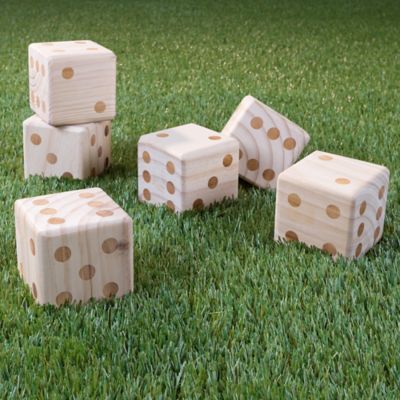
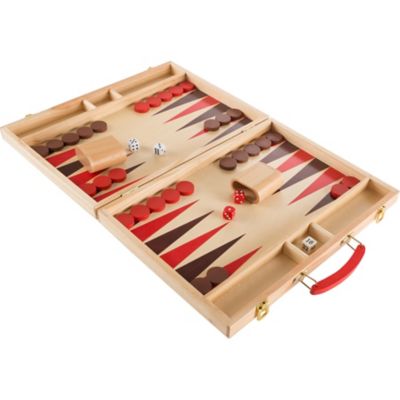
The pieces in a family dice game make a difference long before the final score. Common dice materials include molded plastic and wood, each with a different feel in the hand and sound on the table. Plastic dice generally have a smooth surface, while wooden dice may show grain beneath their finish. Size, weight, and corner shape affect how comfortably players can gather and roll them. Larger dice can be easier for some players to grip and read, but size alone does not establish age suitability; the age rating and small-parts warnings still matter. Strong contrast between the markings and the background helps players spot a result without leaning across the table. Deeply recessed dots, clear numerals, and distinct symbols offer different ways to read a roll, and color should not have to carry all the information when players have trouble telling certain shades apart. A cup can make gathering several dice more manageable, while a tray keeps a lively roll from scattering under chairs. Felt or another soft tray lining can soften the clatter against a hard tabletop, a welcome touch when the game shares space with conversation. The full playing footprint matters, too: dice, cups, tokens, and score sheets need more room than the closed box suggests. A compact game with a broad scoring area may still call for a cleared kitchen table rather than a narrow side table. Sturdy hinges, snug lids, smooth edges, and markings that stand up to repeated handling are worth attention in a game that travels from shelf to table often. Care depends on the materials and the maker’s directions. A lightly damp cloth may suit some surfaces, but soaking wooden components or scrubbing printed markings can harm them. Paper score pads belong away from spills, and every component should be dry before the lid goes back on. Storage with a defined place for the dice and small pieces makes it easier to notice a missing part before the next game begins.
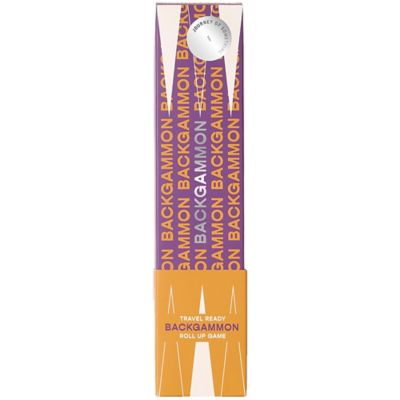
Player count, playing time, and portability help determine where a game fits into family life. A two-player format can suit a parent and child at the end of the day, while games that accommodate a larger group make room for visiting relatives or neighbors. The number printed on the box deserves a close look: a game for several players does not always keep everybody involved at the same time. Simultaneous rolling can bring plenty of energy, while a turn-based format often leaves more room for conversation between rolls. Neither approach is better for every family. A lively group may enjoy quick decisions and a little friendly noise; another may prefer steady turns with time to think. For travel, a firm-closing case, contained rolling area, and a modest number of loose pieces make packing and cleanup simpler. A picnic table at a campground calls for enough space to keep dice and score sheets together, and a tray helps define each player’s rolling area. Families putting together a broader selection for trips can also explore
Board Games For Camping for tabletop entertainment beyond dice-centered play. At home, a game that sets up without much fuss can become a regular part of family visits or an easy choice once the supper dishes are cleared. Dice games also make thoughtful birthday or housewarming gifts when the format suits the people receiving them. For grandparents, readable markings and comfortable handling may matter more than a fast pace. For a family with younger children, straightforward scoring and the listed age range are useful starting points. For an older child who enjoys numbers, more scoring choices may hold attention longer. A gift meant for siblings needs enough player spaces for everyone expected at the table. Matching the game to those everyday details gives it a better chance of becoming a familiar favorite, with the lid coming off whenever there is time for another round.