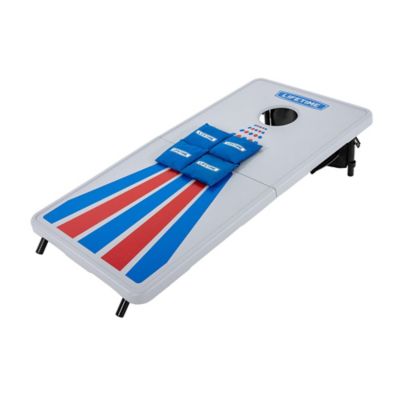
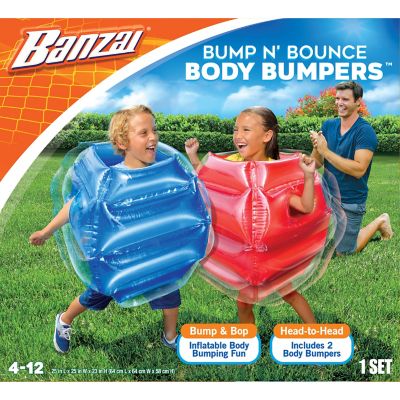
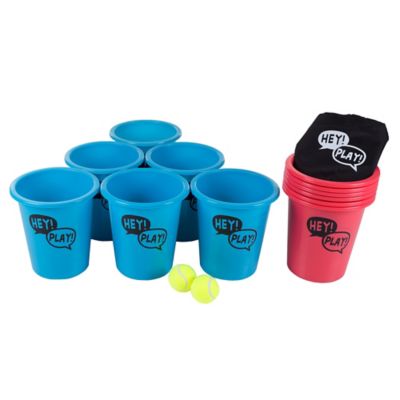
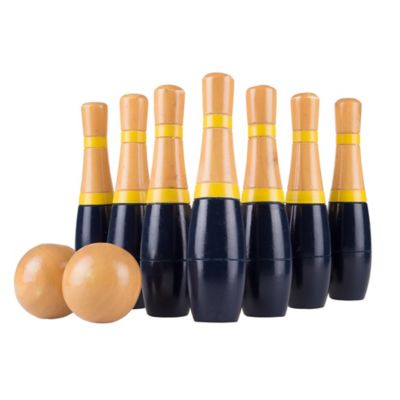
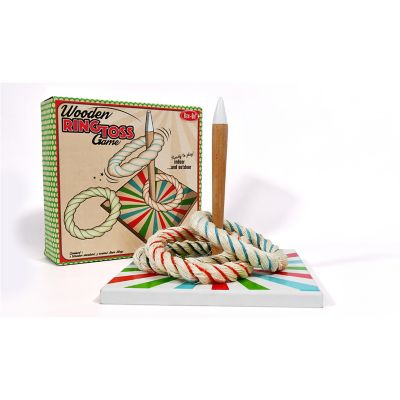
Outdoor games give families and friends a reason to step outside, stretch their legs, and spend time together in the yard, at a park, or beside a picnic area. Lawn games range from easygoing target tosses to team challenges that keep everyone moving, so the right match depends on the players, the space, and the pace of the gathering. Cornhole involves tossing fabric bags toward a raised board with a hole near the far end. Ladder toss challenges players to throw bolas, which are two balls connected by a cord, so they wrap around horizontal rungs. In bocce, players roll or toss larger balls toward a smaller target ball, often called a pallino, and score by getting closer than the opposing side. Kubb brings a different kind of target play, with teams throwing wooden batons to knock over the other team’s wooden blocks before taking aim at the central king. Ring toss and other target games offer a familiar setup for casual turns, while throwing and catching games give active groups room to spread out. Each style brings something different to a family reunion, campground gathering, or backyard cookout without needing a whole afternoon of organized activities. Short rounds fit nicely between a meal and a visit on the porch, while longer team matches can become the main event. For younger players, simple scoring and manageable throwing pieces make it easier to join in. Teenagers and adults may enjoy longer throwing distances, more strategy, or head-to-head competition. Mixed-age groups often do well with games that allow a shorter starting line for children and a little more challenge for grown-ups. A familiar game can bring a grandparent and a grandchild onto the same team, while a new-to-the-group game gives everybody a chance to learn together. Some players want a little friendly rivalry; others just want something to do with their hands while catching up. A selection of game styles leaves room for both.
The way an outdoor game is built affects how it feels in play, how much space it takes up, and how easily it travels from the shed to the yard. Wooden boards and blocks have a solid feel, but their finish, edges, joints, and overall weight deserve a look. Smooth surfaces help reduce snagging, while well-secured legs and braces help raised targets stay steady during a match. Plastic components can be lighter to carry and easier to wipe clean, while metal frames bring their own considerations, including connection points, exposed edges, and protective finishes. Fabric throwing bags need firmly stitched seams and a filling suited to the game’s intended play; their weight and size affect how comfortably different players can grip and toss them. A larger ball may be easy to spot across the lawn but harder for small hands to hold, and a heavier piece may suit an adult better than a young child. Materials are only part of the fit. A wide-open yard can handle longer lanes and team movement, while a smaller backyard calls for a tighter footprint and clear boundaries. The space between targets matters, but so does the room around them for throwing motions, walking, and waiting turns. Level ground helps boards and ladder-style targets stand as intended, and a reasonably even playing surface makes rolling games less unpredictable. Open throwing lanes should stay clear of walkways, parked vehicles, windows, pets, and people who aren’t playing. Manufacturer age recommendations matter, especially for games with small parts, cords, or heavy throwing pieces. For trips to a campground or family gathering, folded dimensions, carrying handles, and the weight of the whole set can matter as much as the game itself. Some setups fold down for a car trunk, while others make more sense close to home. Simple assembly and clearly marked parts can also keep the focus on playing rather than sorting through a pile of hardware.
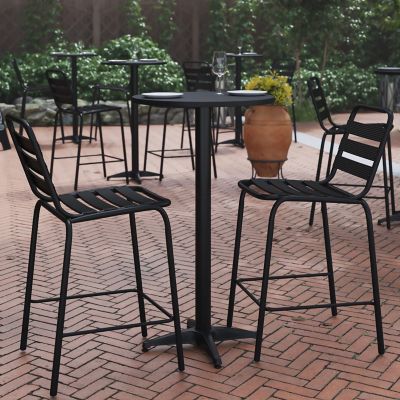
Keeping outdoor game equipment in good shape comes down to routine attention and sensible storage. Grass clippings, soil, and grit can work their way into hinges, fabric seams, and carrying cases, so a quick cleanup after play helps keep the next setup straightforward. The care label or manufacturer’s directions should guide cleaning, since a wipe-clean board, a wooden block, and a fabric bag may need different treatment. Pieces should be dry before they go into a closed bag or storage bin, and loose hardware deserves a check before another match. A dedicated spot for scoring pieces, cords, and small targets helps prevent a missing part from bringing play to a halt. Carrying cases and storage bags also make it easier to keep a complete set together when it moves between the garage, the vehicle, and the playing area. For households short on storage space, compact shapes and foldaway supports are practical details that count long after the first game. Outdoor games can also make thoughtful gifts for a family that enjoys hosting, a couple settling into a place with a yard, or a friend who likes campground get-togethers. The best fit reflects how that person actually spends time: a portable target game for someone who travels, a larger lawn setup for a host with room to spare, or straightforward play for a household with several age groups. Clear rules and readable score markings help guests get involved without a lengthy explanation. A nearby porch with seating and
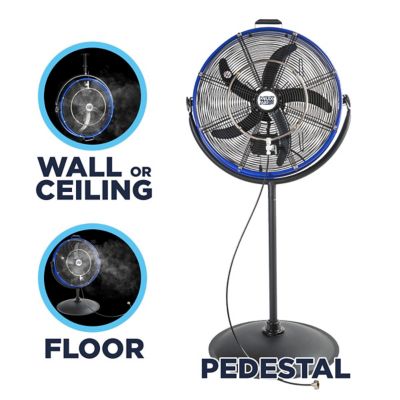
Outdoor Fans can serve as a comfortable home base between games, provided each fan is rated and installed for its location. Out in the playing area, a well-matched game gives guests something to gather around without putting every minute on a schedule. There’s room for a close match, a few practice tosses, and plenty of conversation along the way.