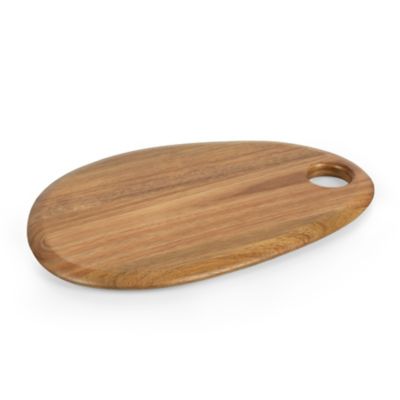
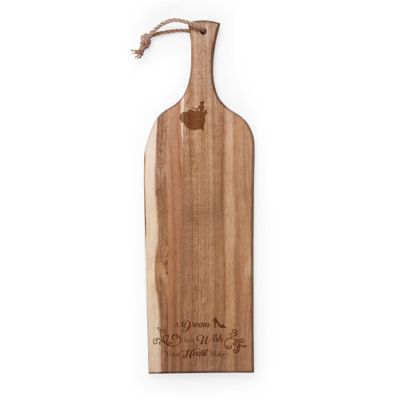
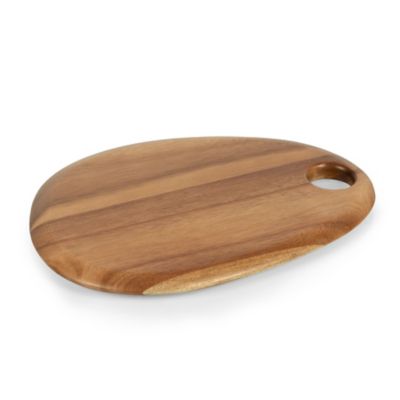
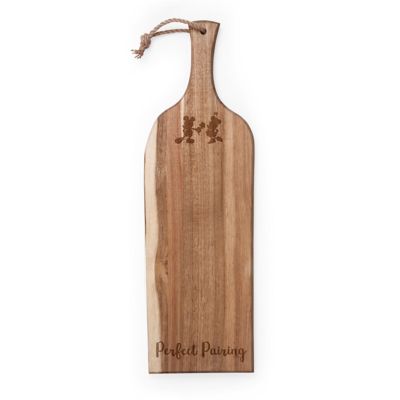
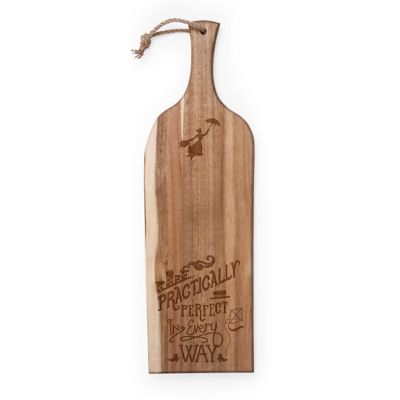
A serving board is a flat surface for presenting cheese, sliced meats, bread, fruit, and other foods at the table. Unlike a cutting board, which is built mainly for food preparation, a serving board puts the focus on carrying and arranging food for sharing. Some boards can handle both jobs, but the maker’s directions should confirm whether a surface is suitable for cutting. Wood, bamboo, marble, slate, and melamine each bring a different look and feel to the spread, from the warm grain beneath a loaf of bread to a smooth stone surface holding wedges of cheese. These boards fit just as naturally into a weeknight supper as they do a family reunion, wedding reception, or game-day gathering. A smaller board can hold a few snacks for two people without taking over the table, while a larger one gives a crowd room to reach for crackers, meat, and cheese. The right fit depends on the food, the table space, and how far the board needs to travel between the kitchen and the gathering spot. Long rectangular boards work well down the center of a table or along a counter, especially when food is arranged in separate sections. Square boards offer a compact footprint, and
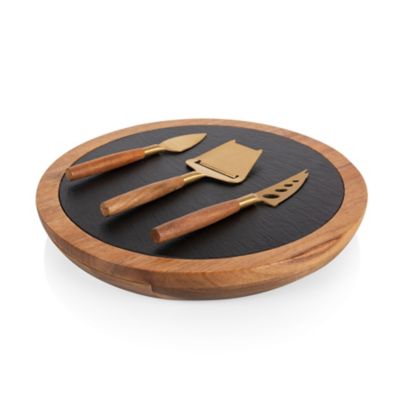
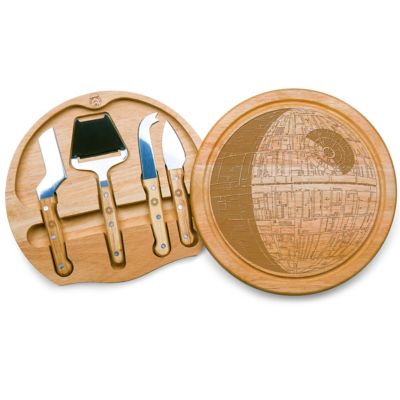
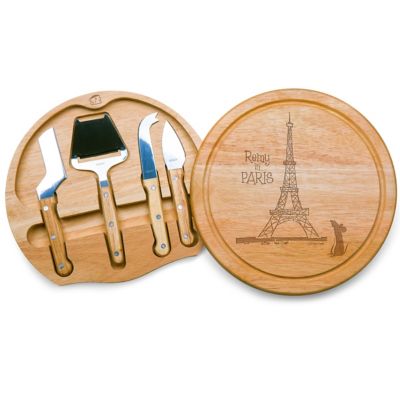
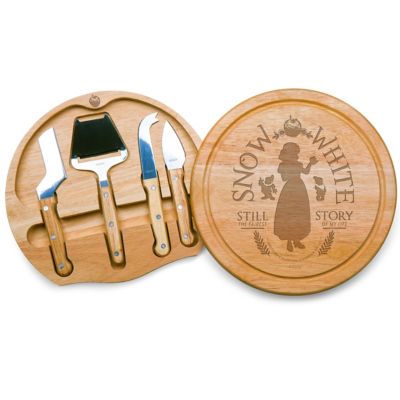
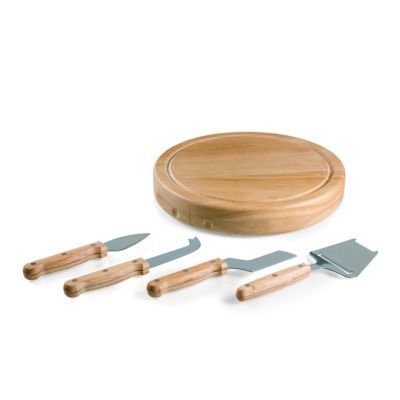
Round Cheese Boards bring an easy-to-reach shape to a small table or a spread with several dishes. Handles can make the trip from counter to table more manageable, though their length also counts toward the space needed for storage. A board with a raised rim can help keep loose crackers or grapes from rolling off, while a flat edge leaves more open space for arranging food. Weight matters, too: a broad stone board may feel steady on the table but take more effort to carry once loaded.
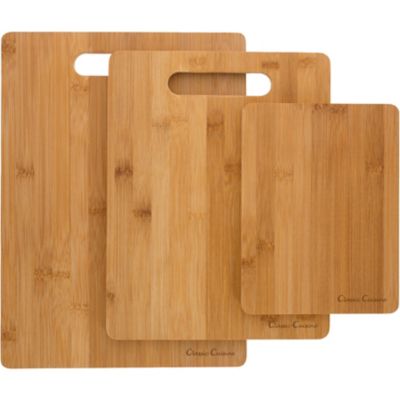
Material makes a difference in how a serving board feels, wears, and cleans up after supper. Wood boards made from hardwoods such as maple or acacia have grain patterns that give the surface its character, and their weight varies with the wood and thickness. Bamboo brings a different grain pattern and often a firm, relatively light surface. Both wood and bamboo need care that keeps standing water and extended soaking out of the picture. Many call for hand-washing with mild soap, a prompt rinse, and thorough drying, with every side exposed to air before storage. When the maker recommends oiling, food-grade mineral oil or a board conditioner intended for food-contact surfaces can help limit drying and cracking. Household cooking oils are not a substitute, since they can turn rancid. Marble and slate offer a firm presentation surface that pairs well with cheeses, fruit, and small dishes, but their edges need protection from knocks against sinks and counters. Marble can stain or develop dull marks from acidic foods, including citrus and tomatoes, so care directions matter as much as appearance. Slate can chip, and a textured surface may take a little more attention around crumbs and soft cheese. Melamine boards generally weigh less than stone and can suit casual meals where easy handling matters. Dishwasher suitability varies, so the care label should settle that question rather than the material name alone. Melamine also needs to stay away from ovens and direct heat unless the maker expressly states otherwise. Across materials, smooth food-contact surfaces, sound edges, and a stable base are worth a close look. Thickness can add substance, but it also adds weight and takes up cabinet space. A serving board is not automatically a trivet, baking surface, or chopping block. Matching it to its intended job helps protect the finish and keeps knife marks, heat damage, and chipped edges from becoming part of the next meal.
The way food lands on the board matters just as much as the board itself. For a bread-and-cheese spread, there should be enough room for guests to cut a wedge or lift a slice without knocking neighboring food onto the table. A soft cheese needs space for its knife, while sliced meats and crackers are easier to serve when they are not packed tightly together. Small bowls keep honey, mustard, olives, and pickles contained, helping separate wet ingredients from dry crackers and bread. Those bowls also make cleanup simpler on surfaces that need protection from staining or moisture. For sandwiches after chores or biscuits alongside supper, a straightforward board can carry the food to the table without much fuss. At a larger gathering, several manageable boards can be easier to carry, refill, and pass than one oversized spread. Perishable foods still need proper temperature control; no board takes the place of refrigeration. Setting out smaller portions and replenishing them helps keep the presentation tidy while the rest stays chilled. Serving boards also make practical gifts for people who enjoy feeding a crowd, bringing snacks to a neighbor’s house, or sitting down to a few good bites at the end of the day. For a housewarming or wedding gift, the recipient’s routine is a useful starting point: someone with a compact kitchen may appreciate a board that stores upright, while a frequent host may value generous serving space and comfortable handles. Storage deserves a little thought in any kitchen. A board should fit its shelf or cabinet without pressure on the handle or edges, and it needs to be completely dry before being put away. Wood and bamboo fare better away from prolonged heat and damp spots, while stone benefits from a secure resting place that prevents tipping. A serving board that suits the household’s meals, cleanup habits, and storage space can earn a regular place at the table, not just come out when company arrives.