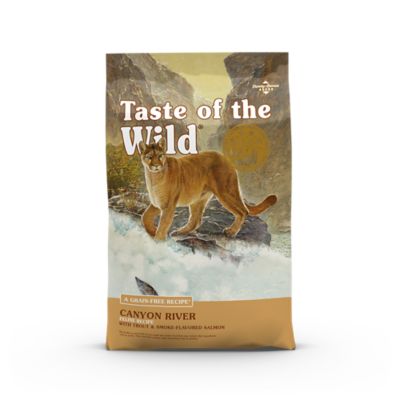
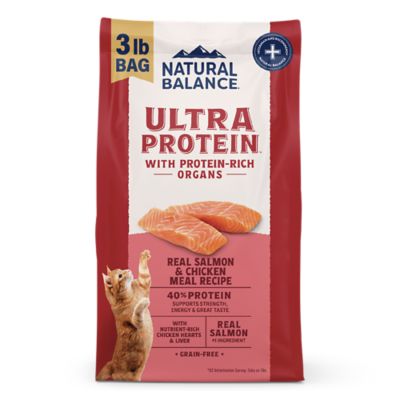
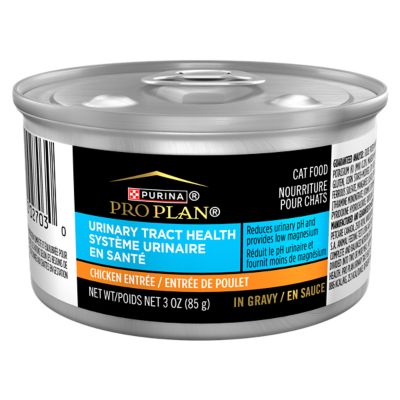
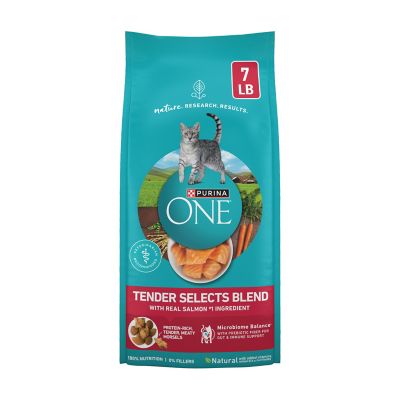
Cats may spend their days watching birds from a windowsill or keeping tabs on the barn, but their meals need to do more than satisfy a taste for meat. As obligate carnivores, cats need nutrients that support a meat-centered diet, including protein, essential fatty acids and taurine. Animal proteins supply amino acids that help maintain muscle, while fats provide energy and help the body absorb certain vitamins. For households drawn to protein-focused cat food, the ingredient list is one part of the picture. The nutritional adequacy statement matters, too: it identifies whether a food provides complete and balanced nutrition for a particular life stage under established feeding standards. A growing kitten, a healthy adult and a nursing mother do not all have the same needs, even if they head straight for the same feed bowl. Foods labeled for all life stages must meet requirements that include growth and reproduction, so their calorie content and feeding amounts deserve a closer look for a less-active adult. Grain-free recipes are another consideration in this category, but leaving out grains does not automatically make a food lower in carbohydrates or better suited to every cat. Peas, potatoes and other ingredients can provide starch, and cats can digest properly prepared grains. The better match comes down to the complete formula, the cat’s health and how well the food agrees with them. A named meat or fish ingredient can help shoppers understand a recipe’s protein sources, though the ingredient list alone cannot show digestibility or establish that one food is the best fit. Cats with persistent itching, vomiting or loose stools need a veterinarian’s assessment rather than repeated changes between proteins. For a cat with a diagnosed food allergy or a condition affecting the kidneys, urinary tract or digestion, veterinary recommendations should take priority over a preference for a particular recipe style. Even two cats sharing a home may need different meals, portions or feeding arrangements.
Texture and moisture make a difference at feeding time, especially when a cat has firm opinions about what belongs in the bowl. Dry cat food offers a crunchy format that is easy to measure and works with many puzzle feeders and timed feeders. Wet food brings more moisture to the meal and may appeal to cats that favor a softer texture or stronger aroma. Some households feed one format, while others combine them; either approach calls for counting the calories from everything served. A scoop of dry food alongside a full wet meal can add up faster than it looks. Foods labeled for supplemental or intermittent feeding should not replace a complete daily diet unless a veterinarian directs otherwise. Fresh drinking water belongs close at hand regardless of food format, and some cats drink more readily when water sits away from their food or comes from a pet fountain. For an older cat that approaches the bowl eagerly but backs away after a bite, difficulty chewing deserves attention rather than an assumption that the cat has become fussy. Storage also helps protect the food’s taste and safety. Dry food belongs in its original bag, tightly closed and set inside a clean container with a secure lid, away from moisture and direct sunlight. Keeping the bag preserves the feeding directions, expiration date and lot information. Wash and thoroughly dry the container between bags rather than pouring fresh food over crumbs from the last batch. Refrigerate opened wet food promptly in a covered container and follow its label for storage time. Wash bowls regularly, including the corners where wet food and kibble dust collect. When changing foods, a gradual transition over about a week, or longer when a veterinarian recommends it, gives the digestive system time to adjust. Mixing increasing amounts of the new food with decreasing amounts of the previous food can also help a cautious eater accept a different smell and texture.
A feeding routine works best when it fits both the cat and the household. The feeding chart on a package offers a starting point, not a fixed allowance for every animal at the same weight. Activity, body condition, age and whether a cat is spayed or neutered all influence calorie needs. A cat that spends most of the day napping beside the couch may need a different portion than an active cat covering more ground, even when their frames look similar. Measuring food with a kitchen scale can make portions more consistent than a heaping scoop, especially with calorie-dense dry recipes. Treats and food offered during training count toward the daily total, too; for most healthy cats, treats should stay within about 10 percent of daily calories. Body condition offers useful feedback between veterinary visits: ribs should generally be easy to feel beneath a light covering of fat, with a visible waist when viewed from above. Thick coats can hide weight changes, so hands-on checks and regular weigh-ins tell more than a glance across the room. In a home with several cats, separate feeding spots help keep a slow eater from losing supper to a pushier companion. A quiet corner away from the litter box, busy doorways and dogs can make meals less stressful. Portion-controlled meals also make it easier to notice when one cat leaves food behind. A sudden loss of appetite is not something to wait out, particularly if a cat goes a full day without eating; prompt veterinary advice matters. For shoppers comparing broader nutrition needs, the
Healthy Cat Food page offers another place to explore feeding options. The goal is a complete daily food that suits the cat’s life stage, supports a comfortable feeding routine and keeps them eating well. Steady appetite, comfortable digestion, appropriate body condition and regular veterinary checkups provide a more useful picture than enthusiasm for a new flavor alone.