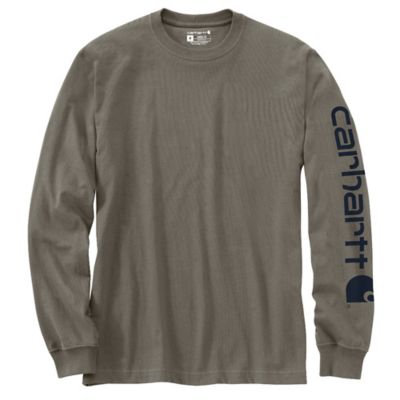
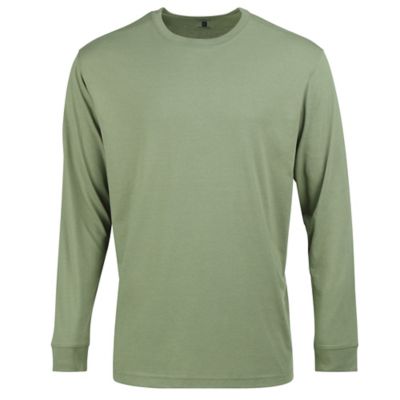
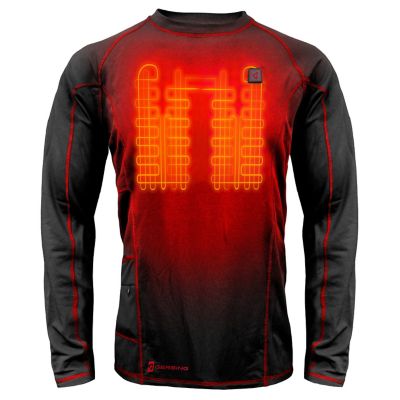
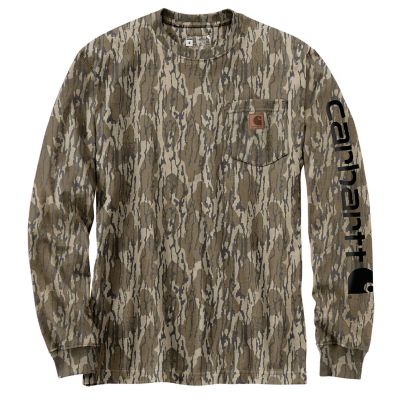
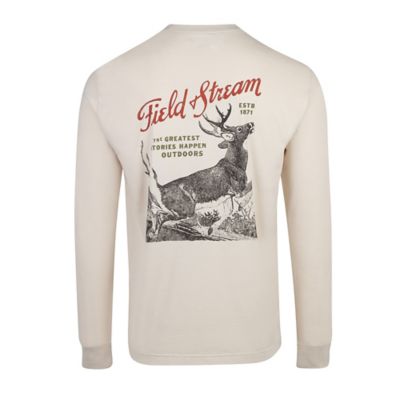
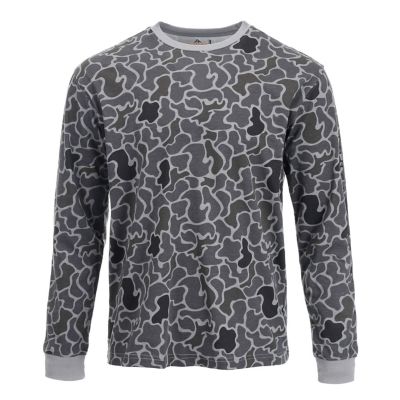
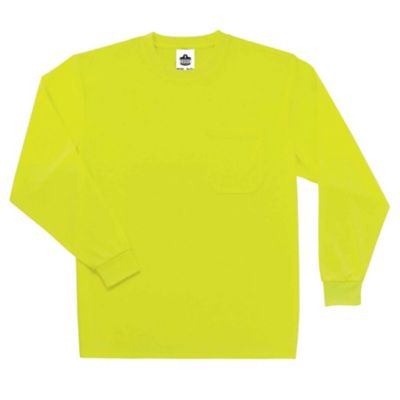
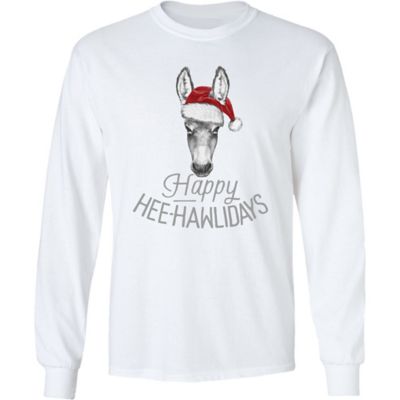
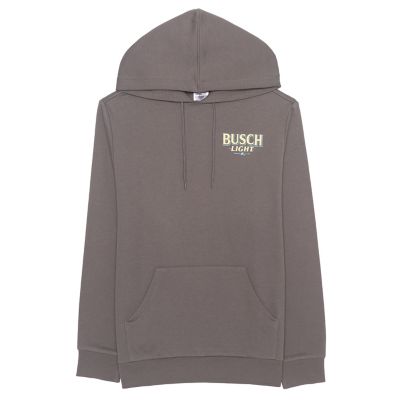
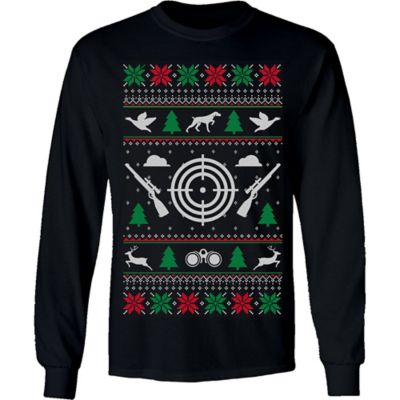
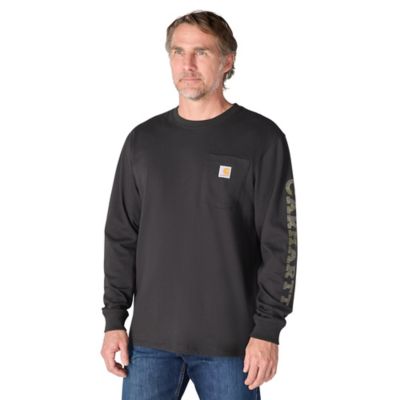
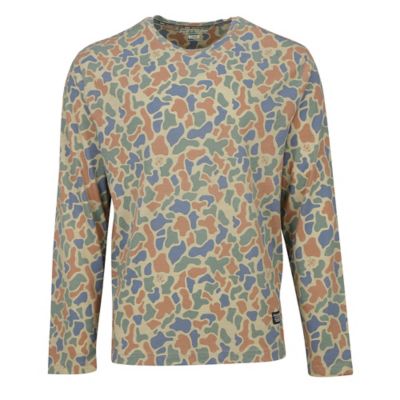
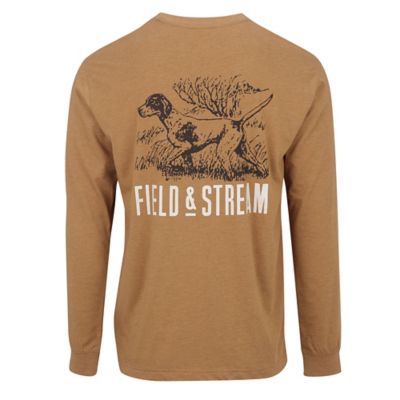
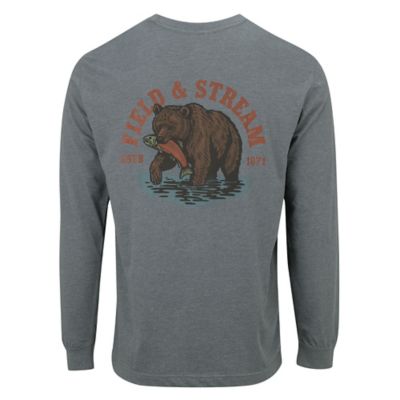
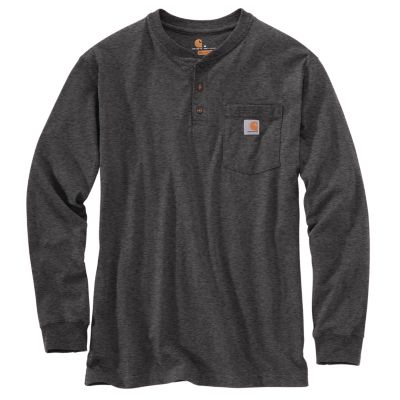
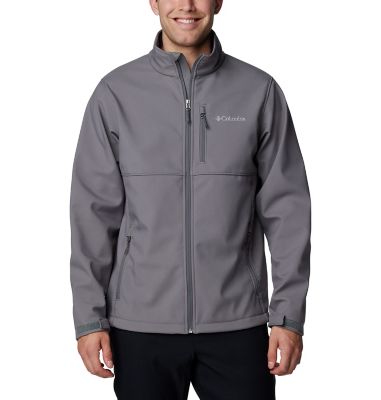
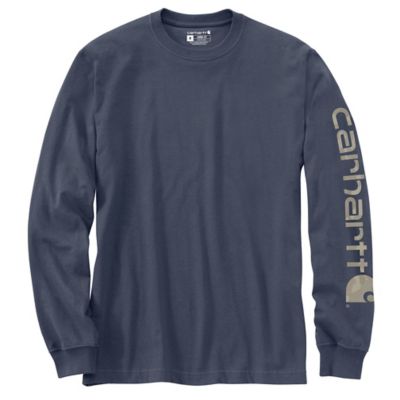
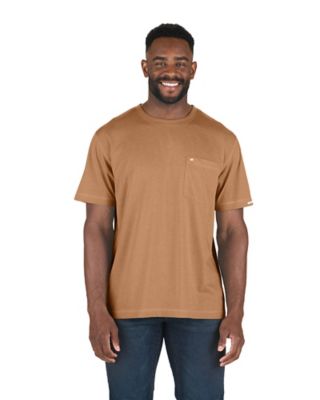
Tailgating long sleeves are long-sleeve shirts suited to game-day gatherings, from a parking-lot cookout before kickoff to a backyard watch party with neighbors. They bring together the easy feel of a favorite tee and extra arm coverage for time spent setting out folding chairs, passing around snacks, and cheering from the sidelines. The category spans casual crewneck tees, athletic-style shirts, and button-front styles, with different fabrics and cuts serving different needs. Cotton has a familiar, soft feel and works well for relaxed wear, while cotton-polyester blends can balance that softness with easier drying and shape retention, depending on their construction. Polyester performance fabrics may move perspiration away from the skin when designed for moisture management, which can help during an active afternoon of unloading the truck or tossing a football. Fabric weight matters just as much as fiber content. A lightweight knit slips beneath another layer without feeling crowded, while a heavier jersey has more substance when worn on its own. Long sleeves also leave room for plenty of game-day personality, whether that comes through team colors, sports graphics, a chest print, or a simple solid shade. A bold back graphic makes a different statement than a small front design, especially when a shirt spends part of the day beneath an open jacket. For fans heading from morning chores to an afternoon game, a straightforward shirt that pairs with jeans and boots can feel right at home in both places. Football tailgates often mean stretches of sitting, standing, walking, and carrying gear, so the best match is about more than the picture on the front. The shirt’s fabric, weight, and construction all play a part in how comfortable it feels through the gathering. A long-sleeve tee is an easy middle layer, though it does not take the place of outerwear when wind, rain, or colder conditions call for more protection.
Fit makes a noticeable difference when a tailgate lasts longer than the pregame show. A relaxed cut gives the body some breathing room and leaves space for a light undershirt, while a closer cut can sit more neatly beneath a sweatshirt or jacket. Neither fit should pull across the shoulders when reaching into a cooler, lifting a folding table, or leaning forward in a camp chair. Sleeve length deserves the same attention: cuffs that land near the wrist offer coverage without hanging over the hands, and shoulder seams that sit comfortably help the shirt move without bunching. Set-in sleeves create a familiar T-shirt shape, while raglan sleeves place the seam away from the top of the shoulder and may feel less restrictive, depending on the cut. Rib-knit cuffs can help keep sleeves in place, and an open cuff gives a looser finish at the wrist. Around a grill, loose fabric needs to stay clear of flames and hot surfaces; an everyday game-day shirt is not protective cooking gear. Body length matters, too. A little extra coverage can be welcome when bending to grab something from a tote, but excess fabric may bunch beneath a jacket or feel cumbersome when tucked in. Size names alone do not tell the whole story, since measurements and cuts vary between garments. Chest, sleeve, and body-length measurements give a clearer picture than guessing from a familiar letter size. Men’s, women’s, and youth sizing can also differ in shoulder width, torso shape, and proportions. For a gift, a favorite shirt’s measurements offer a useful reference, along with the recipient’s preferred colors and usual fit. A college football fan, a parent cheering at a school game, or the friend who always brings the folding chairs may each appreciate something different. Some fans want a shirt that makes their game-day allegiance plain, while others lean toward a quieter look they can wear well beyond the final score.
Construction and care help determine how well tailgating long sleeves hold up to repeat wear. Even stitching, smoothly finished seams, and a neckline that lies flat are worth attention because those areas see plenty of movement and stretching. Reinforcement at high-stress seams can help a shirt handle regular wear, while ribbing at the neck and cuffs should have enough recovery to return toward its original shape. Fabric thickness alone does not tell the whole story; fiber blend, knit structure, and stitching also affect how a garment wears over time. Care requirements vary, especially when a shirt includes a printed graphic, embroidery, or a fabric treatment. The care label sets the washing and drying limits for that garment. Cotton can shrink with heat, some blends need lower dryer settings, and certain prints benefit from washing inside out to reduce friction against other clothing. Mud from the edge of a parking lot, grass stains from a pickup game, and a splash of barbecue sauce can all come with the territory. Prompt attention to a spill, using a method suited to the fabric and print, gives it a better chance of coming clean before a trip through the dryer sets the stain. Laundry is simpler when a shirt’s care needs fit the household’s regular routine, especially for something likely to come out for game after game. Layering adds another consideration. A smooth, lighter long sleeve generally fits more comfortably beneath a
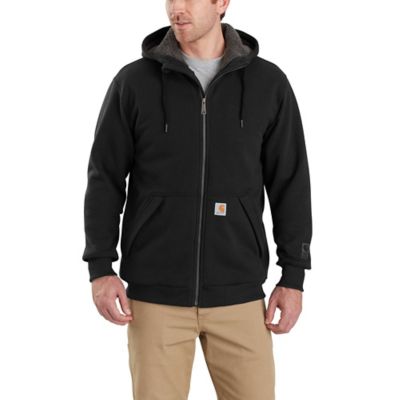
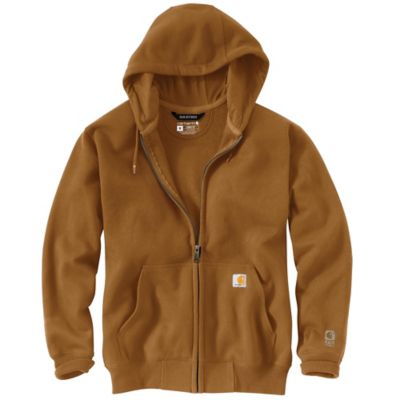
tailgating hoodie, while a roomier shirt may feel better worn by itself or under an open outer layer. Flat seams and cuffs that do not bunch can make that combination more comfortable through a long afternoon. Whether the plan involves a crowded stadium lot or a small gathering beside the barn, the right long sleeve balances personal style with room to move, manageable care, and a feel that stays comfortable from setup to the last chair folded.