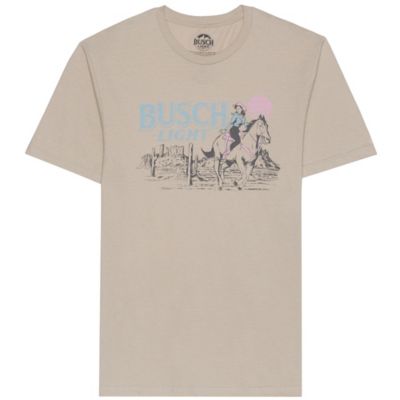
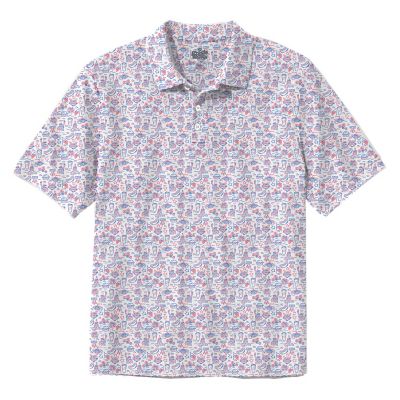
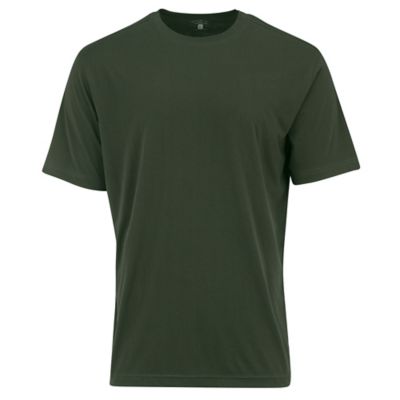
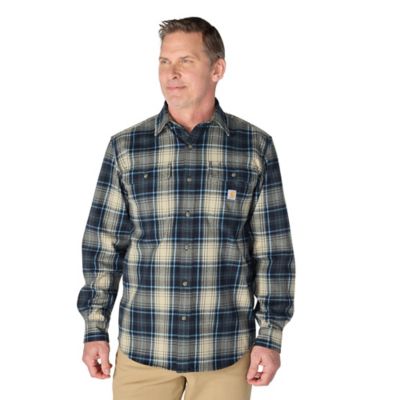
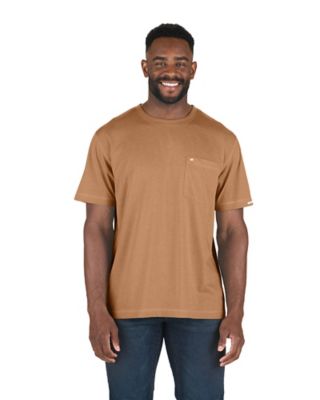
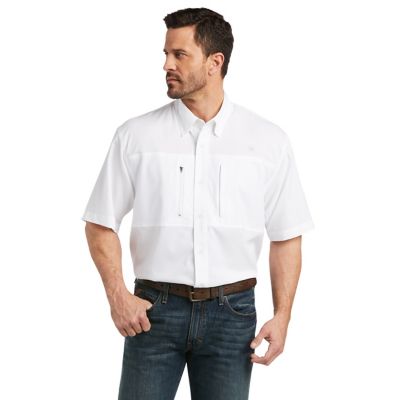
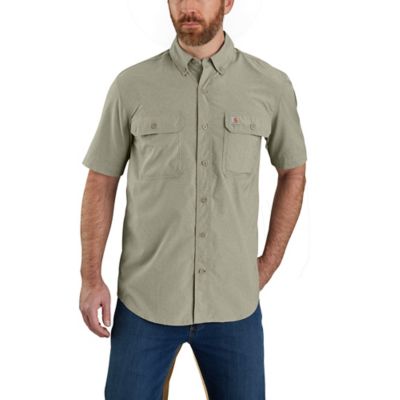
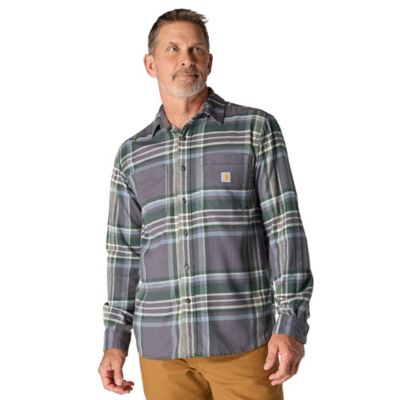
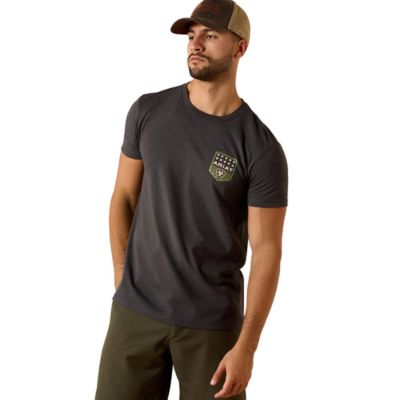
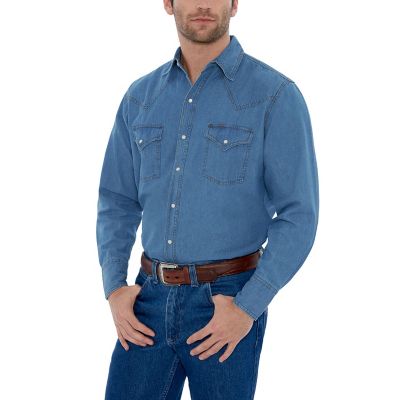
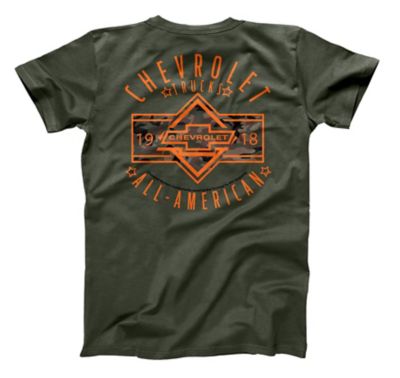
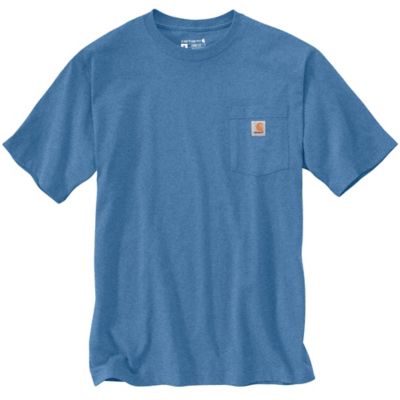
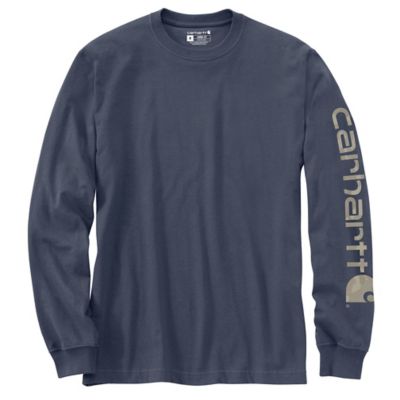
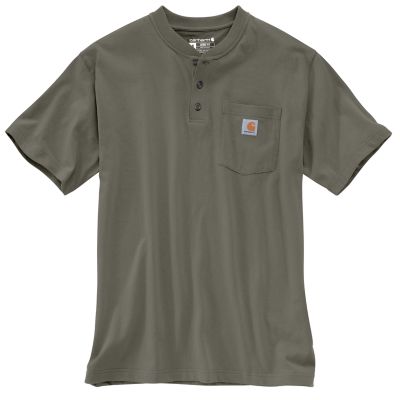
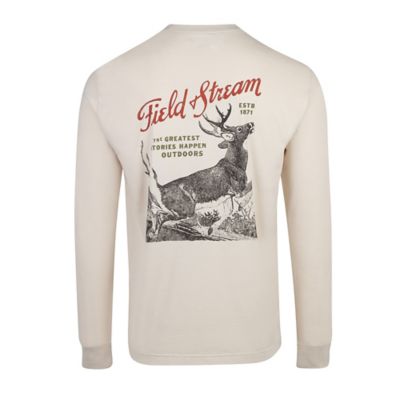
Tailgating shirts are casual game-day tops worn for pregame gatherings, parking-lot cookouts, and watch parties. They give fans an easy way to show team spirit while staying comfortable through setting up tables, tending the grill, and cheering from the stands. Short-sleeve tees, long-sleeve shirts, and polo-style tops each bring a different feel to the occasion, from a laid-back afternoon beside the pickup to a gathering with coworkers before kickoff. The right choice depends on how the shirt feels, how it fits, and how much of the day will be spent moving around. A straightforward crewneck works well with jeans and boots, while a collared shirt has a slightly more put-together look without feeling out of place beside a folding chair and a plate of barbecue. Team colors, football graphics, and game-day sayings can make the connection clear, but a shirt does not need a large design to belong at a tailgate. A simple color combination can say plenty, especially when paired with a favorite cap. For families and groups of friends, coordinating colors help tie everyone together without requiring the exact same outfit. Tailgating shirts also fit gatherings beyond the stadium, including backyard cookouts, community watch parties, and a full afternoon of games on television. Someone carrying coolers from the truck may want room through the shoulders, while someone handling the food may prefer sleeves that stay clear of serving trays. Shirts that work with everyday pants tend to get more wear beyond game day, too. A comfortable tee can go from a morning supply run to the parking lot without a change of clothes. That everyday usefulness is part of the appeal: these are shirts meant for real gatherings, where a little team pride shares space with good food, familiar faces, and plenty of time on your feet.
Fabric makes a noticeable difference in how a tailgating shirt feels over a long day. Cotton is a familiar choice for its soft feel and breathability, especially in a jersey knit that bends easily with the body. Cotton-rich blends can balance that familiar feel with other characteristics, such as improved shape retention or a lighter hand, depending on the fibers and construction. Polyester fabrics often dry faster than all-cotton fabrics, while shirts specifically labeled for moisture management are designed to help move perspiration away from the skin. A small amount of stretch can make reaching into the truck bed or tossing a football feel less restricted. Fiber content alone does not tell the whole story, though. Fabric weight, knit density, and finishing all affect the way a shirt hangs, feels, and holds up to repeated wear. A lighter knit may drape close to the body, while a more substantial knit can have a firmer shape and feel less clingy. Seams and necklines deserve attention as well. Even stitching, reinforced shoulder seams, and a collar that lies flat are useful details in a shirt that will make regular trips through the laundry. A smooth neckline matters when it sits against the skin for hours, and seams that do not pull across the shoulders help keep the fit comfortable during everyday movement. Printed graphics bring another consideration: a large print can feel different from the surrounding fabric, particularly across the chest or back. Embroidered details have a different texture and may include backing on the inside. Neither approach is automatically the better choice; comfort depends on placement, construction, and personal preference. For tailgaters who handle setup and cleanup as well as the cooking, a shirt that moves easily and keeps its shape has practical value long after the final score. The best match feels right both standing at the grill and settling into a chair, without constant tugging at the hem or adjusting the sleeves.
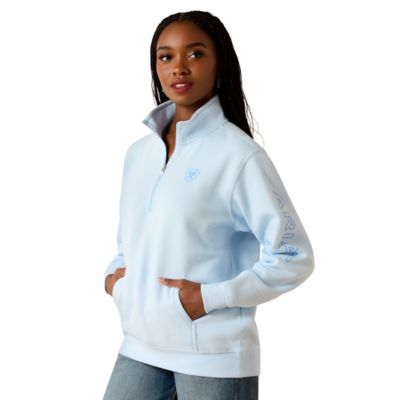
Fit brings those details together. A relaxed cut leaves room through the chest and middle, while a closer cut sits nearer the body and may tuck more neatly into jeans. Neither should be judged by the size letter alone, since measurements can vary between styles. Chest width, shoulder placement, sleeve opening, and overall length give a clearer picture of how a shirt will wear. Enough length to stay covered while reaching for gear is helpful, but an overly long hem can bunch when sitting. Long sleeves should allow comfortable elbow movement, and short sleeves should not bind across the upper arm. For another easy layer, a
Tailgating Sweatshirt can pair with a tee, so a smooth-fitting shirt underneath helps the two sit comfortably together. Care matters just as much as the first try-on. The garment label is the best starting point for washing and drying, especially when a shirt combines printed artwork with stretch fibers or mixed fabrics. Turning printed shirts inside out can reduce rubbing against other garments in the wash, and avoiding more dryer heat than the label allows can help limit shrinkage and wear on graphics. Grease, barbecue sauce, and mustard are familiar tailgate mishaps; prompt treatment with a fabric-safe stain remover is generally easier on a shirt than repeated scrubbing after a stain has set. Letting the fabric and print dry fully before folding also helps keep shirts ready for the next gathering. As gifts, tailgating shirts make sense for college fans, football families, grill-duty regulars, and friends who never miss a watch party. The most useful choice reflects the recipient’s usual fit and comfort preferences, not just a favorite color or slogan. Someone who lives in roomy cotton tees may appreciate that same familiar feel for game day. A shirt that feels like their everyday favorite has a good chance of becoming part of the regular rotation, whether the destination is the stadium, a neighbor’s backyard, or the living room before kickoff.