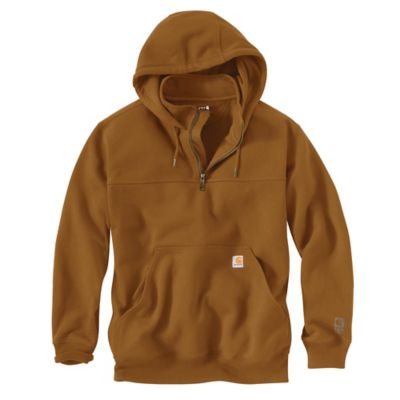
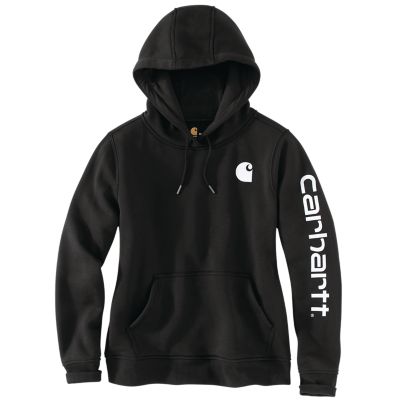
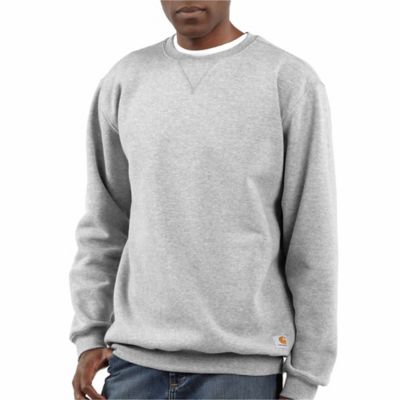
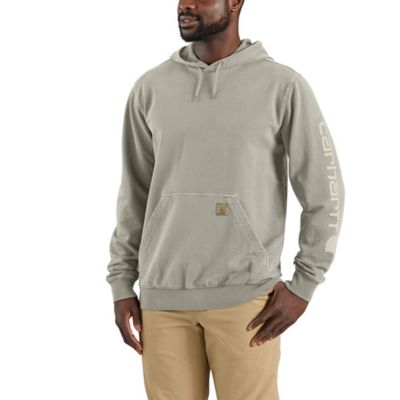
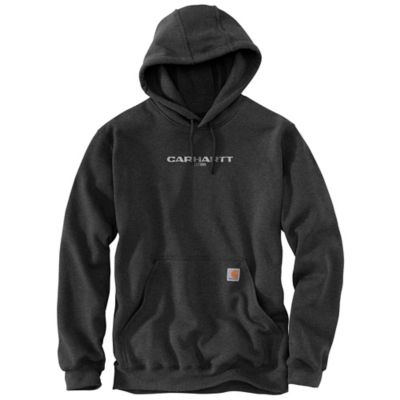
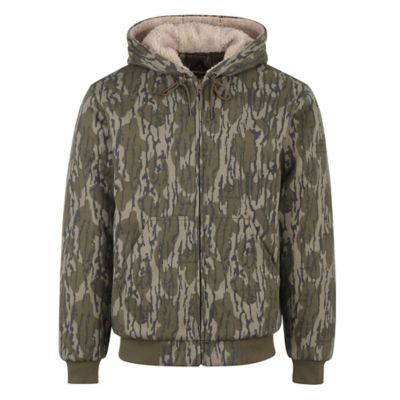
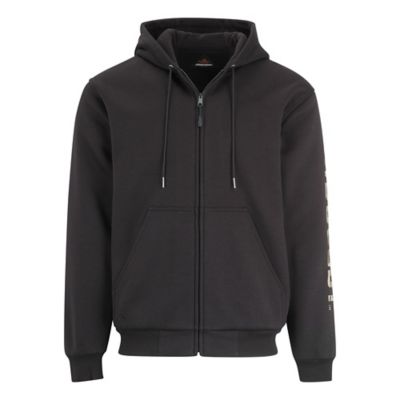
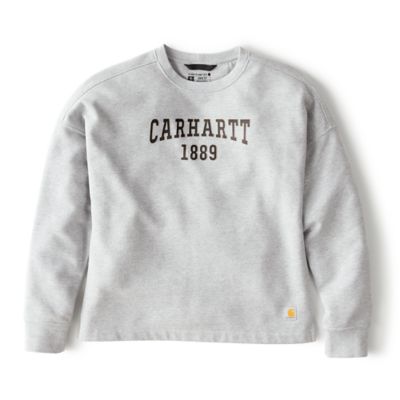
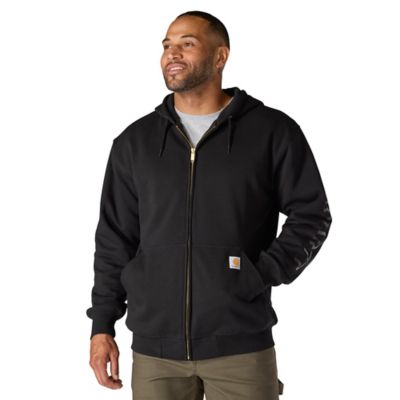
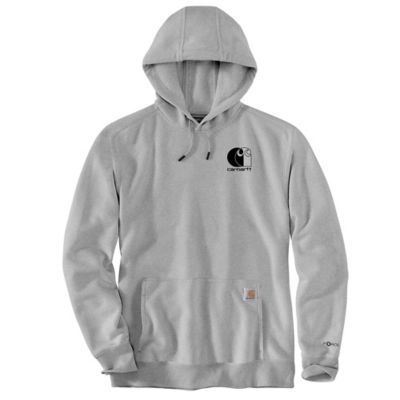
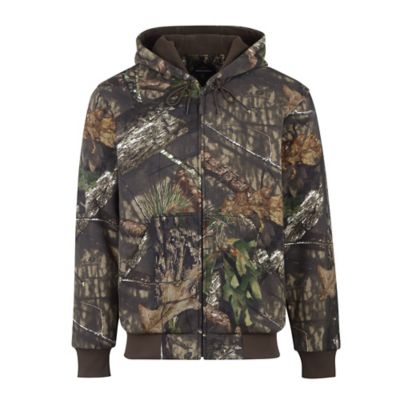
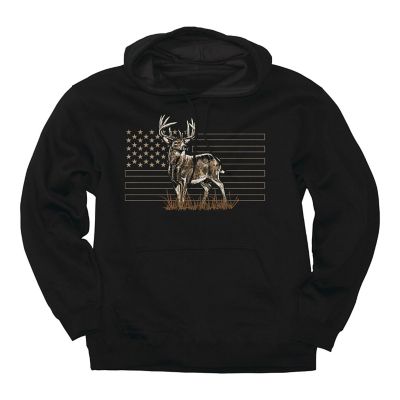
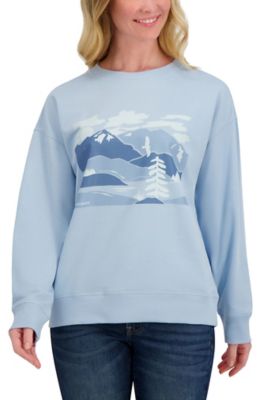
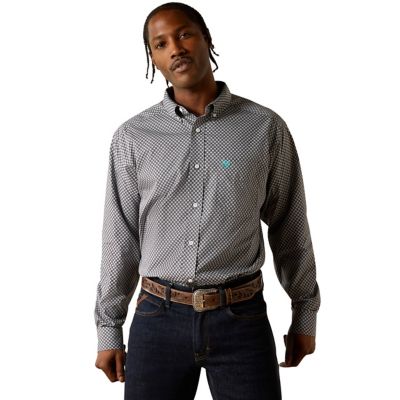
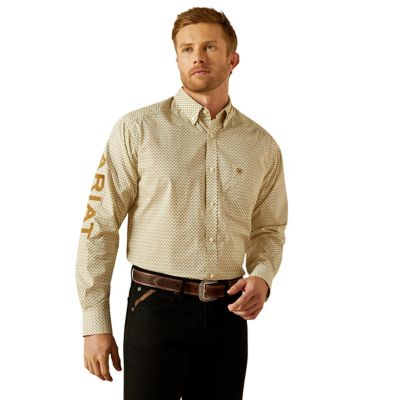
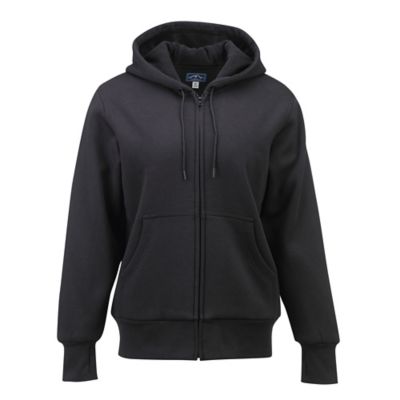
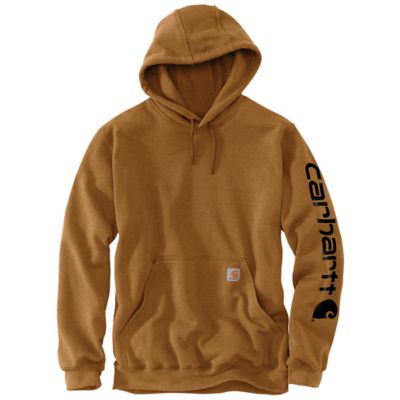
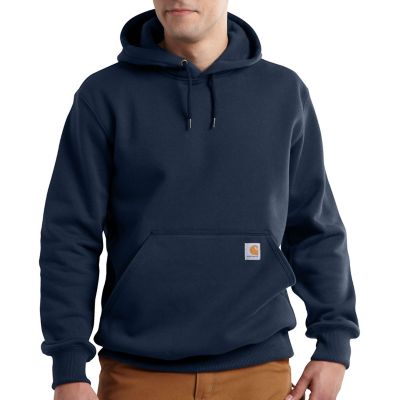
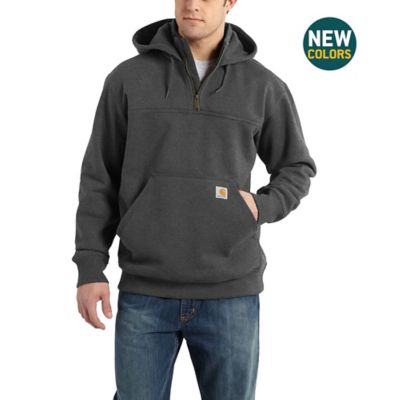
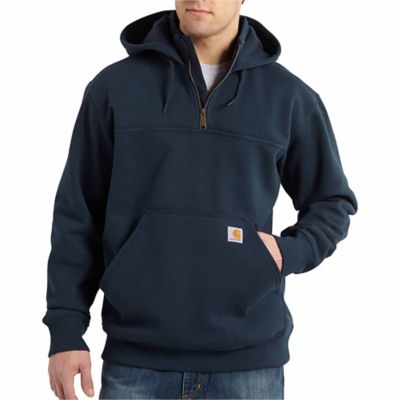
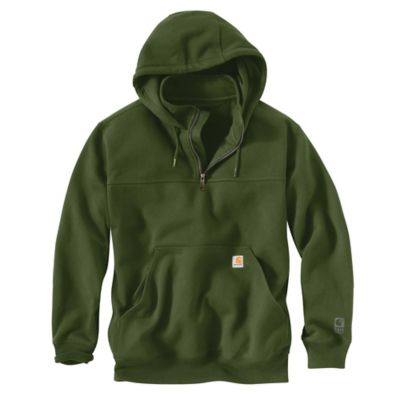
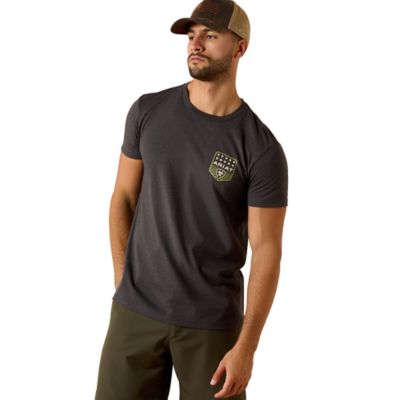
A tailgating sweatshirt is a casual pullover or zip-front layer made for the gathering before the game, the walk to the stadium, and the cheering that follows. The term generally describes how the sweatshirt is worn rather than one particular design: crewnecks, hoodies, and quarter-zip styles can all fit the occasion. Some put team colors or sports graphics front and center, while others keep things simple with a solid shade that works just as well at a backyard watch party. For folks hauling folding chairs out of a pickup or setting out food beside the parking lot, comfort matters as much as the look. A sweatshirt should let you reach across a table, carry a loaded tote, and settle onto a bleacher without pulling hard across the shoulders. Crewneck sweatshirts have a straightforward neckline that sits easily over a T-shirt, with no hood resting behind the neck. Hooded sweatshirts bring a more laid-back feel, and a front pouch gives your hands a resting spot between plays. Zip-front styles make it easier to change layers without pulling clothing over a ball cap, while quarter-zips let you adjust the neckline without opening the whole front. The best choice comes down to what feels right through a full day, not just a few minutes in front of a mirror. A bold graphic can anchor a game-day outfit with jeans and boots; a plain sweatshirt can leave the team spirit to a cap or scarf. Neither needs much fuss. Tailgating clothes earn their place when they feel natural from the first stop for ice to the last chair folded up after the game. That same easy fit makes a sweatshirt useful beyond the stadium, whether the next stop is a neighborhood cookout, a school sporting event, or a Saturday spent catching up with friends around the television.
Fabric and construction make a noticeable difference in how a tailgating sweatshirt feels through all that sitting, standing, loading, and cheering. Cotton brings a soft, familiar feel, while cotton-and-polyester blends can help balance comfort, shape retention, and drying time, depending on the knit and fiber proportions. A brushed fleece interior has a fuzzy surface against the skin; French terry has small loops on the inside and generally feels less plush. Fabric weight matters, too, but a heavier sweatshirt is not automatically the better match for every outing. A substantial knit can give a crewneck more structure, while a lighter one may be easier to tuck into a tote or layer beneath a jacket without bunching. When comparing fits, look beyond the size letter and check chest measurements, body length, and sleeve length against a sweatshirt that already fits well. Men's, women's, and unisex sizing can differ in shoulder width, waist shaping, and overall proportions, so the same labeled size may sit differently across cuts. A relaxed fit leaves room for a shirt underneath, but extra fabric should not get in the way while pouring drinks or arranging food. Ribbed cuffs that rest near the wrist help keep sleeves clear of serving trays, and a hem that stays comfortably below the waistband is handy when reaching into the truck bed. For a seated fit, consider whether the hem rides up or the front gathers awkwardly in your lap. Shoulder seams, underarm room, and the stretch of the knit all affect freedom of movement. Pockets deserve a closer look as well: an open pouch is convenient for briefly stashing gloves, but a secure closure is better suited to small belongings when moving through a crowd. For another layer beneath a sweatshirt or a lighter game-day outfit,
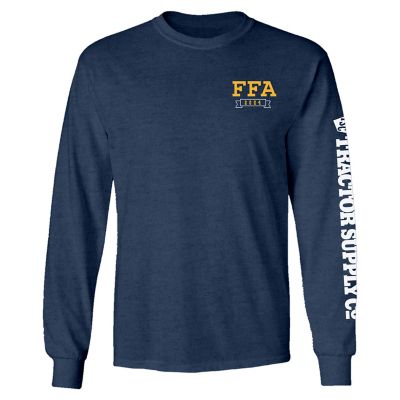
Tailgating Long Sleeves offer a related option to consider alongside neckline, sleeve room, and the rest of your outfit.
A sweatshirt meant for repeat game days needs to stand up to ordinary wear and a sensible laundry routine. Even stitching, firmly attached pocket corners, and ribbing that springs back after a gentle stretch are useful details to check. Seams around the shoulders and underarms take regular strain, especially when carrying supplies, so those areas should feel smooth and secure rather than tight or puckered. Care requirements can vary with the fabric, print, and trim, which makes the garment's care label the starting point. Turning a printed sweatshirt inside out before washing can help limit rubbing against the design, and washing with similar colors helps protect the rest of the load. Follow the stated wash temperature and drying directions rather than assuming every fleece can handle the same treatment. High dryer heat can contribute to shrinkage in some fabrics and may be hard on certain graphics or elastic components. A barbecue sauce splash or a dab of mustard is easier to tackle promptly than after it has gone through the dryer; choose a stain treatment suited to the fabric and check that the mark is gone before drying. Between outings, let the sweatshirt dry fully before folding it away, especially if it spent the ride home packed beside damp towels or drink supplies. Those small habits help preserve the fit and feel that made it a favorite in the first place. A tailgating sweatshirt can also make a thoughtful gift for a college student, a longtime season-ticket holder, a parent who never misses a school game, or the friend whose truck always becomes the gathering spot. Familiar team colors and a preferred neckline are more useful clues than guessing at a bold graphic. Check whether the recipient tends to wear fitted layers or roomy pullovers, and consider how the sweatshirt will work with the jeans, work pants, or casual shoes already in regular rotation. The goal is an easygoing piece that gets reached for often, with enough comfort for the whole gathering and a look that feels at home wherever the game brings everyone together.