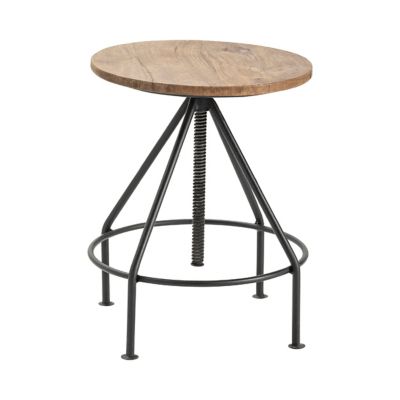
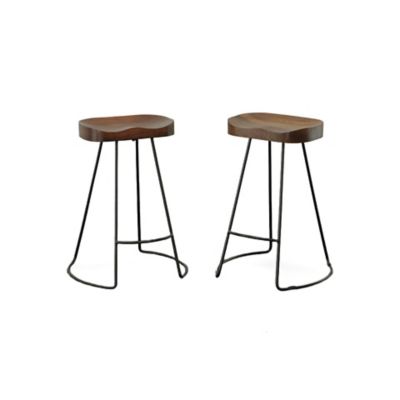
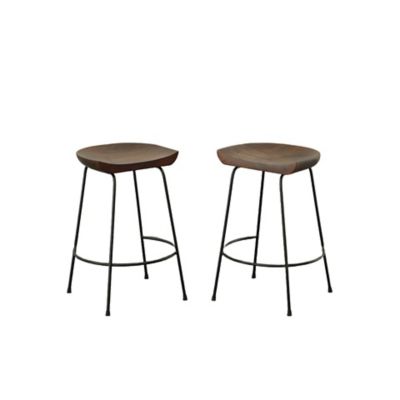
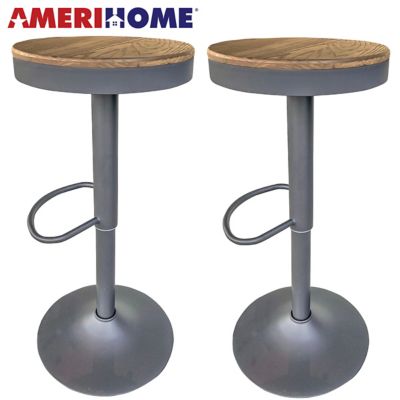
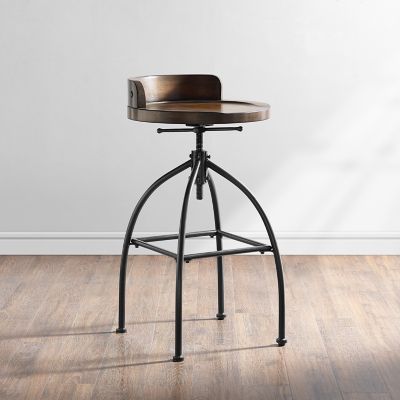
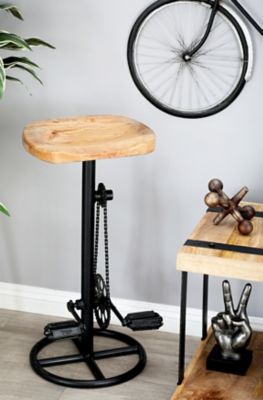
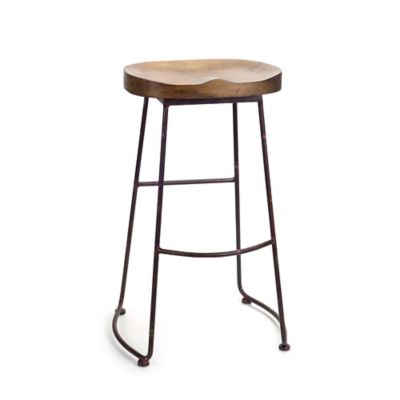
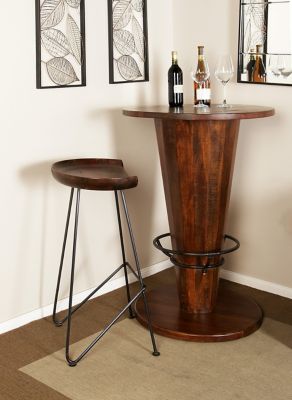
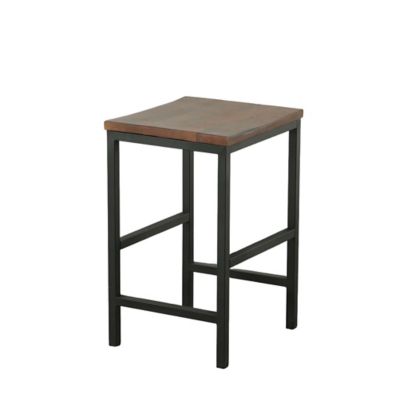
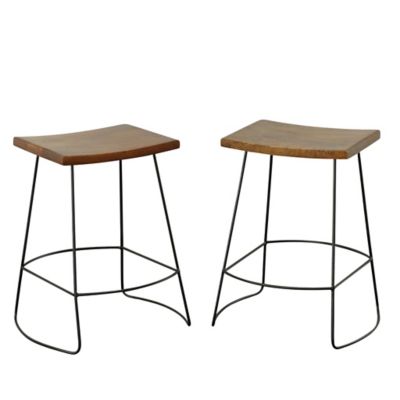
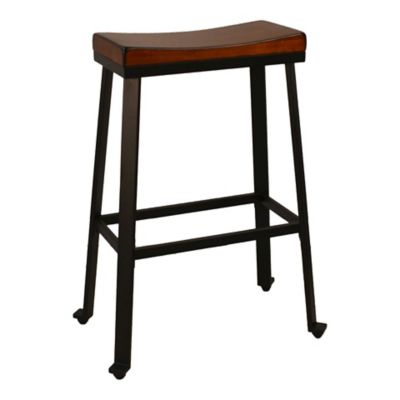
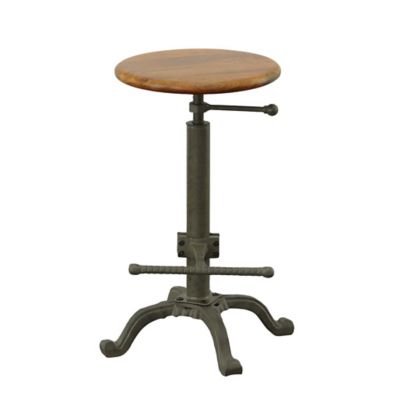
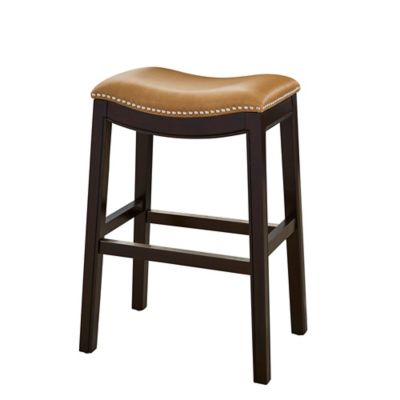
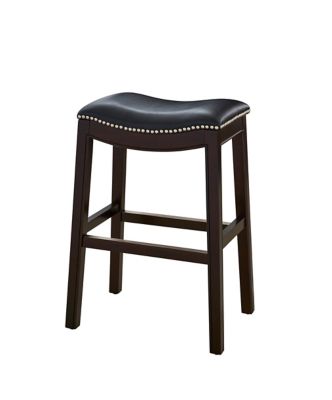
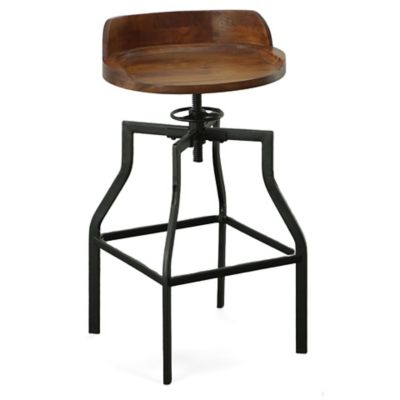
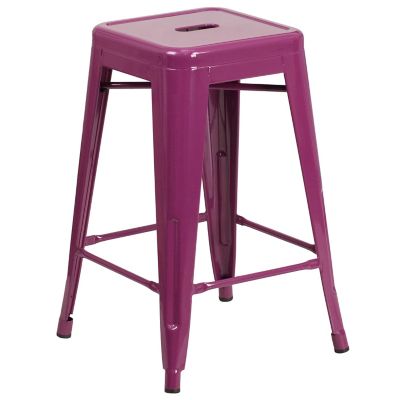
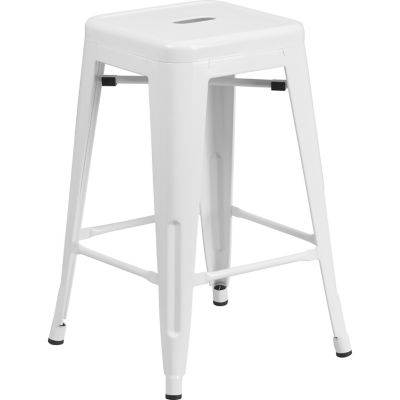
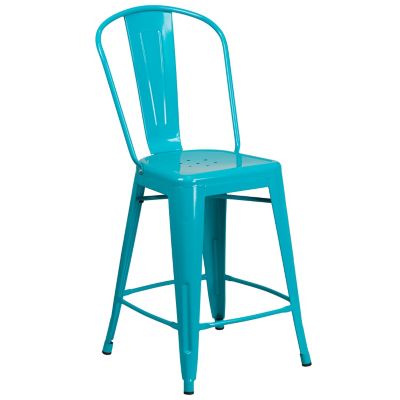
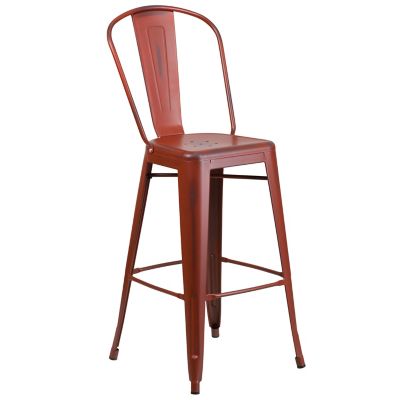
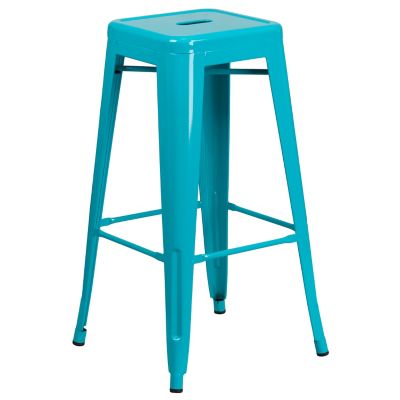
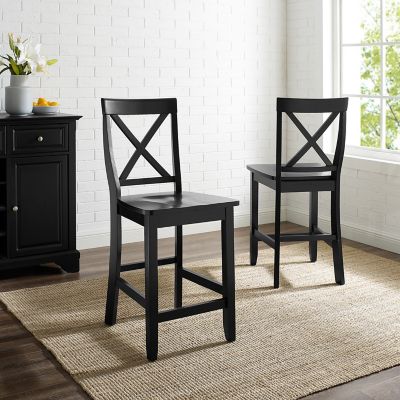
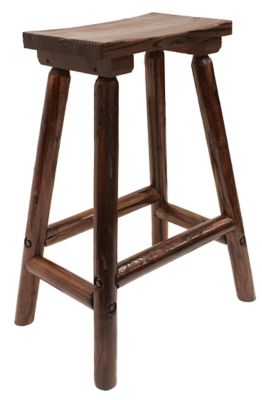
Metal and wood bar stools pair the natural grain of wood with the clean lines and strength of a metal frame. That combination feels right at home beside a farmhouse kitchen island, along a home bar, or around a tall table in a gathering room. Wood brings warmth and texture to the seat, while metal legs and crossbars give the stool a defined shape without making the room feel crowded. The look can lean rustic, industrial, or modern depending on the wood tone, frame shape, and finish. A thick oak seat with visible grain has a different feel from a smooth walnut seat on slim black legs, even though both share the same basic materials. Acacia and sheesham are other hardwoods found in this type of seating, with color variation and grain patterns that give each seat its own character. Solid wood and wood veneer call for slightly different care, so the material description matters as much as the appearance. Steel frames often have a substantial feel, while aluminum frames can be lighter to move; the finished stool’s weight still depends on its overall construction. Powder-coated metal offers a finished surface that helps protect the frame, though contact with belt buckles, shoes, or nearby furniture can still leave marks. Black frames and medium brown seats work with many cabinet and flooring combinations, while lighter wood and brushed metal create a brighter look. For a stronger splash of color,
Blue Metal Bar Stools can complement wood counters, painted cabinets, and other natural finishes. Matching every wood tone is not necessary. Repeating a frame color from cabinet pulls or light fixtures can bring the space together while leaving room for the grain and color differences that make wood appealing. The result is seating that feels comfortable in a lived-in home, whether the counter holds morning coffee, homework, or a plate passed over from the stove.
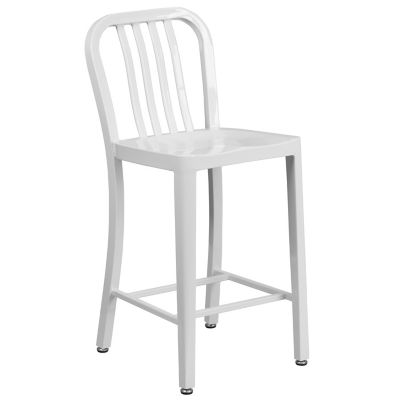
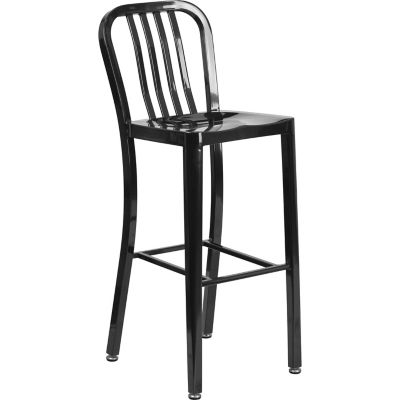
The right fit starts with the distance between the seat and the underside of the counter, not just the stool’s overall height. Counter-height stools commonly have seats about 24 to 26 inches from the floor for counters around 36 inches high. Bar-height stools commonly measure about 28 to 30 inches at the seat for surfaces around 40 to 42 inches high. These are general ranges, and roughly 10 to 12 inches between the seat and the underside of the surface usually leaves room for legs. A deep apron, support bracket, or thick countertop can reduce that space, so the lowest obstruction deserves attention. Seat width and spacing matter, too. About 26 to 30 inches from the center of one stool to the next is a useful starting point, with more room needed for broad seats, armrests, or swivel movement. A row that looks tidy when empty can feel tight once folks sit down with elbows on the counter. Backless metal and wood stools tuck neatly beneath an overhang and keep sightlines open across the kitchen. Stools with backs offer a place to lean during a longer meal or conversation, though their height and depth affect how far they project into a walkway. Armrests add another fit consideration because they may not slide under the counter. A shaped wooden seat can feel more comfortable than a flat plank, while rounded edges help reduce pressure behind the knees. Footrests are especially important on taller seating, giving feet somewhere to settle rather than leaving legs dangling. Swivel seats make it easier to turn toward the room without dragging the whole stool, but they need clearance from walls, cabinet corners, and neighboring seats. Stationary stools keep the arrangement straightforward in tighter spaces. Adjustable-height designs offer flexibility, provided their adjustment range, locking mechanism, and stated weight capacity suit the people who will sit on them. For families, stable seating and a clear path around the island matter more than squeezing in one extra stool.
Construction and care make a difference in how metal and wood bar stools handle everyday life. Firm joints, secure seat attachments, and evenly supported legs help a stool feel steady when someone sits down or shifts position. Crossbars can brace the frame as well as provide a footrest, but a footrest is not a step for climbing onto the seat. Weight capacity applies to the whole stool and should come from the manufacturer’s information rather than a guess based on thick legs or a heavy seat. Assembly details matter, too: hardware needs to be fitted and tightened as directed, and occasional checks can catch a loosening connection before it becomes a bigger problem. Floor glides help protect wood, tile, or other hard surfaces, and they deserve a look whenever the stool starts scraping or rocking. Adjustable leveling feet, where included, can help accommodate a slightly uneven floor. For routine cleaning, a soft cloth and a mild cleaner approved for the finish are generally better choices than abrasive pads or harsh chemicals. Promptly wiping up spilled coffee, juice, or water helps protect wood seats and keeps moisture from lingering around hardware. A finished wood seat does not automatically need oil; its care depends on whether the surface has an oil finish, lacquer, polyurethane, or another coating. Following the finish-specific directions helps avoid sticky buildup or changes in sheen. Metal frames also benefit from gentle cleaning and drying around joints. Indoor seating belongs indoors unless its materials and finish carry an outdoor-use rating. In a busy kitchen, smooth surfaces and open frames can make crumbs easier to reach, while a removable seat pad may add comfort if it fits securely. Metal and wood bar stools can also make a thoughtful housewarming gift when the recipient’s counter height, space, and style are known. Whether they become a quick breakfast perch or the favorite spot for catching up after chores, well-fitting stools make a counter feel like a place to settle in.