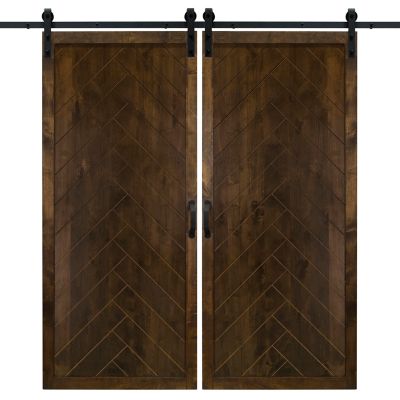
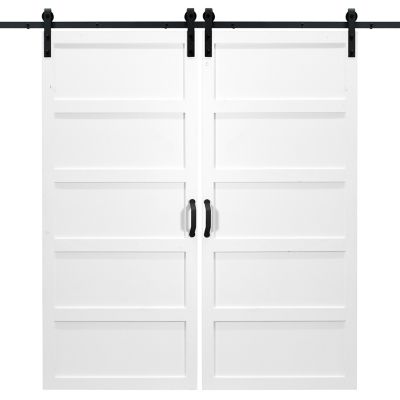
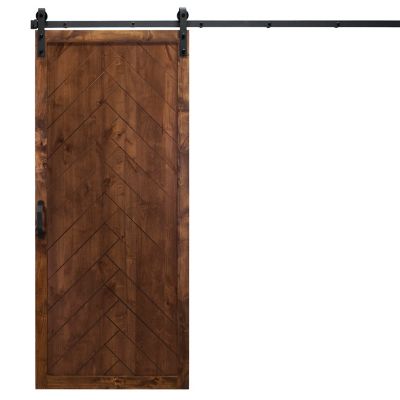
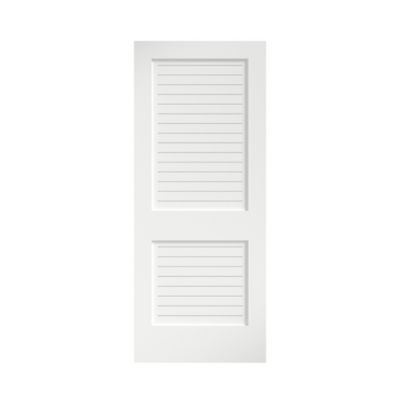
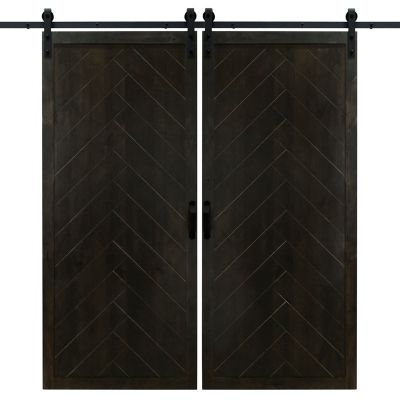
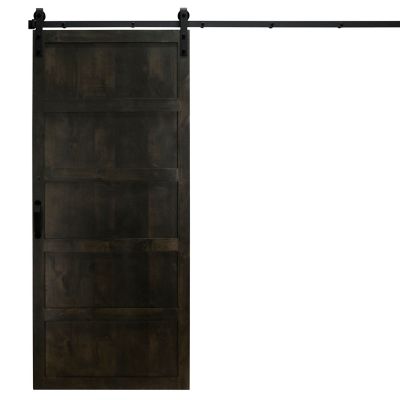
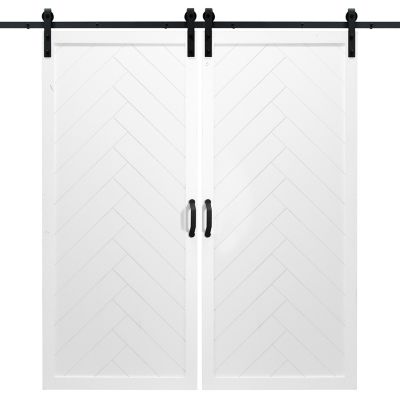
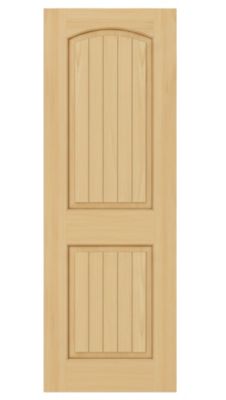
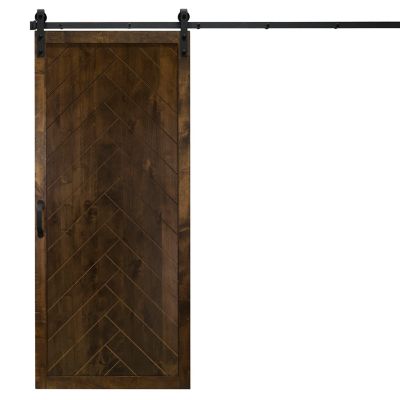
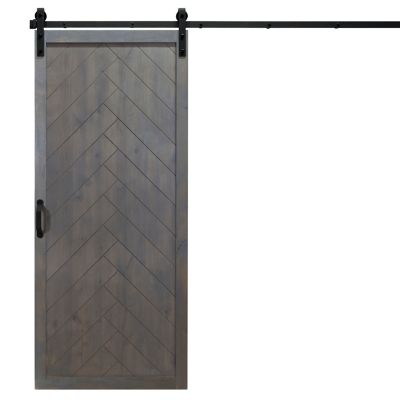
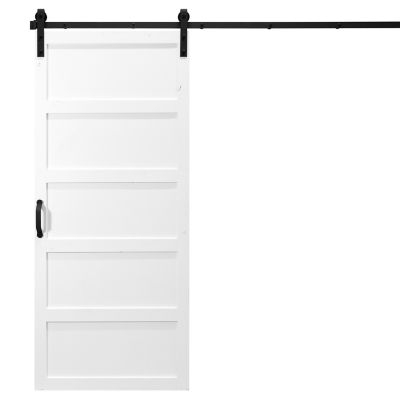
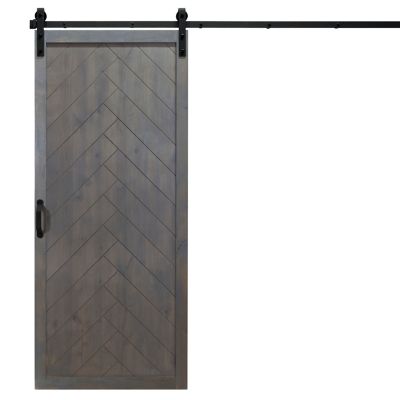
Solid doors bring a substantial feel to a room, with construction that generally helps reduce sound transfer more than a hollow-core door. The main choices are solid wood doors and solid-core doors, and the difference sits beneath the surface. Solid wood doors have components made from natural lumber, such as pine, oak, alder or fir. Traditional panel construction joins upright stiles and horizontal rails around panels, allowing the wood some room to move as indoor humidity changes. Solid-core doors have a dense interior, often made from compressed wood fibers or another engineered material, beneath an outer facing. That facing may be wood veneer, molded composite or another finish-ready surface. Both types can provide the heft people expect from a solid door, but their construction, finish options and approved applications differ. A door with no glass is not necessarily solid inside, either; a smooth, closed face can cover several kinds of core. Construction details tell more than appearance alone. Around the house, solid interior doors make sense for bedrooms, bathrooms, home offices and other rooms where privacy matters. A bedroom beside a busy kitchen or an office just off the family room can benefit from the added separation. Solid doors can soften everyday voices, television noise and household activity, though they do not make a room soundproof. The frame, wall construction and gaps around the opening all affect how much sound carries through. For looks, wood grain can bring warmth to a farmhouse hallway, while a painted flush or paneled face can blend into a straightforward utility space. Raised panels add depth, flat panels keep the lines simple, and smooth faces are easy to wipe down. The best match balances that appearance with the room’s purpose, whether the opening leads to a quiet place to read, a laundry room with equipment running or a bedroom where someone sleeps while the rest of the household gets moving.
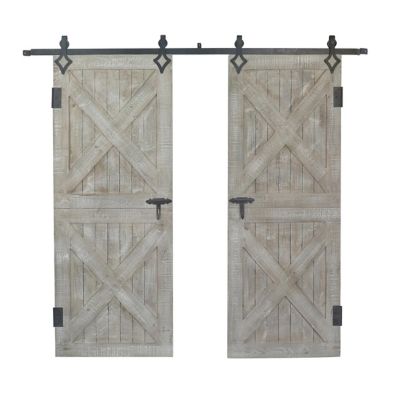
Fit matters just as much as the material, especially in an older house where door openings may be a little out of square. Width and height are only part of the picture: door thickness, jamb depth, hinge locations and the position of the latch opening also affect compatibility. A slab is the door panel alone, making it an option when the existing frame is sound and the hinge and latch preparations can line up. A prehung assembly includes a door fitted within its frame, which can simplify matching those parts when the whole opening needs attention. Neither format removes the need for careful measurements. Flooring changes can reduce clearance beneath a door, and a thicker floor covering may interfere with the swing. Nearby cabinets, light switches and furniture also influence which way a door should open. In a narrow hallway, a swing that clears a linen cabinet can make daily chores less of a shuffle. Solid construction adds weight, so hinges, fasteners and framing need to suit the door rather than simply match the old hardware’s appearance. A loose jamb or worn hinge can leave a heavy panel sagging, rubbing or failing to latch. Sliding and folding arrangements have their own track, clearance and weight requirements, particularly when the opening divides two living areas. For spaces where separating one area from another is the main goal,
partition doors offer a related category to consider alongside conventional swinging doors. The operating style affects more than floor space: overlapping edges, floor guides and perimeter gaps can change privacy and sound control. A hinged solid-core door with a close-fitting frame may serve a quiet office better than an open-edged sliding arrangement, while another room may benefit more from keeping the swing path clear. Handles and latches should also fit the job, with privacy functions for appropriate rooms and easy operation for the people moving through them. Household access needs, required clearances and local building rules remain part of that decision.
Finish and care help a solid door hold its appearance and keep working smoothly through everyday traffic. Solid wood offers visible grain and the possibility of refinishing, though the species and existing finish influence the final result. Pine tends to show dents more readily than harder woods, which matters along a busy route where laundry baskets, boot toes and tool bags regularly bump the lower panels. A wood veneer gives a solid-core door a natural-looking face, but its thinner surface calls for care with sanding and repairs. Paint-ready composite surfaces provide another look, with preparation and coating requirements that depend on the door’s construction. Finishing instructions often address all edges as well as the broad faces, including any areas exposed by permitted trimming. That detail matters because uneven moisture exposure can contribute to swelling, sticking or finish trouble. Bathrooms, laundry areas and other damp indoor spaces call for particular attention to ventilation and material suitability. An interior door should not be assumed suitable for an exterior opening simply because it feels heavy or has a solid center. Exterior applications require construction and finishes intended for that location, along with compatible frames, thresholds and hardware. Likewise, a solid door is not automatically fire-rated or a complete security solution. Required ratings apply to designated door assemblies, and entry protection also depends on the frame, strike hardware, lock and installation. For routine upkeep, a soft cloth and a cleaner compatible with the finish can lift fingerprints and everyday grime without soaking the surface. Hinges and latches deserve occasional attention when squeaks, looseness or rubbing appear; forcing a sticking door can damage the edge or frame. Trimming limits vary, especially with solid-core construction, so taking too much off an edge can compromise the door. With the right fit, suitable hardware and a finish matched to the setting, solid doors can handle the daily work of dividing rooms while bringing privacy and a satisfying, substantial close to the spaces people count on every day.