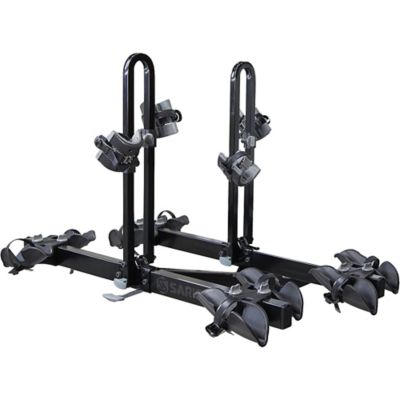
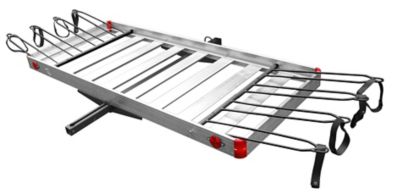
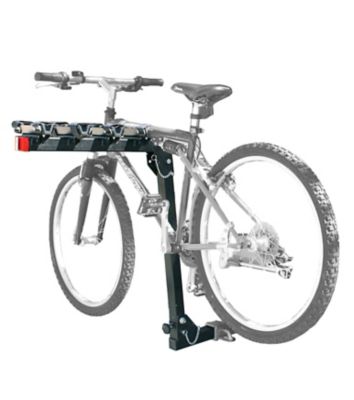
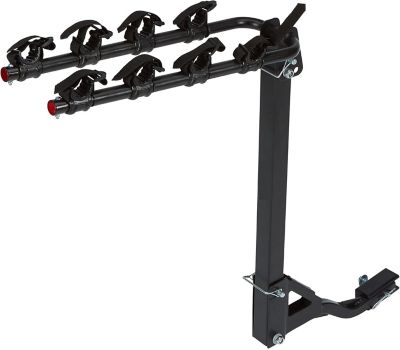
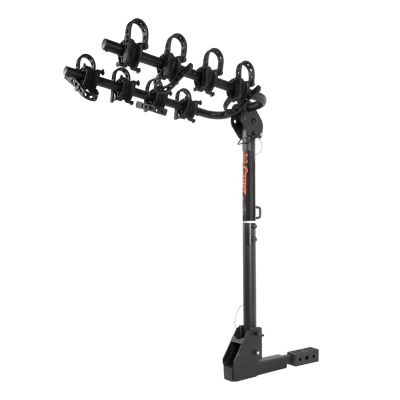
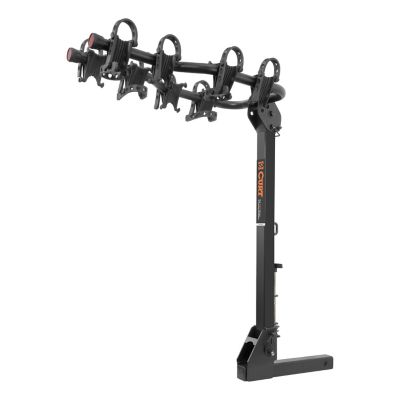
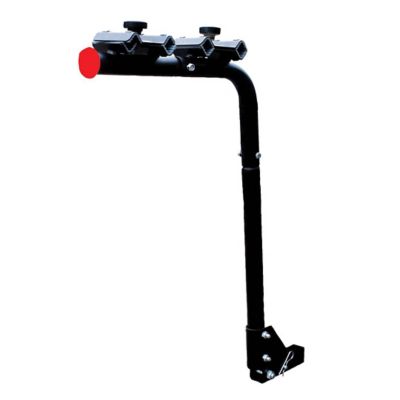
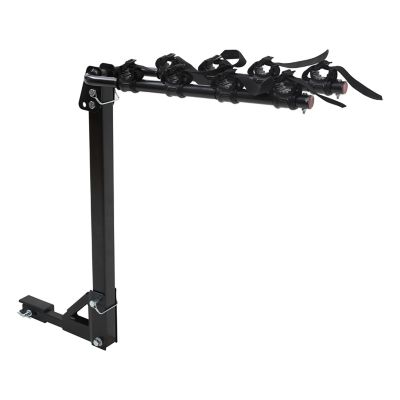
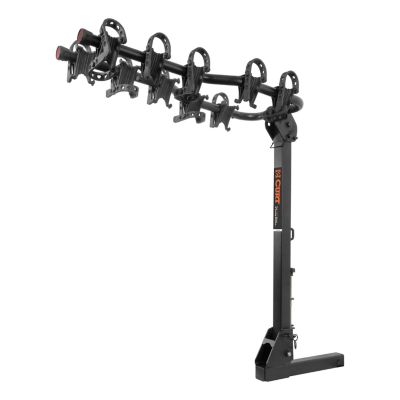
Four-bike hitch racks give families and riding buddies a practical way to get a full group of bicycles to the trailhead, campground, or paved path without filling the truck bed or crowding the cab. Keeping bikes outside the vehicle leaves room for helmets, a cooler, and the rest of the gear that tends to tag along. For a household hauling a mix of adult and children’s bicycles, the right
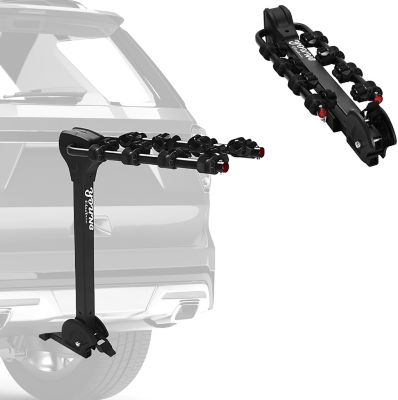
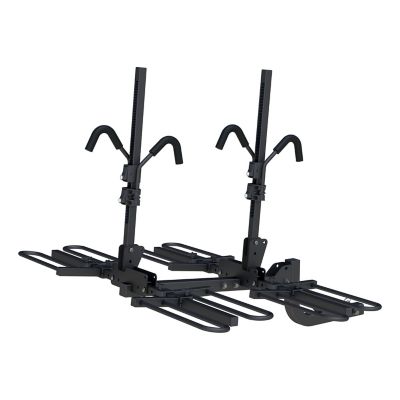
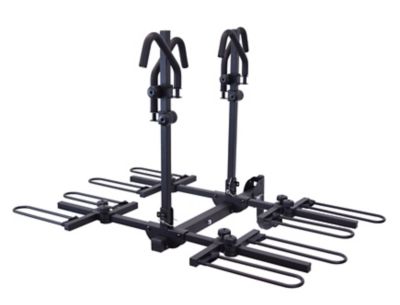
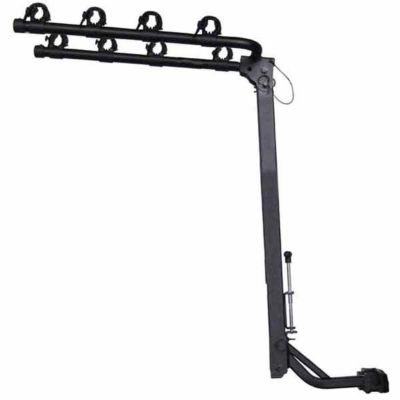
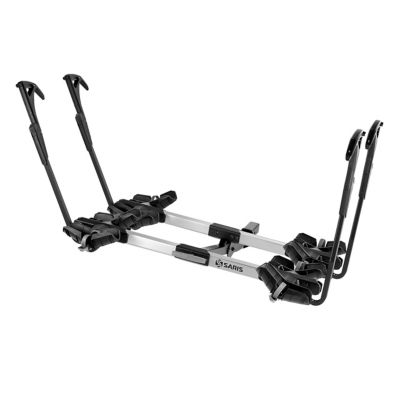
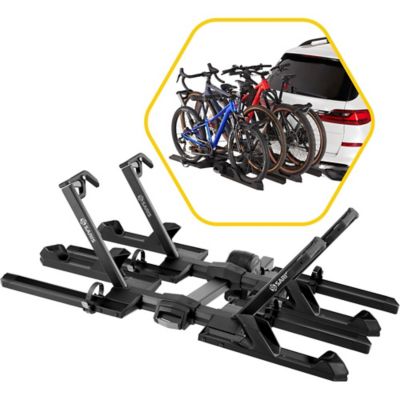
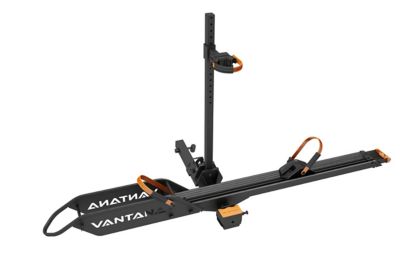
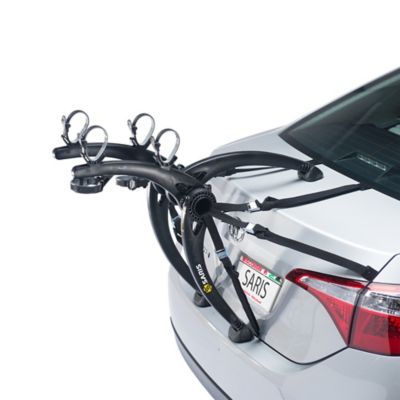
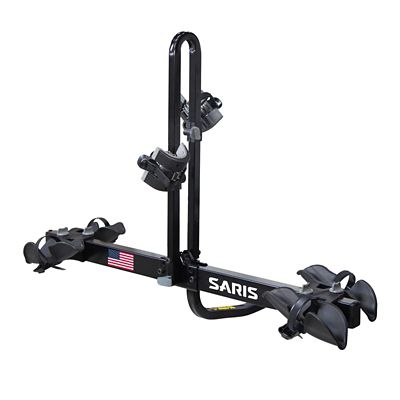
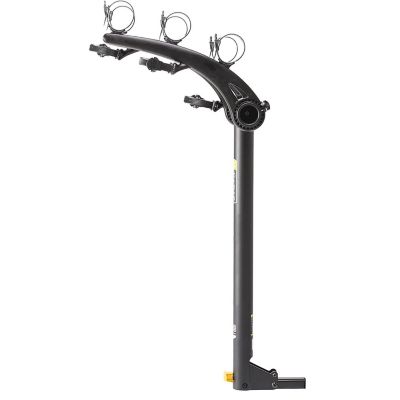
4 Bike Rack fit depends on the bikes themselves as much as the number of spaces on the carrier. Hanging racks generally support bicycles by their frames, with cradles and straps holding each one in place. Their arms can offer a fairly compact carrying arrangement, though sloped top tubes, small frames, and step-through bicycles may need an approved adapter bar. Platform racks support bikes at the wheels, often with trays and wheel straps paired with a frame or tire clamp. Depending on the design, that layout can make loading easier and keep bicycles separated with less frame contact. Wheelbase, tire width, wheel diameter, and fender clearance all matter, especially when a group includes a small child’s bike beside a long mountain bike. Carbon frames and bicycles with unusual tubing shapes may also call for specific contact points or mounting methods. Four spaces do not automatically mean room for four bicycles of any size or weight; both the per-bike limit and the total rack capacity deserve attention. Electric bicycles can be especially heavy, and some four-bike carriers are not intended for that load. Steel construction often brings a sturdy feel, while aluminum components can make a rack easier to lift and handle between trips. Protective finishes, well-supported joints, and replaceable straps are useful details for a carrier expected to spend plenty of miles behind a vehicle. The best match is one that supports the actual bicycles headed down the road, not just a head count of riders.
Receiver fit and vehicle limits are just as important as the carrying style. A four-bike hitch rack needs a receiver size and hitch rating that match its requirements, along with enough permitted carrying capacity for the rack and every bicycle loaded onto it. The vehicle, hitch, and rack can each have different limits, and the lowest applicable rating controls the setup. A vehicle’s trailer towing figure is not a substitute for its allowable hitch-mounted load. Receiver adapters and extensions can also affect permitted capacity and rear clearance, so compatibility needs to come from the manufacturers rather than a guess based on whether the pieces slide together. Behind a pickup, SUV, or other suitable vehicle, the space between the rack and the body makes a noticeable difference. Handlebars need clearance from rear glass, pedals need room near the bumper, and a rear-mounted spare tire can interfere with the rack’s upright support or folding mechanism. Tailgates, liftgates, and side-opening rear doors each move through a different path. Tilt-away and swing-away features may improve access, but operation varies, and some mechanisms require the bicycles to be unloaded first. Fold-up designs can shorten the space taken up behind a parked vehicle when the trays or arms are empty. Ground clearance also matters on steep driveways, uneven campground lanes, and entrances where a long rack extends well behind the rear wheels. An anti-rattle connection can reduce movement at the receiver, while anti-sway cradles or wheel restraints address movement farther out at the bicycles; those features handle different parts of the load. Adequate spacing helps keep a brake lever from rubbing a neighboring saddle or a pedal from tapping another frame. Loaded bicycles and the rack should not obstruct required lights or the license plate, and a full four-bike arrangement can change the view through the rear window or backup camera. A setup that fits well makes those everyday details easier to manage.
The small contact points often make the biggest difference over a long drive. Cradles that cushion frame tubes, straps that reach securely around the intended tires, and trays that hold wheels without awkward positioning help keep the load settled. Even with four bikes aboard, each bicycle needs its own secure attachment according to the rack’s instructions; leaning one bike against another is no replacement for proper restraint. Some carriers call for additional support straps, and those requirements are part of the fit rather than optional extras. Hitch locks and bicycle locks can add a measure of security during stops, though they do not replace a sound mechanical connection or careful parking. For regular trips to a rail trail or an afternoon ride with the grandkids, loading height and access to the fastening points can matter as much as the rack’s overall size. A lower platform may spare some lifting, while a lighter carrier may be easier to move from the receiver to a storage spot in the barn or garage. Storage also deserves a little room in the decision: folded arms, upright trays, and a safe place for the hitch pin can keep the carrier from becoming an obstacle between outings. Long-term care is straightforward but worth keeping up with. Road grit can collect around hinges, straps, and receiver hardware, so cleaning according to the manufacturer’s directions helps those parts stay ready for the next trip. Frayed straps, cracked cradles, loose fasteners, and damaged locking parts need attention before another load goes on. Lubrication belongs only where the maker recommends it, and replacement parts need to match the rack. For a gift, vehicle details and bicycle measurements are more useful than a surprise selection based on capacity alone. Whether the regular crew is four family members or a few neighbors meeting at the trailhead, a well-matched four-bike hitch rack gives every bicycle a designated place and leaves the passenger space for the people making the trip.