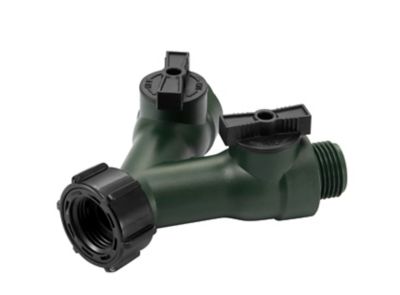
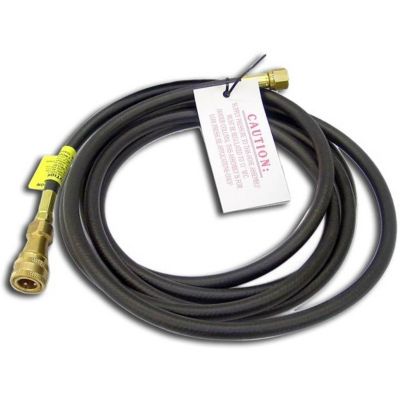
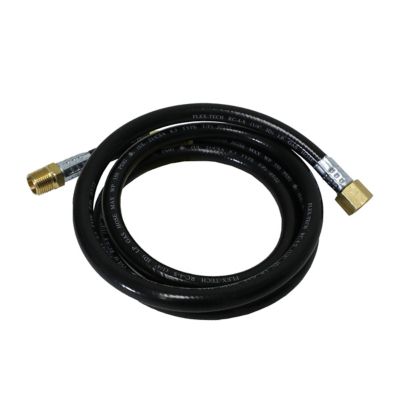
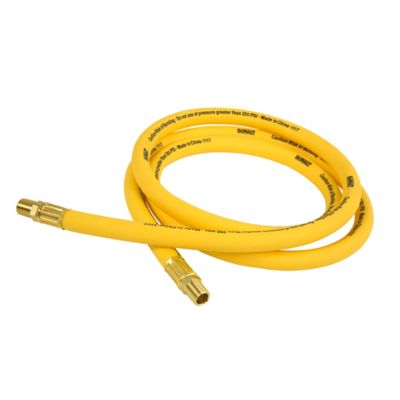
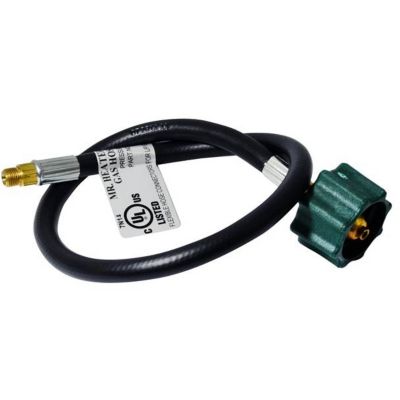
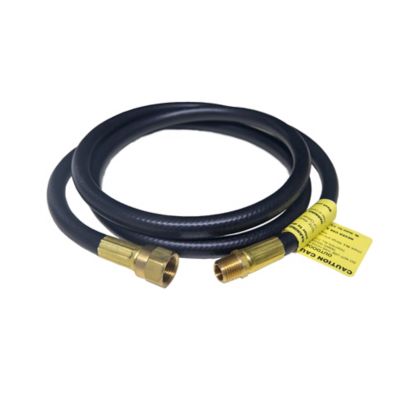
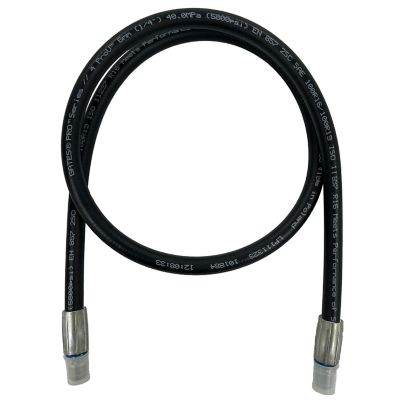
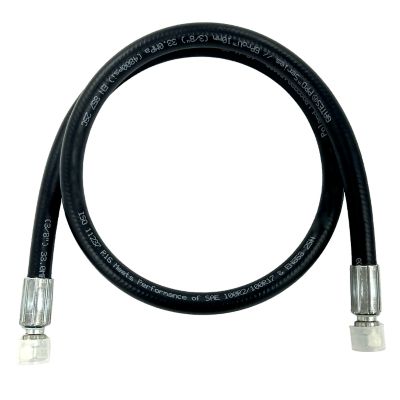
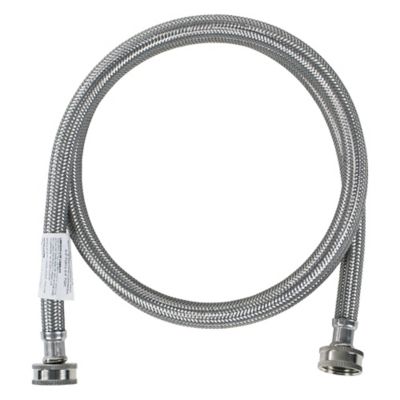
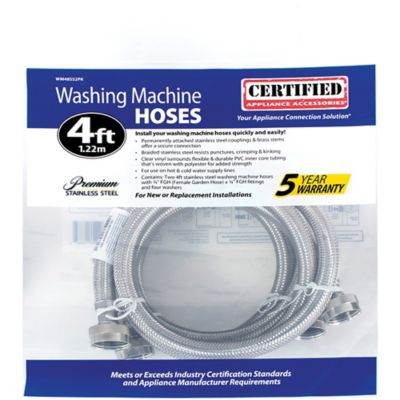
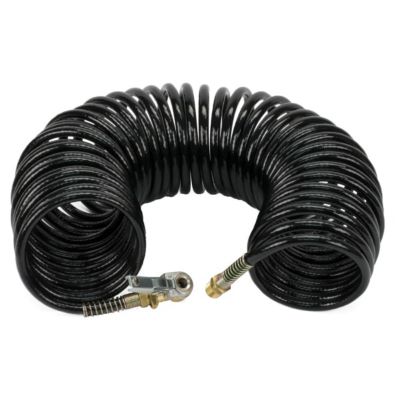
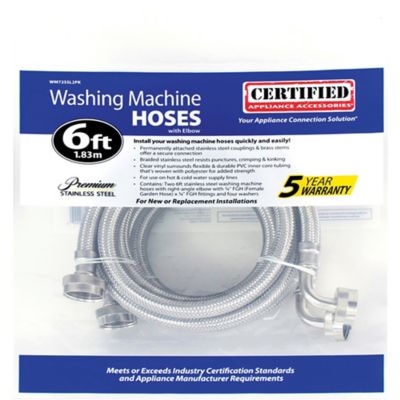
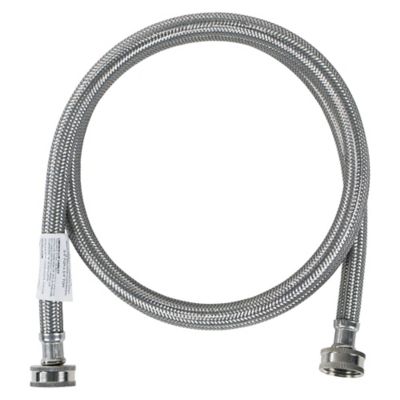
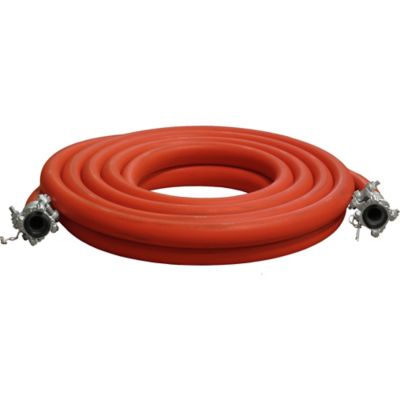
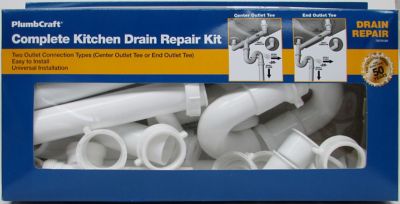
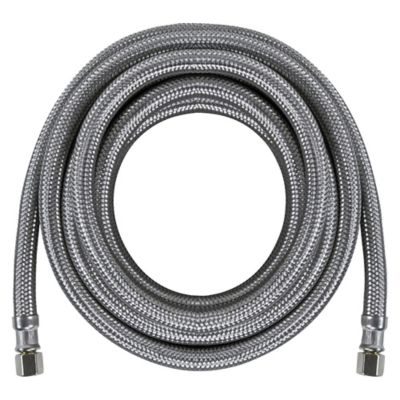
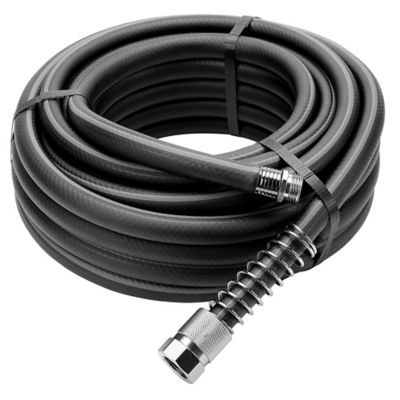
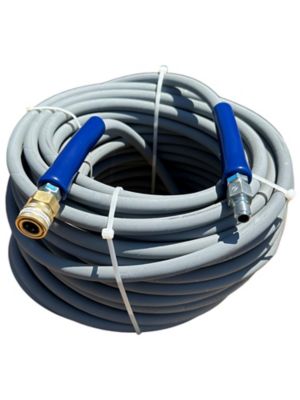
Connection hoses are flexible lines used to move water or other fluids between a supply source and a fixture, appliance, tool, or outdoor connection point. Around the house, shop, barn, and garden, they help make everyday hookups easier without the need to run rigid pipe for every connection. A faucet supply line can link a sink faucet to the shut-off valve beneath a counter, while a washing machine hose connects the hot and cold water valves to the back of the appliance. Outdoors, a garden hose or shorter leader hose can connect a spigot to a reel, watering tool, pressure washer, or other watering setup. Some hoses are made for general water use, while others are designed to handle higher pressure, warmer water, pumping equipment, or frequent movement. That difference matters, since a line that works well for filling a stock tank may not be the right choice for an appliance connection or a pump. Before purchasing, identify what you are connecting, where the hose will run, and what kind of fluid and pressure it will carry. Measure the full distance between connection points, then allow enough extra length for a gentle curve without leaving a loop where someone could trip or a vehicle could catch it. A hose that is too short can pull on fittings and cause leaks, while one that is excessively long may kink, sag, or be harder to store. During cooler months, a little extra attention to routing and storage can help protect hoses from sharp bends, freezing water, and unnecessary wear.
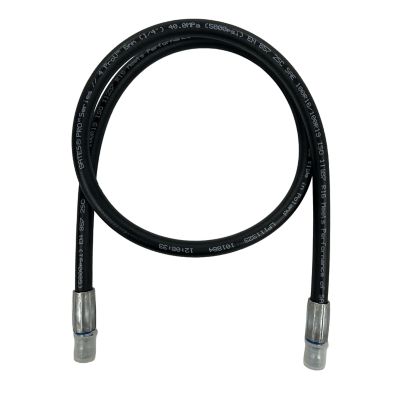
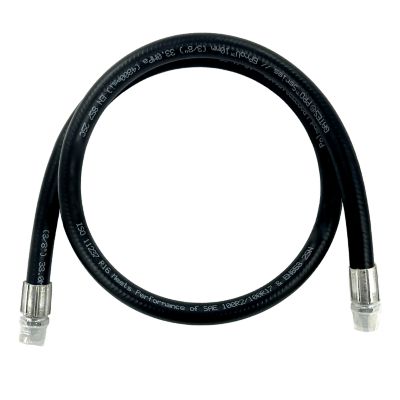
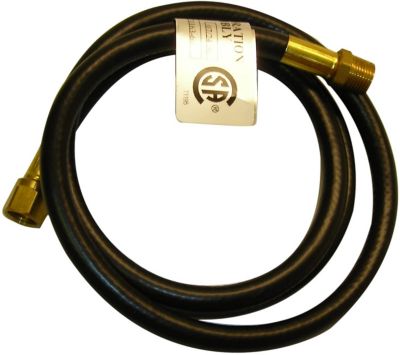
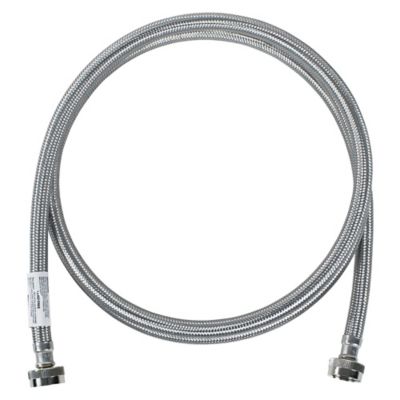
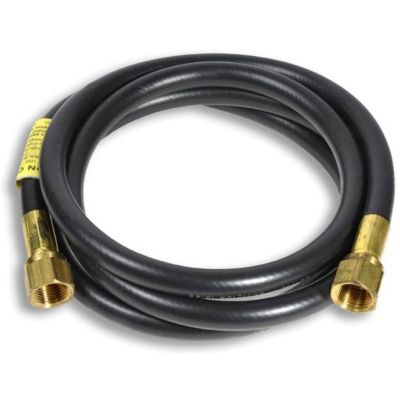
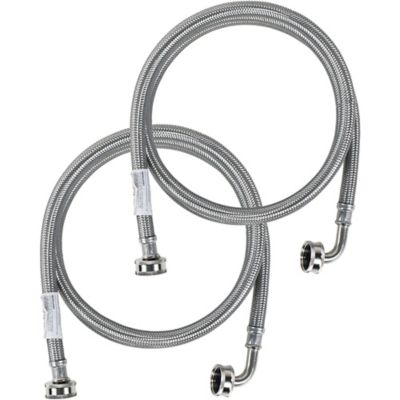
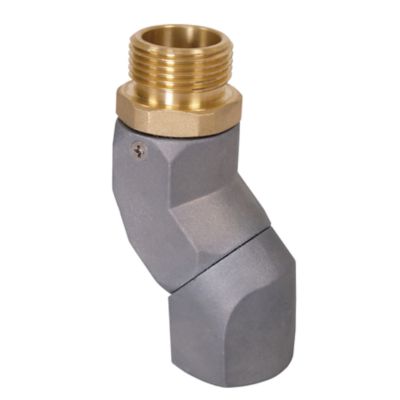
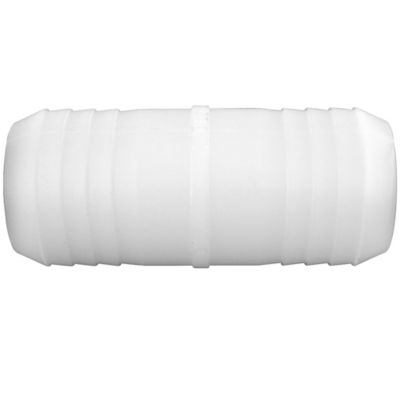
Connection hoses are available with several fitting styles, so matching the ends is just as important as choosing the right length. Threaded ends screw together and are common for outdoor water connections, faucets, and many other standard hookups. Compression fittings use a nut and ring to tighten around smooth tubing, creating a secure seal when properly sized and installed. Quick-connect fittings are handy when a line needs to be attached and removed often, such as when switching between watering tools or putting equipment away at the end of the day. Check whether the connection requires male or female threads, the diameter of the opening, and the thread pattern used by the fixture or equipment. A hose washer or sealing gasket may be needed to prevent drips at a threaded connection, but tightening too hard can damage the fitting or crush the washer. Hand-tightening is often a good starting point, followed by a small adjustment with pliers when necessary; metal fittings should be handled carefully around plastic valves and appliance connections. For hot and cold supply lines, choose hoses rated for the intended temperature and keep hot and cold connections matched to the correct valves. Braided outer coverings can provide added protection against abrasion and bending, especially behind appliances or in busy utility areas. Look for construction suited to the job, including flexible materials for tight spaces, reinforced walls for demanding use, and fittings that resist rust or corrosion where moisture is common. If the job involves transferring water from a tank, pond, basement, or other source, explore
Pump Hoses for lines intended to work with pumping equipment.
The right connection hose can save time during routine chores and make seasonal maintenance less of a hassle. A homeowner may use one to replace a worn appliance line, finish a sink installation, or connect an outdoor spigot to a watering setup. A renter or first-time homeowner may keep a spare supply line on hand for a quick repair, while a livestock owner, gardener, or small-acreage operator may use several types of hoses around troughs, wash areas, tanks, and outbuildings. They can also be useful additions to a practical housewarming gift, a new workshop setup, or a care package for someone settling into a country home, especially when paired with basic washers, adapters, or storage hooks. Before installation, turn off the water supply and inspect the connection points for damaged threads, cracked valves, dirt, or old sealing material. After attaching the hose, turn the water back on slowly and check every joint with a dry hand or cloth. A small drip is easier to correct before the area is closed behind a cabinet or appliance. Inspect hoses from time to time for bulges, kinks, cracked coverings, rusted fittings, or soft spots, and replace lines that show signs of wear rather than waiting for a failure. Outdoor hoses should be drained when temperatures may drop below freezing, with the ends protected from dirt and the line stored away from sharp tools and direct sunlight when possible. In the warmer seasons, keep hoses off rough gravel, hot surfaces, and areas where equipment tires may roll over them. Taking a few minutes to match the hose, fittings, and intended use helps create a dependable connection that holds up through daily chores, changing weather, and the steady work of home and farm life.