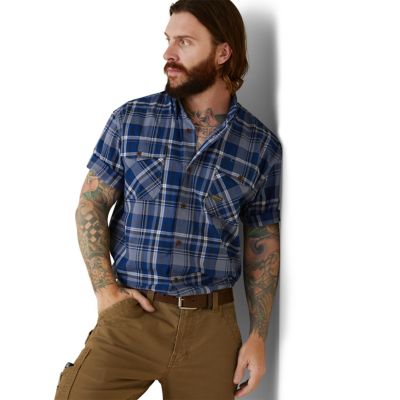
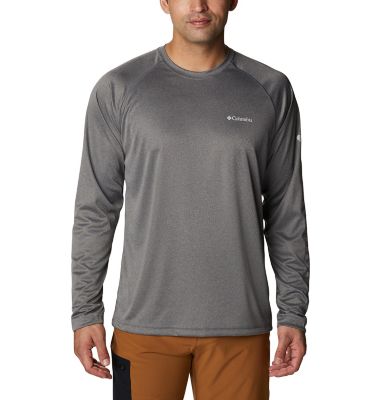
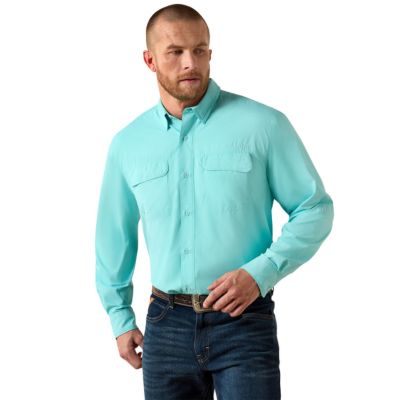
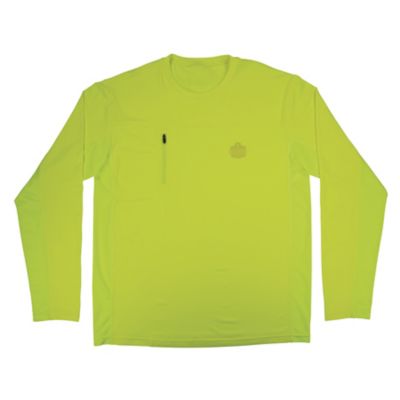
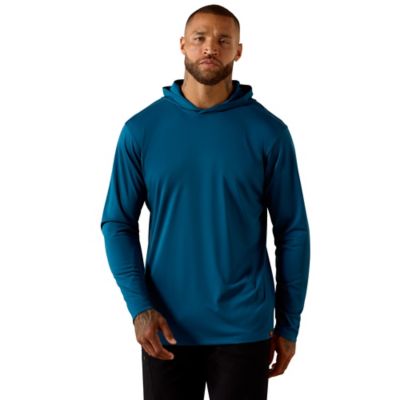
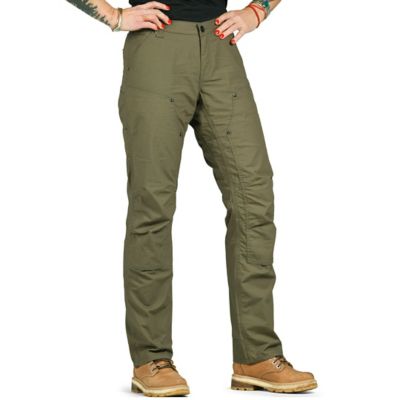
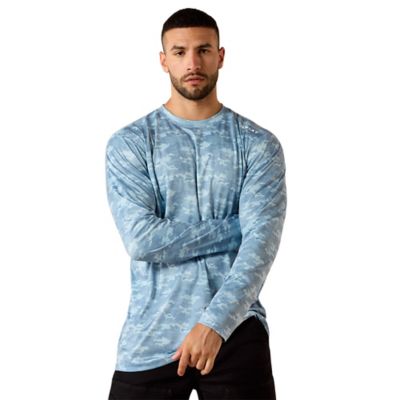
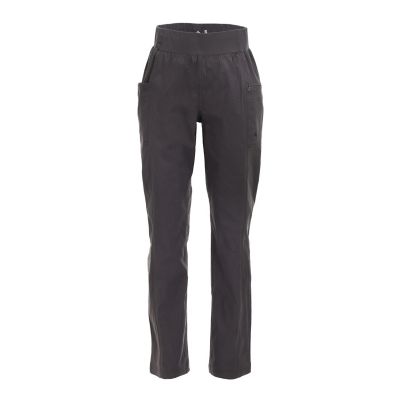
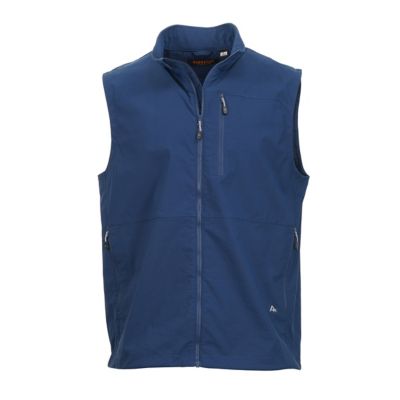
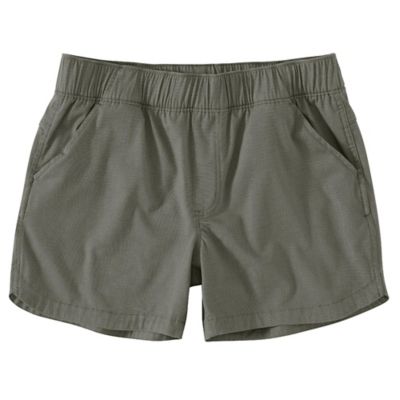
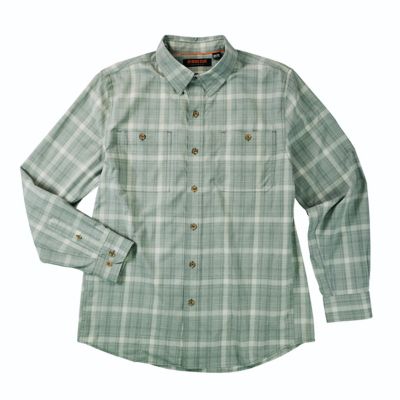
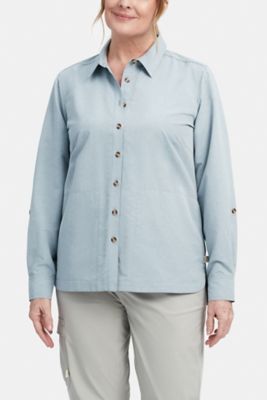
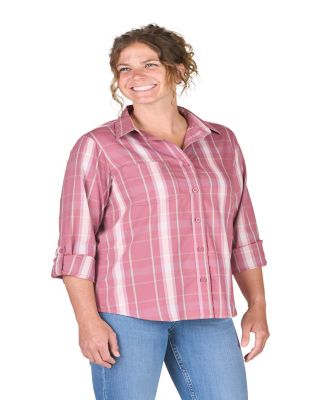
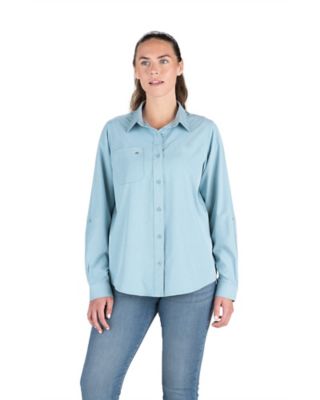
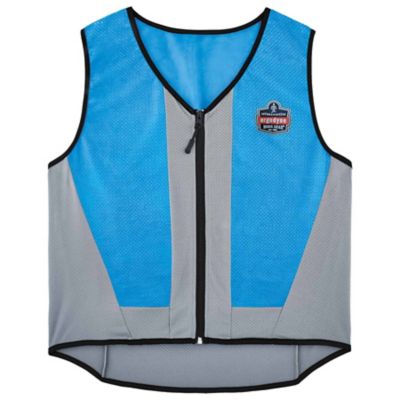
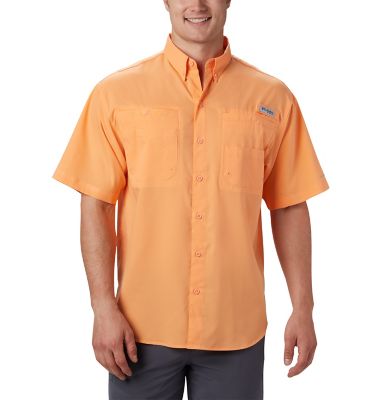
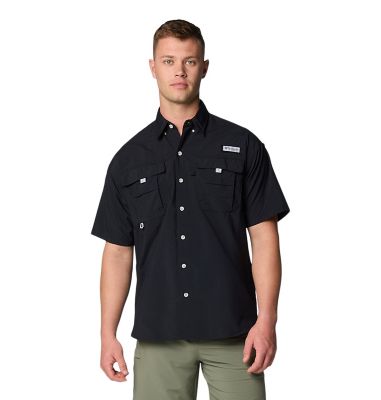
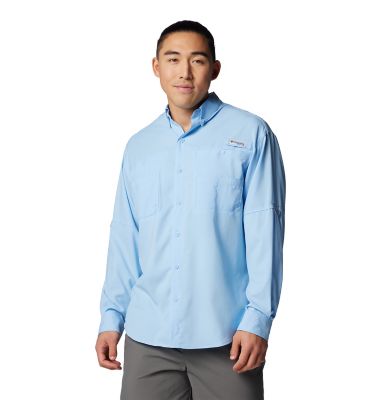
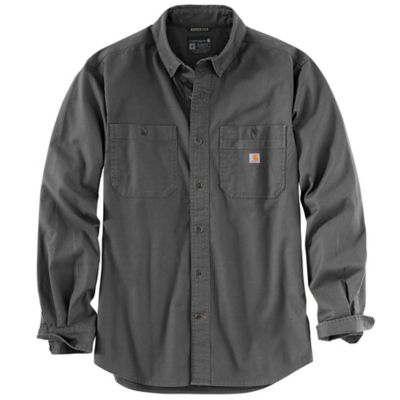
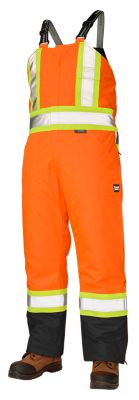
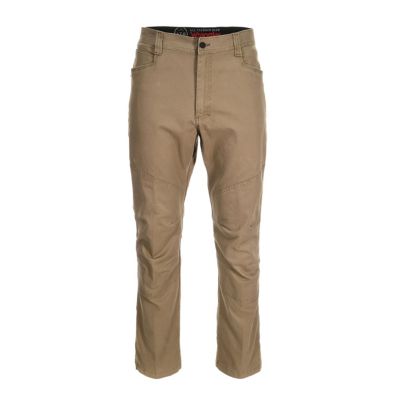
Summer outdoor work clothes combine lightweight, breathable fabrics, moisture management and a fit that lets you move without extra fabric getting in the way. For days spent mowing, repairing fence or working around the barn, the right balance depends on both the heat and the work underfoot. Lightweight polyester and nylon blends often dry faster than heavier cotton fabrics, while moisture-wicking finishes help move sweat away from the skin so it can evaporate. Cotton can feel soft and breathable, but it also holds moisture longer, which matters when a shirt gets soaked through before the morning chores are done. Blended fabrics can bring together cotton’s familiar feel and the faster drying time or added stretch of other fibers. Fabric weight and weave matter just as much as fiber content: an open, airy weave feels different from tightly woven canvas, even when both contain cotton. Ripstop fabric has a reinforcing grid that helps limit the spread of small tears, making it worth considering around rough lumber, brush and fence posts. It does not automatically mean a garment is cool or suited to every hazard, though. Mesh-lined vents and vented back panels can encourage airflow, especially when they remain uncovered by straps or outer layers. Lightweight long sleeves and full-length pants offer more coverage from sun, dust and light contact with vegetation than shorter cuts. For measured sun protection, look for a stated ultraviolet protection factor, or UPF, rather than assuming any thin shirt provides the same coverage. Follow the garment’s directions, since stretching, wear and wetness can affect protection. Clothing is only one part of working in summer heat; drinking water, taking breaks and having access to shade still matter. A breezy shirt can make a long afternoon more comfortable, but no fabric takes the place of a safe work pace when temperatures climb.
Fit shows up in the small moments of a workday: reaching over a gate, stepping onto equipment, crouching beside a water line or carrying a feed sack across the yard. Summer workwear needs enough room through the shoulders, seat and thighs for those movements without sleeves or hems hanging loose near moving parts. A straight, relaxed or athletic cut can fit differently across brands and garment styles, so body measurements and size charts tell more than the size printed on a familiar pair of jeans. Pants should stay comfortable when seated or kneeling, with a waistband that does not dig in beneath a belt. A gusseted crotch, shaped knees or a little stretch can make bending and climbing easier without requiring an oversized fit. Shirt tails that stay tucked offer coverage when reaching, while a shorter untucked cut may suit tasks where a loose hem will not create a hazard. Sleeve length matters, too: cuffs should allow wrist movement without sliding over the hands. The same balance of movement, coverage and practical details matters in
Women's Workwear For Outdoor Jobs, whether the day involves feeding livestock, tending nursery beds or maintaining a property. Pocket placement deserves a close look because tools, keys and a phone can become uncomfortable when they land against a knee or beneath a harness. Secure closures help keep small essentials from falling out when bending over, while flatter pockets can be less bothersome beneath equipment straps. Shorts may suit some low-hazard yard chores, but long pants are often the better match for brush, rough surfaces and tasks that call for leg coverage. Equipment instructions and workplace rules should settle those decisions. Around rotating machinery, sparks or other jobsite hazards, ordinary summer clothing is not a substitute for required protective apparel. Stretch fabric, a light feel or a tough-looking weave does not establish flame resistance, cut resistance or any other safety rating.
Construction and care help determine how summer outdoor work clothes hold up after repeated trips through the pasture, garden and wash. Reinforced pocket openings, firmly attached belt loops and stitching at high-stress points are useful details when a waistband carries tools or pockets see constant traffic. Heavier fabric can offer more resistance to abrasion, but extra weight is not always welcome during a long stretch of hot, humid work. Lighter fabric with reinforcement where it counts can be a practical middle ground, depending on the task. Smooth seams and soft collar edges matter when sweat makes every rough spot noticeable, and hardware should sit where it will not press against the skin during bending or lifting. Breathable socks and a washable brimmed hat can round out an outfit, though headwear needs to work with any required hearing protection, eye protection or hard hat. After the work is done, care labels provide the best starting point for washing and drying. Soil, plant debris and perspiration can build up in fabric, while high dryer heat may affect stretch fibers, finishes or fit. Some moisture-wicking garments call for avoiding fabric softener because residue can interfere with moisture movement. Checking labels also helps preserve any stated sun-protection or protective properties. Emptying pockets and fastening closures before washing can help prevent snags, and mending a small opening early can keep it from becoming a bigger tear. Clothes exposed to pesticides, fuel or other hazardous substances need handling that follows the substance label and applicable safety directions rather than a routine wash with household laundry. For a family member who spends summer days tending acreage or working outdoors, work clothing can make a thoughtful gift when the size, fit preferences and job requirements are known. The most practical outfit is one that suits the person wearing it, from the first walk to the barn through the last gate closed at the end of the day.