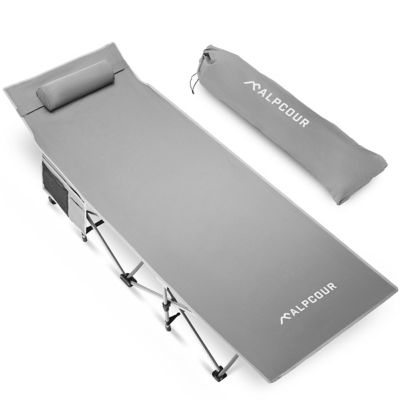
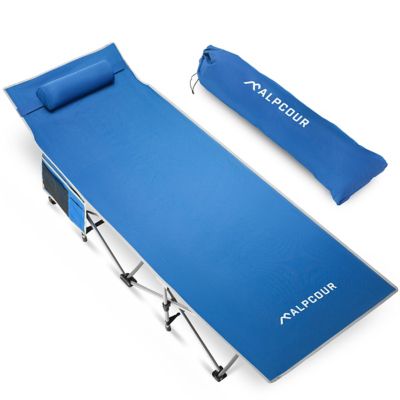
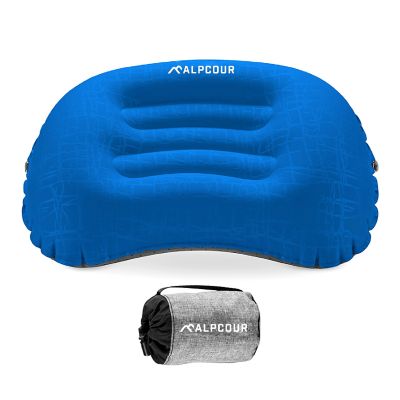
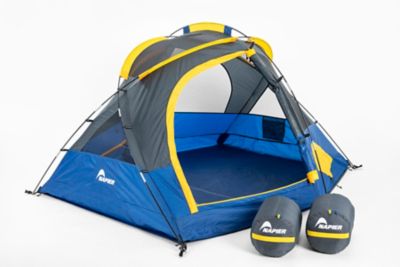
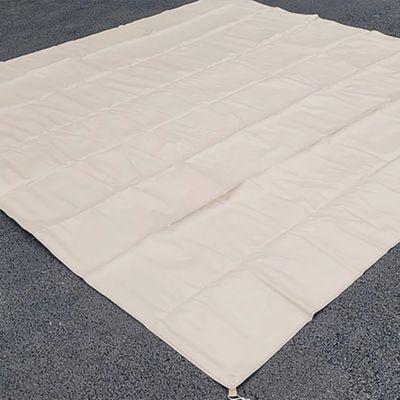
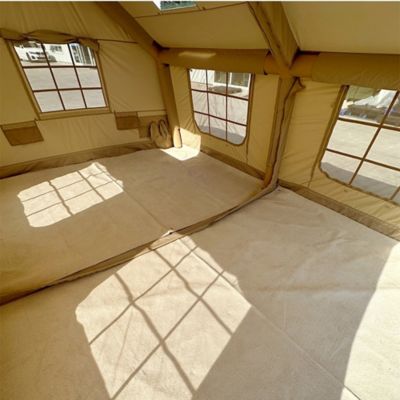
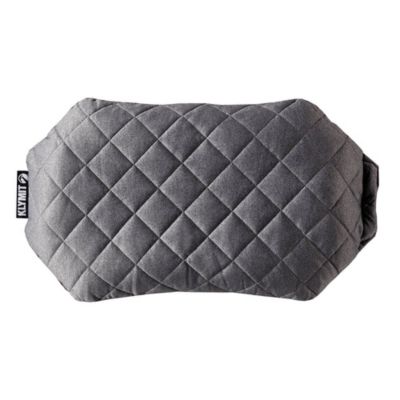
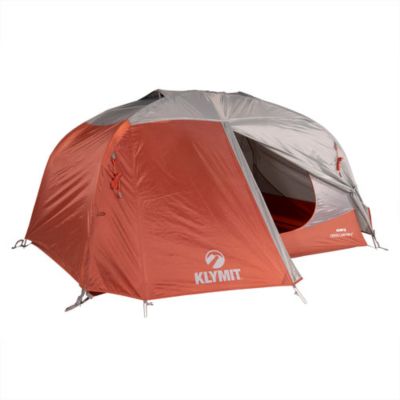
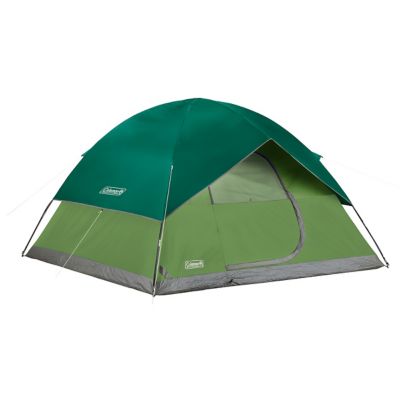
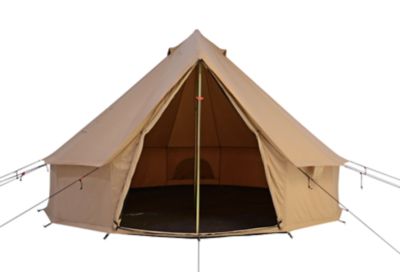
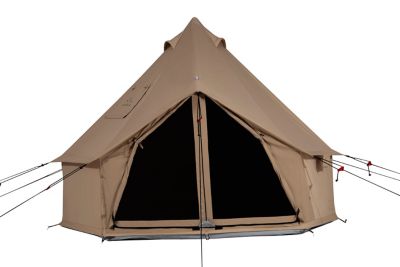
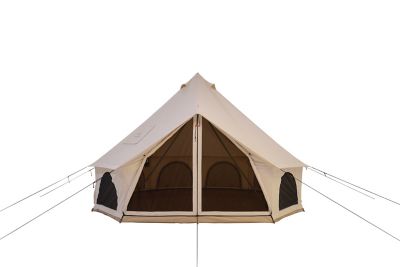
Summer camping essentials include a lightweight tent, breathable sleeping gear, a cooler for food and drinks, sun protection, and a camp kitchen setup that suits the meals on the trip. What makes sense for a weekend at a drive-up site by the lake may be different from what makes sense when everything has to go down a narrow trail in one load. Near the truck, a little extra floor space gives kids room to get dressed without stepping on somebody’s bedding. On a walk-in trip, packed size and weight matter more, especially if part of the load has to go on somebody’s back. Tent capacity is a starting point, but floor dimensions tell more about how two adults, a child, or a dog might fit once everyone settles in. Interior height matters, too, particularly for folks who’d rather sit up to pull on their boots. Lightweight nylon and polyester are common shelter fabrics, and mesh panels let air move on muggy nights when a solid wall can make a tent feel close. A rain cover with space between it and the tent body helps keep rain out without cutting off all the airflow. Sturdy stitching and reinforced corners are worth a look for gear that’ll see plenty of trips, since those spots take a tug every time the shelter goes up. Breathable sleeping gear makes sense for warm, still evenings, while the expected overnight low matters more than the afternoon high when it comes to deciding how much insulation feels right. A shaded creek bottom can get cool after dark even when supper was eaten in short sleeves. Back home, shaking out the grit and letting shelter fabric and bedding dry all the way before packing them away helps keep mildew and musty smells from greeting the next camper who unpacks them.
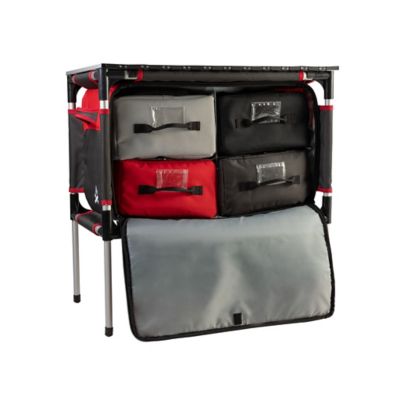
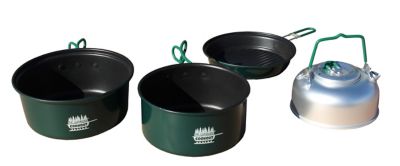
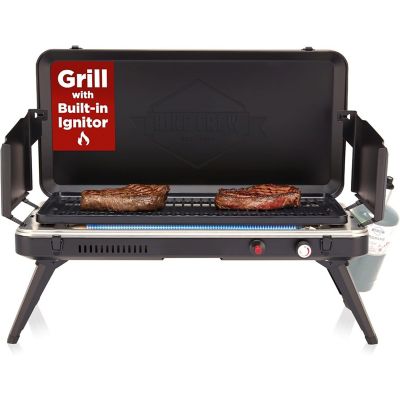
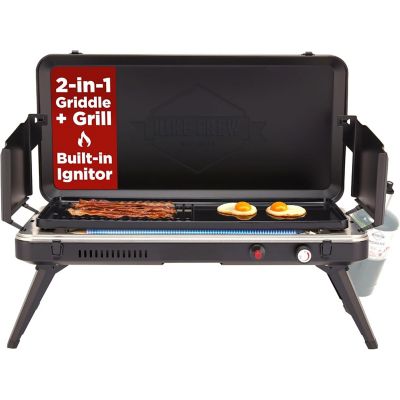
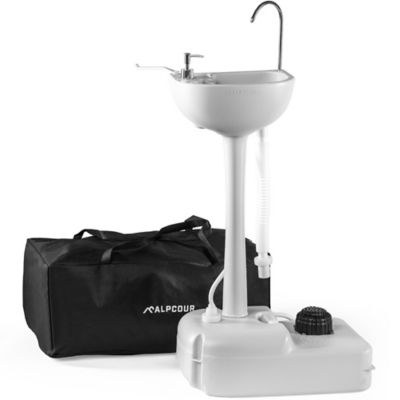
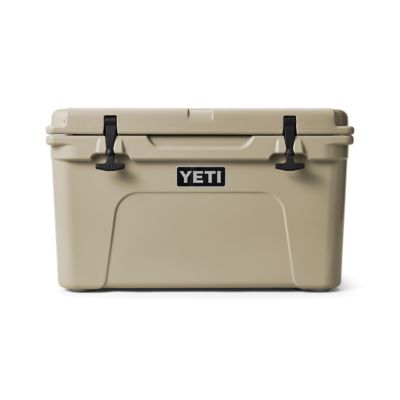
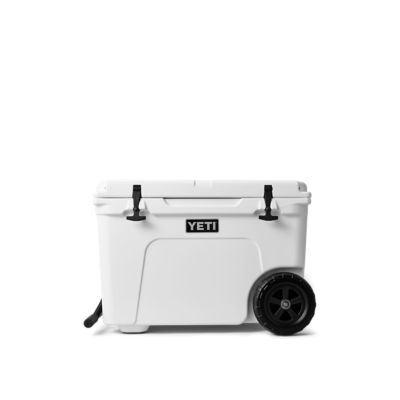
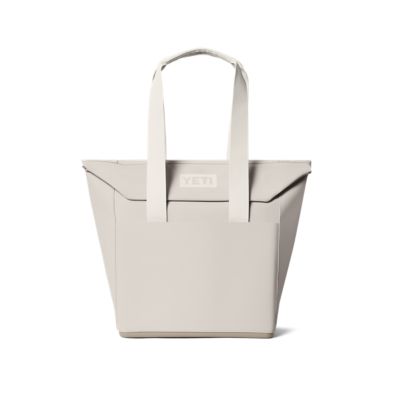
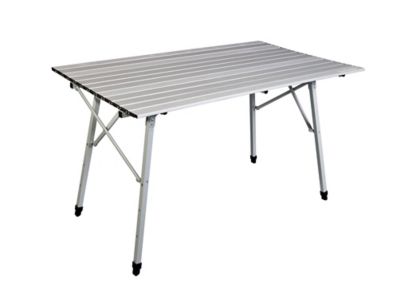
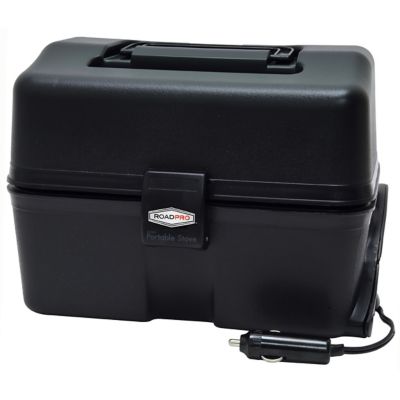
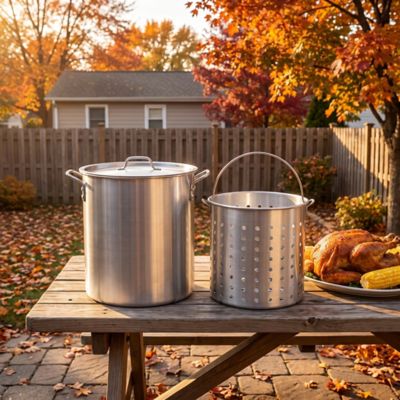
Food storage and cooking gear earn their space when there’s a truckload of hungry people coming back from the water. A cooler that works for drinks and lunch on an overnight may not have enough room for a family’s meals and the ice needed to keep them cold over a long weekend. A hard-sided cooler makes sense for a site close to the parking spot, where a full load doesn’t need to go far. A soft-sided option can be easier to carry for a short outing where there’s less to keep cold. Handle placement is easy to overlook until there’s a steep path between the tailgate and the campsite; room for a steady grip matters more once the cooler is filled. A snug lid and a spot out of direct sun help hold the cold, and keeping drinks separate from perishables can save the food cooler from being opened every time someone wants a refill. Smooth interiors are easier to wipe out after a spill, and a cooler left open to dry after cleaning is less likely to smell stale the next time it comes out. Camp kitchen gear follows the same logic: a family fixing breakfast for a crowd needs more working room than a pair warming supper after a hike. Stainless steel stands up to frequent scrubbing, while aluminum is lighter to carry when the picnic table is a long way from the vehicle. How well cooking gear packs together matters more on a trip where the same space has to hold food, bedding, and everybody’s clothes. At a site with a level table and a nearby water source, there’s room for a fuller setup. Where water has to be carried in, an easy-to-clean setup is a better match for simple meals and a quick wash after supper.
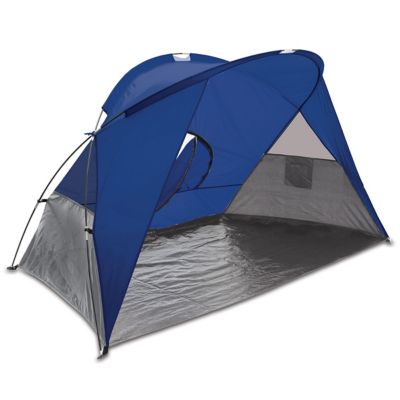
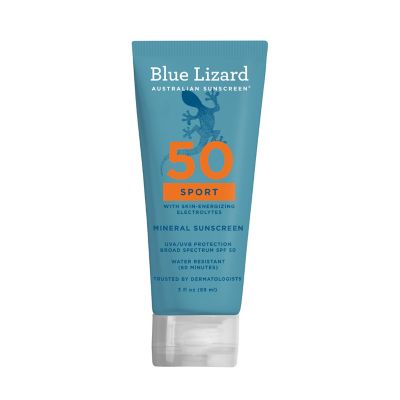
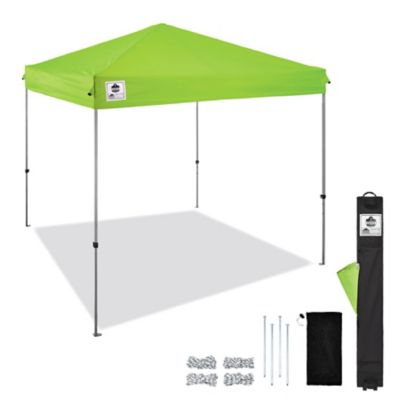
Sun protection belongs in the mix even at a wooded campsite. Tree cover can make breakfast feel cool and comfortable, but that doesn’t mean there’ll be shade where the kids play at noon or where everybody gathers to eat later on. Wearable sun protection makes sense when folks spend most of the day away from camp, while shared shade gives a group a place to take a break when the picnic table is out in the open. For clothing, a fit that leaves room to reach and bend is more comfortable for setting up camp or paddling than one that pulls at the shoulders. Lightweight, quick-drying fabrics are handy when the day includes a splash at the boat ramp or a walk through tall, damp grass. For a group shade setup, packed length can matter as much as weight if the back of the vehicle is already full, and the footprint needs to make sense for the site. A breezy spot on open ground puts different demands on that setup than a sheltered spot in the trees. Dogs along for the trip need a shady resting place and access to water, too, especially when set-up takes a while and everyone’s busy getting settled. The best fit in
Summer Camping Gear comes down to where the trip leads, who’s going along, and how much gear they want to carry or clean when it’s over. For a gift, it helps to picture the recipient’s usual campsite. Someone who camps with grandkids may appreciate gear that makes mealtime or getting settled at night simpler, while someone who camps on foot may care more about how small everything packs. Either way, the gear that earns its place is the gear that suits the trip they actually take.